The Knee Injuries Athletes See Most
The knee consists of ligaments, cartilage, tendons, and bone, all working to keep it steady through hard movement. Different injuries hit different parts:
- ACL tears, often from a sudden stop, cut, or bad landing
- Meniscus tears, the cartilage cushion damaged by a twist
- MCL and LCL sprains, the side ligaments are stressed by impact
- Patellar tendon problems, from jumping and repeated load
- Cartilage damage that wears down the joint surface
Some happen in one violent second. Others build over a season. Either way, the knee loses stability, strength, and trust. Rebuilding all three is the job.
What Physical Therapy Does for Knee Rehab
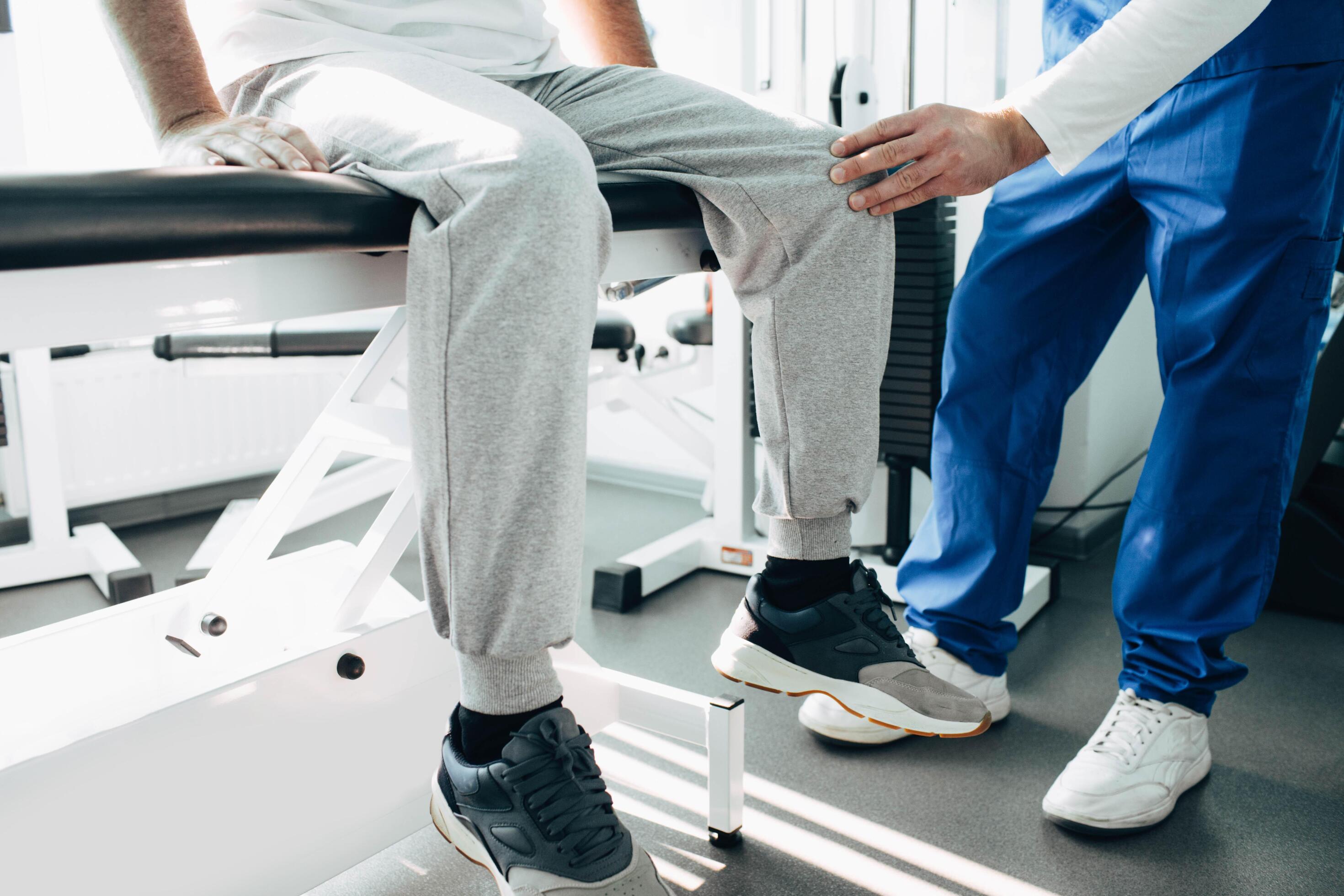
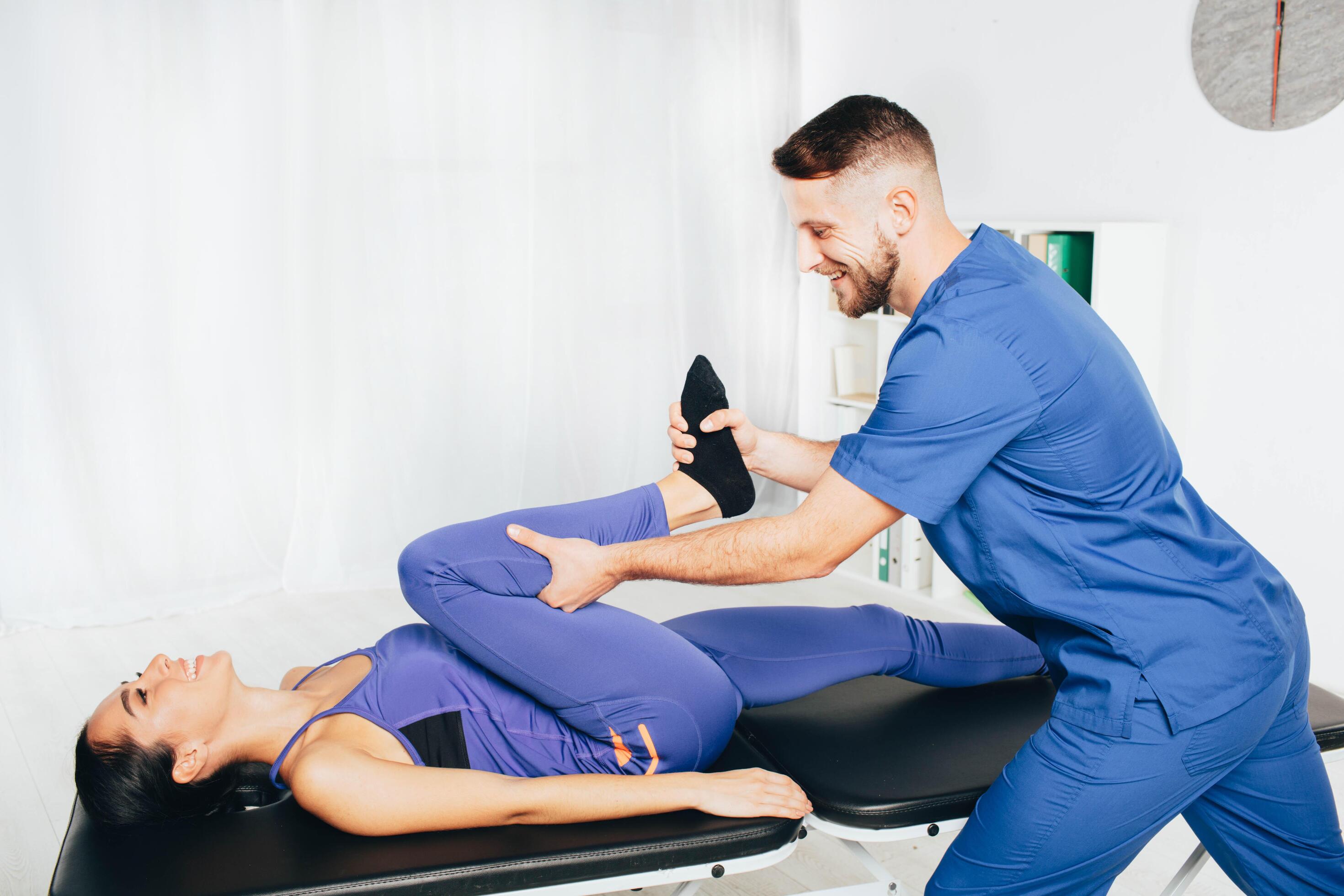
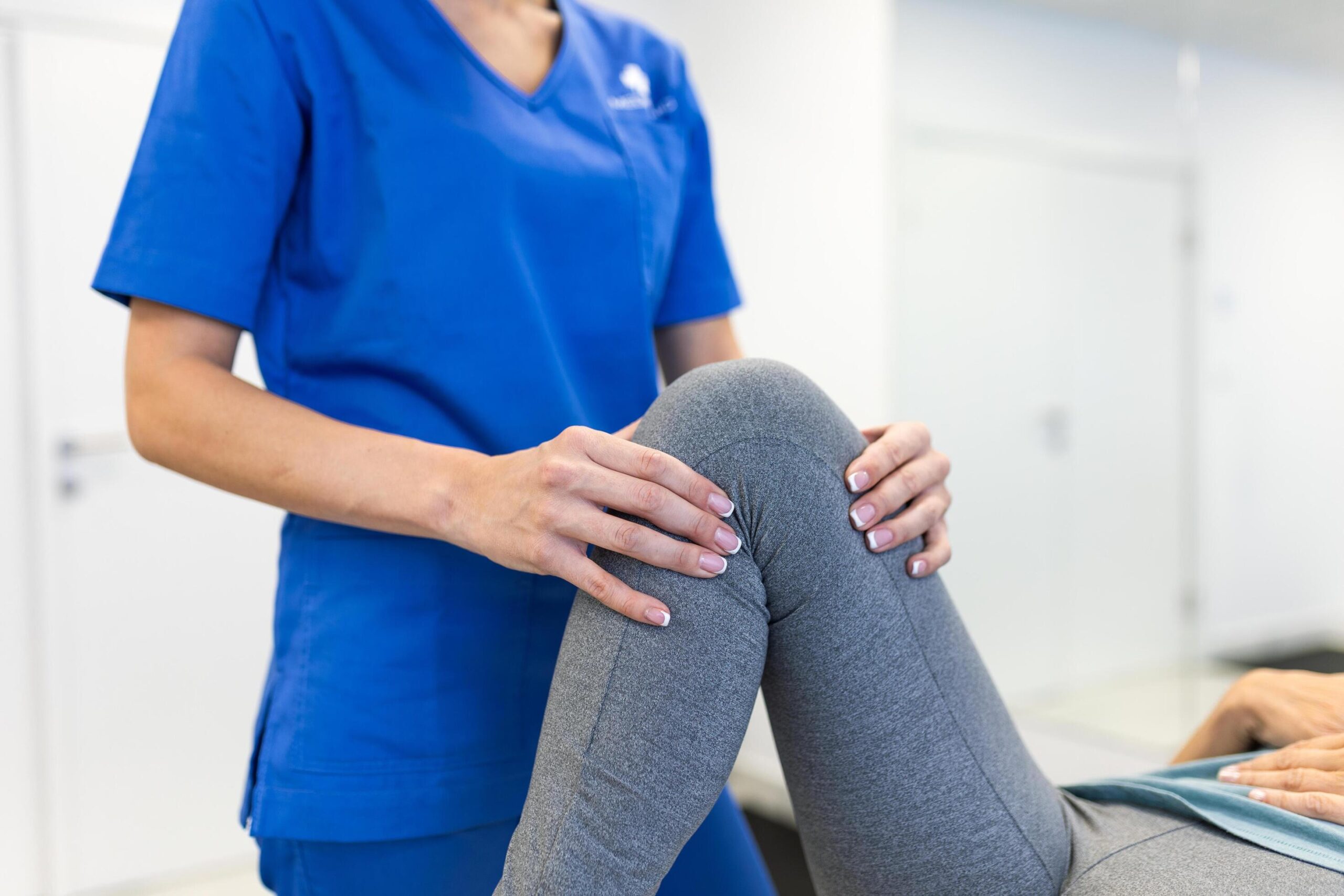
Good rehab is less a fixed list of exercises and more about reading where the joint is and meeting it there. A knee two weeks out from an ACL tear needs something totally different than one twelve weeks along.
Early on, the knee is swollen, stiff, and barely bearing weight. The priority is calming it down and getting basic motion back. A swollen knee won’t bend or straighten right, and until it does, nothing else moves. Then there’s the quad. That muscle on the front of the thigh shuts off almost the second a knee gets hurt, and waking it back up is one of the first real wins. Skip it and everything after stays shaky.
Once things settle, the focus turns to strength. Not just the knee. The whole structure around it. Quads, hamstrings, glutes, and hips. A knee is only as stable as the muscles steering it, and plenty of injuries trace back to weakness above and below the joint. Load goes up bit by bit, enough to push the tissue without overwhelming it.
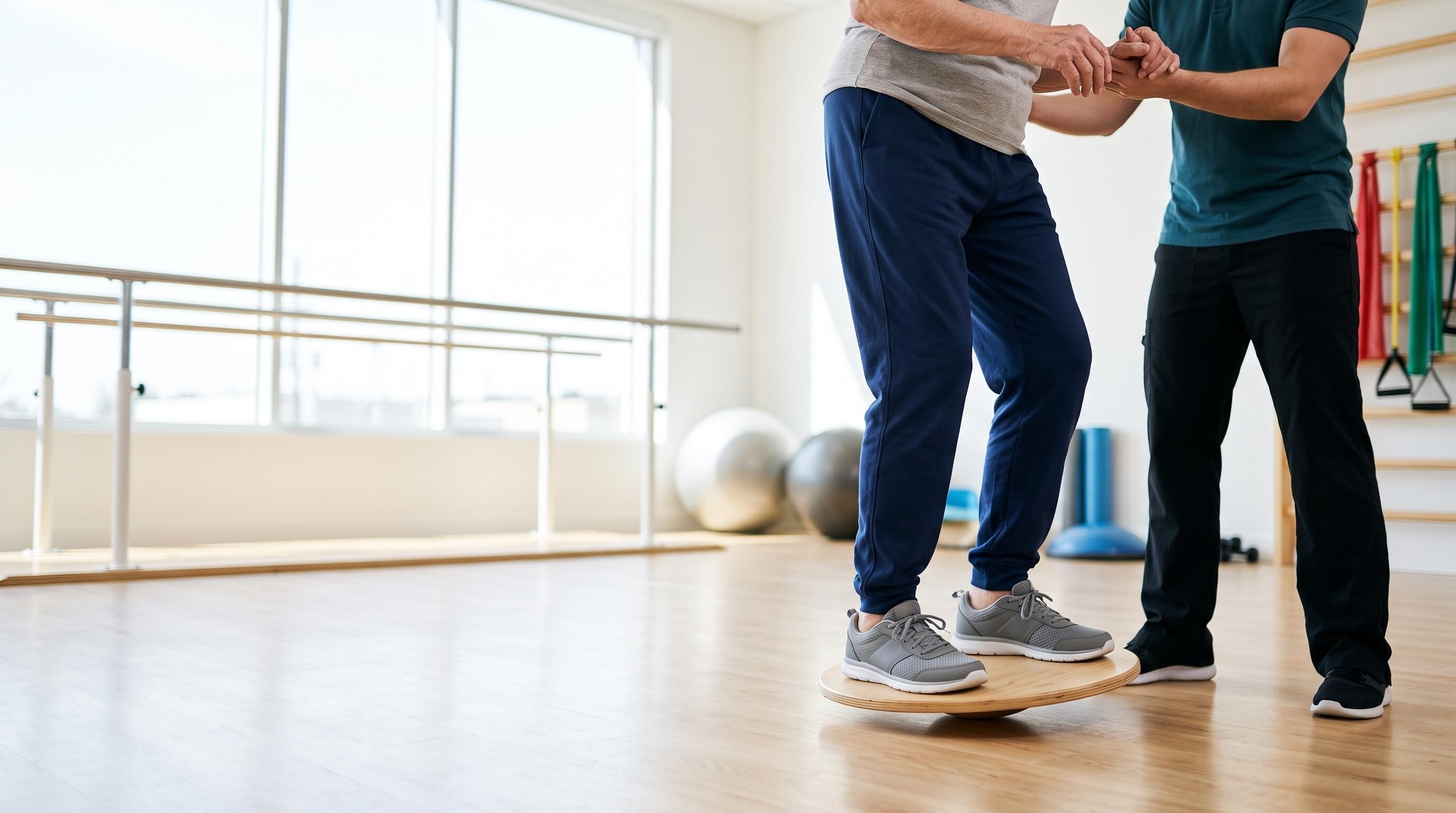
The last stretch readies the knee for real sport. Balance and control work first, since athletes lose their sense of where the joint sits in space. Then the movements that got them hurt, cutting, jumping, and landing, were rebuilt under control until the knee handles them without flinching. And clearance comes from real strength and movement tests, not the calendar.
Why Guided Recovery Matters Here
The knee is unforgiving when rehab gets rushed. Come back before it’s ready, on strength that hasn’t rebuilt, and you’re at high risk of doing it again. ACL re-tears especially hit athletes who returned too soon.
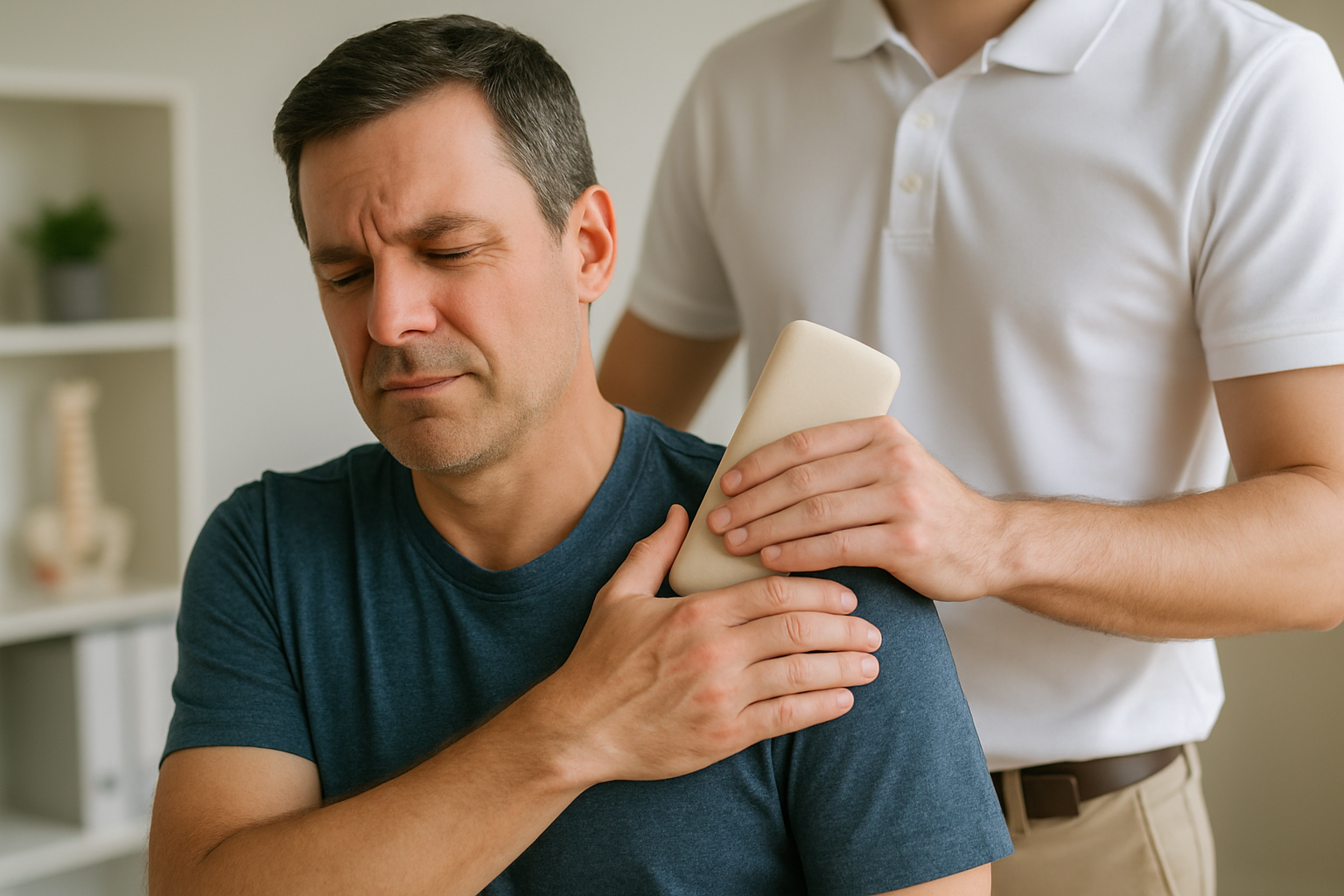
Guided rehab closes that gap. A therapist tracks the real markers, not just how the knee feels on a good day. Can the hurt leg match the healthy one? Can it hop, land, and pivot under control? That’s how readiness gets measured. For an athlete who plans to keep playing, it’s the difference between a knee that holds up one season and one that holds up for many.
Modern Medicine of Goodyear, AZ, provides structured knee rehabilitation for athletes in Buckeye and the surrounding area. Call today to schedule an evaluation and have your knee assessed.