Surgery is not always the right call for joint pain. A lot of people assume it is where things are headed because nothing else has worked. That is not the same as nothing else being available. Injections, physical therapy, manual therapy, structured rehab. These are not last resorts. They work. For the right conditions and the right patient, they work well.
What Non-Surgical Care Can Actually Address
More conditions qualify than most people expect.
- Knee osteoarthritis in early to moderate stages
- Hip bursitis and tendinopathy
- Shoulder impingement and rotator cuff tendinopathy
- Facet joint pain and disc-related back pain
- SI joint dysfunction
- Ankle instability from ligament laxity
What these have in common is that the damage has not yet reached the point where only a surgeon can fix it. Inflammation, muscle weakness, and movement problems. These are addressable without an operating room.
What the Evaluation Is Actually Looking For
Walking in with a painful joint and leaving with a surgery date is not a thorough evaluation. It is a short one.
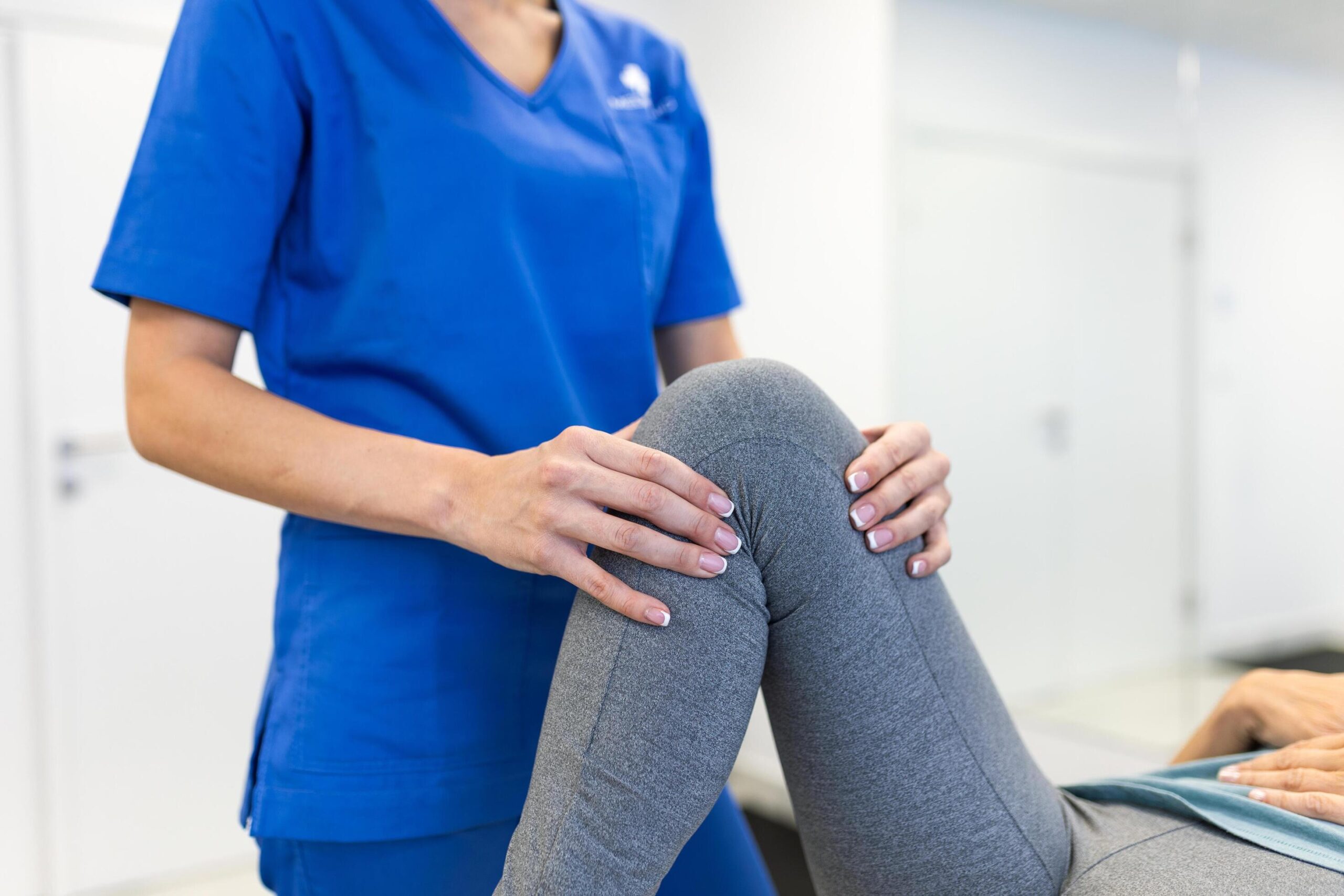
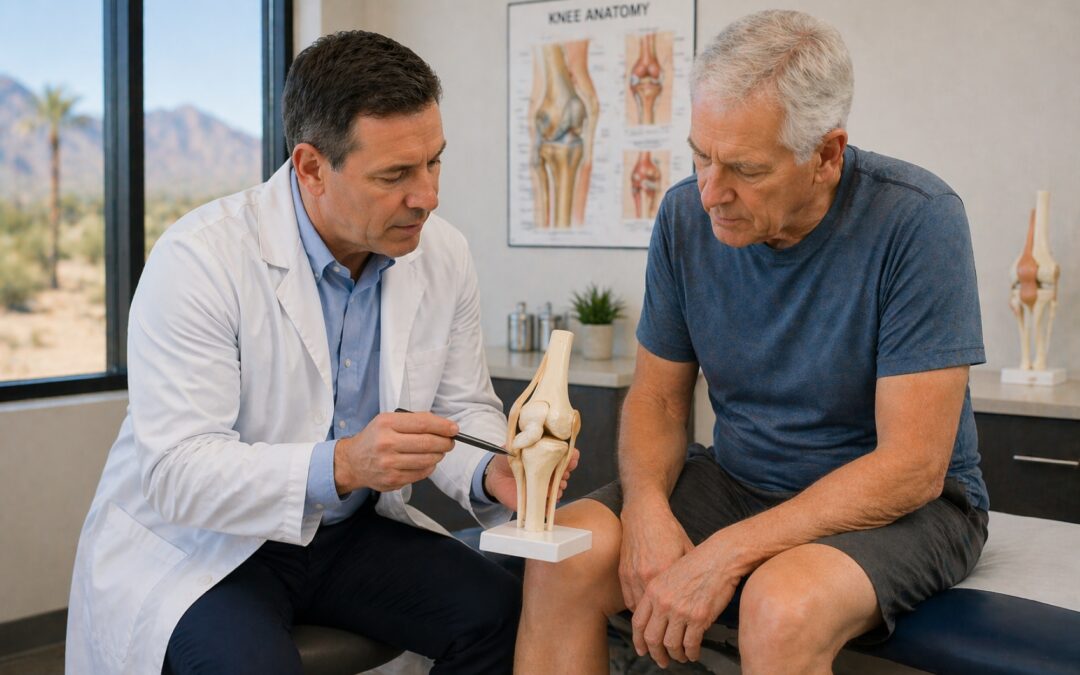
A proper look at the joint covers how it moves, where strength has gone, what compensation patterns have developed, and what daily life actually looks like right now. Two people with identical imaging can be in completely different situations. One is managing fine with modifications. The other cannot get through a grocery run. The plan has to reflect that difference.
Scans show structure. They do not show whether someone can walk through a Buckeye summer without the knee puffing up by noon. The clinical exam fills in what imaging leaves out.
What Treatment Looks Like in Practice
A few things often run at the same time, depending on what the evaluation turns up.
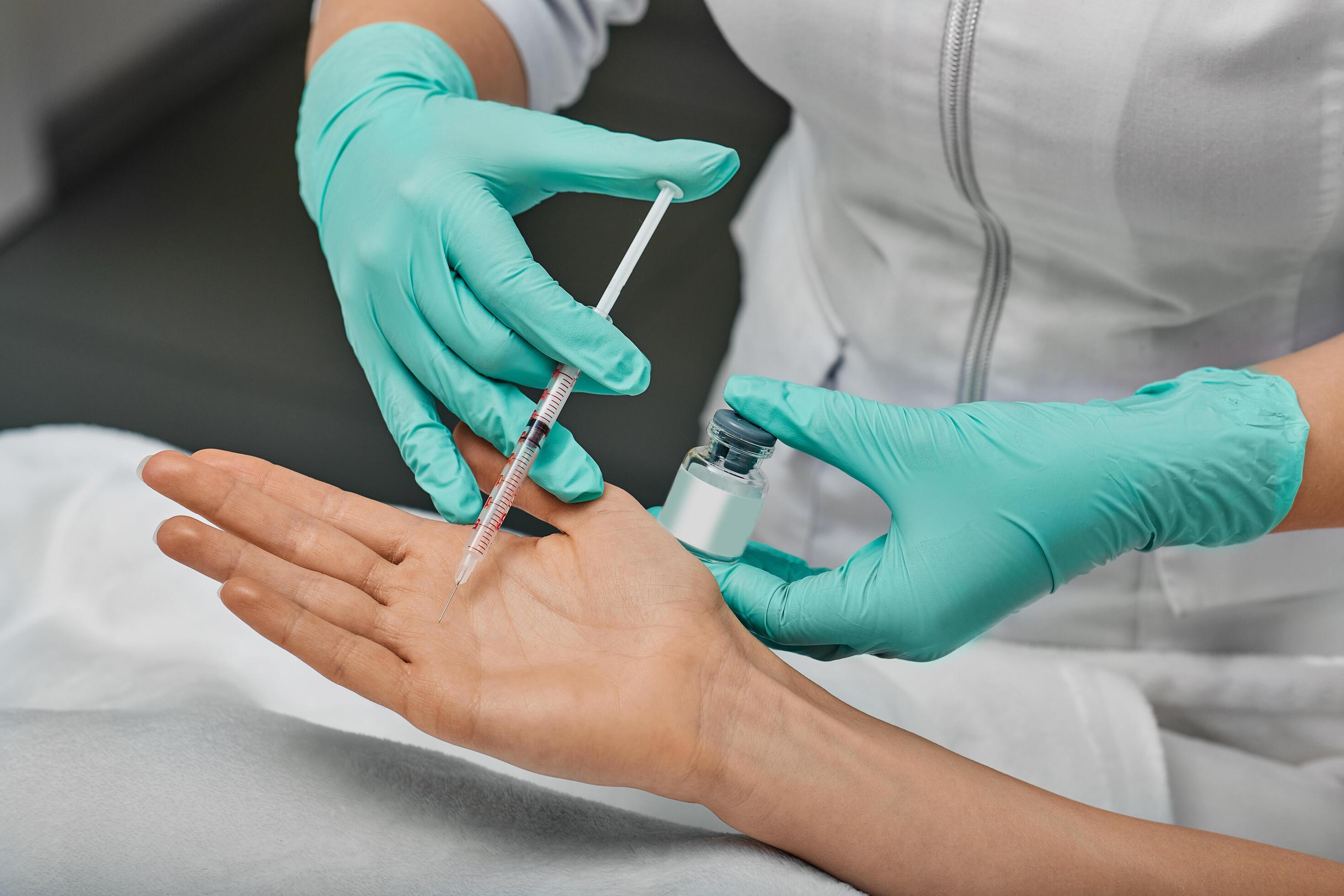
Injections go directly to the source. Corticosteroids for flare-ups that are not settling. Hyaluronic acid, when lubrication is the bigger issue. PRP for certain conditions where the goal is tissue repair rather than just inflammation control.
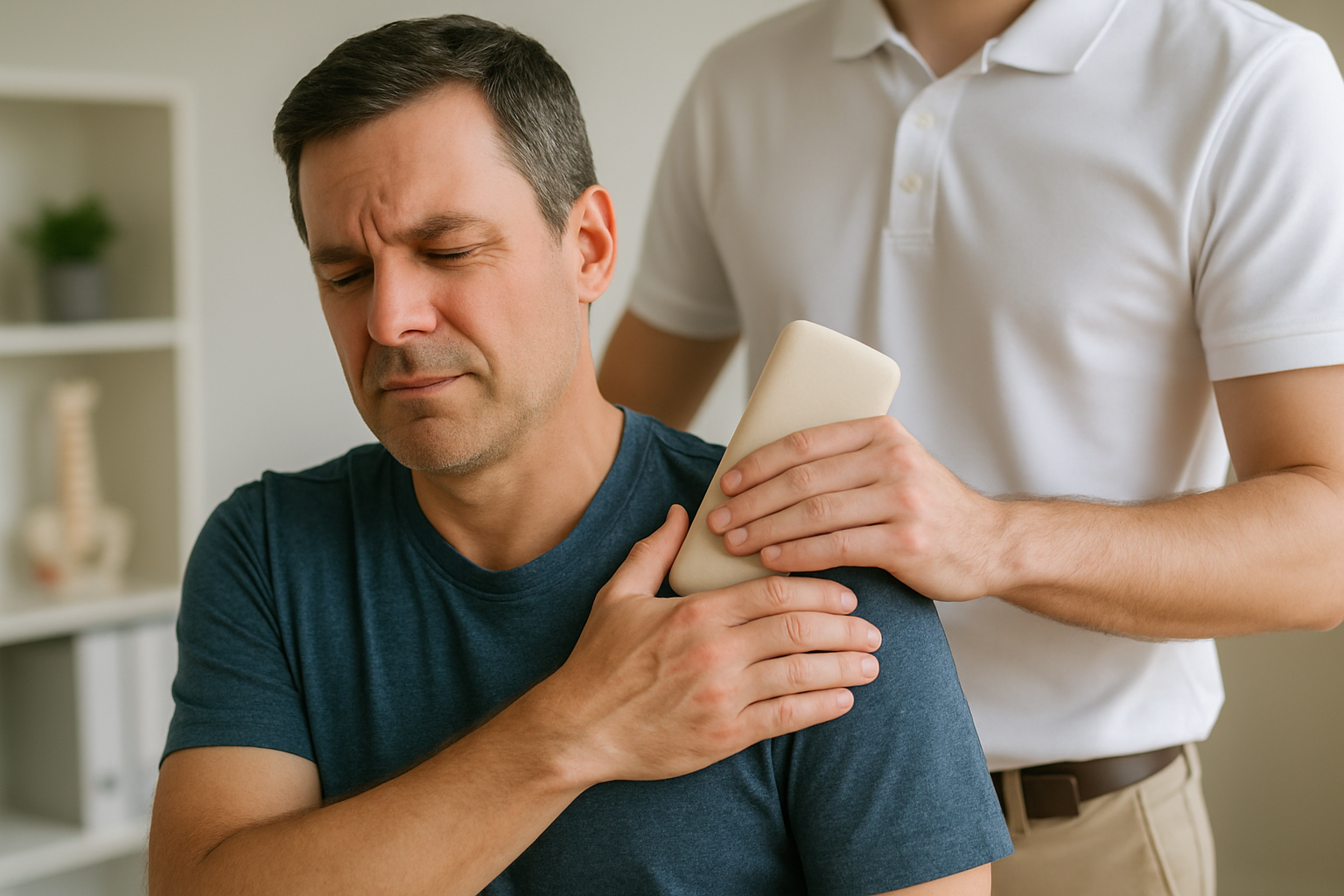
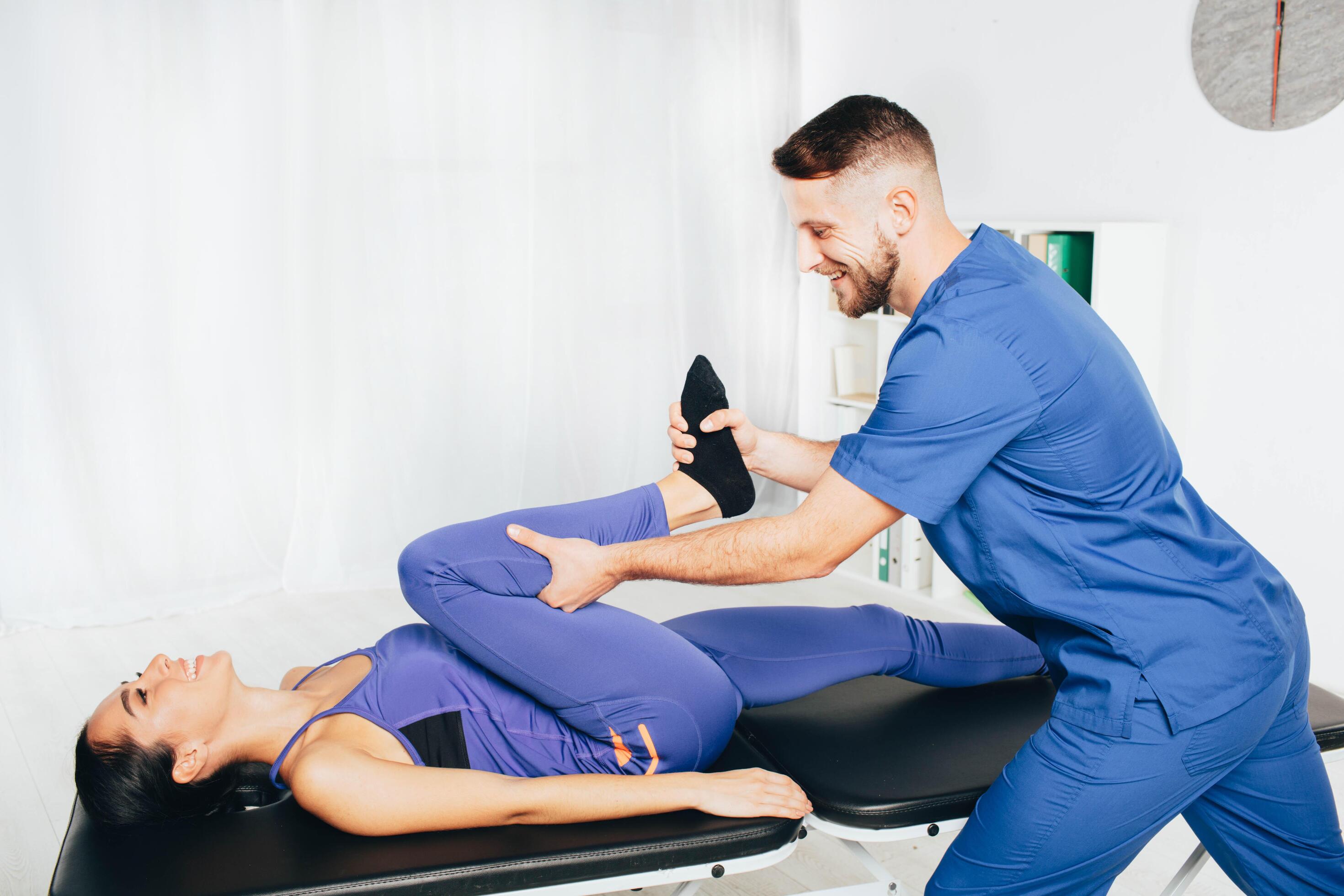
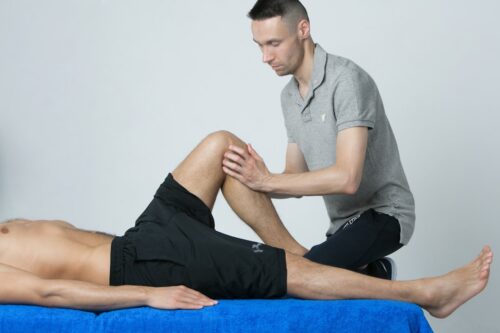
Physical therapy and manual therapy work alongside the medical side. Rebuilding muscle support around the joint. Getting mobility back. Identifying the movement habits that have been loading the joint wrong for months without anyone noticing.
A home program keeps things moving between appointments. Without it, each visit tends to start from the same place.
Why Timing Actually Matters
Early degeneration has options. Bone on bone at every surface has far fewer.
People who come in before things deteriorate badly tend to have a wider path forward. The ones who spent a year or two hoping things would settle on their own often find that by the time they come in, the conversation has changed.
The window is real, and it will close.
What patients are usually trying to hold on to:
- Getting through a full day without the joint taking over
- Staying active when the Buckeye weather finally cools down
- Avoiding weeks off work for a procedure and the recovery after
- Keeping surgery as a future option rather than an immediate one
Reach out to Modern Medicine of Mesa, AZ to learn more about the non-surgical options available to you.