Casa Grande, AZ — Can Manual Physical Therapy Help Seniors Regain Lost Mobility?
Why Stiff Joints Respond to Hands-On Work
Over the years, joints lose some of their glide. The capsule around a joint tightens, the tissue loses suppleness, and the joint stops moving through the range it used to. That's a big part of why a shoulder won't reach as high or a hip feels locked when you get up from a chair.
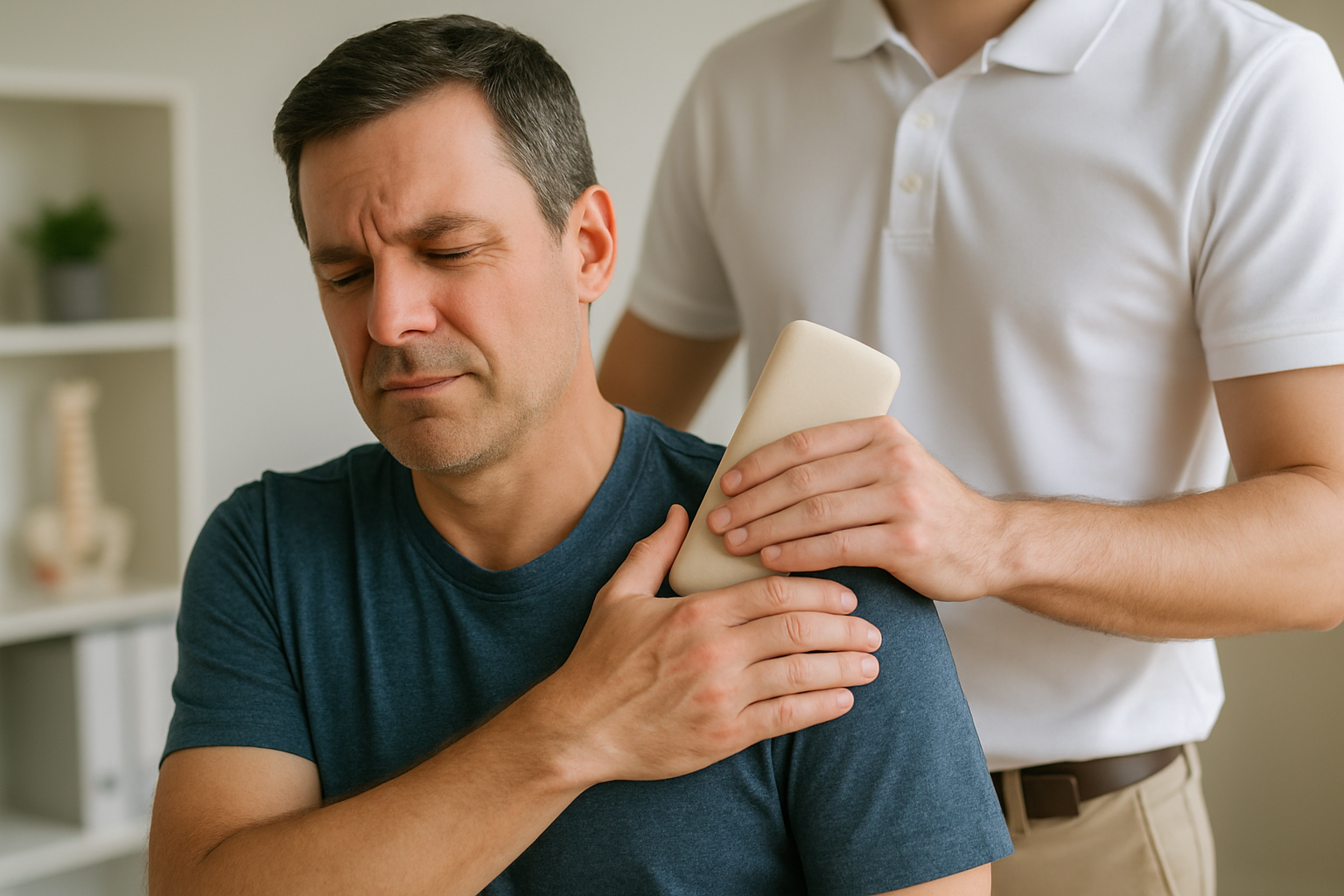
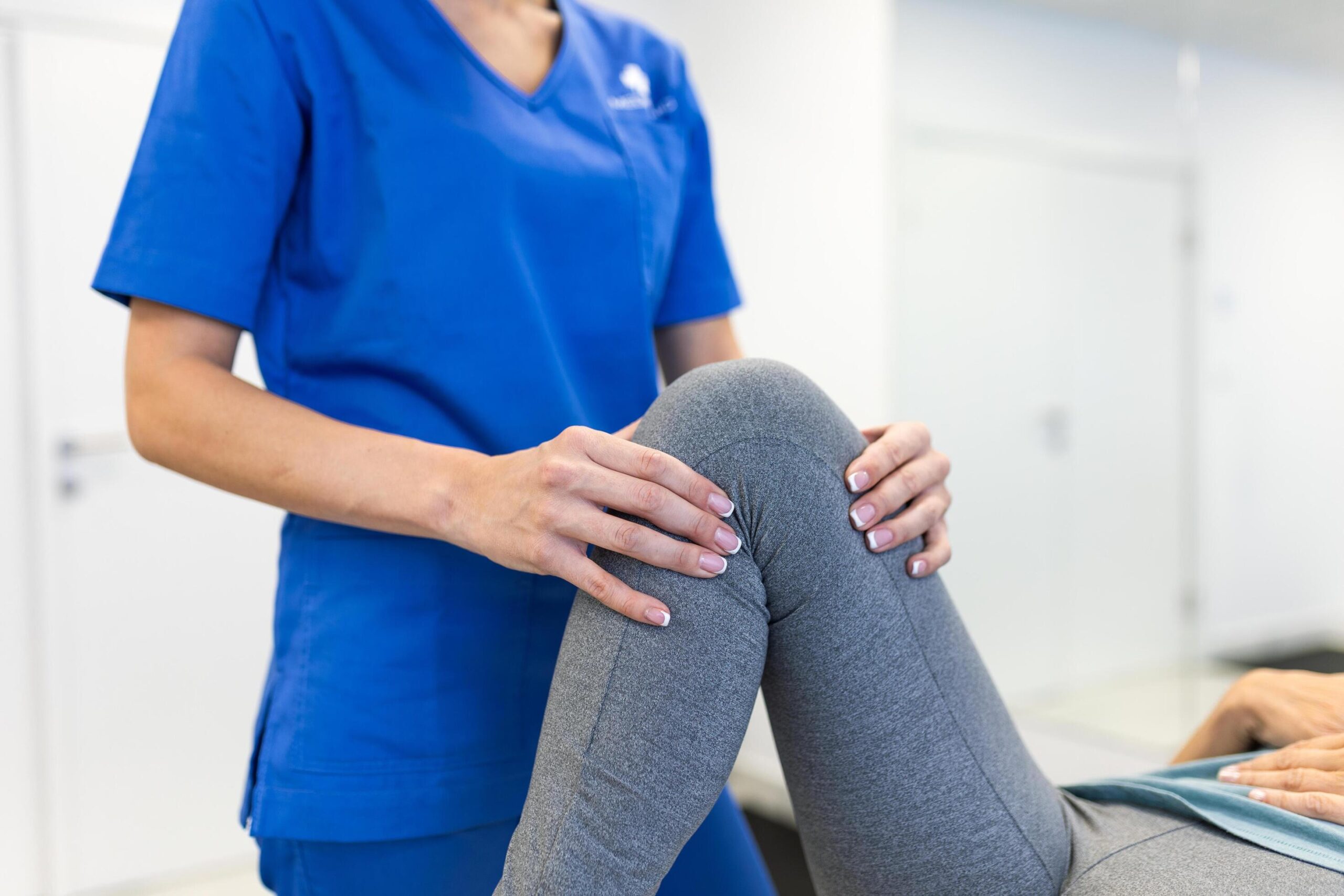
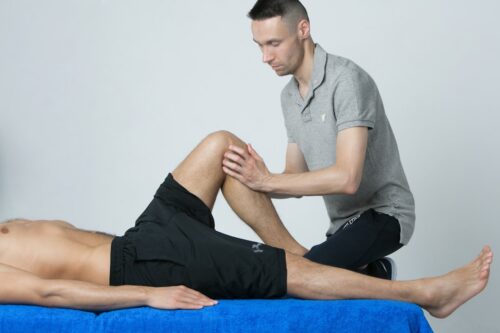
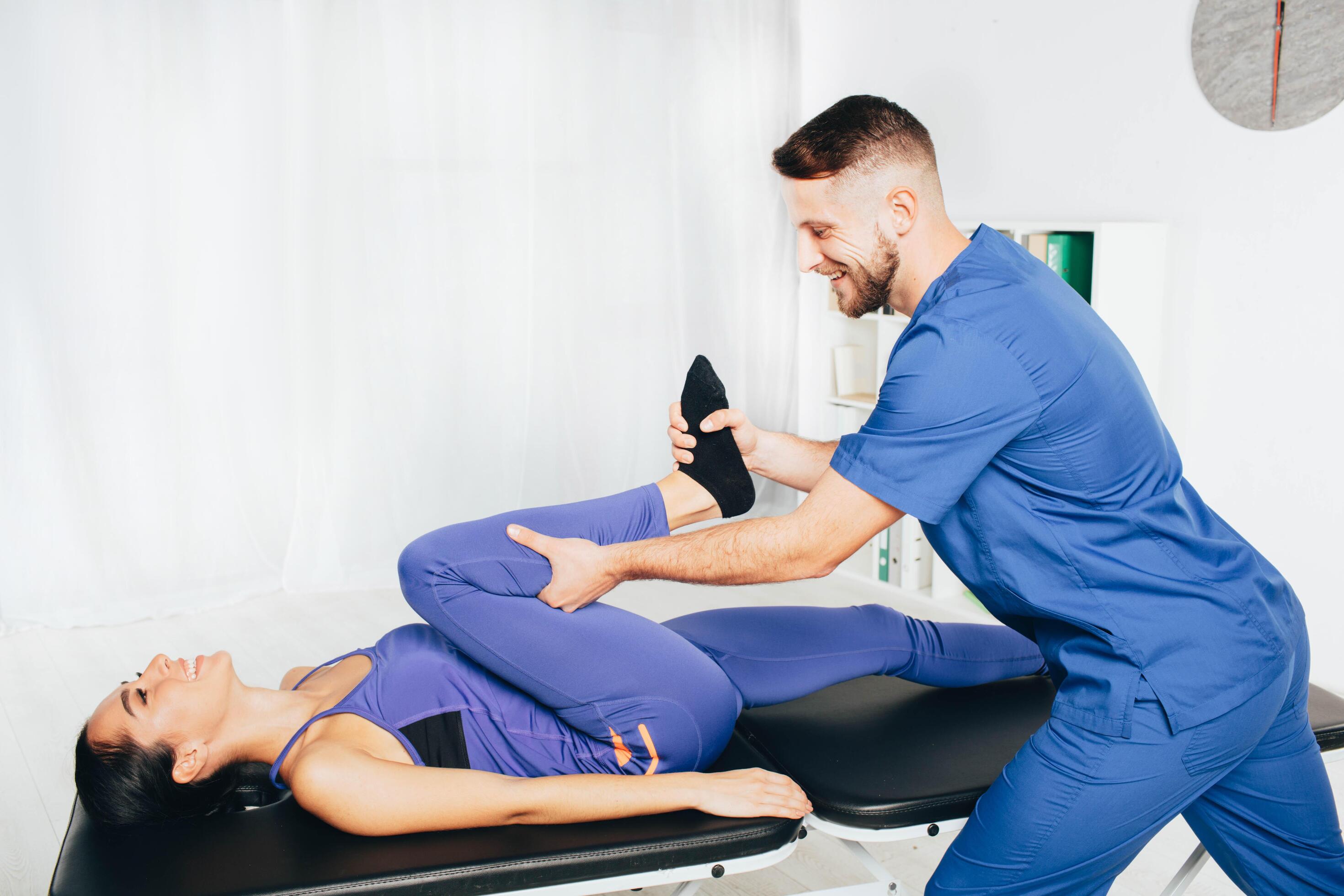
Here's the thing about that kind of stiffness. Exercise alone often can't reach it. You can stretch a muscle, but a joint capsule that's tightened needs the joint itself moved and coaxed. That's exactly what a therapist's hands do, applying gentle, specific movement to restore glide the joint has lost. It's targeted in a way a general stretch isn't.
It's Gentler Than People Expect
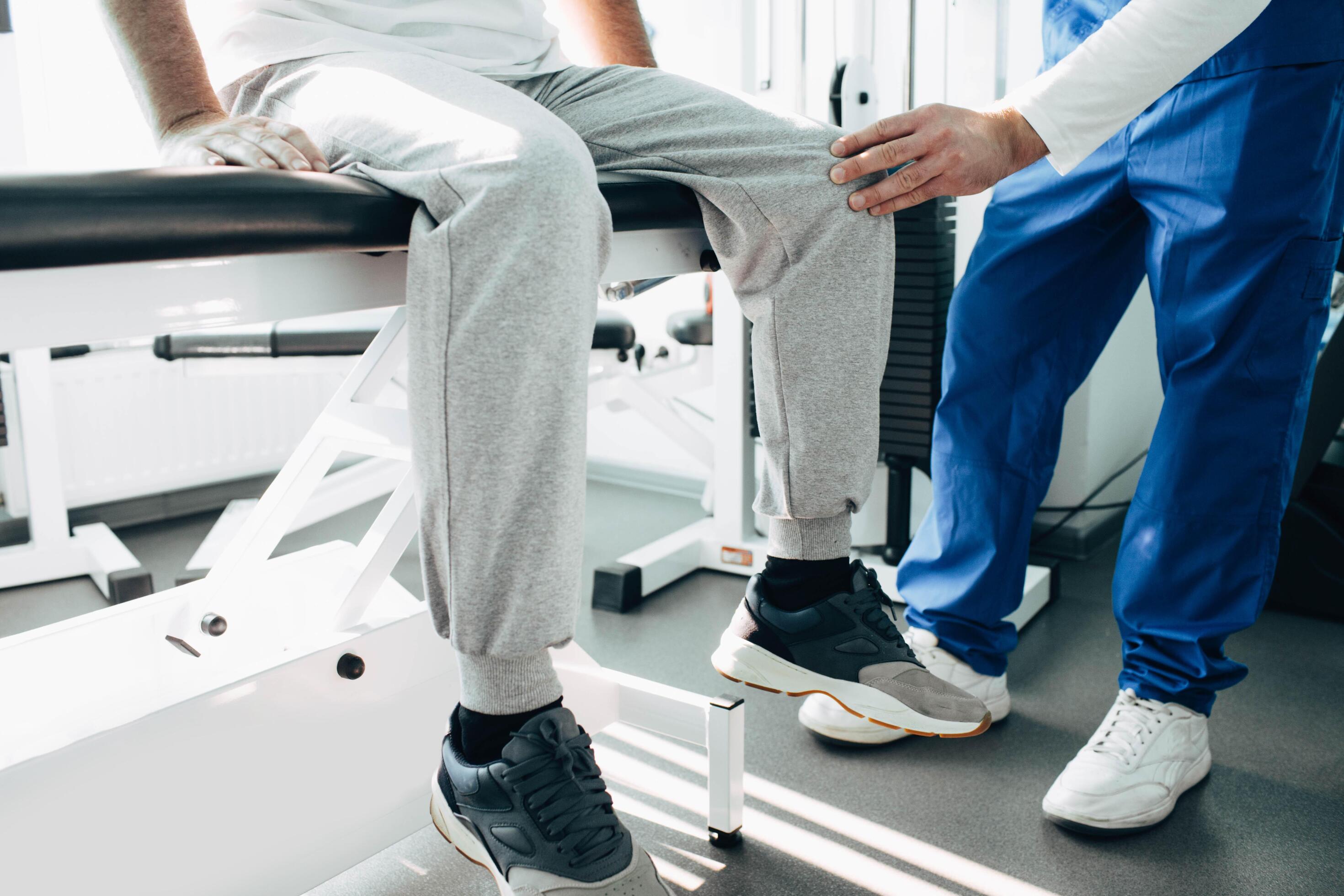
Most manual therapy is comfortable. You're lying down or seated while the therapist works on the area. Some techniques are slow and subtle, barely perceptible movements applied to a joint. Others involve firmer pressure on tight muscle.
The therapist works within what your body tolerates, and with older adults, that generally means starting gentle and progressing only as the tissue responds. Nobody's forcing a stiff joint. The idea is to coax it back, which is both safer and more effective than pushing hard.
What It Can Give Back
Restored mobility shows up in ordinary moments, which is where it counts:
- Reaching a shelf without having to find a step stool
- Turning your head far enough to check a blind spot
- Getting out of a chair or a car without the whole-body effort
- Bending to tie shoes or pick something off the floor
- Walking with a longer, easier stride
None of these are dramatic. All of them add up to independence, which is usually the real goal.
Why It Pairs With Gentle Strengthening
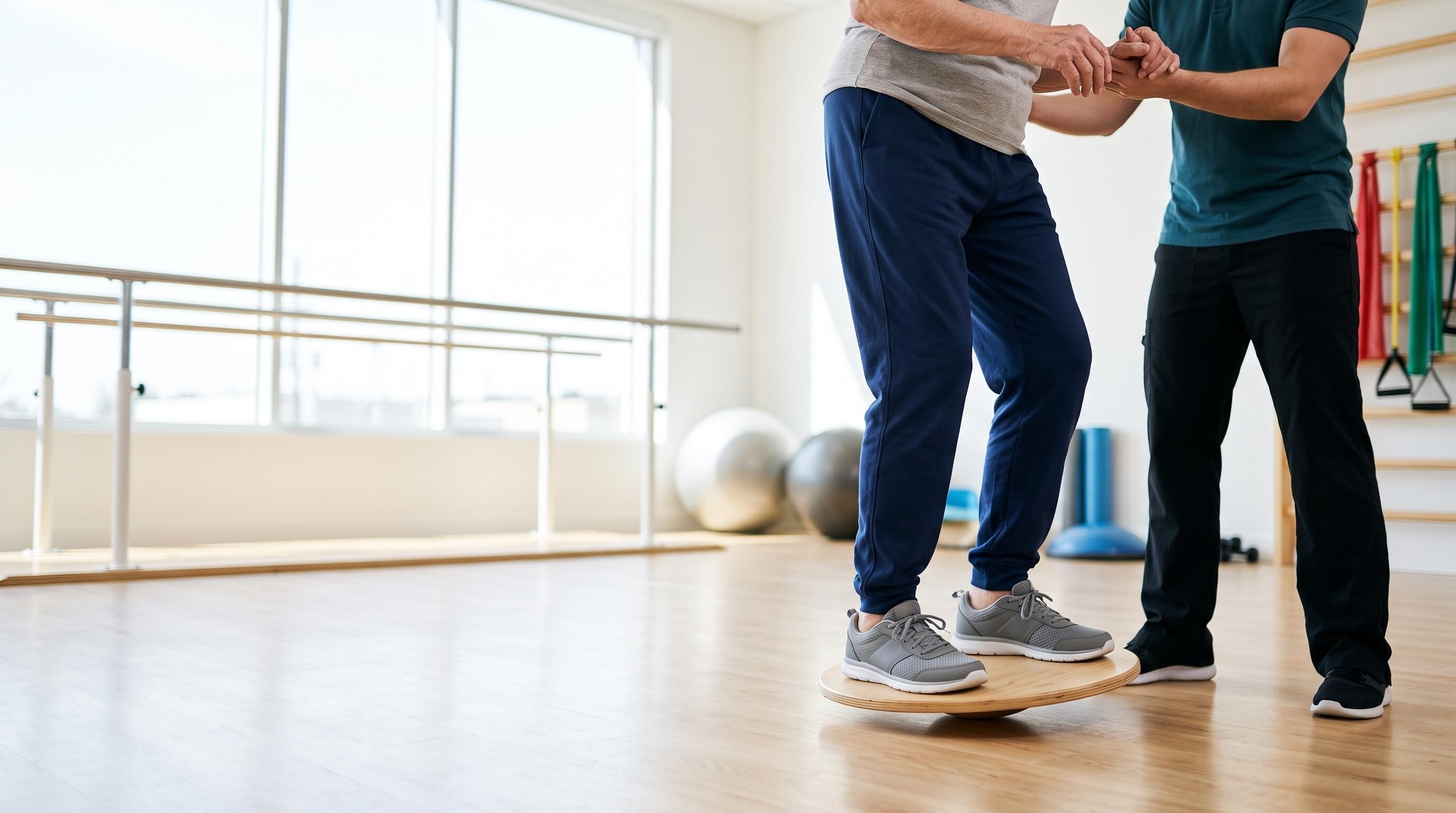
Mobility you can't control isn't much use. So hands-on work generally gets combined with light strengthening, so the muscles can hold and use the range the therapy restores. Together they last. Hands-on work alone tends to fade, and strengthening alone can't reach the stiffness. The pairing is what makes progress hold.
When It's Worth Looking Into
It's worth asking about when stiffness is limiting what you can reach or do, when getting up and moving takes more effort than it used to, when a joint has lost noticeable range, or when you've started avoiding tasks because of how the movement feels.
Stiffness isn't just something you have to accept with the years. Come see us at Modern Medicine of Goodyear, AZ, and we'll check what's restricted and work on giving that movement back. Call us up when you're ready.