Most people don’t give their Achilles tendon a second thought until it starts to hurt. Then they notice it on the stairs in the morning and again when they climb out of the car after work. A lot of the people we see with this started something new a few weeks earlier. One took up pickleball with friends. Another started a job that keeps them on their feet all day.
What’s Going On?
Your Achilles is the thick cord you can feel at the back of your ankle. It ties your calf muscles to your heel bone, and it takes a lot of force every time you push off. Tendonitis means it’s irritated from being asked to do too much, too soon.
The pain usually sits a couple of inches above the heel. For some people it’s lower, right where the tendon meets the bone. Mornings tend to be the worst. The tendon can feel thick or a little lumpy, and it often looks puffier than the other side.
The odd part is that it can loosen up once you get moving. That makes it easy to keep pushing through, and then it aches all evening.
The Usual Suspects
It’s normally a few small things that pile up over time, such as:
- Tight calves that pull on the tendon with every step
- Worn-out shoes or flat sandals with nothing under the heel
- Feet that roll inward when you walk
- A big jump in how much you walk, run, or stand
- Certain antibiotics, which can make tendons more fragile in some people
Age plays into it too. Tendons get stiffer as we get older, so a workout that felt easy at 25 can be a lot harder on them now.
Treating It Without Surgery
Most Achilles tendonitis cases get better without an operation, and that’s where we start. When you come in, we’ll ask what you were doing before it started hurting. We’ll watch you walk and check how far your ankle bends. Then we’ll press along the tendon to find the sore spot.
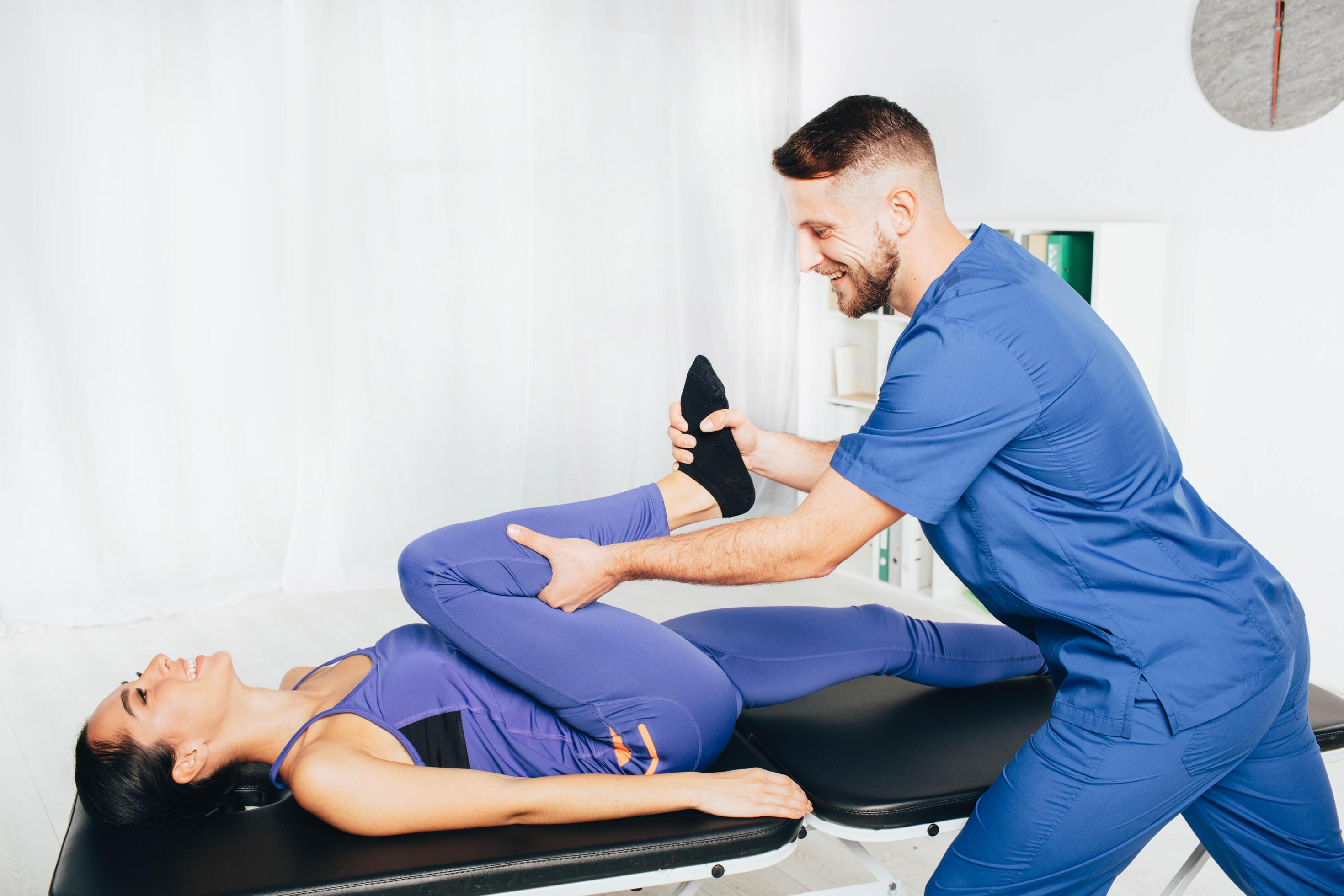
Physical therapy is a big piece of the plan. The tendon needs a break from whatever set it off, but full rest isn’t the answer. It needs to be loaded again slowly so it can get stronger. One exercise we use a lot has you rise up on your toes on a step and then lower your heel down slowly past the edge. It’s a simple move with a long history of helping. We may also suggest heel lifts, a change in shoes, or a different routine at the gym.
Give it time. Tendons heal slowly, and real improvement often takes a couple of months.
A Snap Is a Different Story
If you feel a sudden pop at the back of your ankle, or it feels like someone kicked you there, get it checked right away. That can mean the tendon tore.
Let’s Get You Walking Comfortably Again
If that sore ankle keeps slowing you down, stop by and see us at Modern Medicine of Goodyear, AZ. We’ll take a close look and help you heal it without surgery.