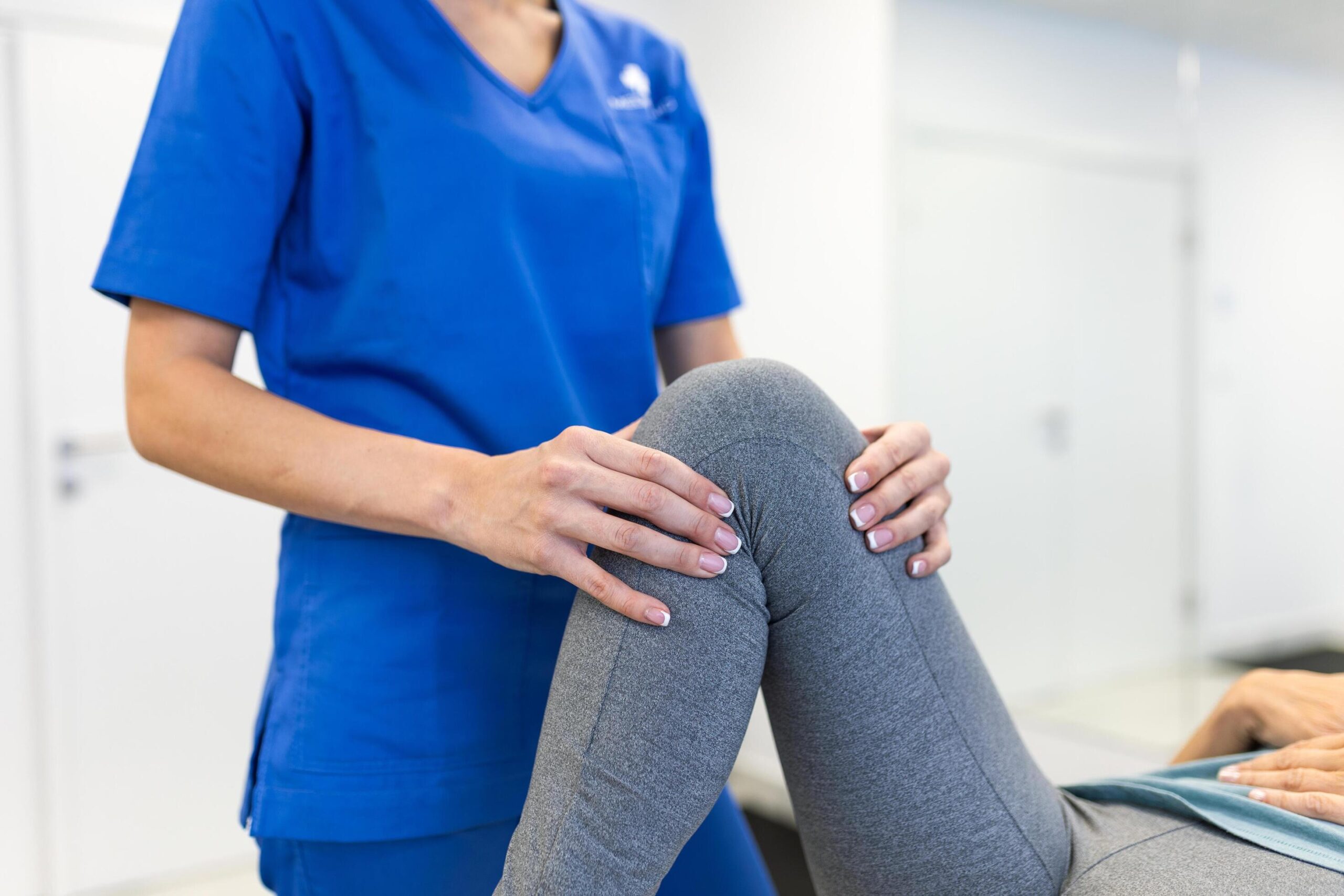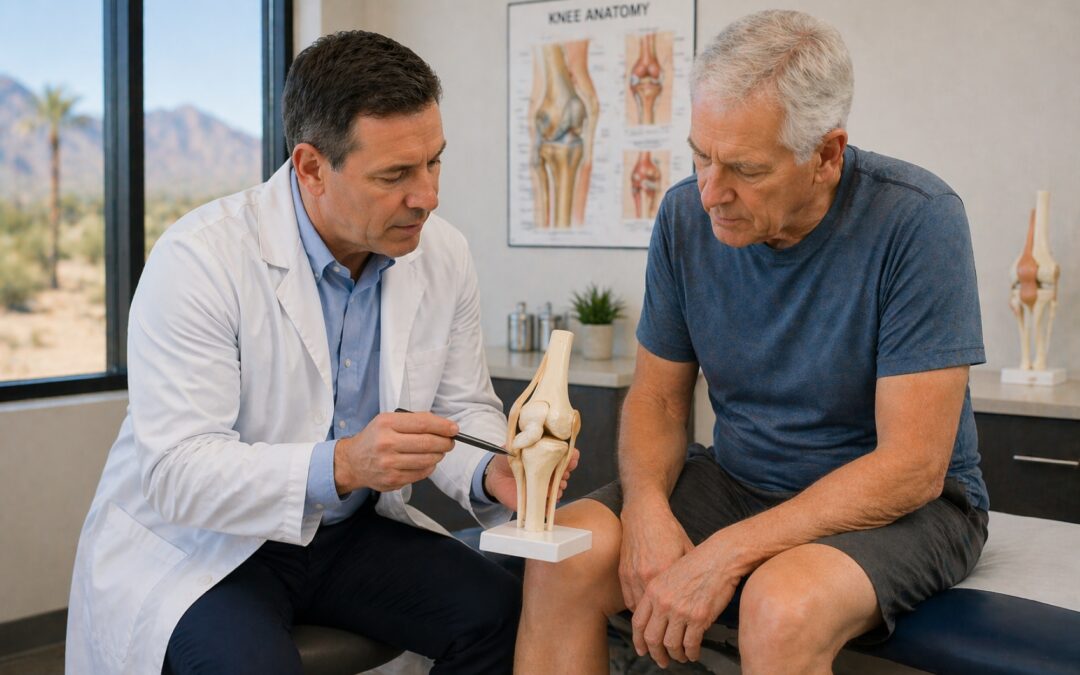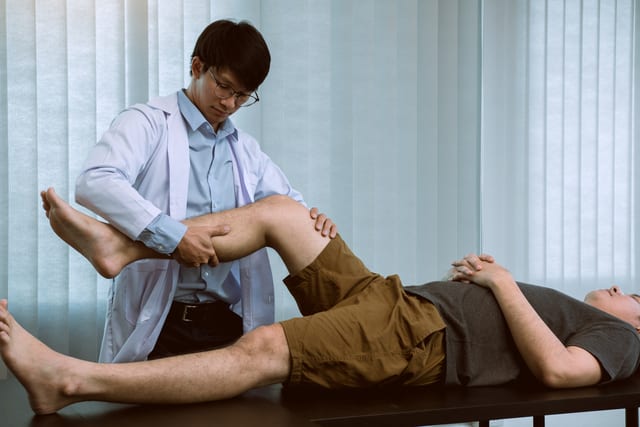
Program 1: Week 0 To Week 2, Calm And Protect
This early program focuses on comfort, swelling control, and safe movement at home. It also sets your baseline so you do not push too fast on good days. Your therapist checks your walking, your incision rules, and how you handle simple tasks like getting out of bed and into the car.
- Walking plan: Short bouts with clear limits and rest breaks
- Swelling control: Elevation habits and gentle muscle pumping
- Range work: Safe motion based on your surgeon’s precautions
- Transfer training: Bed, chair, toilet, and car moves that protect the site
- Stairs practice: Step pattern coaching with rail use
- Home setup: Seat height, shower plan, and simple fall risk fixes
Program 2: Week 2 To Week 6, Restore Motion And Basic Strength
This stage often feels like the turning point. Pain may drop, but stiffness and weakness still show up during errands and longer standing. Your therapist works on smoother movement, so you stop bracing and limping. They also build early strength that supports the joint during daily load.
- Mobility sessions: Joint motion and soft tissue work as allowed
- Strength base: Quads, glutes, calves, and core support work
- Gait retraining: Even steps and reduced limping as you build tolerance
- Sit-to-stand practice: Better control from chairs and low seats
- Balance drills: Simple single-leg and weight shift work
- Activity pacing: Clear rules for walking time and standing time
Program 3: Week 6 To Week 10, Build Capacity For Real Life
This program aims at endurance and control. Many patients can do more by this point, but they still flare after a long shopping trip or a busy day on their feet. Your therapist increases resistance and time under tension. They also add more functional drills, like step-ups and controlled lowering on stairs. One question patients ask is, “Am I supposed to feel sore after PT?” Yes, mild muscle soreness can be normal, but joint pain that spikes and stays up needs a plan change.
Program 4: Week 10 To Week 16, Strength Progression And Confidence
This stage prepares you for heavier daily tasks. Think longer walks, more standing, carrying bags, and returning to gym habits with smart limits. Your therapist also checks movement quality, since poor form can bring pain back even when the joint heals well. This program often includes deeper ranges, higher loads, and longer sessions, based on your tolerance and your surgeon’s timeline.
Program 5: Return To Work And Return To Sport Prep
This program matches your job and your goals. A desk worker may need sitting tolerance, safe lifting from the floor, and better stair capacity. A nurse may need longer standing, pushing, and faster direction changes. A recreational athlete may need controlled jumps, quicker steps, and steady deceleration. Your therapist builds these demands in steps, then tracks how you recover the next day.