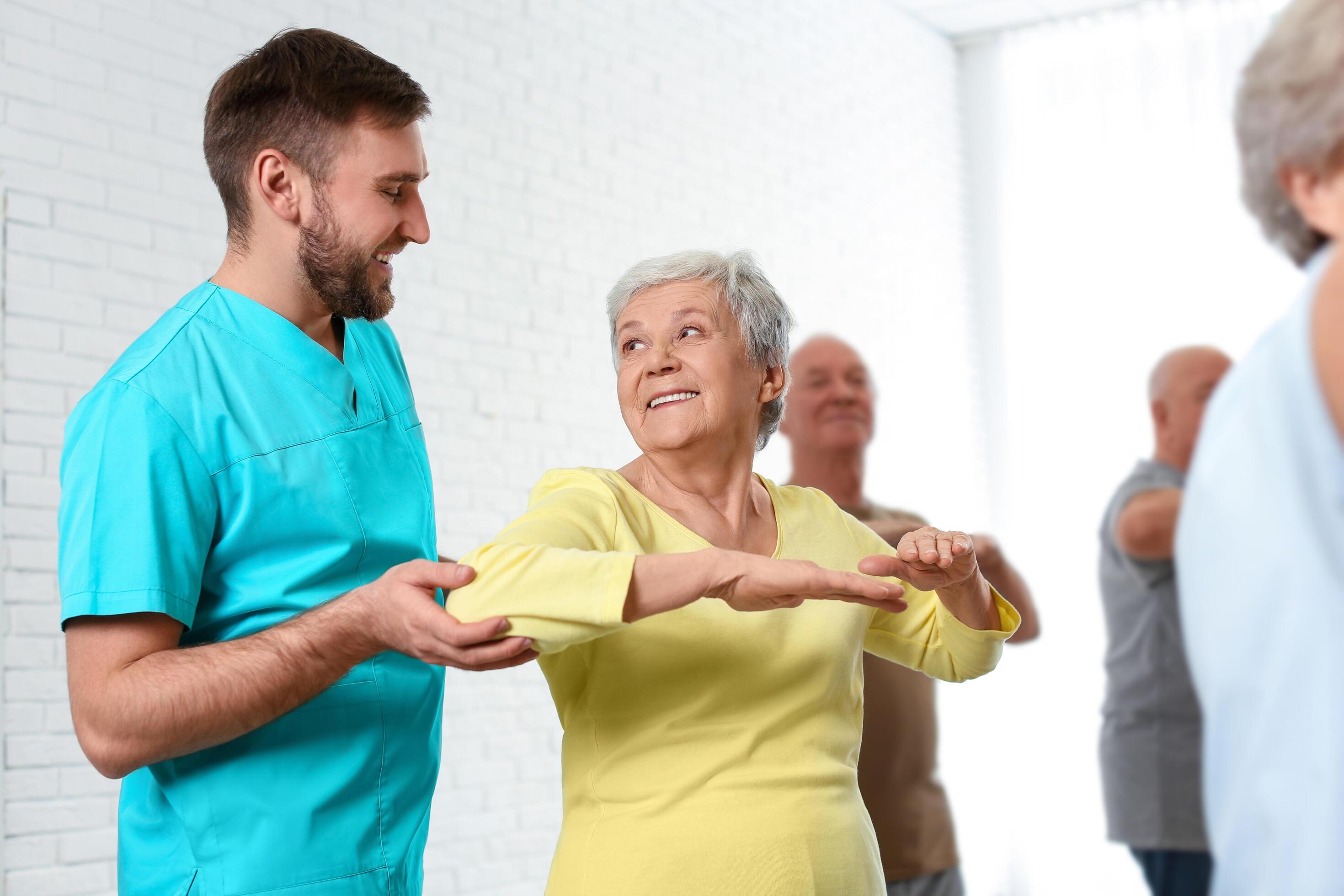
Parkinson's changes how the body moves, and those changes build gradually enough that people often adapt without noticing. Steps get shorter. Turning takes more effort. Getting out of a chair becomes something you think about first. Physical therapy exists to push back against that drift, and the evidence for it is genuinely encouraging.
How Parkinson's Affects Movement
The condition affects the part of the brain that helps produce smooth, automatic movement. The practical results tend to include:
- Smaller movements overall, from shorter steps to smaller handwriting
- Stiffness and rigidity in the muscles
- Slower movement, particularly starting a movement
- Balance changes that raise fall risk
- Freezing, where the feet feel stuck, often in doorways or while turning
What's important here is that these are movement problems, and movement problems respond to movement training.
Why Therapy Helps
The brain retains an ability to adapt and learn, and therapy takes advantage of that. It can't stop the underlying condition, but it can meaningfully improve how you move and how long you hold onto function.
A big part of the approach centers on deliberately large movements. Because Parkinson's shrinks movement without the person noticing, therapy trains bigger steps, bigger arm swings, bigger reaching, and recalibrates the internal sense of what "normal size" movement feels like.
What The Work Includes
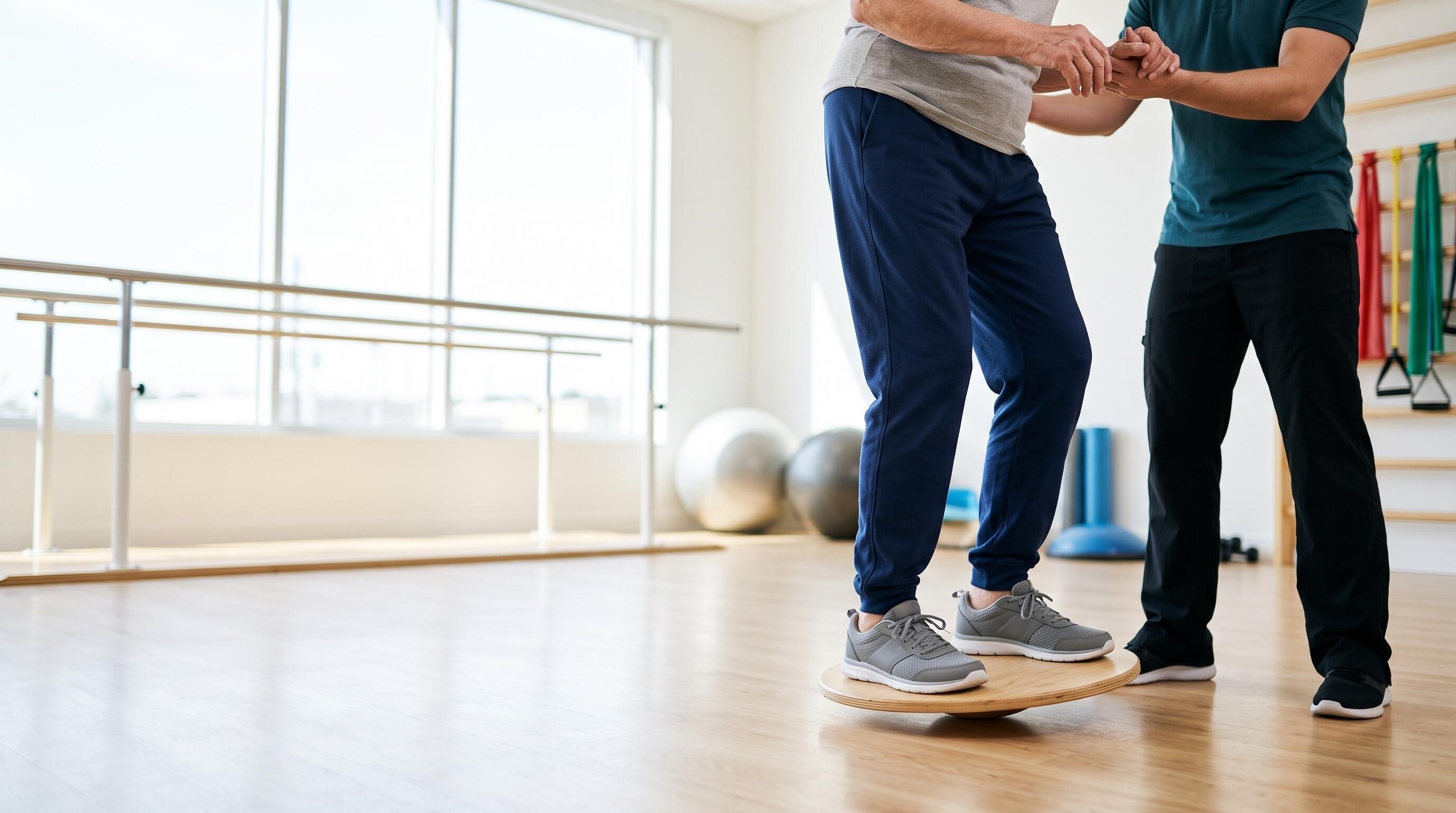
Gait training to lengthen your stride and steady your walking. Balance work to reduce fall risk, which matters enormously. Strength and flexibility work to fight the stiffness and keep you capable. Strategies for freezing, including cues and techniques that get the feet moving again. And practice with the specific daily tasks that have gotten harder, like rising from a chair, rolling in bed, or turning around safely.
Cues Are A Powerful Tool
One of the more useful things therapy teaches is external cueing. Because the automatic movement system is affected, giving the brain an outside signal to work with helps a lot. Counting a rhythm, stepping over a line on the floor, or using a beat to walk to can break a freeze or smooth out a stride. These techniques can be learned and used at home every day.
Bringing Family Into It
Care goes better when the people at home understand the plan. A spouse or adult child who knows the cueing techniques can help in the moment a freeze happens, rather than pulling on an arm, which tends to make it worse. They can also spot hazards around the house and encourage the daily practice that keeps progress moving. We're glad to walk family through all of it.
Starting Sooner Beats Waiting
There's a temptation to wait until mobility is clearly declining. Starting earlier works better. Building strength, balance, and good movement habits while you're still moving well gives you more to draw on as things change, and it keeps you doing the things you care about longer.
Noticing changes in how you or a family member moves? Modern Medicine of Goodyear, AZ can build a program to keep movement going. Reach us by phone or the online booking form.