Stiff hips are easy to ignore because they often don’t hurt where the problem is. You might not feel much in the hip itself. Instead, it shows up as a sore lower back after sitting, a cranky knee on the stairs, a stride that’s lost some length. The hip is one of the biggest, most important joints you’ve got, and when it stiffens up, the trouble tends to land everywhere but the hip. That’s what makes it sneaky.
How Hips Get Stiff
The main culprit is modern life. Sitting. Hours of it, at a desk, in the car, on the couch. A hip held in the same bent position for most of the day slowly loses range. The muscles in front shorten and tighten. The ones meant to power the hip get weak and lazy. Over months and years, the joint just stops moving the way it should.
Add in old injuries, hard training, or simply getting older, and the stiffness sets in deeper.
What Stiff Hips Cost You
Here’s where it spreads. When the hip can’t move through its full range, the body finds the motion somewhere else, and that somewhere else pays the price:
- The lower back picks up movement that the hips should be doing, and starts aching
- The knees take on bad angles when the hips don’t track right
- Your stride shortens, which throws off how you walk and run
- Getting up, bending, and squatting all get harder than they should be
So a problem that lives in the hip ends up billed to the back and the knees. Treat those without addressing the stiff hips behind them, and the relief never quite holds.
Why Stretching Alone Often Isn’t Enough
People try to stretch their way out of tight hips, and it helps a little, but it usually falls short. A stretch can lengthen a tight muscle for a while. It doesn’t build the strength to hold that new range, and it doesn’t retrain the joint to actually use it. So the hip loosens for an hour and tightens right back up.
Real hip mobility comes from a mix of things working together. That’s where therapy comes in:
- Loosening the tight muscles and stiff joint structures holding the hip back
- Strengthening the muscles around the hip so they control the range, not just reach it
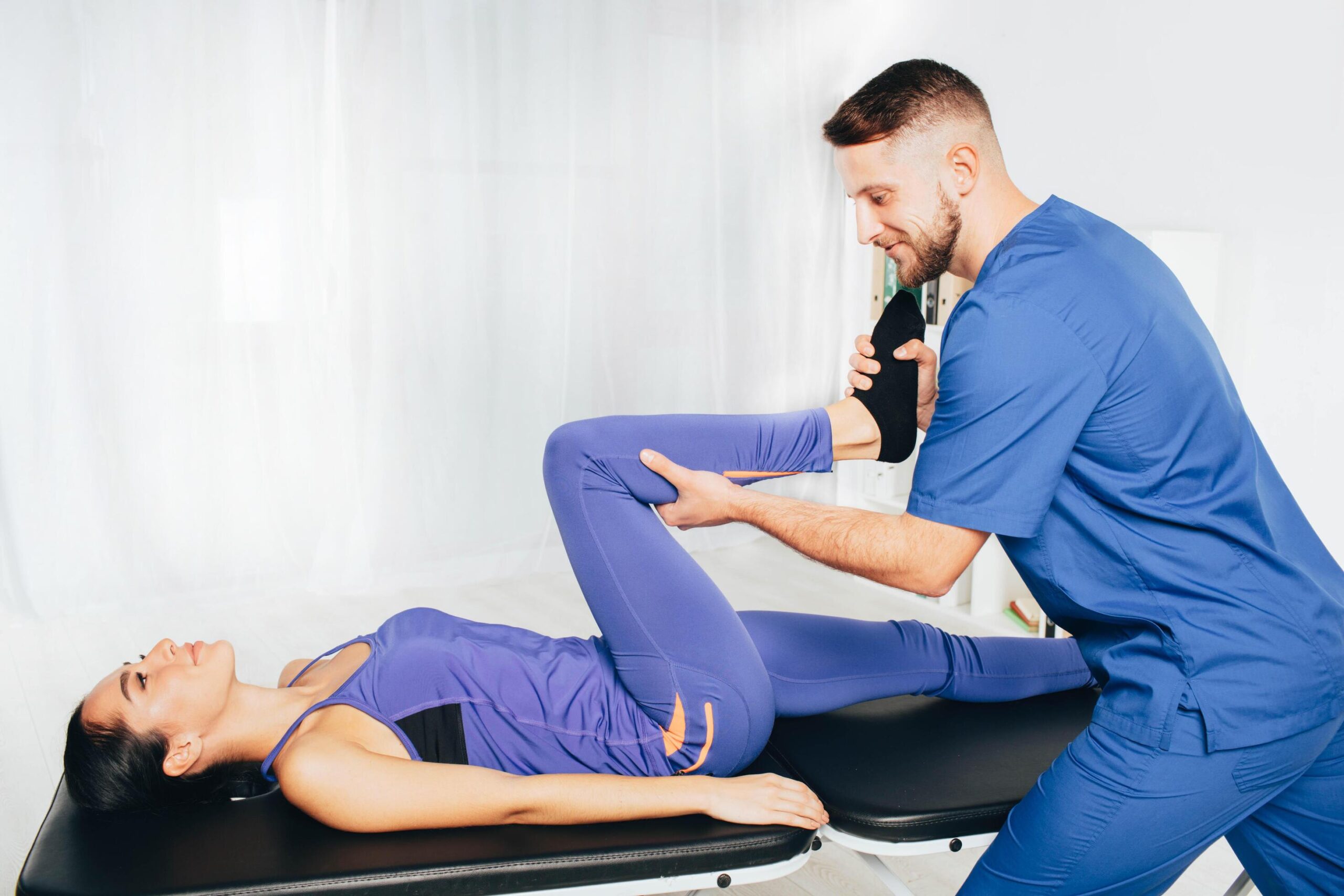
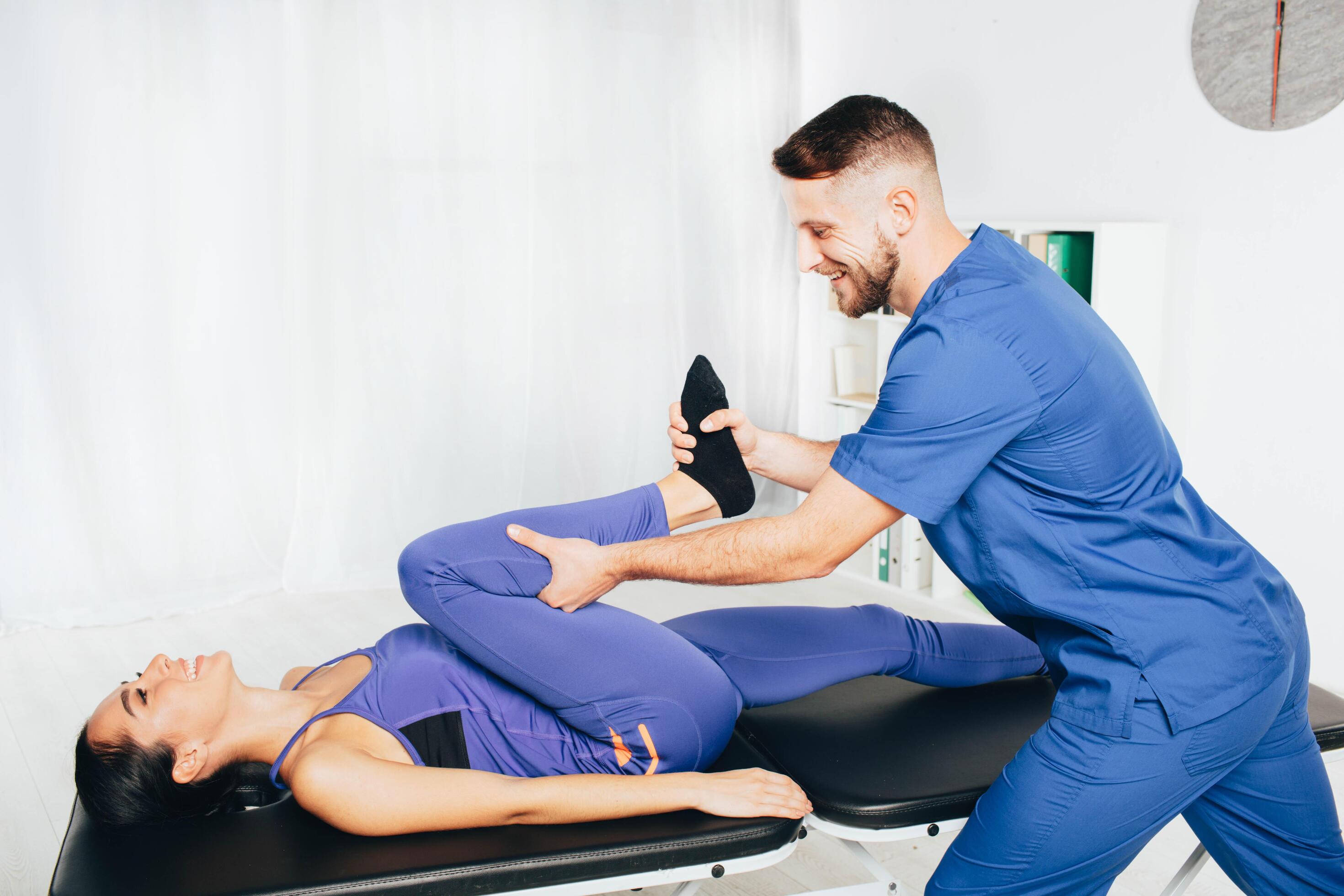
- Hands-on work to free up the joint where it’s genuinely restricted
- Movement retraining, so your body starts using the mobility in real life
Mobility you can hold onto comes from strength backing it up.
When to Get It Looked At
Worth getting checked when sitting leaves your lower back sore, when your hips feel tight getting up after a while, when your stride or squat depth has shrunk, or when knee or back pain keeps returning, no matter what you do for it directly.
If tight hips are quietly causing trouble up and down the chain, Modern Medicine of Phoenix, AZ, can sort out what’s restricted and build a plan to get real, lasting mobility back. A quick call gets it started.