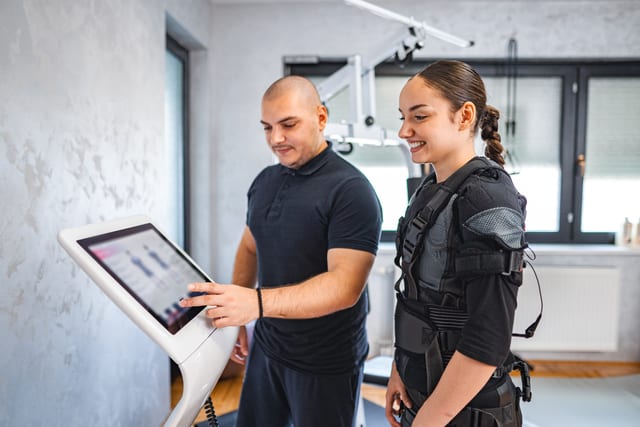
Technology in physical therapy isn’t about replacing hands-on care but is there to support it. Many people walk into a clinic expecting only exercises and stretches. Today’s clinics often use tools that help measure movement, track progress, and make treatment feel easier to understand. This gives you clearer feedback on what’s working and where your body still needs support.
Why Technology Helps
Pain makes movement harder to read. You may think you’re moving evenly when you’re not. You may feel weak on one side and not know how much. Technology gives real information instead of guessing. It shows how a joint moves, how much force a muscle can handle, or how your balance changes from day to day.
Tools You Might See In A Modern Clinic:
- Motion analysis to check movement patterns
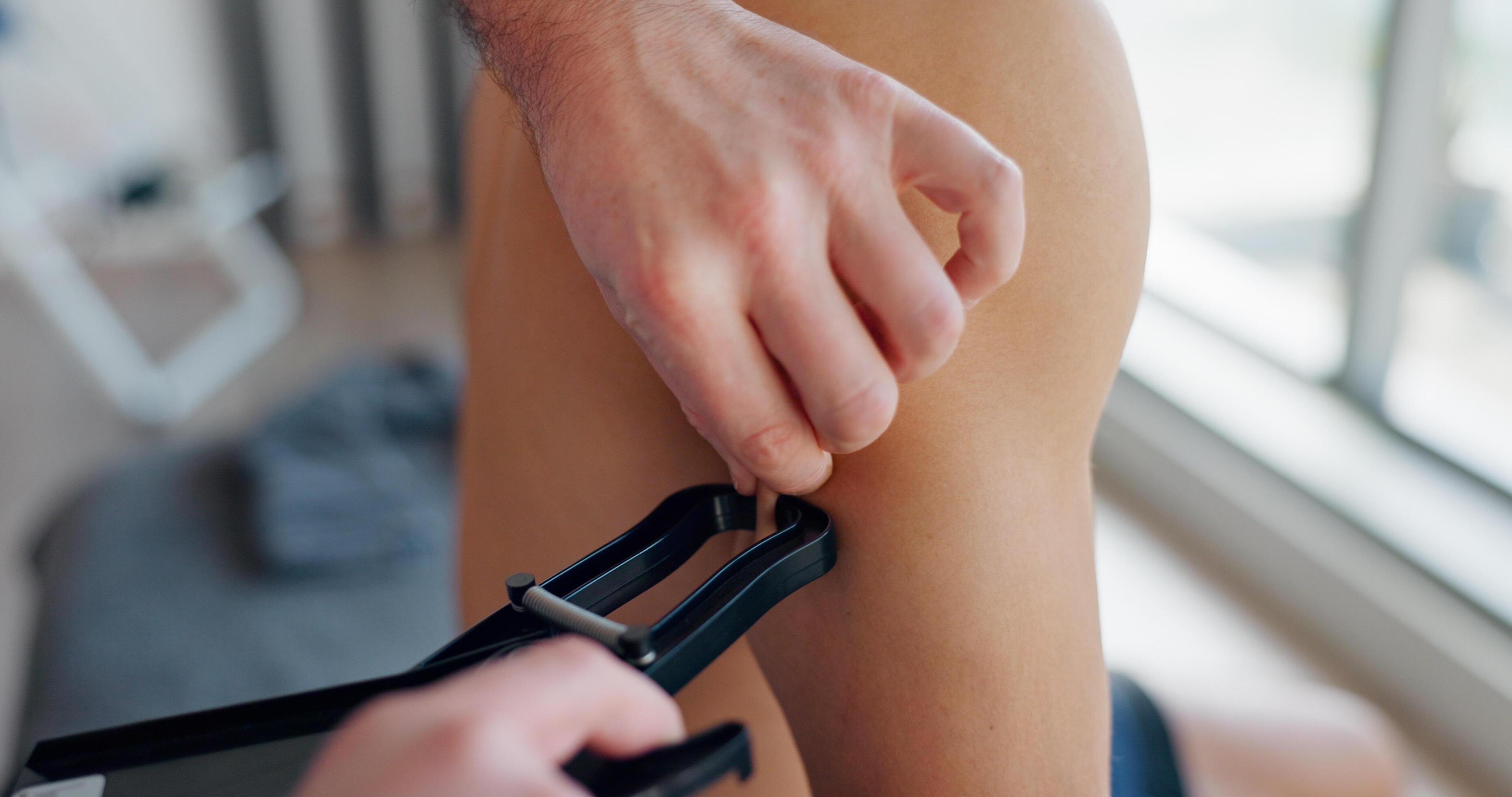
- Handheld strength devices for objective feedback
- Balance platforms that measure sway or control
- Ultrasound for guided injections when needed
- Apps or digital programs for home exercise tracking
How Motion Tools Help
Motion tools show how your body lines up during walking, lifting, bending, or reaching. They help pinpoint the exact moment your knee caves in, your hip drops, or your spine stiffens. This makes your plan more specific and more effective.
How Strength Testing Helps
Strength is hard to judge with the eye alone. Handheld dynamometers let the therapist measure each muscle’s output in real numbers. This helps track progress, spot hidden weaknesses, and decide when it’s safe to increase difficulty.
How Balance Technology Supports Recovery
Balance changes after injury, surgery, or with age. Platforms that measure sway show how steady you are and how much each leg helps. They give clear targets to improve. Even small gains in balance can change how safe you feel walking each day.
Why Tech Helps With Home Programs
Most clinics use apps or online portals now. These tools give you videos, reminders, and ways to track your progress. They keep your plan organized, so you’re not guessing how many reps you did last week. They also help you stay consistent, which is one of the biggest pieces of recovery.
Why Technology Won’t Replace Hands-On Care
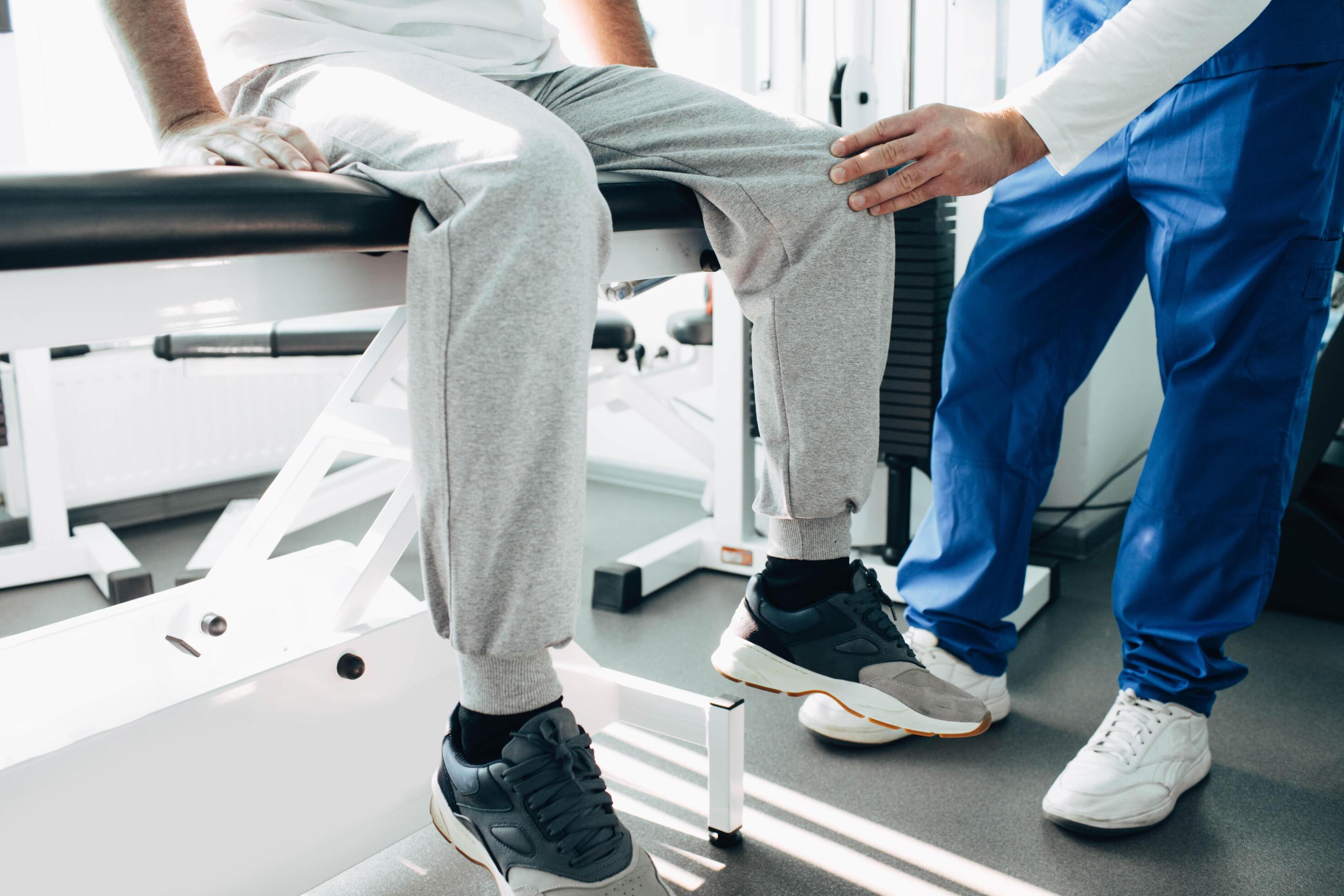
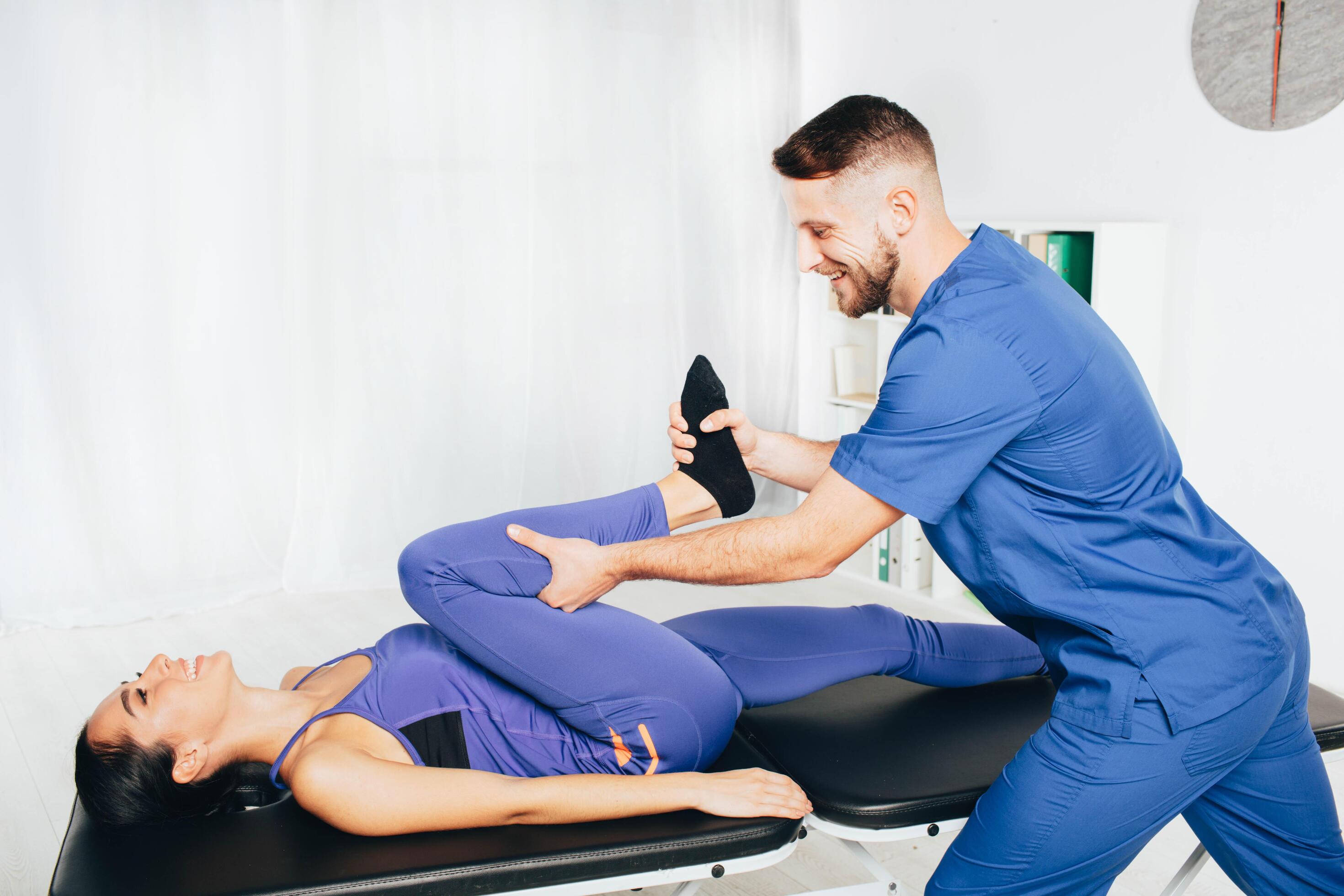
Tools help measure and guide. They don’t replace the therapist. PT still depends on experience, skilled hands, and knowing when to push or pause. Technology adds clarity. The therapist adds judgment and human understanding. You need both to recover well.
How Technology Helps After Injury
New injuries come with swelling, stiffness, and fear. Tech makes it easier to understand what your body is doing. It offers real feedback about progress, even on slow days. That reassurance helps keep you moving instead of pulling back.
How It Helps During Post-Surgical Rehab
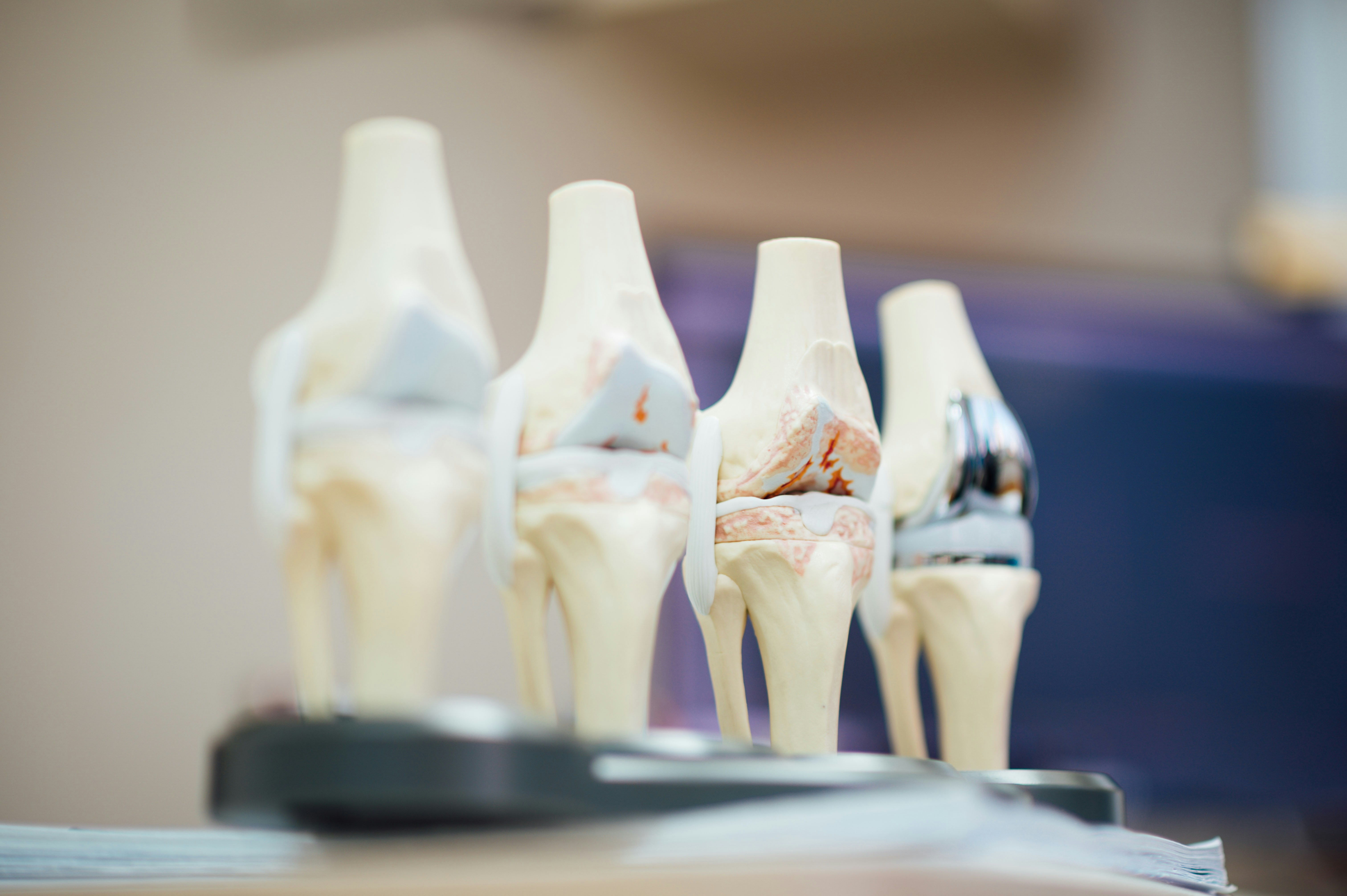
After surgery, every degree of motion matters. Every bit of strength counts. Tools help track these changes, show what’s improving, and point out what still needs work. This helps your plan adjust quickly so you stay on the right path.
If you want care that blends hands-on treatment with technology that tracks real progress, reach out to Modern Physical Therapy & Sports Medicine of Phoenix, AZ. Schedule your visit and experience how modern tools support better healing.