What Are Degenerative Disc Conditions?
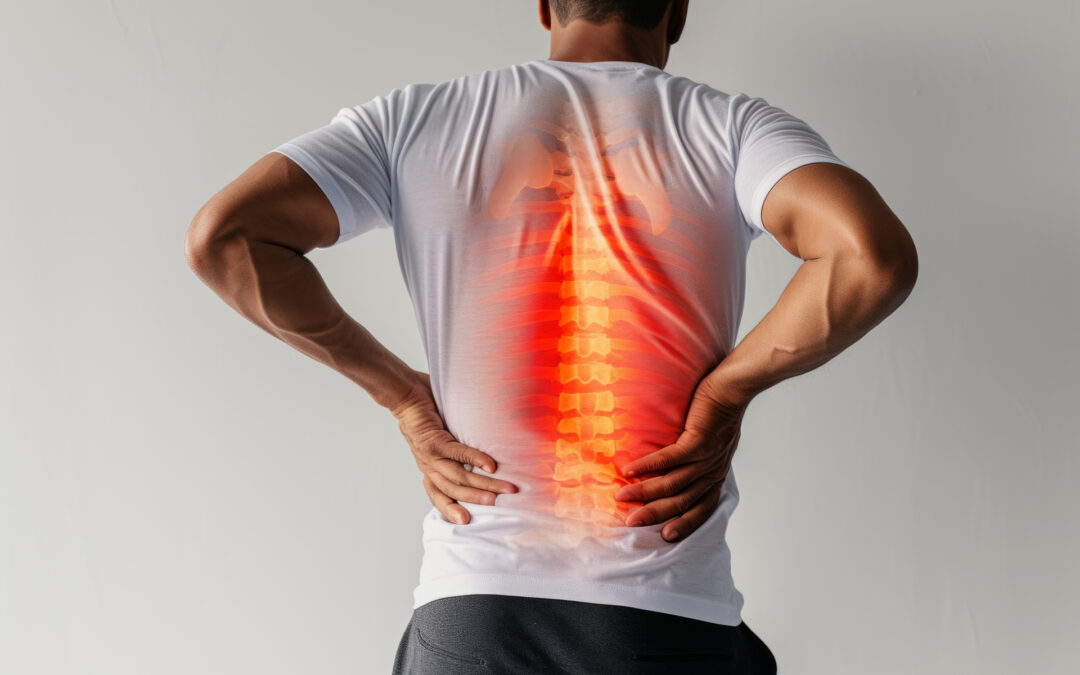
Your spinal discs sit between the bones of your spine and act like small cushions. With time, discs can lose some water content and height. That change often shows up on imaging as “degenerative disc.” The phrase sounds alarming, but for many people, it’s a common age-related finding.
The frustrating part is the mismatch. Some people have obvious disc changes and feel fine. Others have mild findings and still struggle. So the scan label is only one piece of the puzzle.
What an Orthopedic Evaluation Helps Clarify
Most people want straight answers. Why does it flare up after certain days? What movements are safe right now? What should you stop doing, and what should you keep doing, so you don’t get weaker? Are nerve signs part of this? A thorough evaluation helps connect symptoms to patterns, so you’re not stuck trying random fixes.
Treatment Option: Targeted Physical Therapy for Spine Support
PT often becomes the core of treatment because it changes how your spine handles load. Instead of the lower back taking the hit for everything, therapy builds support through the hips, core, and trunk control. PT also addresses stiffness that forces compensation, like tight hips or a stiff upper back.
The point isn’t to avoid movement. It’s to make bending, lifting, walking, and sitting feel less risky again.
Treatment Option: Activity Adjustment That Doesn’t Shut Life Down
Many people bounce between resting too much and pushing through. Both can keep pain hanging around. A better plan is pacing, breaking up long sitting, changing how you lift and carry, and building activity back in steps your spine tolerates.
This keeps you moving while symptoms calm, instead of restarting from zero after every flare.
Treatment Option: Medication and Pain Control When It Helps You Move
Pain control isn’t the end goal, but it can help when pain blocks sleep or makes rehab impossible. Providers may recommend anti-inflammatory options or other non-surgical pain strategies based on your health history. The goal is to use relief to support movement and recovery, not to replace them.
Treatment Option: Injections for Specific Cases
Some patients benefit from injections when inflammation is high or when pain prevents progress. Think of it as a short-term window. If symptoms calm enough for you to strengthen and move better, results often last longer than the injection itself. Injections tend to work best when paired with rehab.
Get Help for Degenerative Disc Pain at Modern Physical Therapy & Sports Medicine of Phoenix, AZ
If back or neck pain is limiting your life, you don’t have to guess your next step. Schedule an evaluation with Modern Physical Therapy & Sports Medicine of Phoenix, AZ and get a clear plan focused on relief, movement, and function.