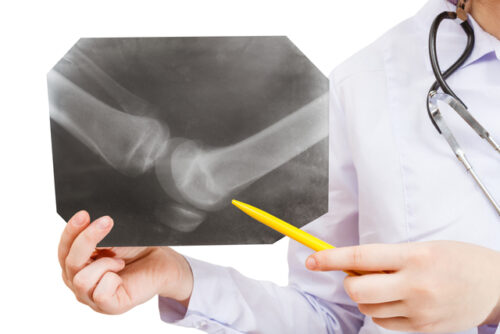
The first phase of any injury makes sense. Rest it. Protect it. Let the acute inflammation settle. That part is right.
The problem is that most people stay in that phase too long. The pain decreases, so the injury feels handled. Activity slowly resumes. And then three weeks later, the same thing flares up again, or something adjacent to it gives out, because the original weakness never got addressed.
Rest does not rebuild muscle. It does not retrain movement. It does not restore the strength and stability that the injured area needs to handle real loads again. It just reduces the immediate problem long enough to feel like progress.
What Happens to Strength After an Injury
Muscle inhibition kicks in around an injury site almost immediately. The nervous system reduces activation to protect the area. Within days,the surrounding muscles are doing less work than they were. Within weeks, there is measurable strength loss that does not reverse on its own just because the pain has settled.
For injuries that involve immobilization, the loss is more significant. A few weeks in a brace or boot and the muscle tissue around that joint has atrophied in ways that take deliberate, structured work to reverse.
That lost strength is not a minor detail. It is usually the reason the same injury keeps coming back.
What Strength Restoration Actually Involves
Early on, the priority is getting the inhibited muscles firing again. Not loading them heavily. Just reconnecting the movement patterns that shut down around the injury. This phase feels underwhelming to most patients. It should. Pushing too hard here sets things back.
As activation improves, the load increases progressively. Controlled resistance work through an increasing range. Single joint movements give way to compound ones. The injured area gets challenged in ways that simulate real-life demands rather than just isolated gym exercises.
Later sessions focus on the specific things the patient needs the body to handle. A Paradise Valley resident who plays tennis at a private club has different demands than someone recovering from a hip replacement who wants to walk the neighborhood comfortably. Both need strength restoration. The endpoint and the path look different.
Why Movement Quality Matters as Much as Strength
Building strength on top of a broken movement pattern does not work.
If the body learned to compensate for the injury, those compensations are still running even after the pain is gone. Loading them with resistance just makes them stronger. The knee that tracks inward during a squat, because the hip never got properly rehabbed, does not get better from doing more squats. It gets worse.
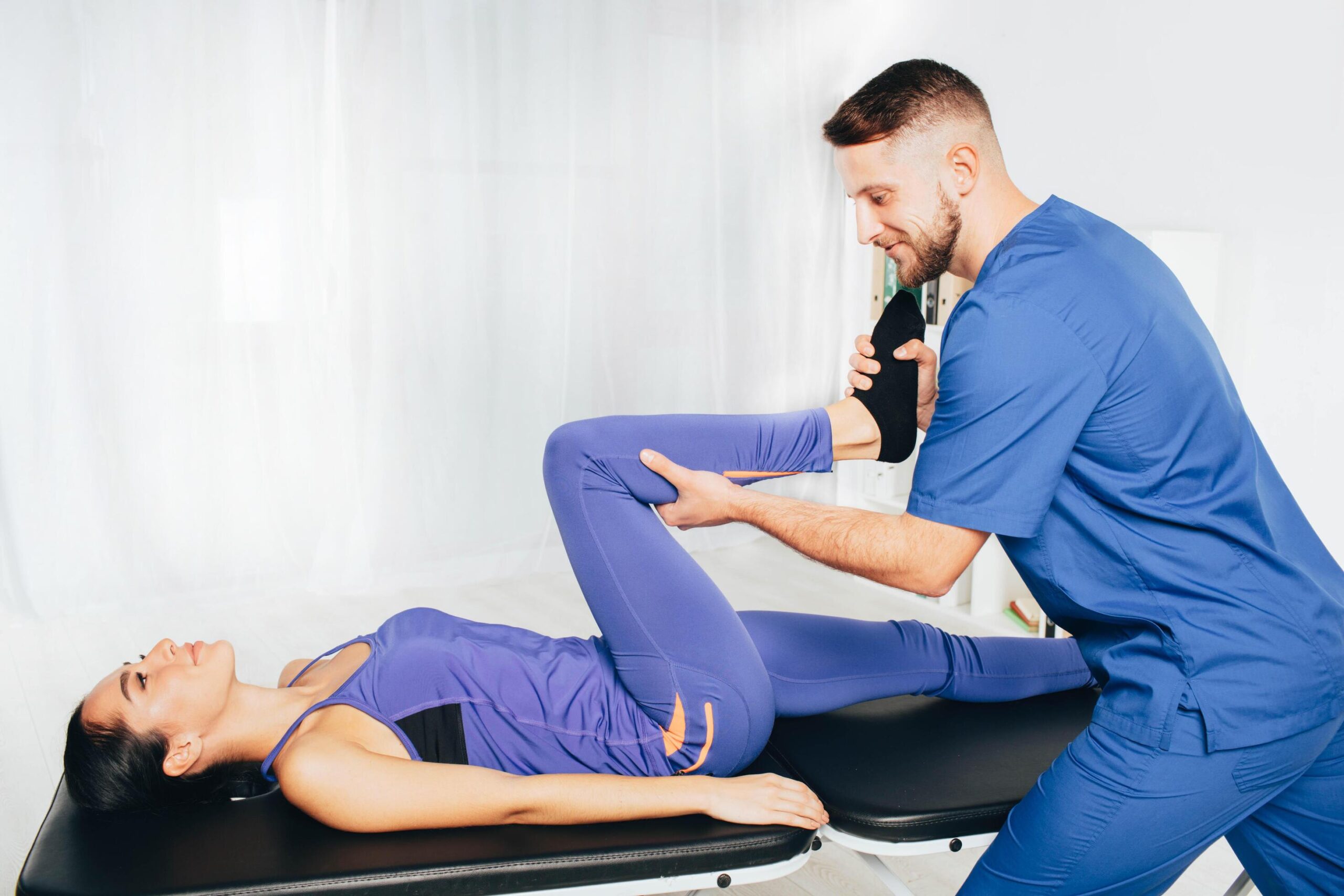
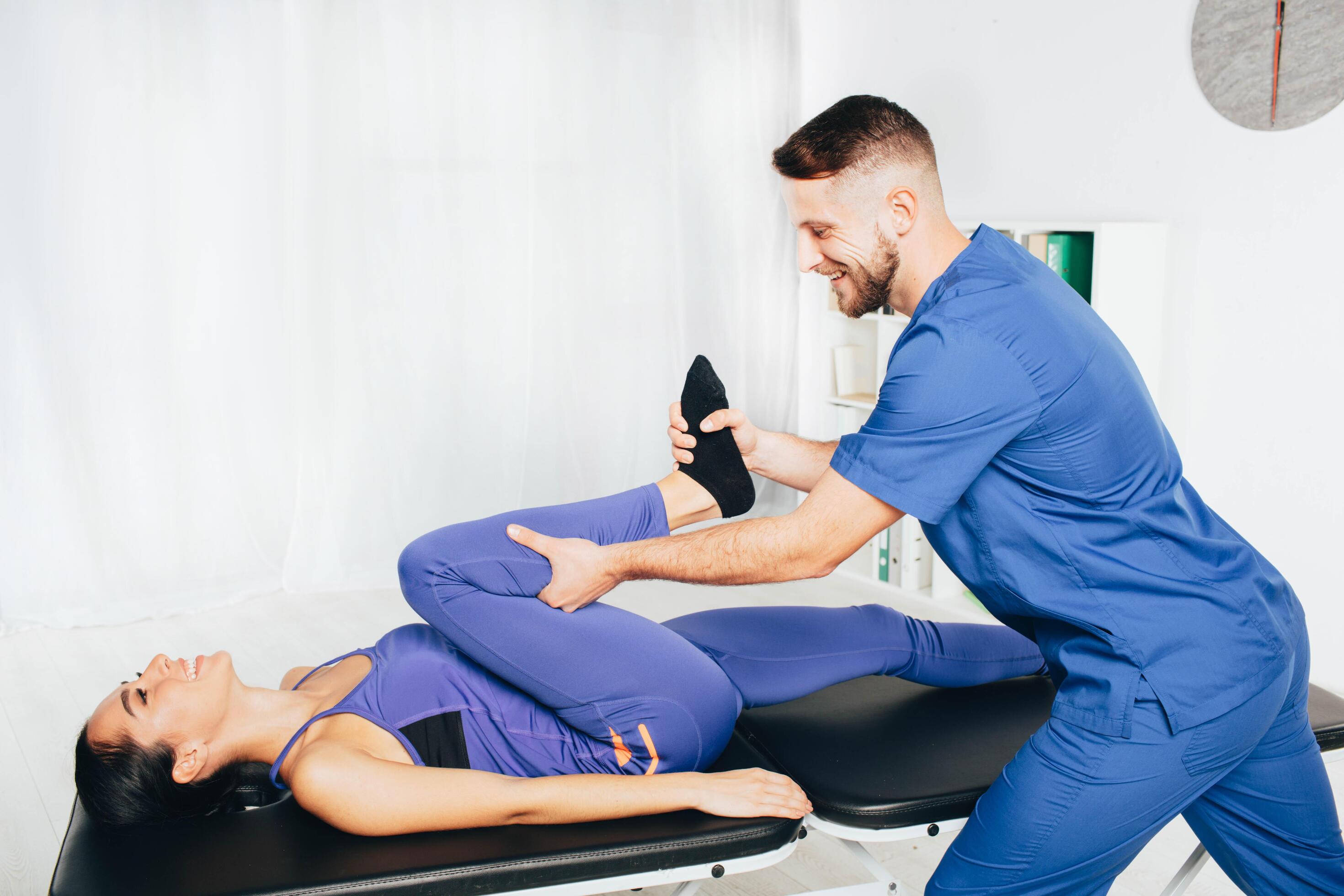
A physical therapist assesses movement quality alongside strength at every stage. Correcting the pattern is part of the work, not a separate project.
Getting Back to Full Function
Partial recovery is common. Full recovery is possible with the right work.
If you are dealing with an injury in Paradise Valley that has not fully resolved, reach out to Modern Medicine of Phoenix, AZ, to schedule a physical therapy evaluation and find out what proper strength restoration actually looks like.