What “Muscle Imbalance” Actually Means
A muscle imbalance is usually a work-sharing problem. One area keeps taking on jobs it was never meant to do all day. Another area checks out. You can stretch the “tight” spot forever and it still comes right back, because the tightness is often the body’s way of creating stability when it does not trust the system.
A few common examples: a neck that takes over for a weak shoulder blade, a knee that caves in because the hip is not stabilizing well, or a low back that stays tense because the hips and core are not carrying their share.
How Muscle Imbalances Usually Start
Most of the time, this builds slowly. Sitting a lot can reduce glute and hip support. Repeating the same workout patterns with poor control can reinforce the same compensations. Old injuries matter too, even if they “healed,” because you may still move around them without noticing. Fatigue plays a role as well. When muscles get tired, form slips, and the body starts borrowing help from the wrong place.
Signs an Imbalance Might Be Driving Your Pain
Muscle imbalance problems tend to feel familiar. The same spot tightens every time. The same joint gets irritated. It might be:
- One side always feels weaker or less stable
- Pain that returns as soon as you ramp up activity
- A strain that keeps happening in the same area
- A shoulder, knee, hip, or low back that feels “overworked” after normal workouts
- Stretching helps for an hour, then the tightness comes right back
How Sports Medicine Finds the Real Weak Link
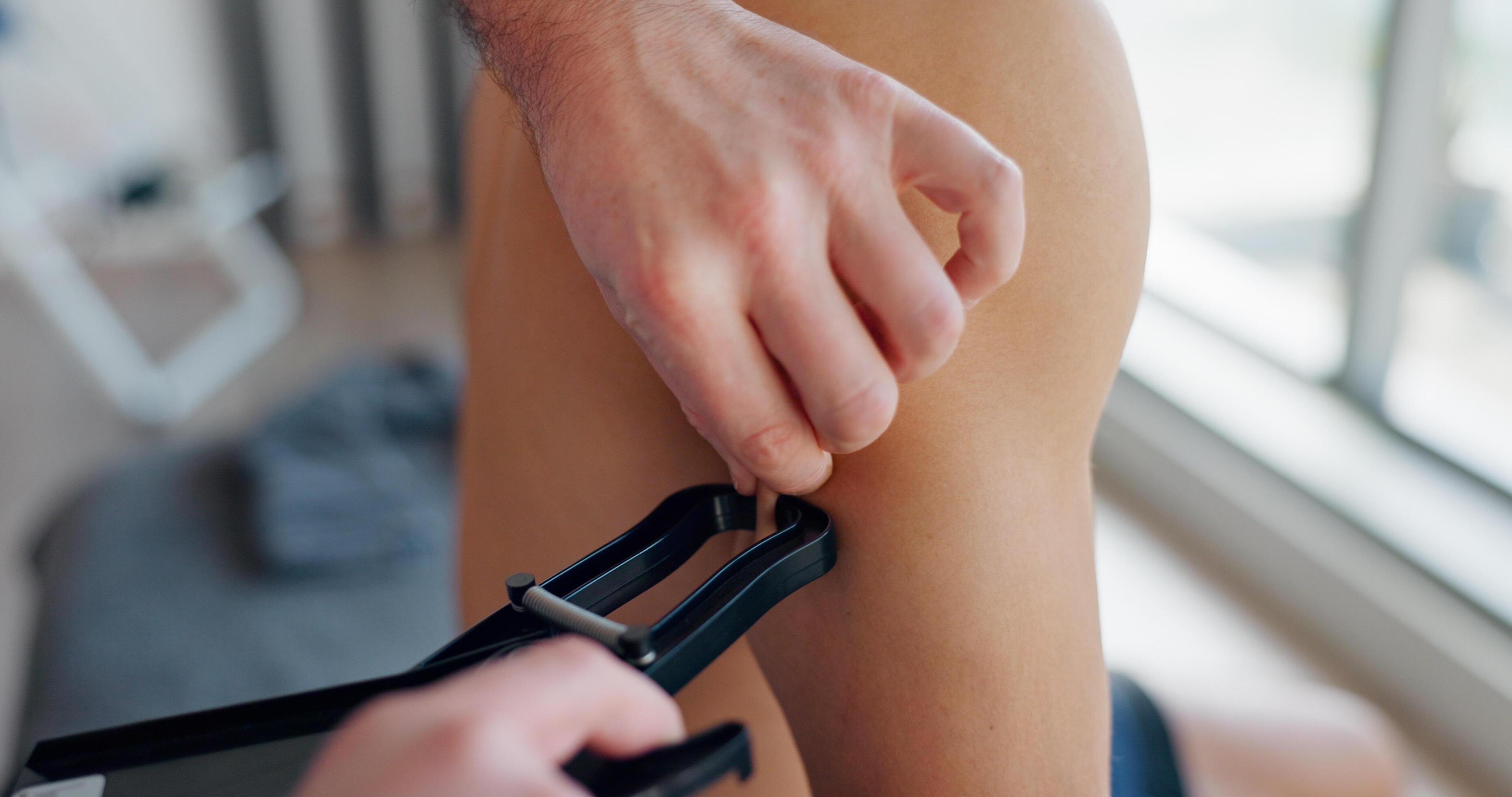
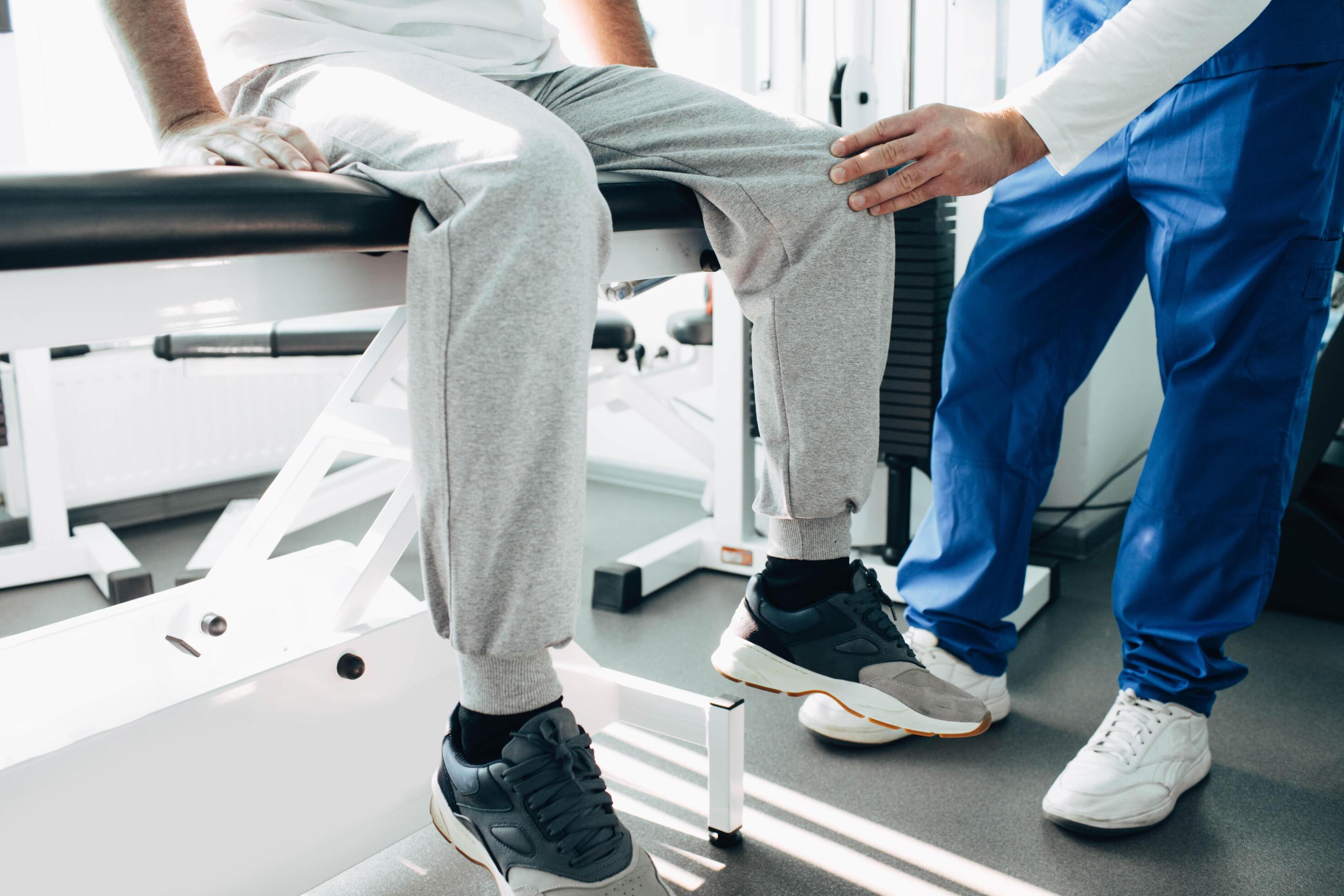
Sports medicine care looks at what you do, not just where you hurt. We watch how you squat, hinge, press, rotate, step, and balance. We compare strength side to side and look at endurance, not just one rep. We also check mobility in areas that often drive compensation, like ankles, hips, and the upper back.
Sports Medicine Treatment Options That Correct the Pattern
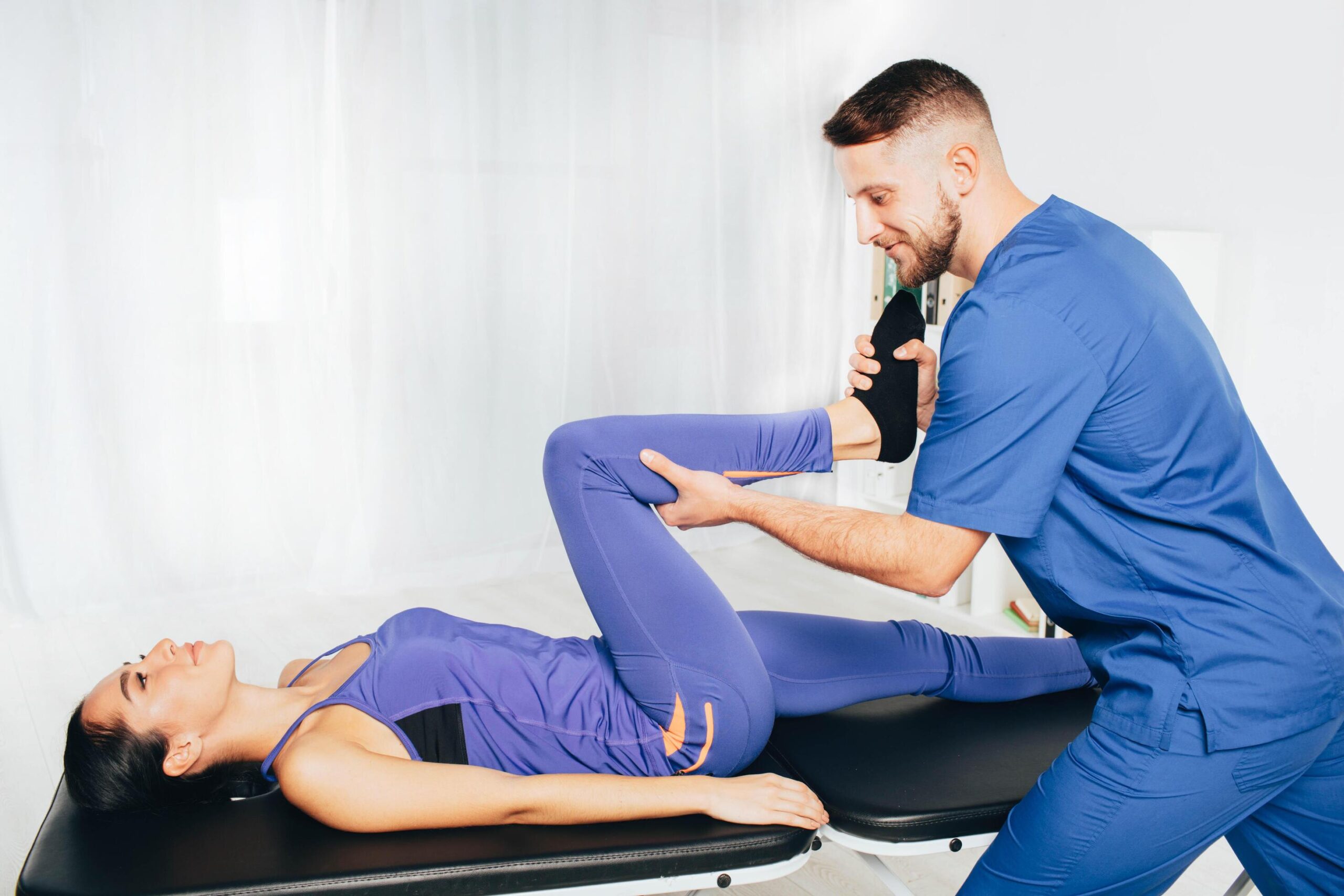
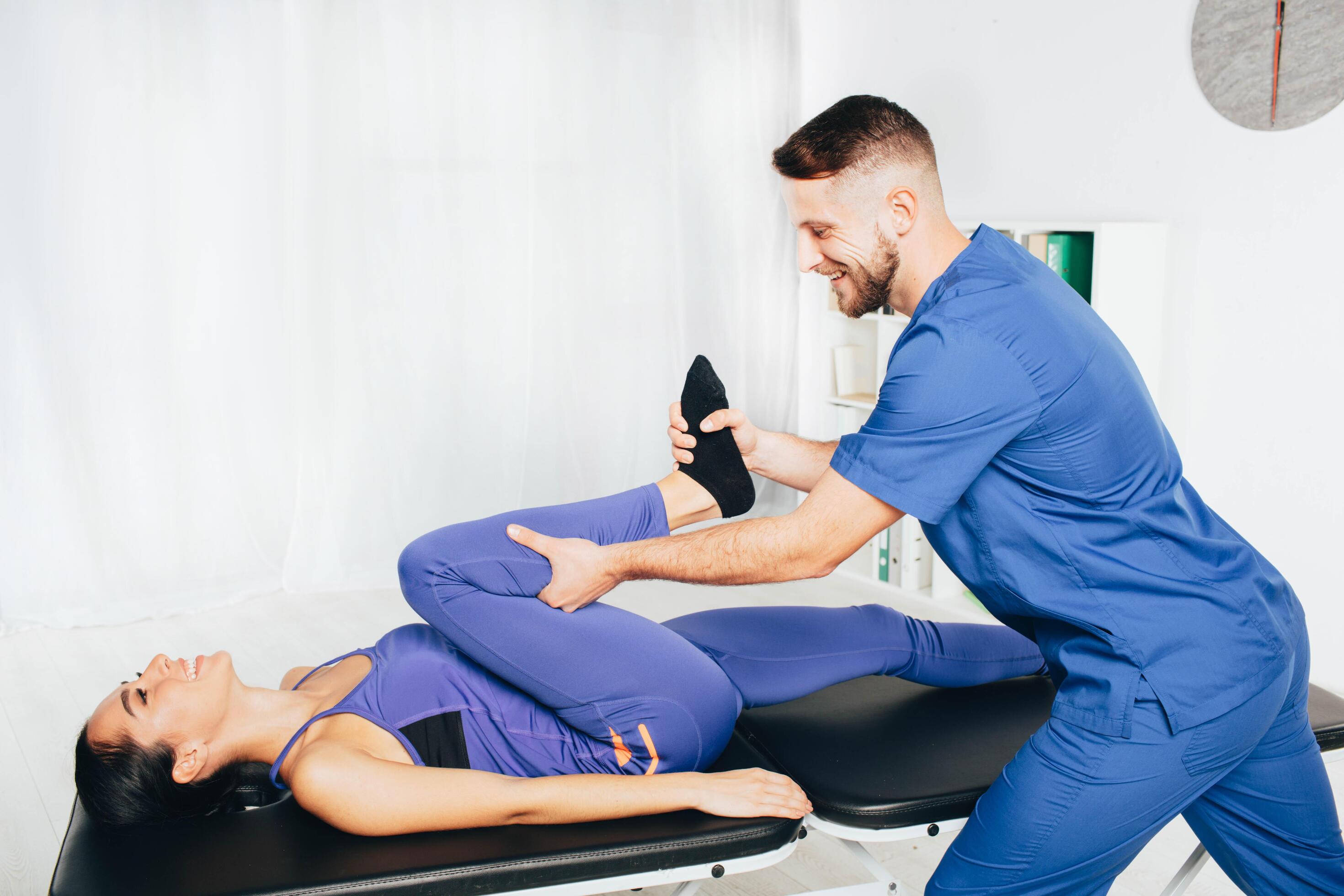
Once we know the pattern, the plan becomes specific. Treatment often includes progressive strength work with coaching, stability training for hips or shoulder blades, core control work that transfers into lifting and sport, and mobility work where stiffness is forcing you to move poorly. The goal is to rebuild clean movement under real load, then progress you back to the activity that keeps triggering symptoms, without repeating the same breakdown.
What Changes When the Imbalance Improves
When the right muscles start doing their job again, the “tight” area usually stops acting like it has to protect you. People often notice they recover faster after workouts, feel less lopsided, and stop bracing through the same joint. It can also reduce those random flare-ups where one normal day suddenly turns into a setback.
When to Get Checked at Modern Physical Therapy & Sports Medicine of Phoenix, AZ
If you keep having the same strain, the same recurring tightness, or pain that returns every time you increase intensity, it’s worth getting evaluated. These problems are usually easier to fix when they’re still a pattern, not a long-term habit.
Book an appointment with Modern Physical Therapy & Sports Medicine of Phoenix, AZ, and get a clear plan to rebalance strength, clean up movement, and train without repeat setbacks.