Why the First Weeks Matter More Than People Realize
The body starts adapting the moment surgery is over. Not always in useful ways.
Muscles shut down around the surgical site. The nervous system reduces activation to protect the area. Movement patterns shift to avoid discomfort. These are automatic responses and they happen fast. Left alone, they become the new baseline and that baseline gets harder to shift the longer it sits.
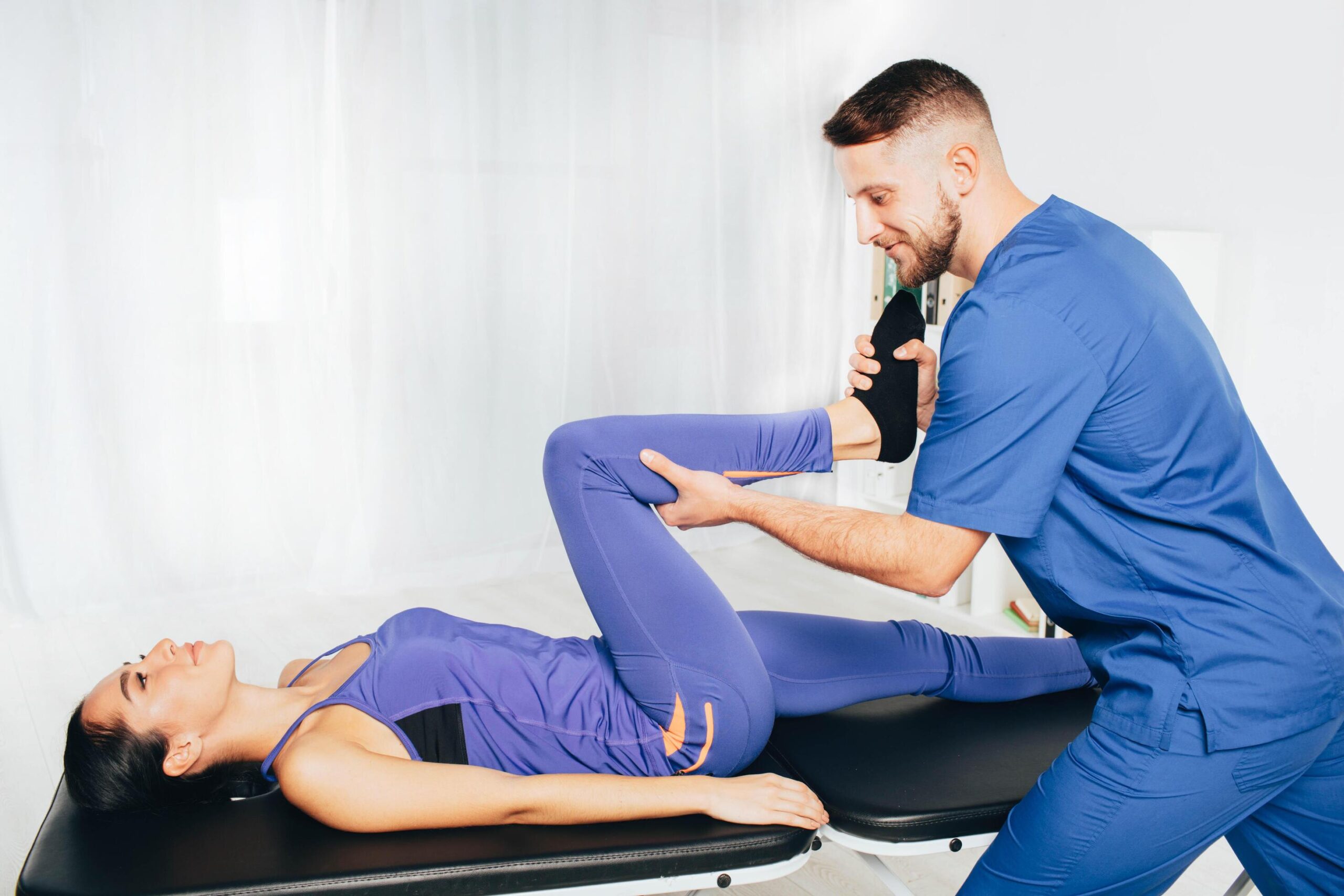
Getting into physical therapy within the window the surgeon recommends interrupts those patterns early. Range of motion worked on in week two is far easier to restore than the range of motion that has been stiff and guarded for six weeks.
What the First Few Appointments Look Like
Nothing like what most people picture.
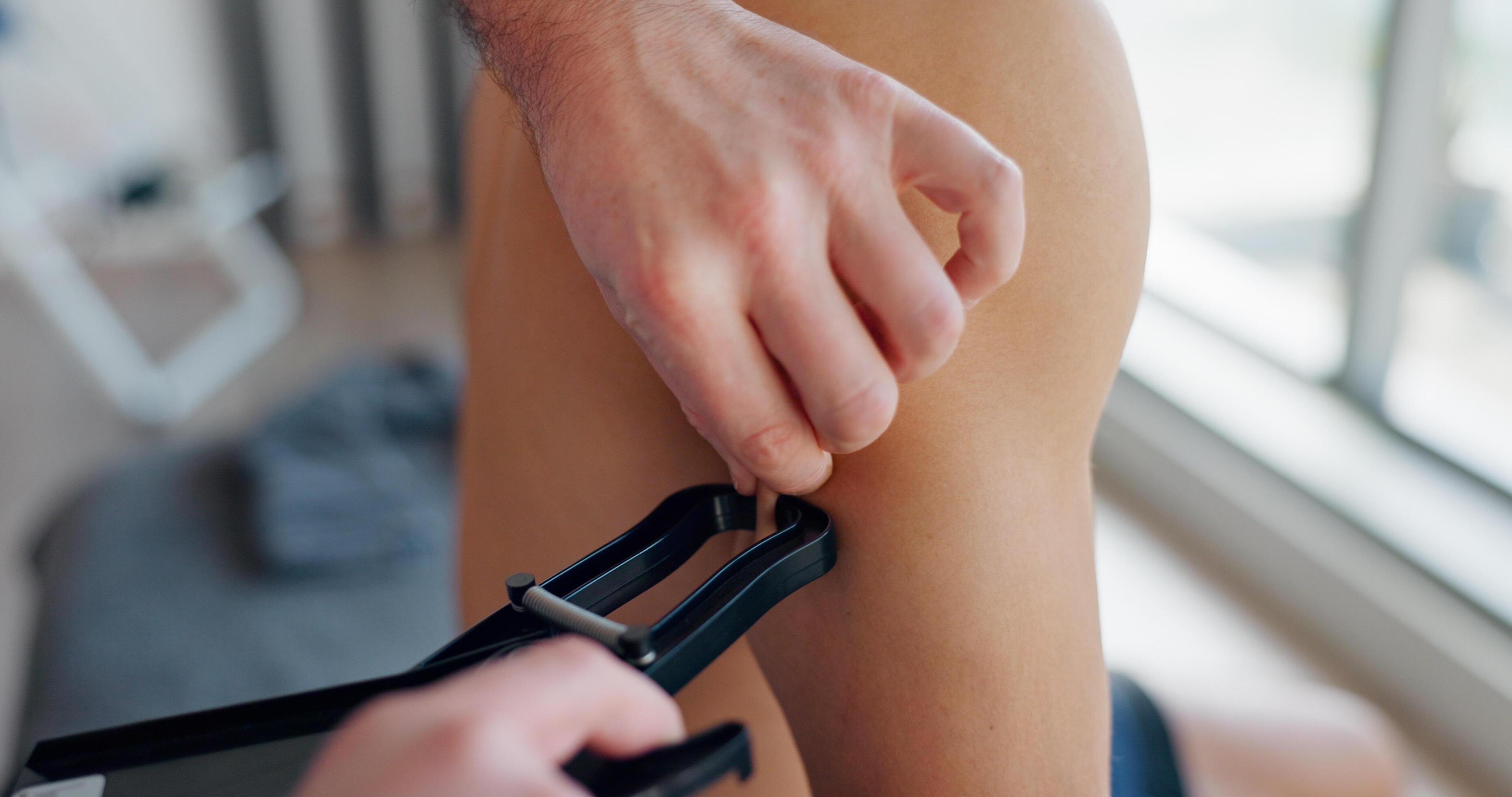
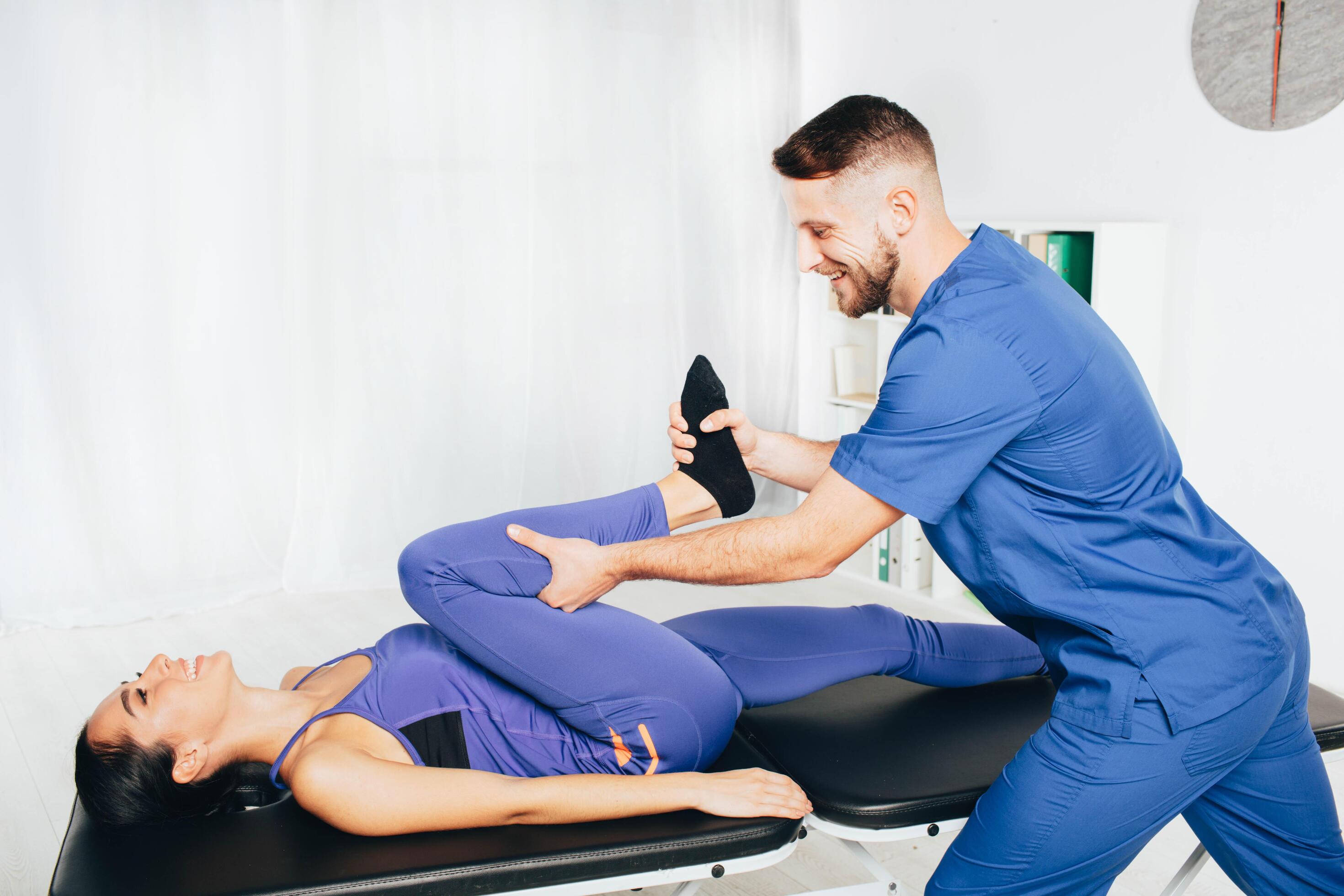
No pushing through pain. No heavy work. Early sessions are quiet. Assessment, gentle movement, starting to wake up the tissue and muscle around the surgical site.
The therapist watches how the patient moves, where things are guarded, and what the starting point actually is. Two patients with the same procedure two weeks out can look completely different. One is ahead of schedule. One is struggling to get the basic range back. The plan starts where the patient actually is, not where the protocol says they should be.
Swelling management runs through the whole early phase. A surgical site that stays inflamed slows muscle activation and holds everything else back.
How Things Build From There
Once early swelling settles and basic movement returns, the work gets harder.
Strength becomes the focus. Progressive loading through the repaired area in a controlled way. Balance and coordination work. Movements that start resembling actual daily life rather than isolated drills.
For patients with active lives, that means getting back to hiking trails, a physical job, or just being able to get through a normal week without the surgical site being the thing that limits every decision.
Progress is not clean. A harder session leaves things sore the next morning. A more active day brings swelling back. That is healing. It is not a signal to stop. It is information to share with the care team so the plan can adjust accordingly.
What Patients Usually Worry About
A few things come up consistently:
- Whether pain during sessions means something is wrong
- When driving and working become realistic again
- What to do between appointments to keep things moving
- Whether they will actually get back to where they were before surgery
These are fair questions and they deserve direct answers. A good therapist gives them without sugarcoating the timeline. Knowing what the road looks like makes it easier to stay on it through the harder stretches.
What Separates Good Rehab From Going Through the Motions
Showing up is the baseline. What actually drives outcomes is the quality of the plan and how closely it gets adjusted to match real progress.
Generic protocols applied the same way to every patient produce average results. A plan built around the specific surgery, the specific patient, and the specific goals that matter to that person produces better ones.
Post-surgical rehab done right does not just get someone back to where they were. It gets them there without the compensations and secondary problems that come from a recovery that cuts corners.
Contact Modern Medicine of Phoenix, AZ to set up an evaluation and build a recovery plan worth following.