Tip: Protect Full Knee Straightening Early
Aim for a knee that straightens fully each day. Straightening supports walking form and reduces a limp. Use short sessions, then repeat them. Place the heel on a firm surface and let the knee relax into a straight position. Keep the hold calm, not forced. Track the feeling at the back of the knee, not just the front.
Tip: Treat Swelling Like A Daily Task
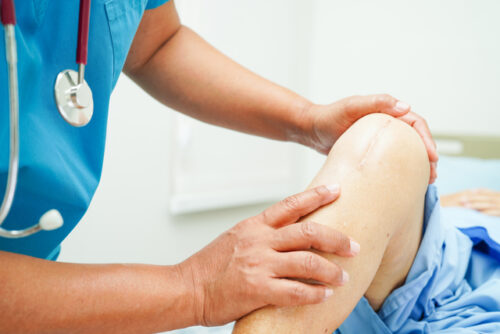
Swelling can block motion and slow strength gains. Check the knee at the same time each day. Compare the knee to the other side and note changes. Use elevation with the ankle above the heart level for short blocks. Add ankle pumps during rest to help fluid move. Keep walking steadily, not spiky, so swelling stays lower.
Tip: Walk Often, But Keep It Short
Walking trains the new joint and restores confidence. Start with short walks that end before pain spikes. Spread walks across the day and avoid one long push. Use a cane or walker as long as you need, even steps. A smooth gait matters more than speed. Add steps each week in small amounts.
Tip: Use Stairs WithA Clear Pattern
Stairs feel hard early on, so use a safe plan. Step up with the stronger leg first. Step down with the surgical leg first. Hold the rail and move slowly. Practice a few steps each day, not a full flight at once. Focus on knee control, not knee speed.
Tip: Train The Quadriceps Every Session
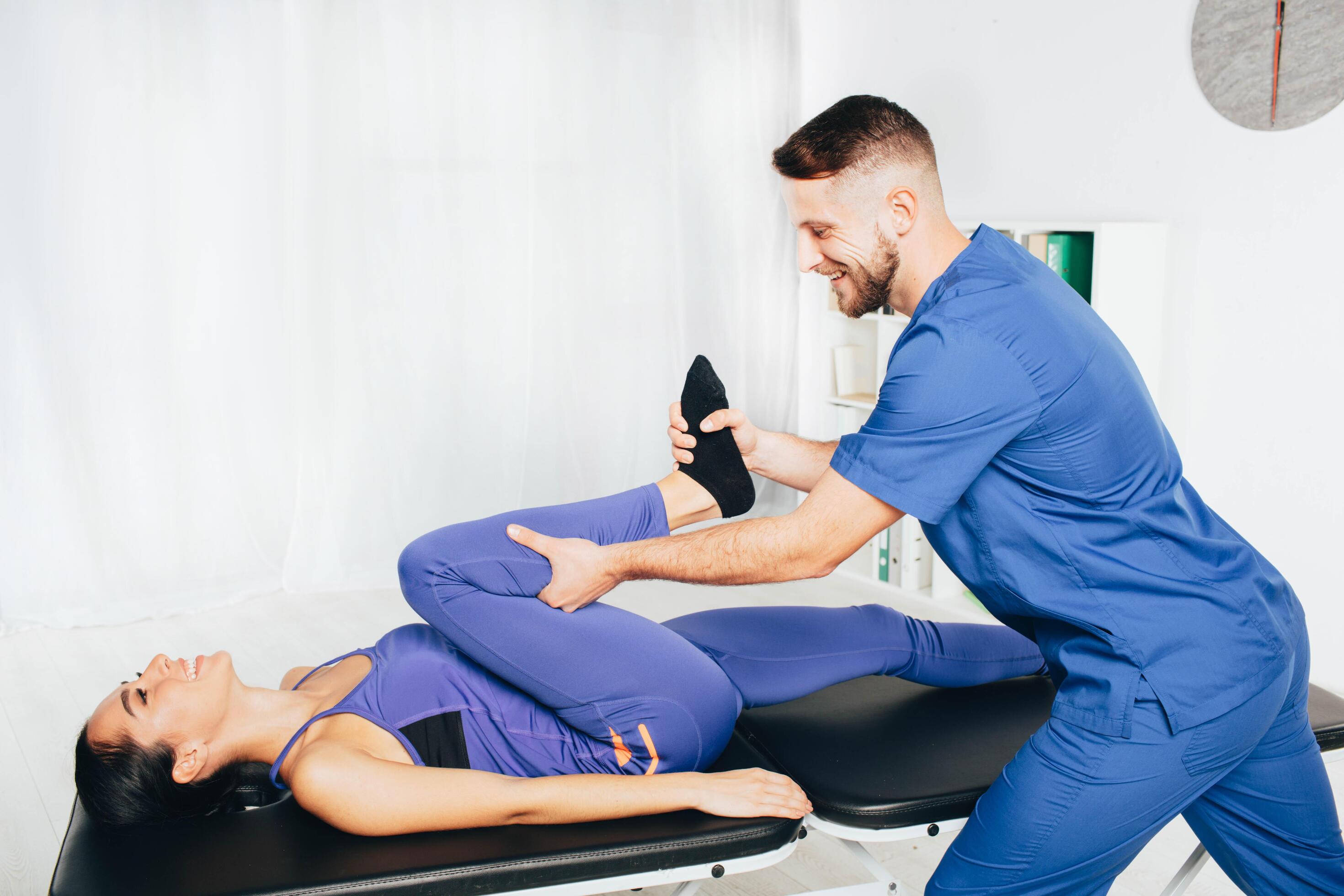
Quad strength drives standing, walking, and stair work. Weakness in the quad can keep the knee unstable. Use simple drills and repeat them daily. Sitting or standing from a firm chair builds real-life strength. Straight leg raises build control once pain stays low. A therapist can adjust load and form as you progress.
Tip: Follow A Daily Home Routine Checklist
Keep your routine simple and repeatable. Use a short list and mark it off each day.
- Two to four short walks spaced across the day
- Heel slides for knee bend, slow and controlled
- Heel prop holds for knee straightening
- Sit to stand from a chair, steady pace
- Ice or elevation blocks after activity
- Sleep position support with pillows as needed
Tip: Expect Good Days And Manage The Next Day
A good day can tempt a big jump in activity. Big jumps often lead to a swollen next day. Add one change at a time, then watch the next morning. Track sleep, stiffness, length, and walking comfort. Keep notesfor your PT visits. Those notes help fine-tune the plan.
Tip: Know When Pain Signals A Problem
Pain during rehab has patterns. Muscle effort and mild soreness can feel normal. Sharp pain in the joint line needs attention. Pain that rises during a set and stays high after the session needs a load change. One simple rule helps. Pain should settle back near baseline by the next morning.
Tip: Set Real Checkpoints ForThe First 12 Weeks
Use checkpoints tied to daily tasks. Aim for smoother walking without a limp. Aim for easier chair stands without using your hands. Aim for steady stair control with the rail. Aim for less night waking from knee ache. These markers keep the plan grounded and clear.