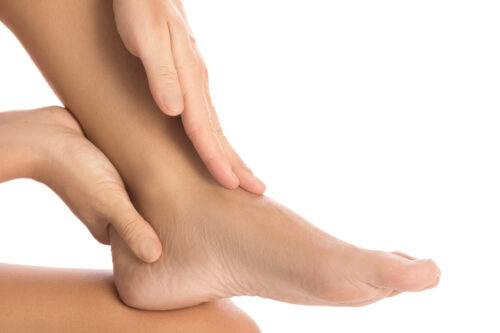
Many ankle injuries start with a quick roll on uneven ground. It could be a missed step off a curb. Sports injuries are common too, especially during basketball, soccer, and trail running.
Some injuries build slowly from overuse. Repeated jumping, sprinting, or long walks can irritate the tendons around the ankle. A past sprain can be a trigger since balance and reaction time often drop after injury. If you return to full activity too fast, the ankle can keep giving way.
Signs You Need Therapy, Not Just Rest
To know which is best for you, track your ankle for 7 to 14 days and note what triggers swelling or pain.
- Swelling returns after short walks or errands
- The ankle feels unstable during turns or step-downs
- You limp or avoid full weight on the foot
- Pain blocks stairs or uneven ground walks
- You cannot raise onto your toes on one side
- You feel repeated rolling or near falls
What Orthopedic PT Does In The Clinic
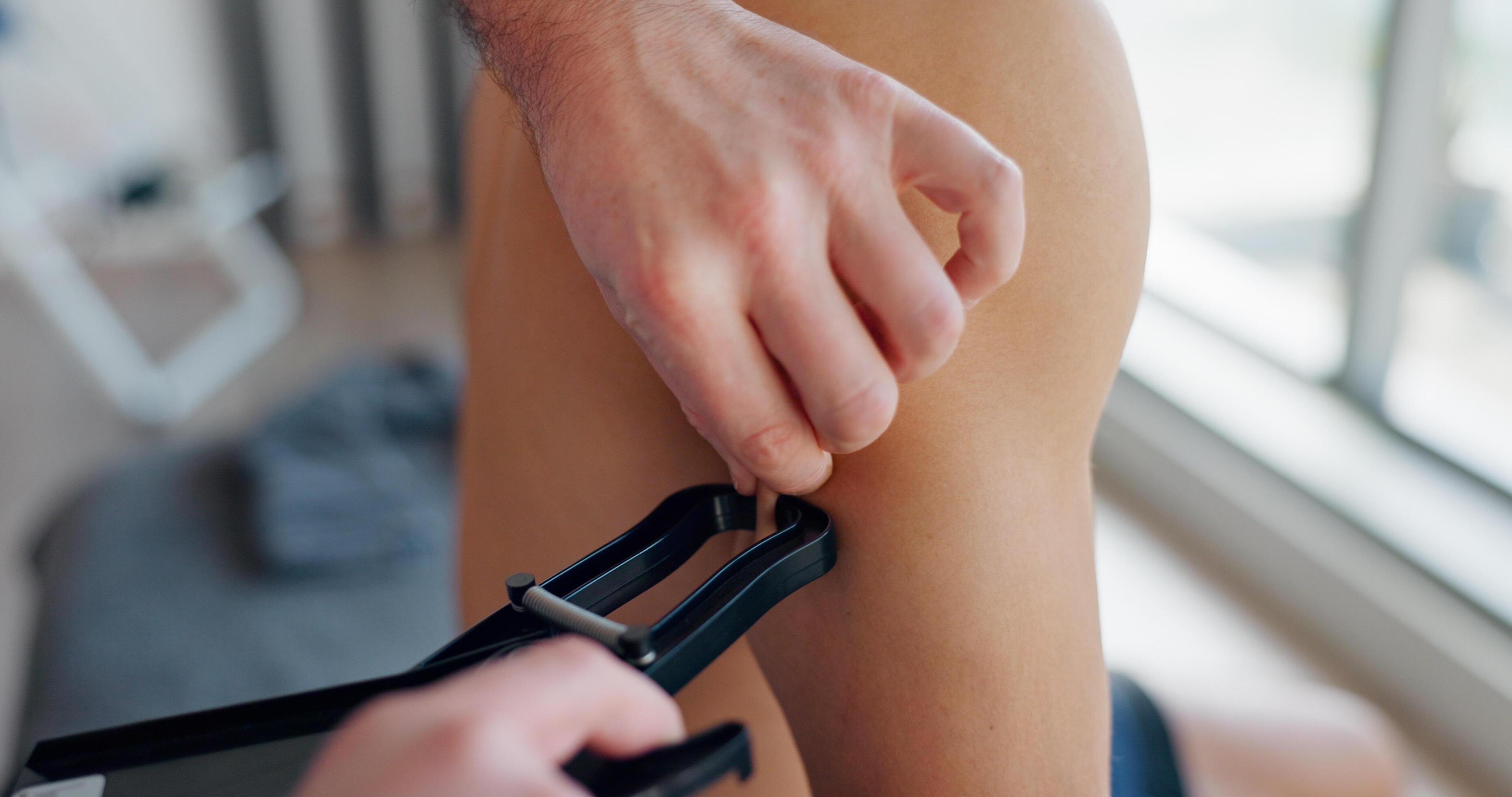
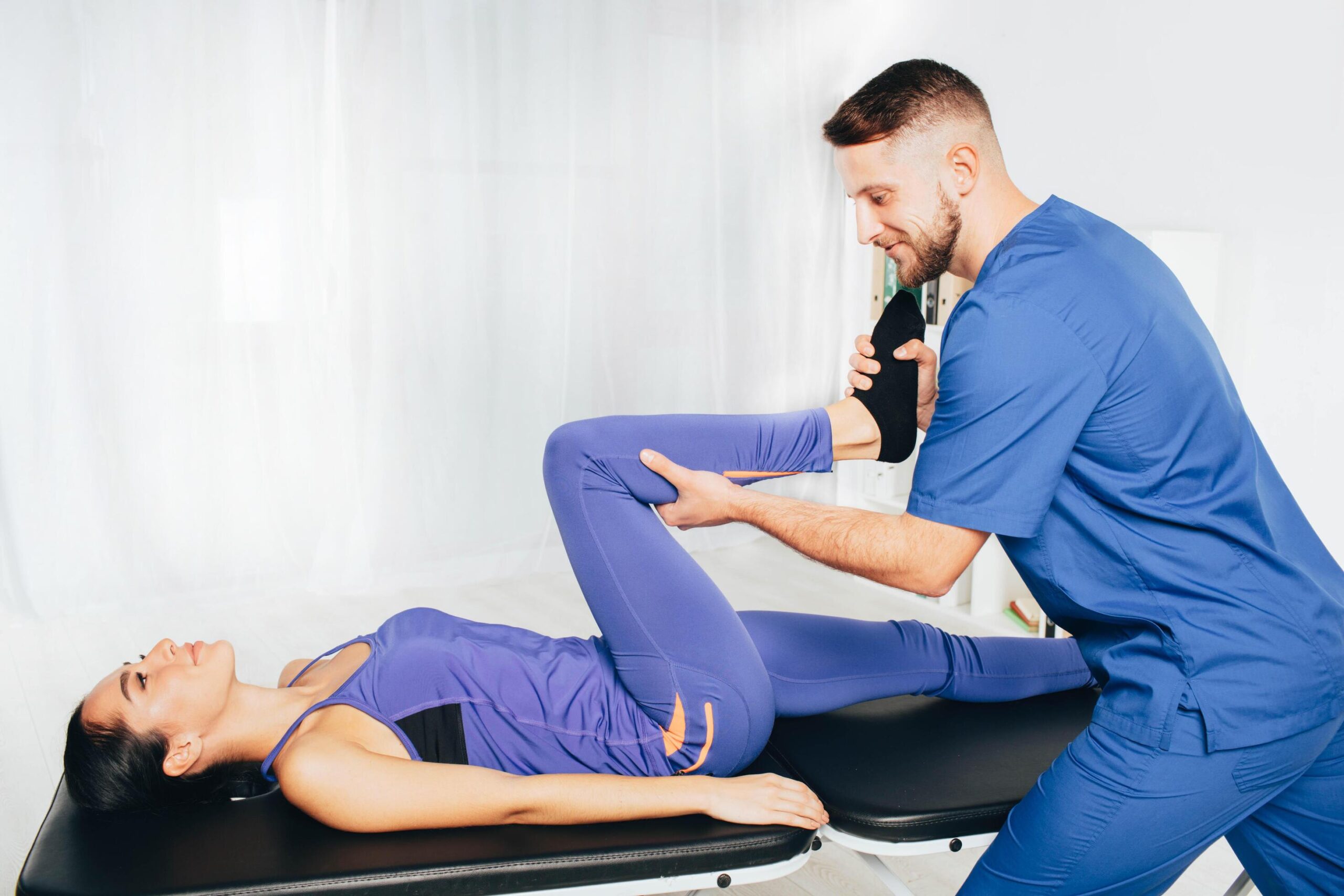
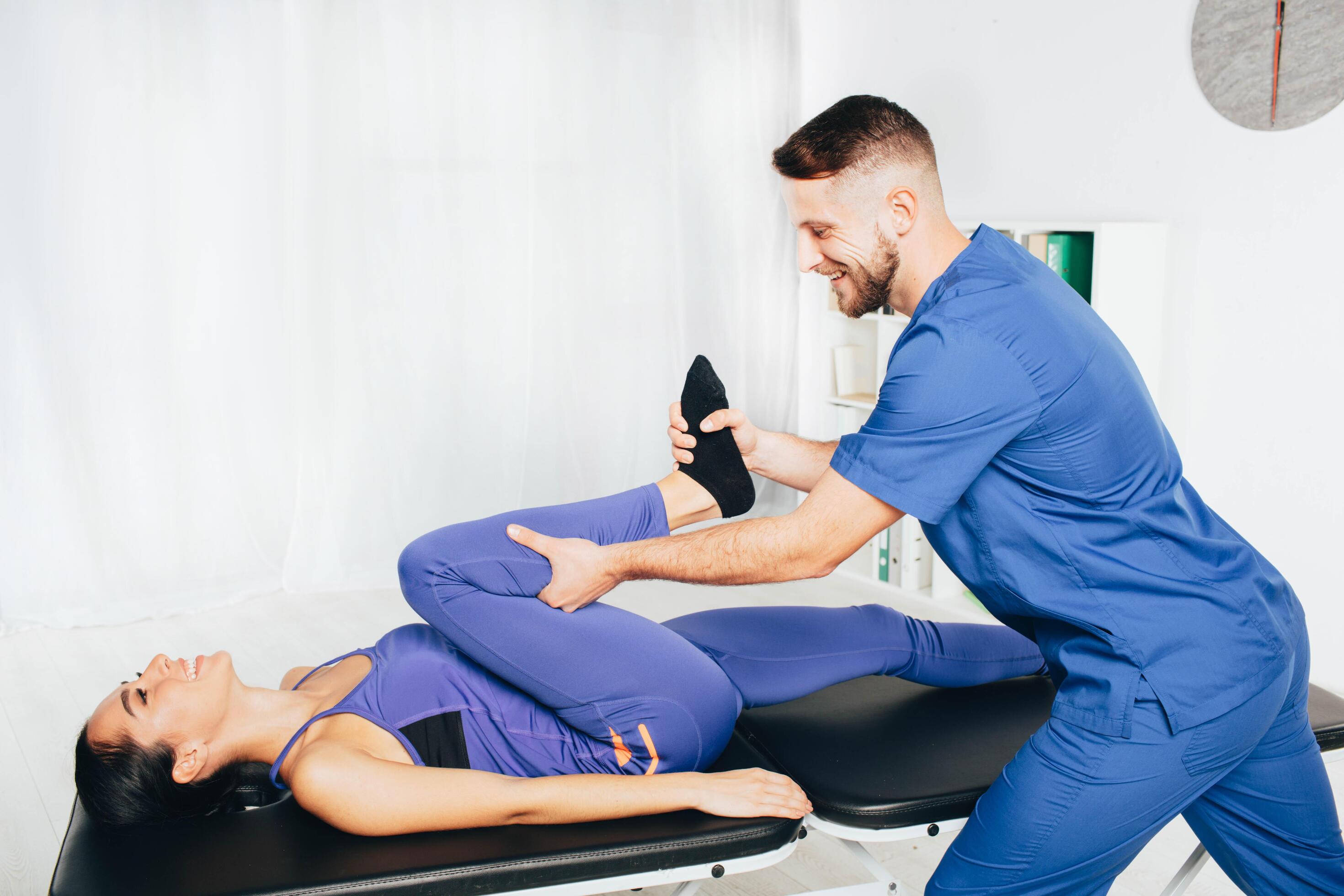
Your therapist checks swelling, range of motion, and strength. They test balance and reaction time, not only pain. They screen the knee and hip, since poor control above the ankle increases the risk of reinjury. They watch your gait and check how you load the foot. Treatment starts with exercises you can repeat at home. Many plans include manual therapy to improve joint motion and reduce stiffness. Taping or bracing trials can help during early return to walking and work.
A Rehab Plan In Phases
Rehab moves in phases with clear targets. The plan changes once you hit a goal, not once a date passes. Early phases focus on calm swelling and normal walking. Later phases build strength and balance. Final phases build speed and direction change control for sport and fast work demands.
- Restore ankle bend for stairs and squats
- Build calf strength for push off and walking speed
- Train balance on one leg for 30 to 60 seconds
- Add hopping and landing drills with clean form
- Practice lateral steps and quick stops
- Return to running, then sport cuts and jumps
What Progress Looks Like
- Fewer flare-ups and better control.
- Swelling drops by the end of the day.
- Walking speed can increase without a limp.
- Stairs feel steady and easy to climb.
- Single-leg balance holds longer.
- You can raise onto your toes with equal height on both sides.
- Later progress shows up in hops, quick stops, and direction changes without pain.
Modern Physical Therapy & Sports Medicine of Phoenix, AZ can assess your ankle, set clear phase targets, and guide a rehab plan that rebuilds strength safely. Call us now and book a visit.