A hip labral tear on an MRI report looks like a problem that needs fixing. Torn cartilage, after all. But here's something that complicates that instinct: labral tears show up on imaging in plenty of people who have no hip pain whatsoever. That finding reshapes how these get treated.
What The Labrum Does
Your hip is a deep ball-and-socket joint built to carry your weight. The labrum is a ring of cartilage lining the socket rim. It helps seal the joint, adds a bit of depth, and contributes to stability and smooth motion.
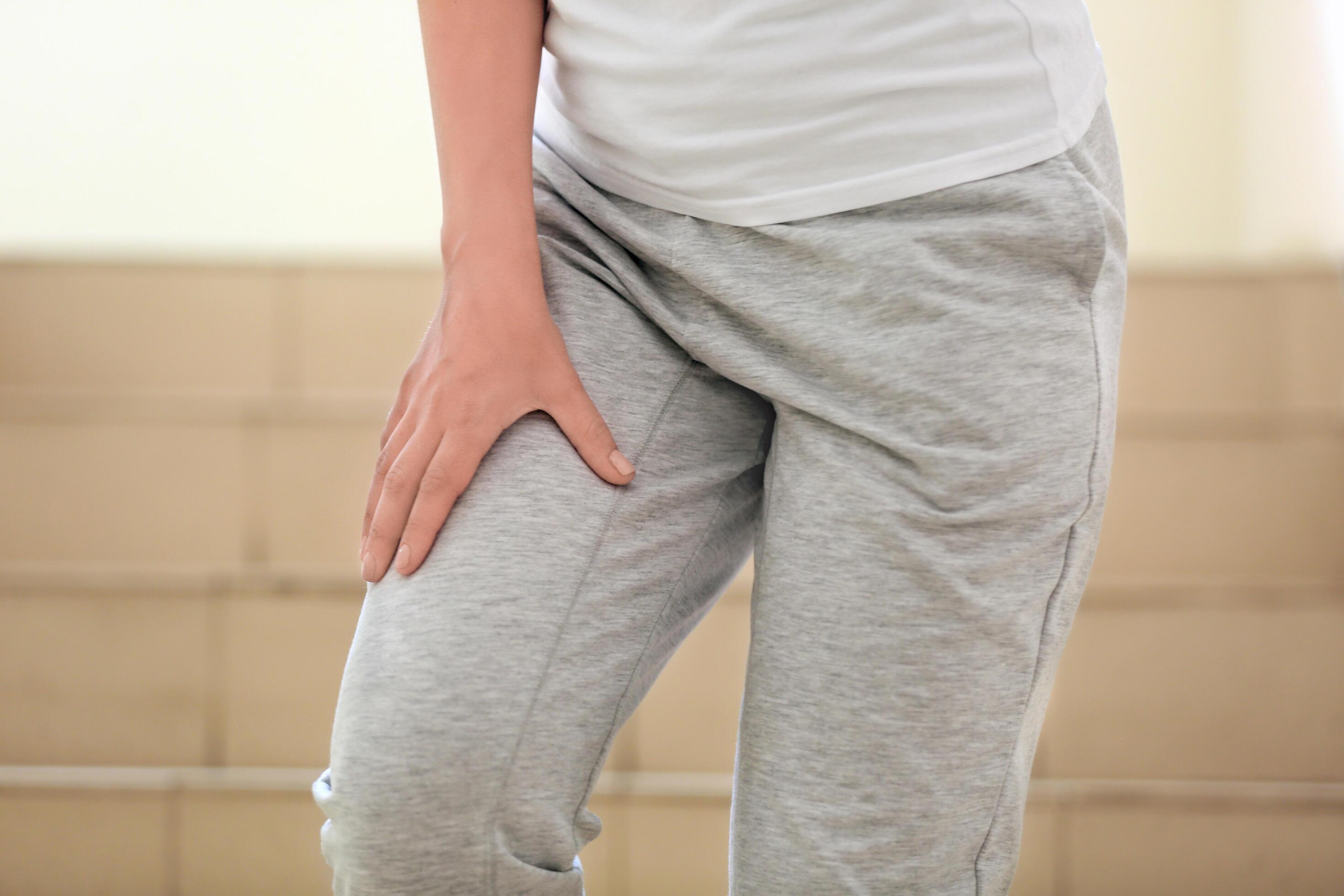
Tear it and you typically get deep groin pain, catching or clicking in certain positions, and discomfort with deep hip flexion, prolonged sitting, or pivoting.
Why Imaging Doesn't Decide It
Since tears appear in pain-free hips, seeing one on your scan doesn't automatically mean it's the source of your symptoms. That's why good clinics weigh your actual symptoms, what positions reproduce them, and how your hip functions, rather than treating the report alone.
It also explains why conservative care works so often. If the tear isn't the whole story, improving the rest of the picture can resolve the pain.
The Conservative Approach
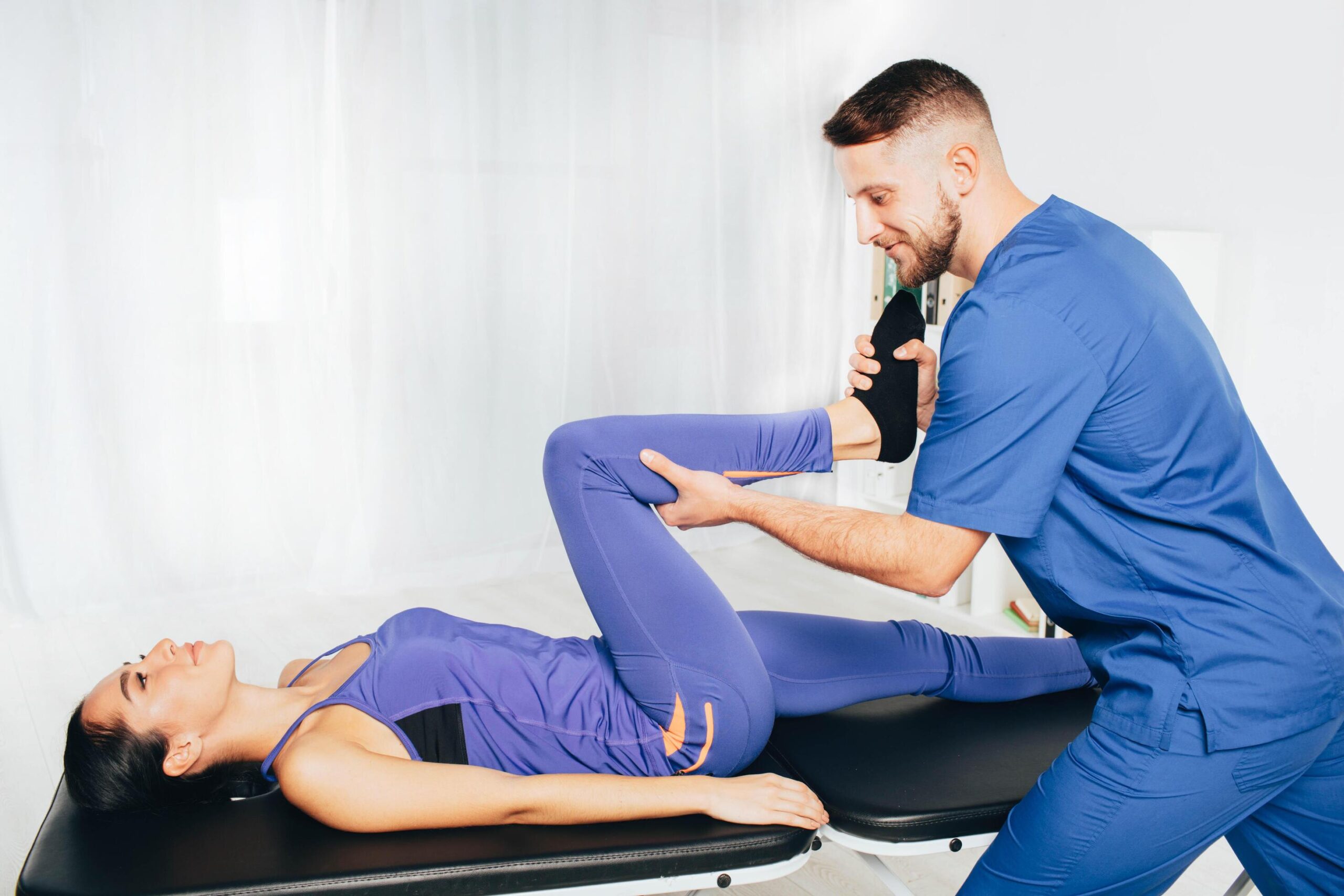
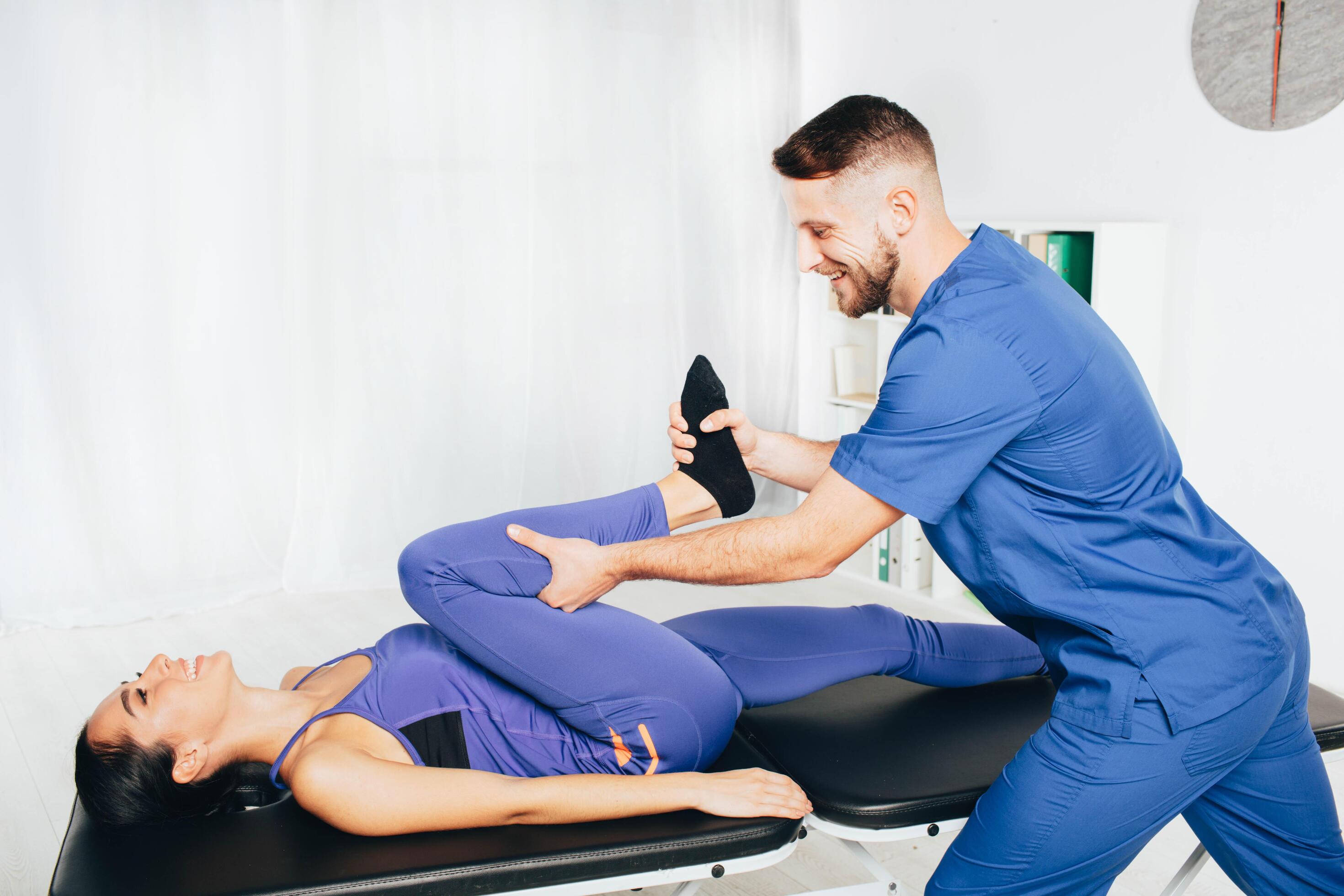
The goal is to control the joint better and reduce the positions that pinch the labrum.
- Strengthening the glutes and deep hip stabilizers for joint control
- Movement retraining to stop jamming the hip into aggravating positions
- Addressing tightness that contributes to the pinch
- Activity modification while things settle
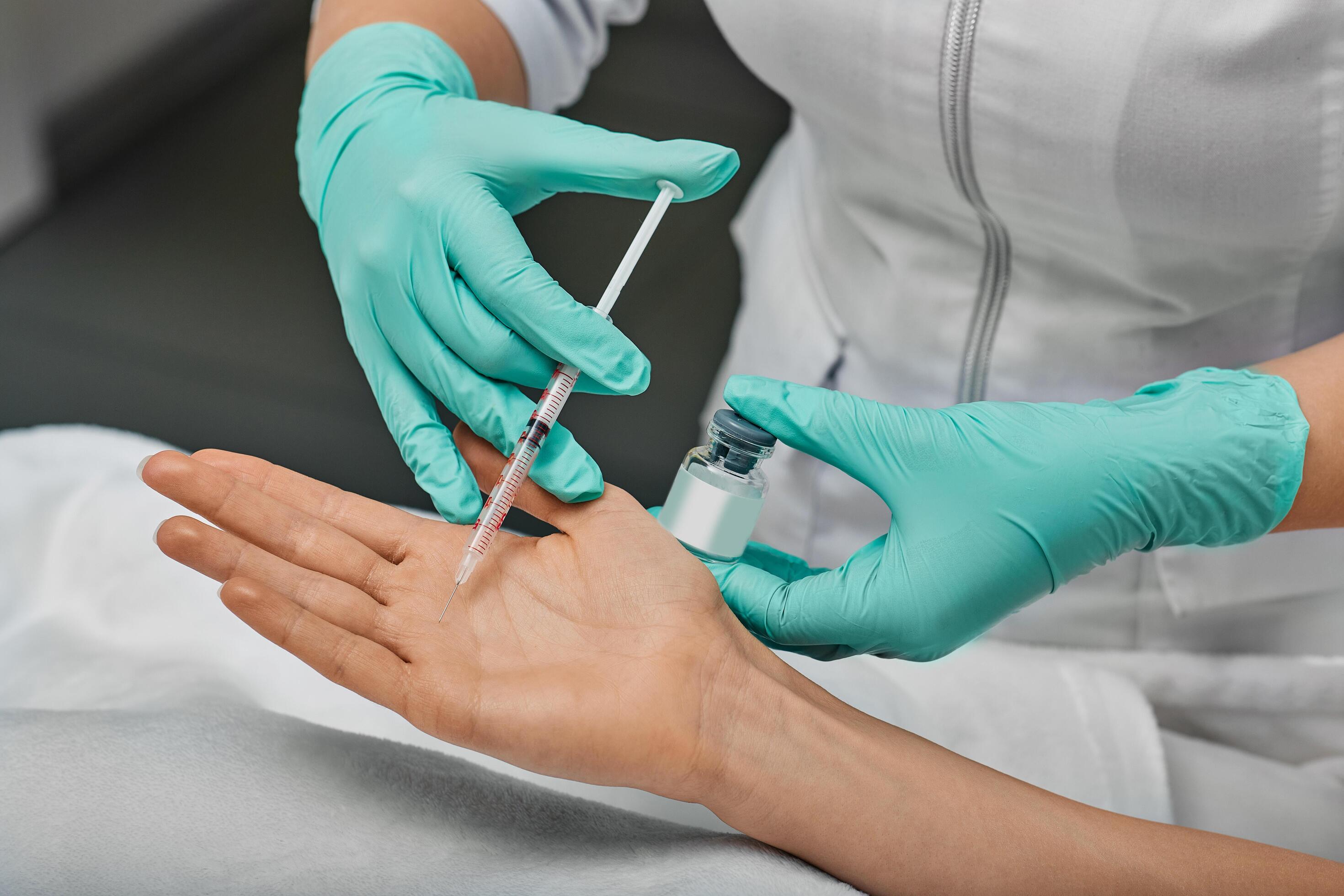
- An injection in some cases, both to calm the joint and to help confirm the pain source
The Anatomy Factor
Worth understanding. In many people, the labral tear is downstream of how the hip bones are shaped. When the bone contours cause the ball and socket to pinch during certain motions, the labrum gets caught in the middle repeatedly.
That's relevant because it means avoiding those extreme positions and building better control genuinely reduces the pinching. It also explains why some hips eventually need surgery that addresses the bone shape, not just the labrum.
Giving It A Real Trial
Conservative care for a hip labral tear takes commitment. Several months of consistent strengthening, not a few weeks of half effort. Hips are strong joints and the muscles around them take time to build meaningfully.
People who give it a genuine trial often do well. People who try for three weeks and conclude it doesn't work haven't really tested it.
When Surgery Makes Sense
Arthroscopic repair suits younger, active people significantly limited by symptoms, hips where bone shape creates ongoing impingement, and cases where solid conservative care hasn't delivered. It's a real option, just not the automatic first one.
Deep hip pain that catches and won't settle? Modern Physical Therapy & Sports Medicine of Phoenix, AZ can evaluate it properly. Call or book through the online form.