
PHOENIX’S PREMIER WOMEN’S HEALTH
Reclaim Your Comfort
& Confidence
Sneezing and crossing your legs before it happens. Feeling a dull ache by the end of the day. Pain during sex. These are common symptoms and we have non-surgical pelvic health care to treat them. Modern Medicine of Phoenix, AZ offers non-surgical pelvic health care using simple steps to implement, hands-on coaching to guide you and treatment plans that work with your busy schedule.
Non-Invasive
Expert Care
Private
Book Now
Or Call (480) 306-6627
You Are Not Alone
Symptoms of pelvic floor dysfunction can start after childbirth, after pelvic surgery, or during menopause. Or they can seemingly appear out of nowhere. Many women with these kinds of symptoms manage to make do with their bladders and pelvises. They become quicker to seek out restrooms than most people. They avoid activities that involve jumping. Long hikes are no longer as much fun as they once were. But there’s no reason for you to feel as though you’re dealing with these issues. We start by figuring out what’s going on with you. Then we look at how breathing, core, hips and posture interact with your pelvic floor to address the true source of your discomfort.
PHOENIX’S PREMIER WOMEN’S HEALTH
Reclaim Your Comfort
& Confidence
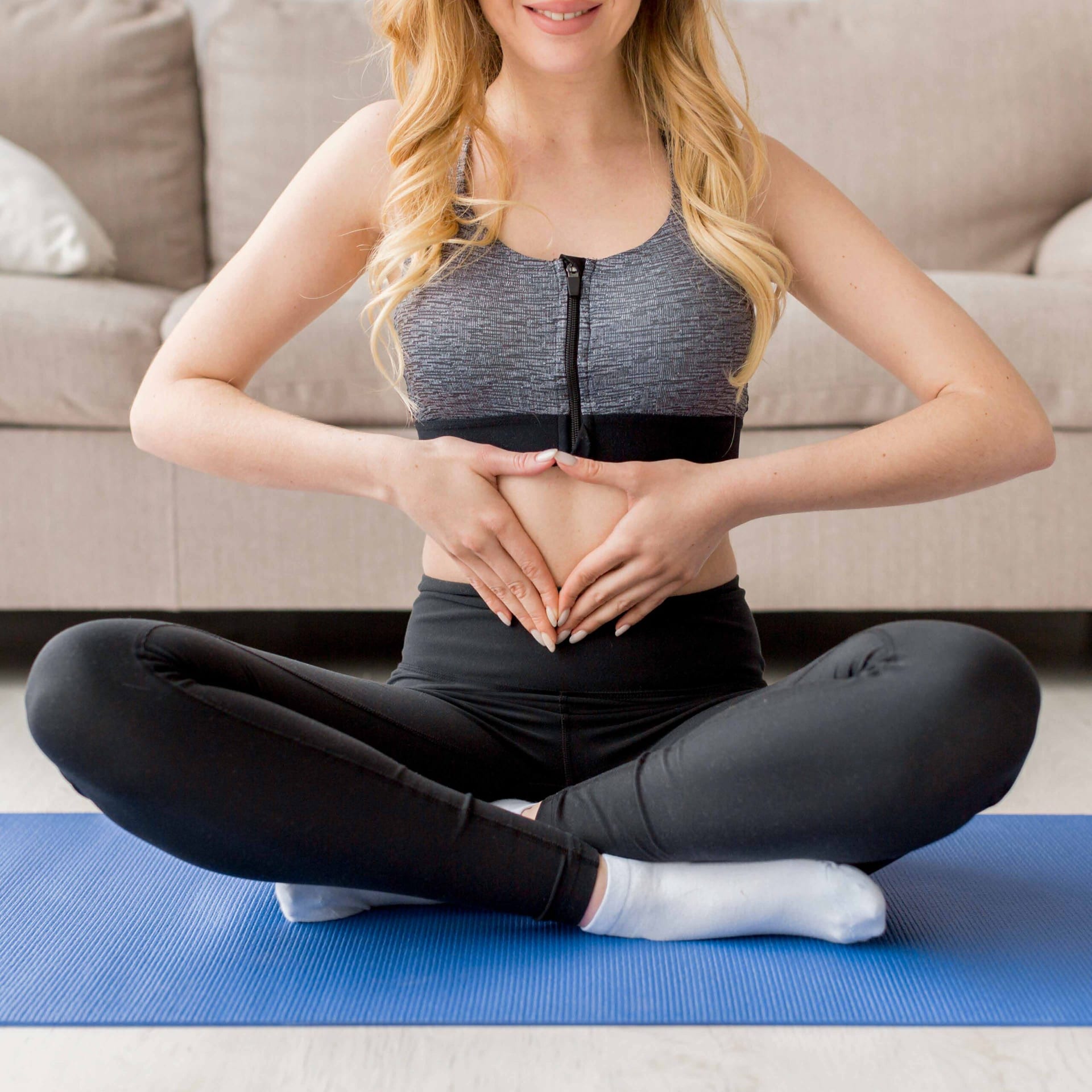
Sneezing and crossing your legs before it happens. Feeling a dull ache by the end of the day. Pain during sex. These are common symptoms and we have non-surgical pelvic health care to treat them. Modern Medicine of Phoenix, AZ offers non-surgical pelvic health care using simple steps to implement, hands-on coaching to guide you and treatment plans that work with your busy schedule.

BOOK NOW
Or Call (480) 306-6627
You Are Not Alone
Symptoms of pelvic floor dysfunction can start after childbirth, after pelvic surgery, or during menopause. Or they can seemingly appear out of nowhere. Many women with these kinds of symptoms manage to make do with their bladders and pelvises. They become quicker to seek out restrooms than most people. They avoid activities that involve jumping. Long hikes are no longer as much fun as they once were. But there’s no reason for you to feel as though you’re dealing with these issues. We start by figuring out what’s going on with you. Then we look at how breathing, core, hips and posture interact with your pelvic floor to address the true source of your discomfort.
MEET YOUR PROVIDER
Dr. Natalie Sattler, PT
PELVIC FLOOR PHYSICAL THERAPIST
Medical Excellence Meets Human Kindness
Dr. Natalie Sattler, PT — Natalie earned her Bachelor of Science in Kinesiology with a minor in Psychology from San Diego State University before receiving her Doctorate of Physical Therapy from A.T. Still University in Mesa, Arizona. Natalie enjoys treating a wide variety of pelvic health conditions, with special interests in pregnancy and postpartum rehabilitation and chronic pelvic pain. She also enjoys working with pediatric patients and values building meaningful relationships with individuals and families. Outside the clinic, Natalie enjoys taking barre classes, traveling, attending live concerts/sporting events, discovering the best local restaurants and happy hours, and reality TV.
“My goal is to empower women through whole-person care, recognizing the connection between physical, mental, and emotional well-being—helping each woman feel strong, supported, and confident in her mind and body.”
In-network with insurance
Evidence-based care
Supportive, private environment
Book Now
Or Call (480) 306-6627
MEET YOUR PROVIDER
Dr. Natalie Sattler, PT
PELVIC FLOOR PHYSICAL THERAPIST
Dr. Natalie Sattler, PT — Natalie earned her Bachelor of Science in Kinesiology with a minor in Psychology from San Diego State University before receiving her Doctorate of Physical Therapy from A.T. Still University in Mesa, Arizona. Natalie enjoys treating a wide variety of pelvic health conditions, with special interests in pregnancy and postpartum rehabilitation and chronic pelvic pain. She also enjoys working with pediatric patients and values building meaningful relationships with individuals and families. Outside the clinic, Natalie enjoys taking barre classes, traveling, attending live concerts/sporting events, discovering the best local restaurants and happy hours, and reality TV.
“My goal is to empower women through whole-person care, recognizing the connection between physical, mental, and emotional well-being—helping each woman feel strong, supported, and confident in her mind and body.”
In-network with insurance
Evidence-based care
Supportive, private environment
EXPERT CARE FOR
Conditions We Treat
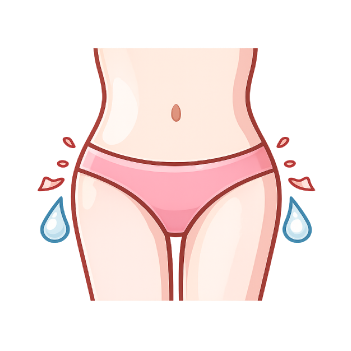
URINARY INCONTINENCE
AND URGENCY
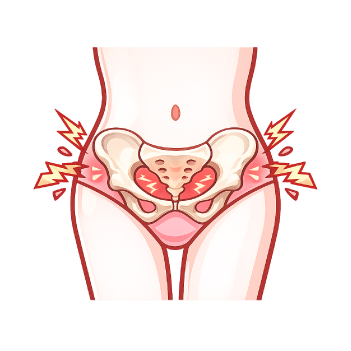
PELVIC
PAIN

PAINFUL
INTERCOURSE
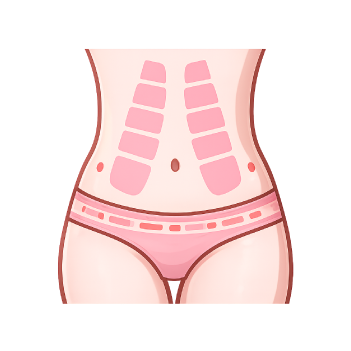
CORE WEAKNESS
AND DIASTASIS
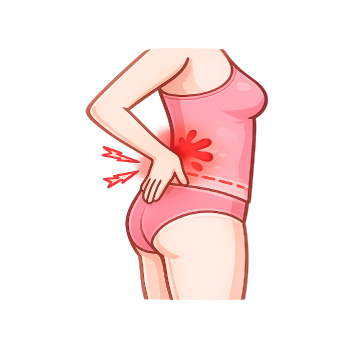
BACK, HIP
AND SACROILIAC PAIN
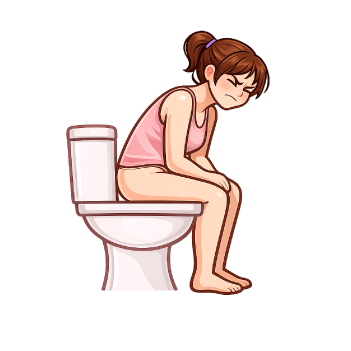
CONSTIPATION AND
BOWEL DYSFUNCTION
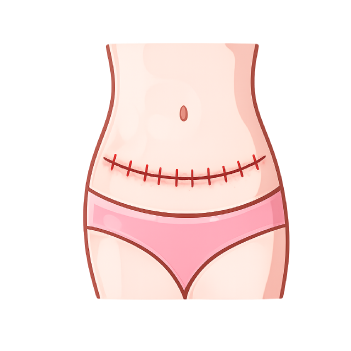
C-SECTION AND
ABDOMINAL SURGERY
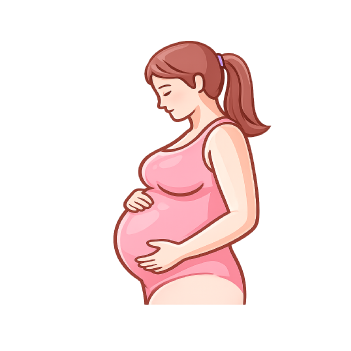
PREGNANCY
PREPARATION
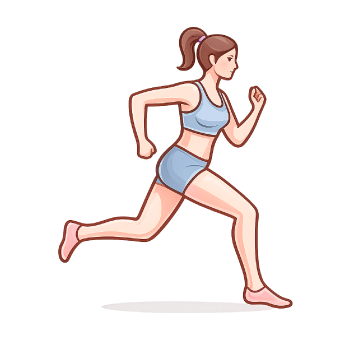
RETURN TO SPORT AND
HIGH-IMPACT ACTIVITY
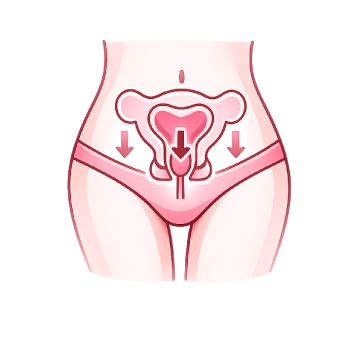
PROLAPSE-LIKE SYMPTOMS
(PRESSURE/HEAVINESS
EXPERT CARE FOR
Conditions We Treat
INCONTINENCE
URGENCY
PAINFUL
INTERCOURSE
BACK, HIP &
SACROILIAC PAIN
C-SECTION &
ABDOMINAL
RETURN TO SPORT & HIGH-IMPACT
PELVIC
PAIN
CORE WEAKNESS
AND DIASTASIS
BOWEL
DYSFUNCTION
PREGNANCY
PREPARATION
PROLAPSE-LIKE SYMPTOMS
THE ROADMAP
Your Path To Feeling Steady Again
Clear care from day one, with small wins that build into real change.
01
Evaluate And Understand
WE LISTEN FIRST
At the first visit, we describe the symptoms and how they affect you. We will evaluate how your pelvic floor muscles function in relation to your breathing, posture, and hip and core movement. We will explain everything that we are about to do and you can always tell us to stop at any time.
02
Get A Personalized Plan
FIT FOR YOU
Our approach to treating the pelvic floor is based on the pelvic floor’s need for strength, control, and correct timing. Many women have strong pelvic floors but are unable to use them correctly. Others have weak pelvic floors but are able to use them correctly but need to increase strength. Either way, we can treat you to decrease leaks, decrease pain, and feel confident returning to the gym, work, and all activities of daily living.
03
Restore Strength
RETURN TO NORMAL ROUTINES
You can expect to continue strengthening your body each week with new exercises that can be done at home in as little as a few minutes. Within a few weeks, most women notice that they are feeling better and can return to normal activities such as lifting children, running, jumping, etc
Insurance And Payment Support
Navigating Your Financial Options
We accept insurance from most major in-network providers. We also help you understand coverage and next steps, so getting care feels straightforward.
AARP
AZ Complete Health
Aetna
Banner
Cigna
Equality Health
First Health
Health Net
Humana
Medicare
Mercy Care
Tricare / Tricare West
UnitedHealthcare
WellCare
Book Now
Or Call (480) 306-6627
Hassle-free billing
WE HANDLE THE PAPERWORK FOR YOU
YOU HAVE QUESTIONS. WE HAVE ANSWERS
Frequently Asked Questions
Can pelvic floor PT help if I feel pressure or heaviness, especially later in the day?
Yes, that “heavy” feeling is common, especially after long days or lots of standing. Therapy focuses on pressure control and support so your body holds up better as you get tired.
How soon after giving birth can I start?
For postpartum women, this typically starts around 6 weeks post-delivery or as soon as their primary care physician clears them to begin exercising again. Women far past childbearing can also benefit from physical therapy for pelvic floor dysfunction as well.
What kinds of problems do you treat?
We help with bladder leaks, urgency, pelvic pressure, pelvic pain, painful sex, and pregnancy and postpartum recovery. We also see women with symptoms after surgery or during menopause.
Is an internal exam required?
No. We will gain enough insight from your evaluation by listening to your symptoms and looking at your posture, breathing, and hips for muscular imbalances.
Why can’t I just do Kegels at home?
Kegel exercises can help some women with symptoms such as incontinence or pelvic organ prolapse. However, Kegel exercises are often done incorrectly and sometimes a woman needs to learn how to relax her pelvic floor muscles as opposed to contracting them. This is determined by doing an evaluation.
How many visits will I need?
Typically, 6-10 weeks of once-a-week visits. The number of visits can vary depending on the individual woman’s symptoms and goals.
Ready to feel like yourself again?
Take the first step towards a healthier, happier you.
Schedule your consultation with Dr. Sattler today.