For some people it’s the salsa jar. The lid won’t come off, and then the whole thing slips out of your hand onto the tile. For others it’s quieter than that, maybe a tote bag that keeps sliding off their fingers, or a twinge on every iron shot at the club in Paradise Valley. The wrist aches, the grip feels thin, and both seem to get worse together. They usually do. And physical therapy works on both at once.
Why Pain and Weakness Show Up Together
Here’s a weird thing about pain. Your wrist hurts, so behind the scenes your nervous system eases off the squeeze. You don’t even notice. A few weeks of that and the forearm muscles have lost some size and punch. Then the wrist has less backup, so it gets sore even quicker. Plenty of different problems kick that off:
- A cranky tendon on the thumb side, common in new grandparents who do a lot of lifting.
- Worn cartilage where the thumb meets the wrist, which makes pinching and twisting ache.
- An old fracture that healed a little stiff.
- Carpal tunnel, which can make the hand feel clumsy as well as numb.
- Tennis or golfer’s elbow, since those forearm muscles run right into the wrist.
What We Check
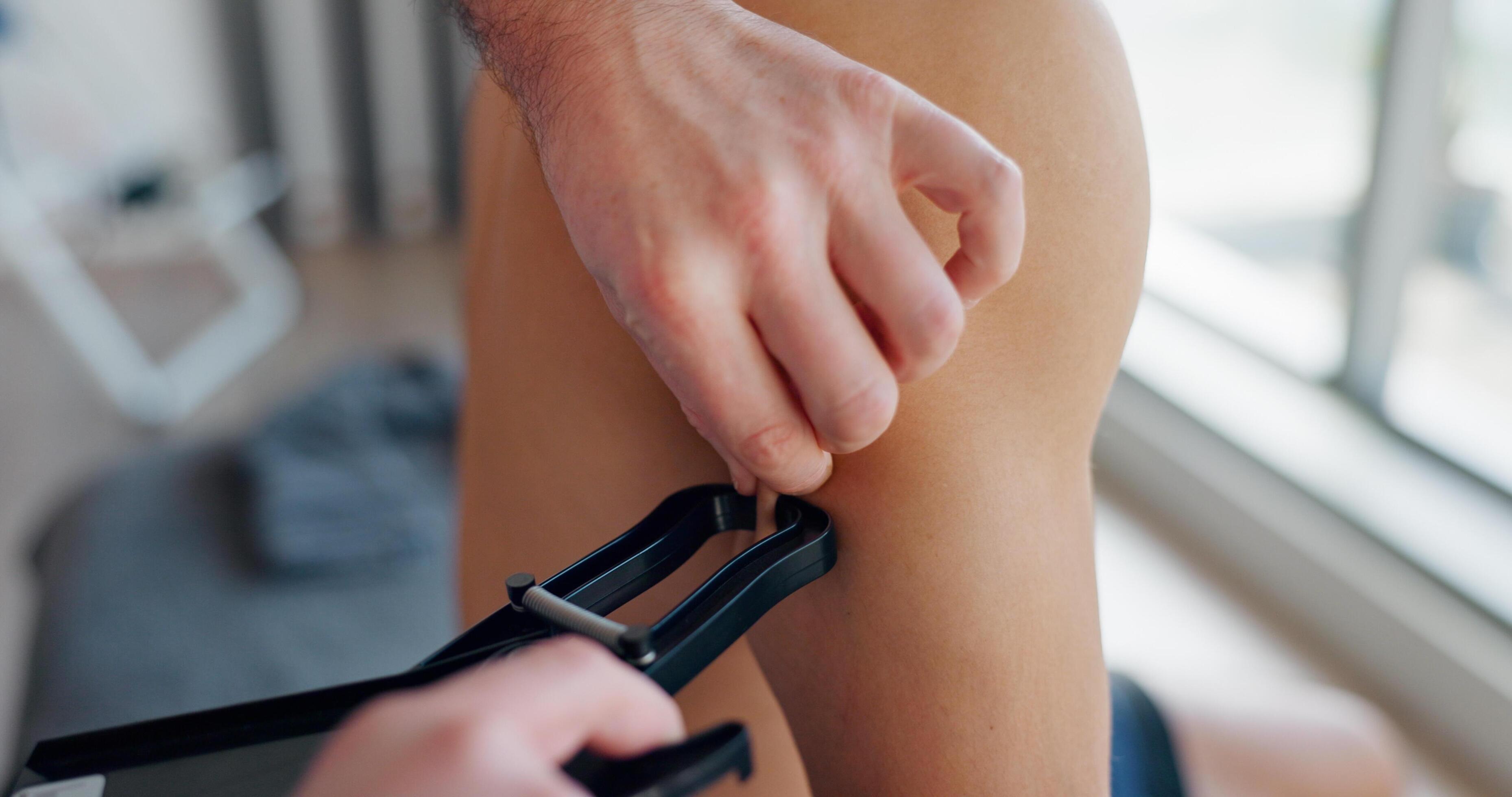
Tell us what’s gotten hard, whether it’s buttons, car keys, or the nozzle on the garden hose. Then you’ll squeeze a little gauge as hard as you can, pinch another one, and let us bend your wrist every which way. We poke along the bones and tendons until something’s tender. Your fingertips get a feeling check too, and we look at your elbow and neck, because trouble up there likes to show up in the hand. If you ever fell on an outstretched hand, even years ago, tell us about it.
How Physical Therapy Helps
First, we settle it down. Maybe that’s a splint for gardening or for bed, a little hands-on loosening, and a new way of holding your coffee mug. Next comes the strength work, and it’s not glamorous. You’ll mash colored putty, flip a one-pound dumbbell up and down, and wrap a rubber band around your fingers and spread them apart. Later we get practical, so you’ll twist a doorknob, carry a weighted grocery bag, and grip your actual golf club.
We’ll also look for easy wins around the house. A jar opener, a thicker pen, or a lighter purse can take a lot of strain off while the wrist gets stronger. Golfers, we’ll check your grip pressure and the size of your club grips too, since strangling the club is one of the most common reasons a wrist flares on the course.
Most people notice a difference in four to eight weeks. The home routine takes about ten minutes, and you can do most of it watching TV. A wrist that has been grumbling for a year or more may take a little longer, and we’ll tell you that up front.
If your wrist has been sore and your grip isn’t what it used to be, call Modern Medicine of Phoenix, AZ. We’ll help you get your strength back.