Ask someone when their balance got worse and they’ll usually shrug, because it came on so gradually they hardly noticed. You start keeping a hand on the kitchen counter while you walk past it, or you notice you’d rather not carry the laundry basket down the two steps into the garage. Maybe you caught your toe on the edge of a rug last month and only barely stayed up. A lot of the older adults we see in Paradise Valley just want to keep doing what they normally do without that nagging worry about falling.
What People Tell Us They’ve Noticed
When we ask, people usually remember a handful of little things they’d sort of brushed off. These come up a lot:
- Touching the wall or the back of the couch on the way down the hall, just in case
- A swimmy feeling when they spin around to answer the phone or reach up for the good platter
- Rocking forward two or three times to get out of a low chair
- Their spouse telling them they’ve started to shuffle
- Skipping the gravel path at the park, or leaving a light on for the 3 a.m. bathroom trip
Why Balance Changes With Age
Your eyes, your inner ear, and the nerves in the soles of your feet are all reporting in, every second, about where you are. Then the leg muscles have to answer quickly. Getting older slows every one of those down a little. Leg strength drops off, especially if you’ve been less active for a while. Feeling in the feet can fade, which happens a lot with diabetes. Some medications cause dizziness, and so can getting up too quickly. Put a few of these together and the margin for error gets pretty thin.
What Physical Therapy Looks Like
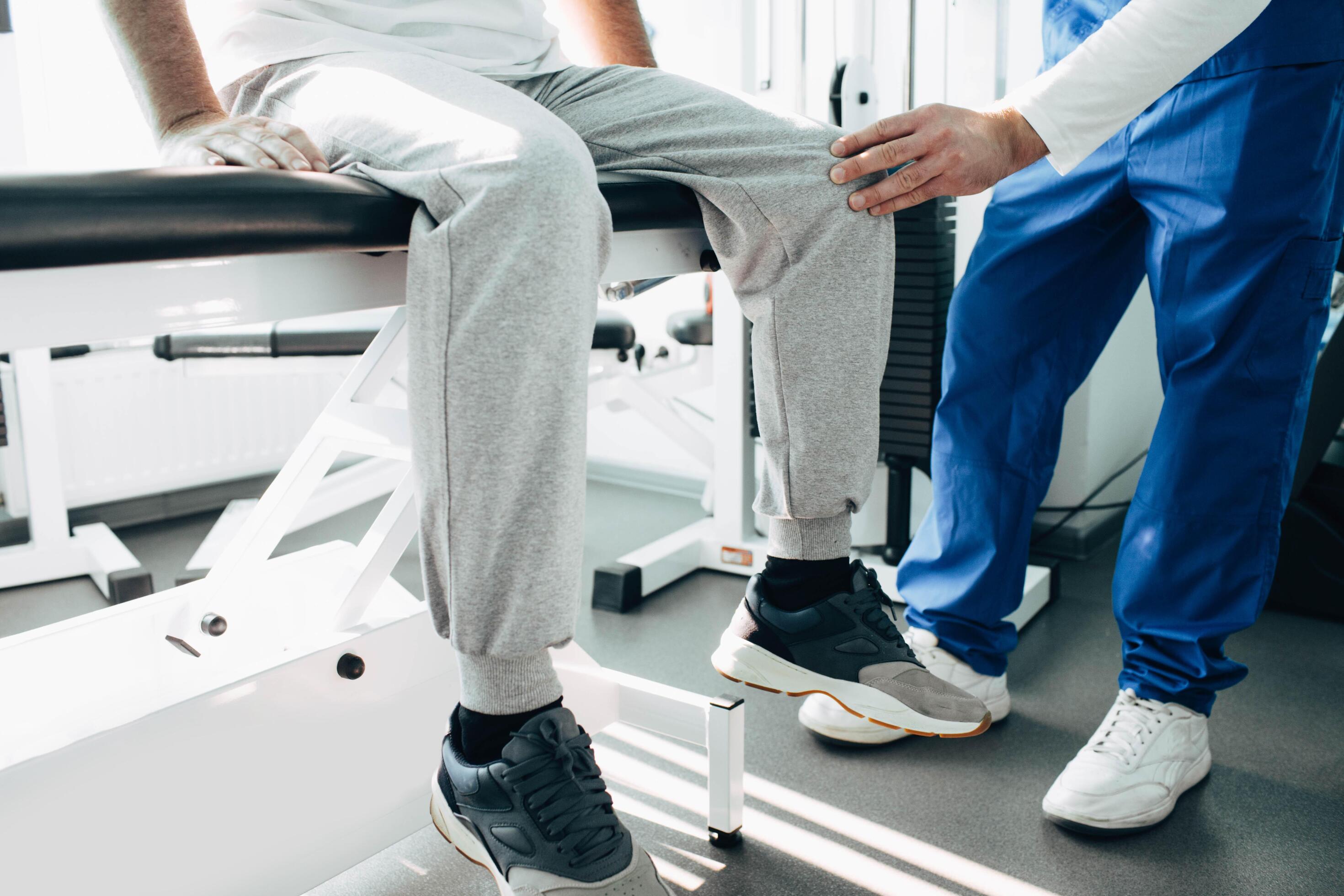
The first session is mostly testing, and some of it feels a bit like a game. You’ll get up out of a chair, walk to a line on the floor, turn, and come sit back down while we run a stopwatch. You’ll try standing with your feet side by side, and then heel to toe. Then we watch what happens when you turn your head or close your eyes, since that shows us which part of the balance system is slacking.
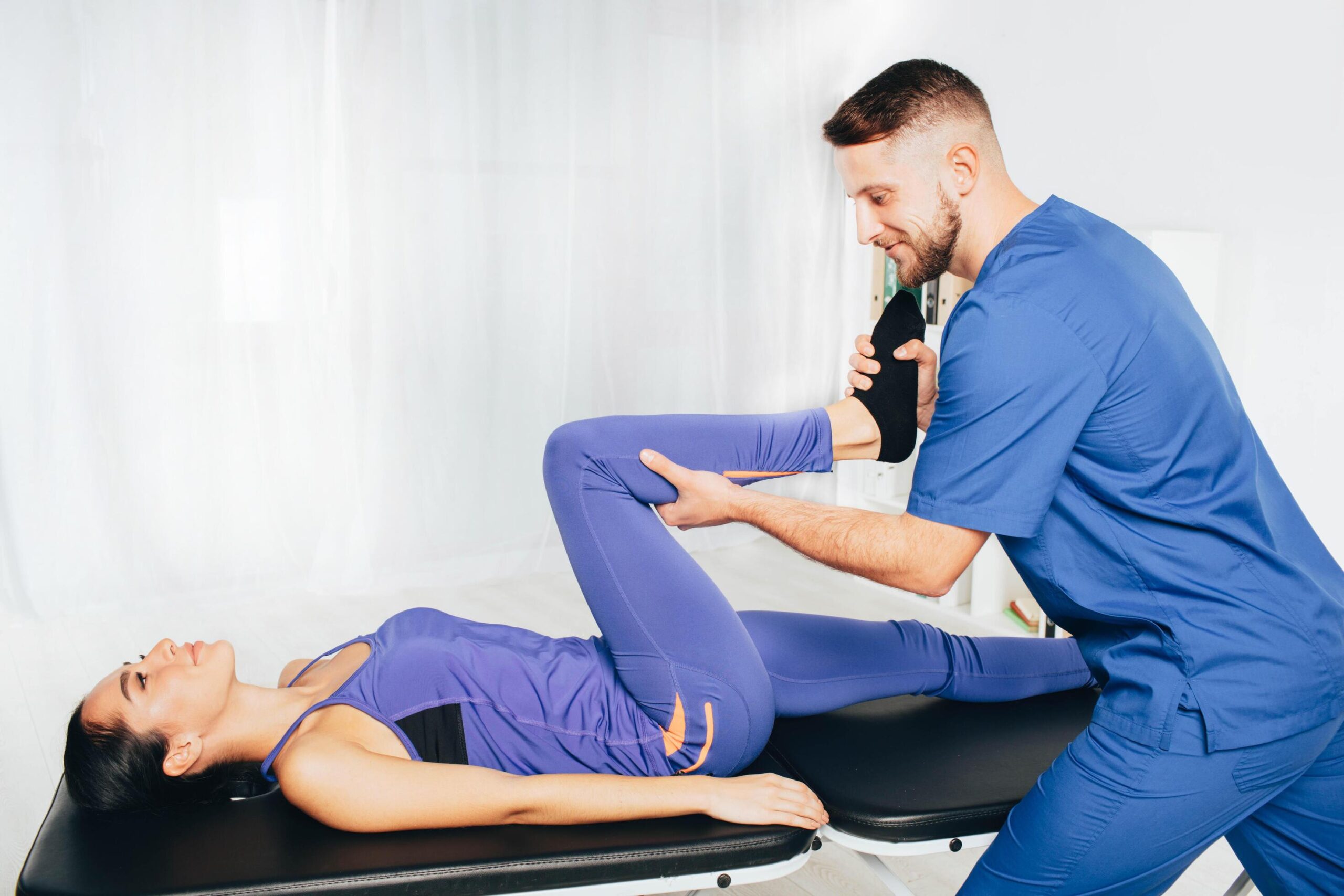
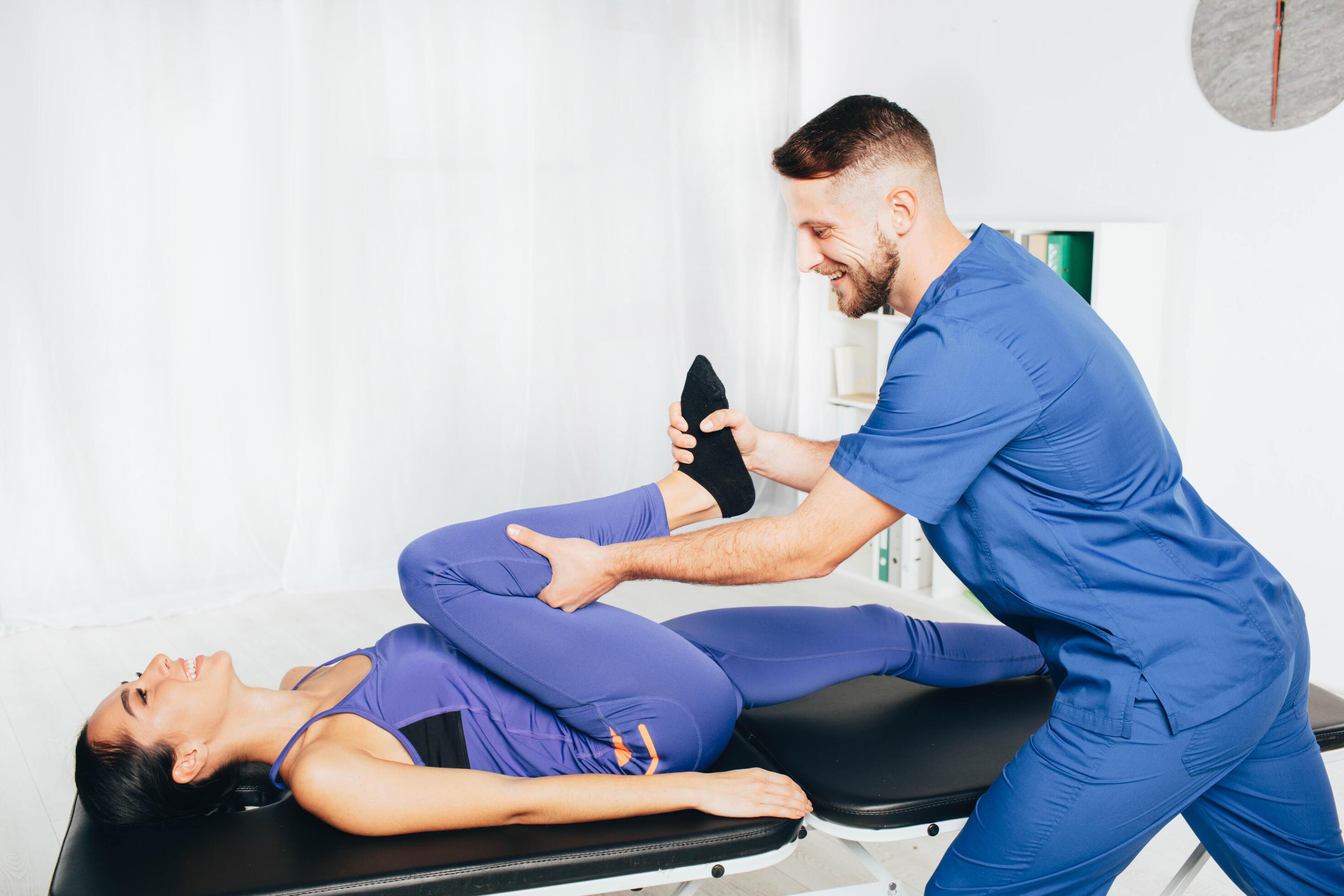
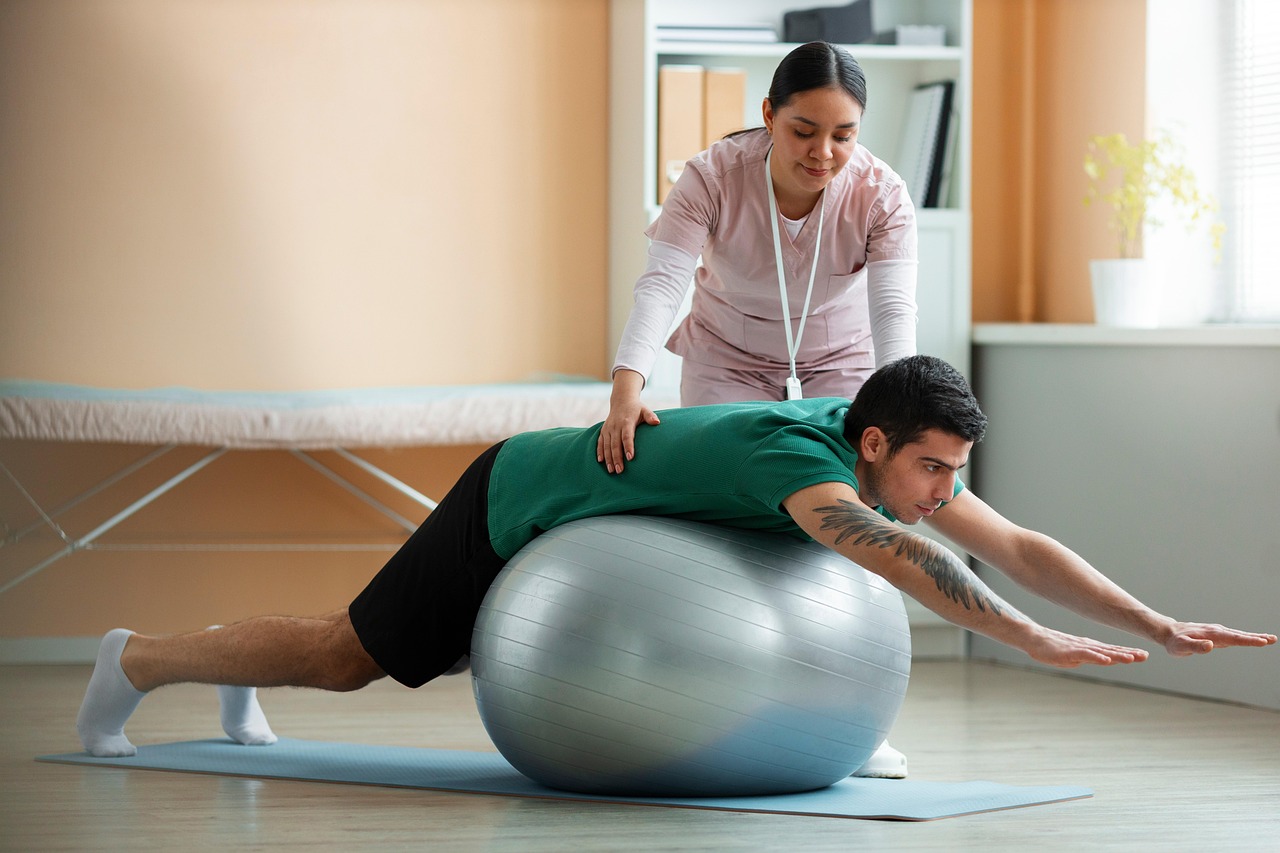
The exercises after that look a lot like regular life. You’ll do sit-to-stands without using your hands and step over a shoebox a few times. We’ll lay a strip of tape on the floor for you to walk along while looking left, then right, and people laugh at how hard that is the first time. We put you through mini squats and sideways steps holding the counter, because strong thighs and hips are what keep you up when your toe catches. After three or four weeks of doing this stuff, people tend to tell us they just feel sturdier.
Are you holding onto the furniture more than you’d like? Give Modern Medicine of Phoenix, AZ a call, and we’ll set up a time to check your balance.