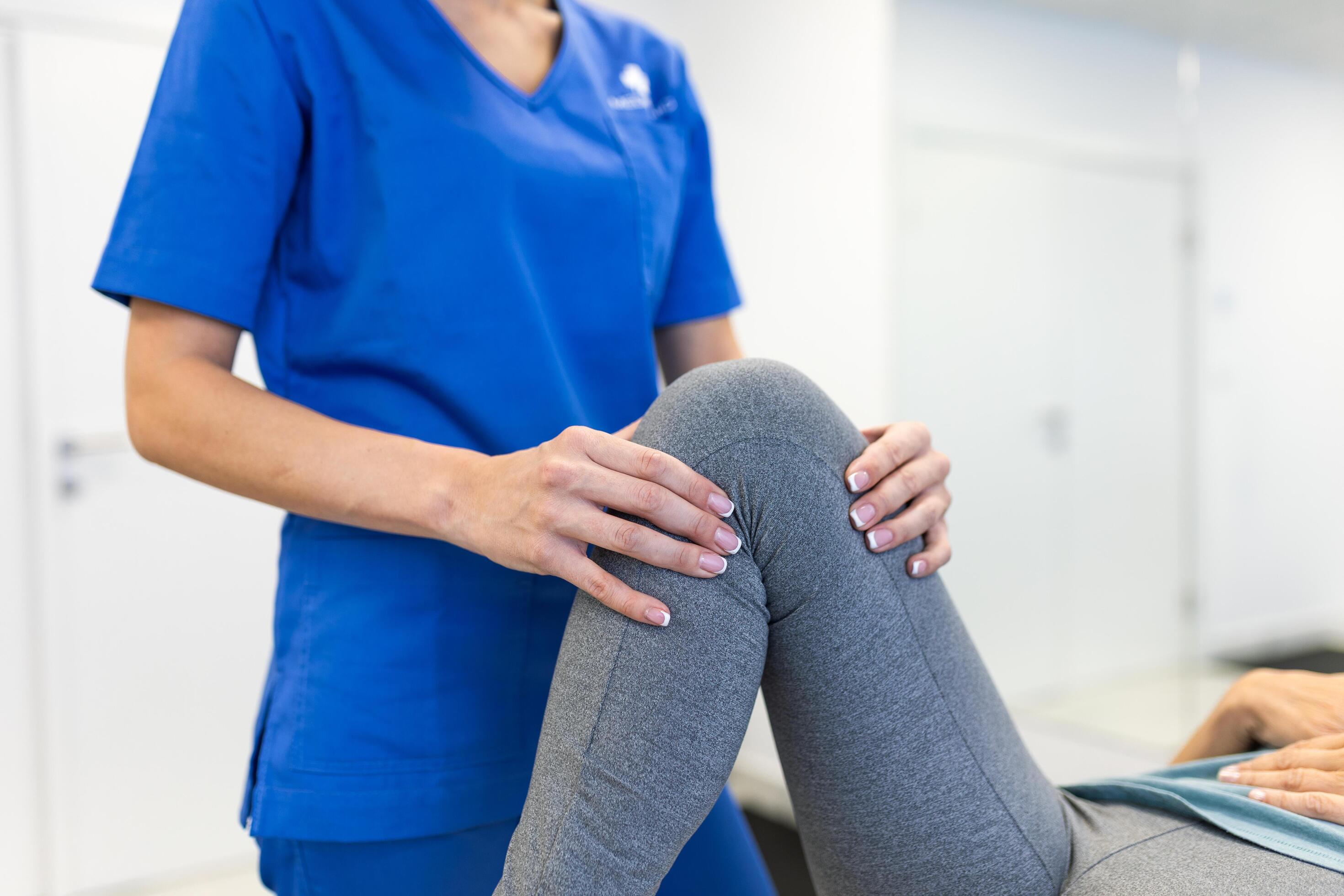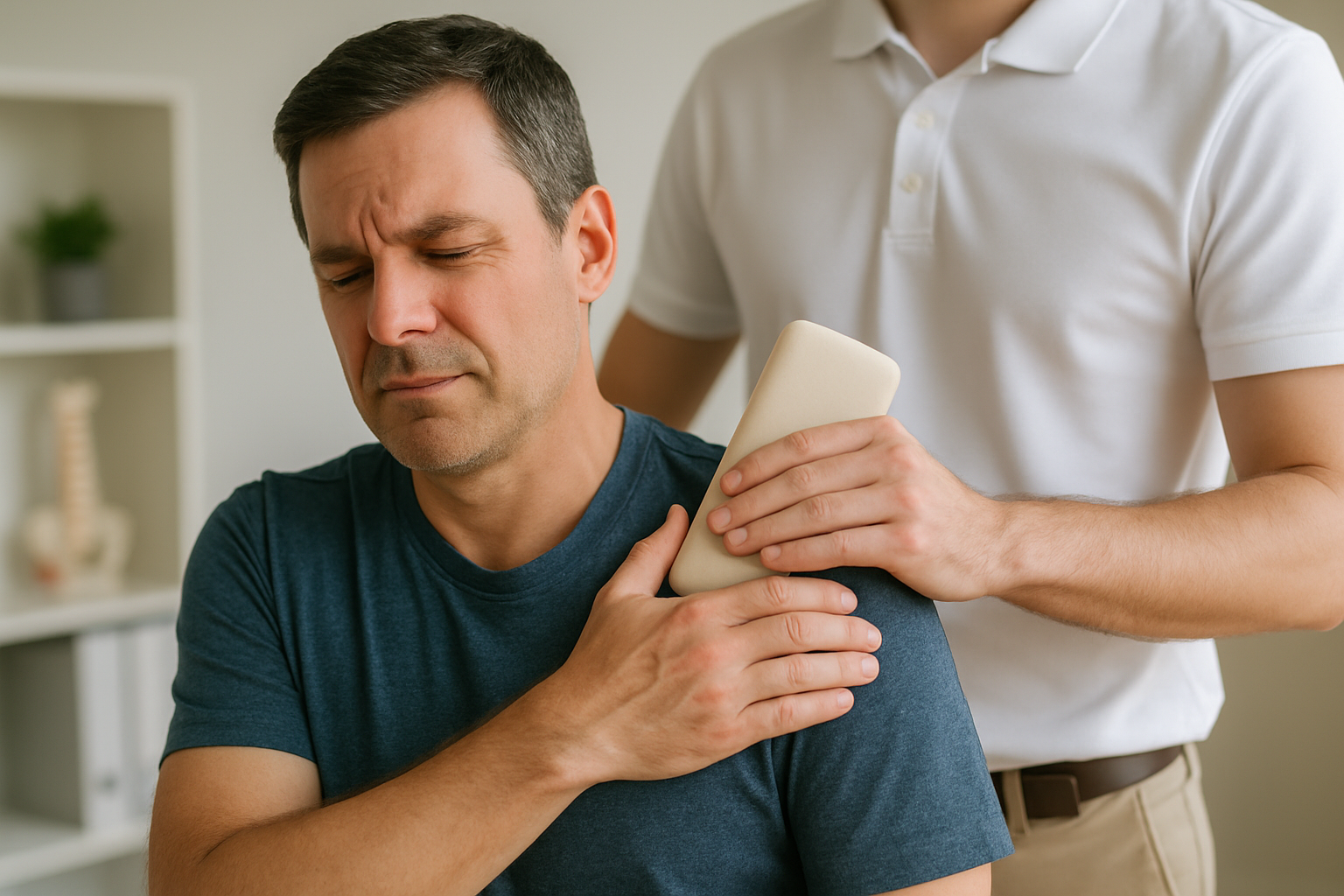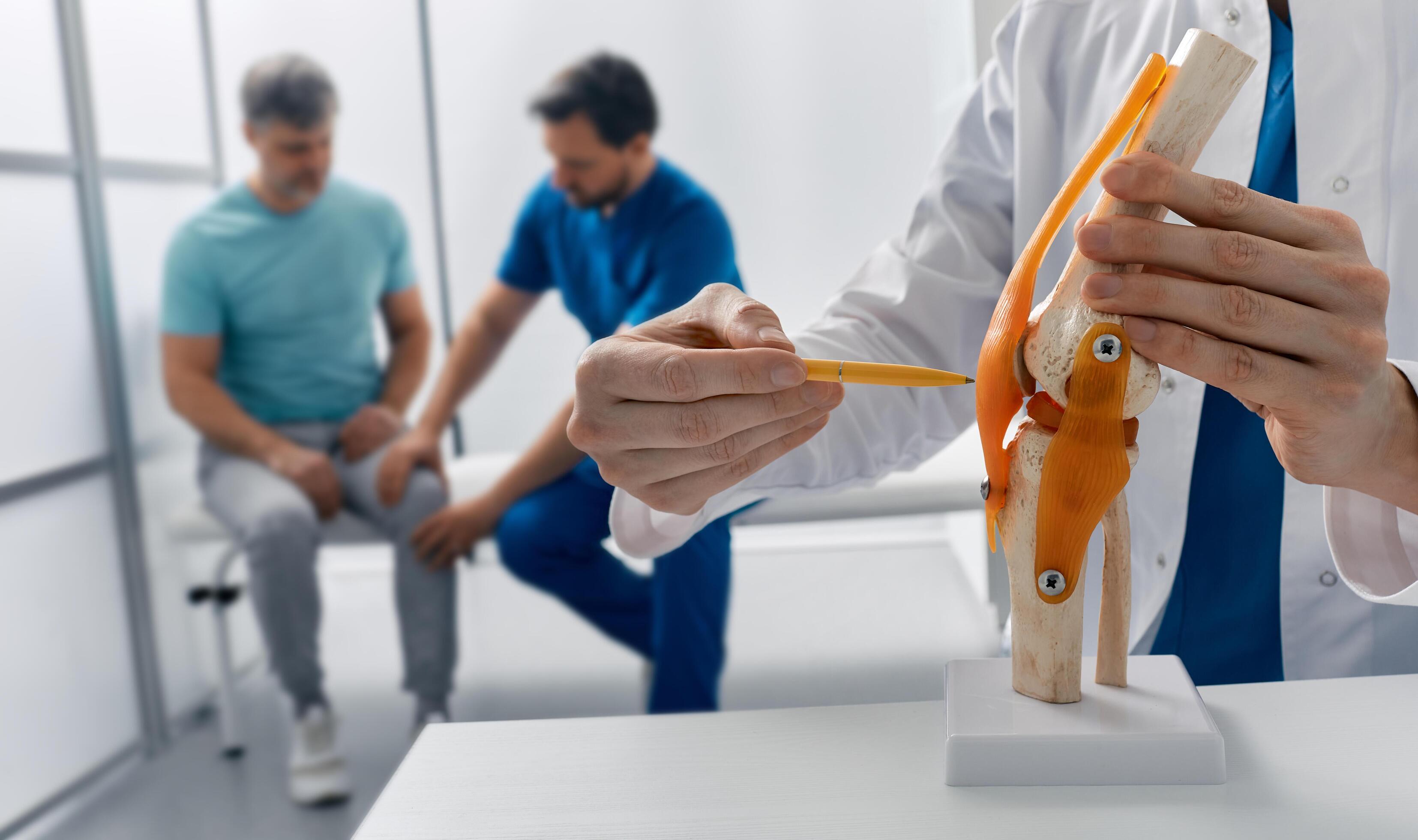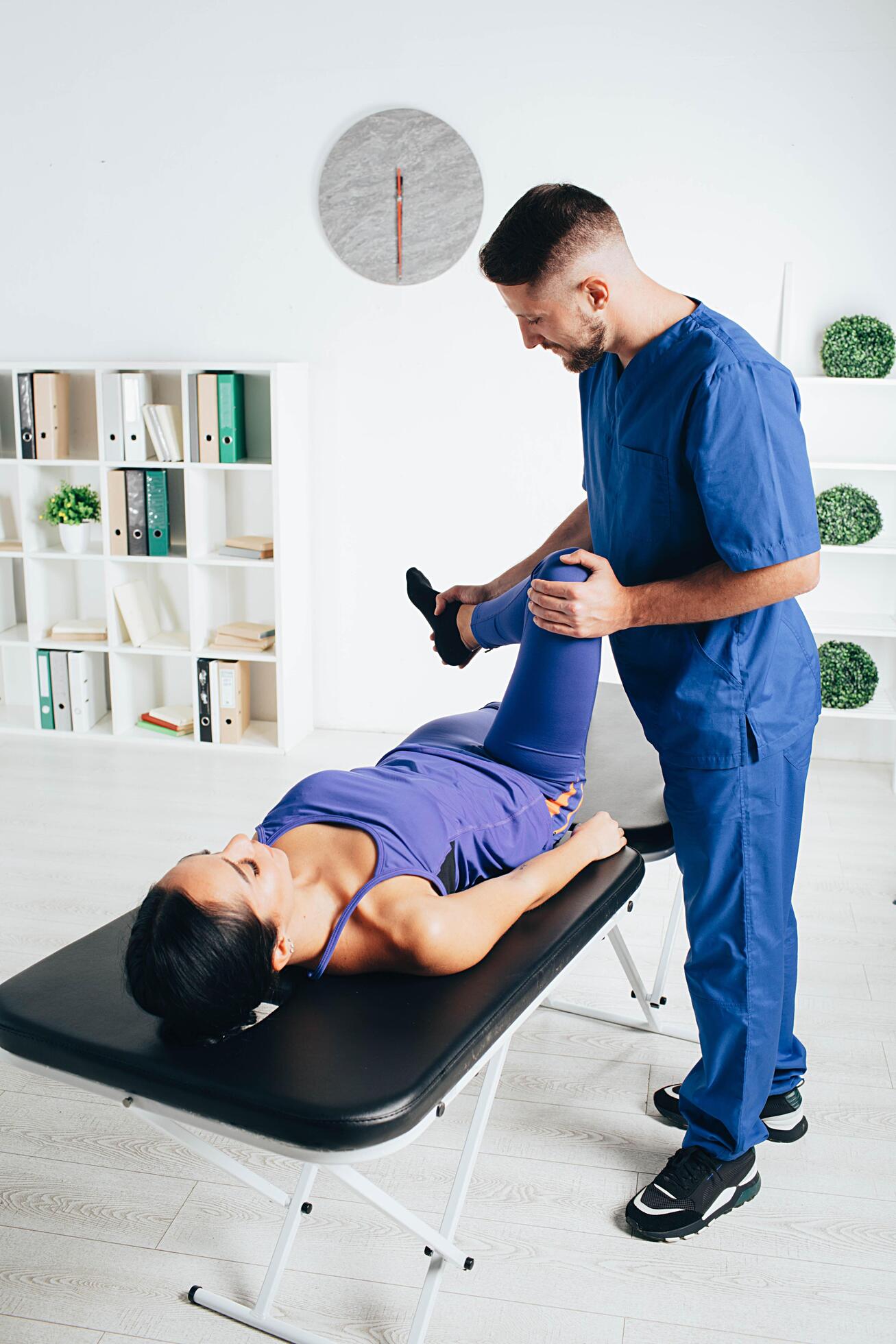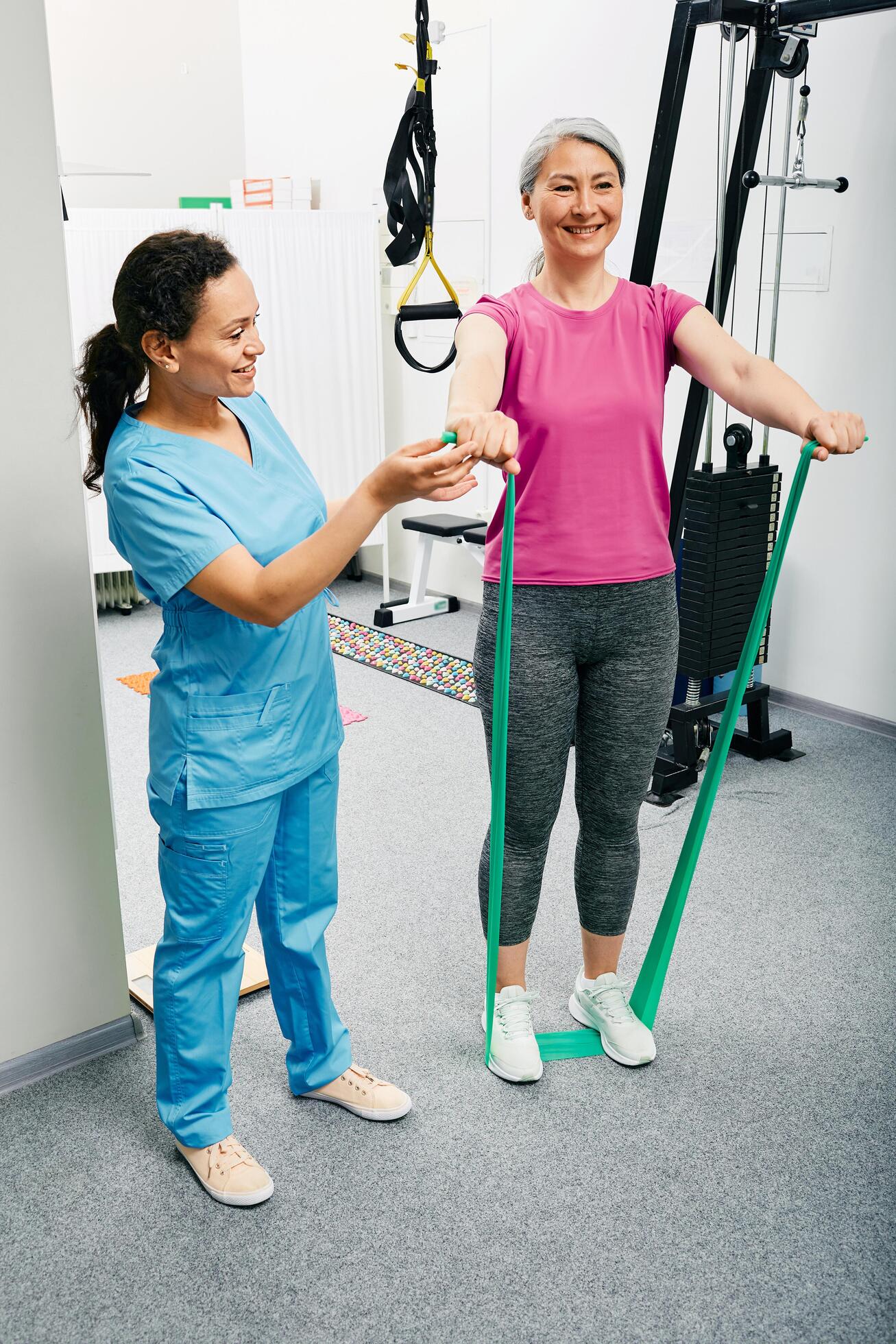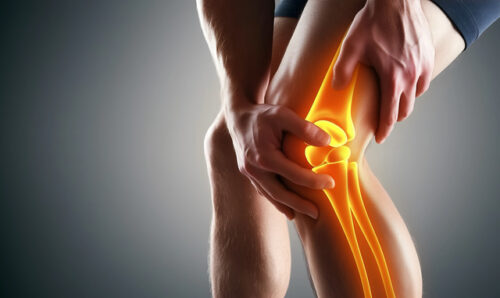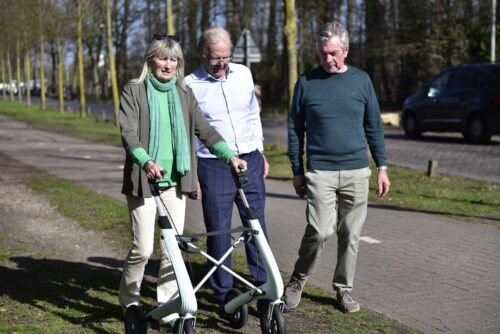
Mobility is one of those things people only notice when it is gone. Putting on socks becomes a project. Getting out of the car turns into a two-step move. Bending for the dog leash takes a breath. Folks in Green Valley deal with this slowly, over the years, and most chalk it up to age. Some of it is. A lot of it is not.
The body loses mobility when it stops being used the way it was built to move. Sitting too much. Walking less. Skipping the stretches and strength that used to happen without thinking. The change is quiet. Then one day, reaching the top shelf feels harder than it should.
What Mobility Really Is
Mobility is not just flexibility. Plenty of flexible people cannot control their joints through the full range. Plenty of strong people cannot get into the positions they need. Real mobility is three things working together. Range of motion in the joints. Strength to control that range. The brain knows how to use it.
When one drops, mobility drops. People feel it differently depending on the weak link. Hips that will not let you squat. Shoulders that will not let you reach. A back that will not rotate. Ankles that will not handle uneven ground without watching every step.
Why Mobility Fades
The body follows what it does most. Sitting for eight hours a day can shorten the hips. Stop reaching overhead and the shoulders stiffen. Skip the small daily moves and the joints lock down.
Around Green Valley, the climate makes it easy to be active year-round, but plenty of people still spend most of their day sitting. Drives across town. Time in front of the TV. Long lunches. The body adapts to the position you give it most.
Old injuries make it worse. A bad ankle sprain twenty years ago still shapes how the ankle moves now. A shoulder that was sore for six months in 2015 still has tight spots. The body never quite finished healing those, and the limits stuck around.
What Changes When Mobility Comes Back
First thing most people notice is that the easy stuff is getting easier. Tying shoes. Reaching the seatbelt. Getting up from the floor after time with grandkids. Sleep often improves because the body is not braced against tight spots all night. Aches without a clear cause start fading.
Bigger picture, better mobility means joints take less wear. Balance gets steadier. Activities that had been dropping off the schedule start coming back.
It does not happen in one session. Mobility takes steady work, especially when it has been gone for years. The body still responds, even later in life. It is built to move. It just needs a reminder.
If your body has been stiff, slower, or less able to do what it used to, reach out to Modern Medicine of South East Tucson to set up an evaluation and start putting real movement back into your day.