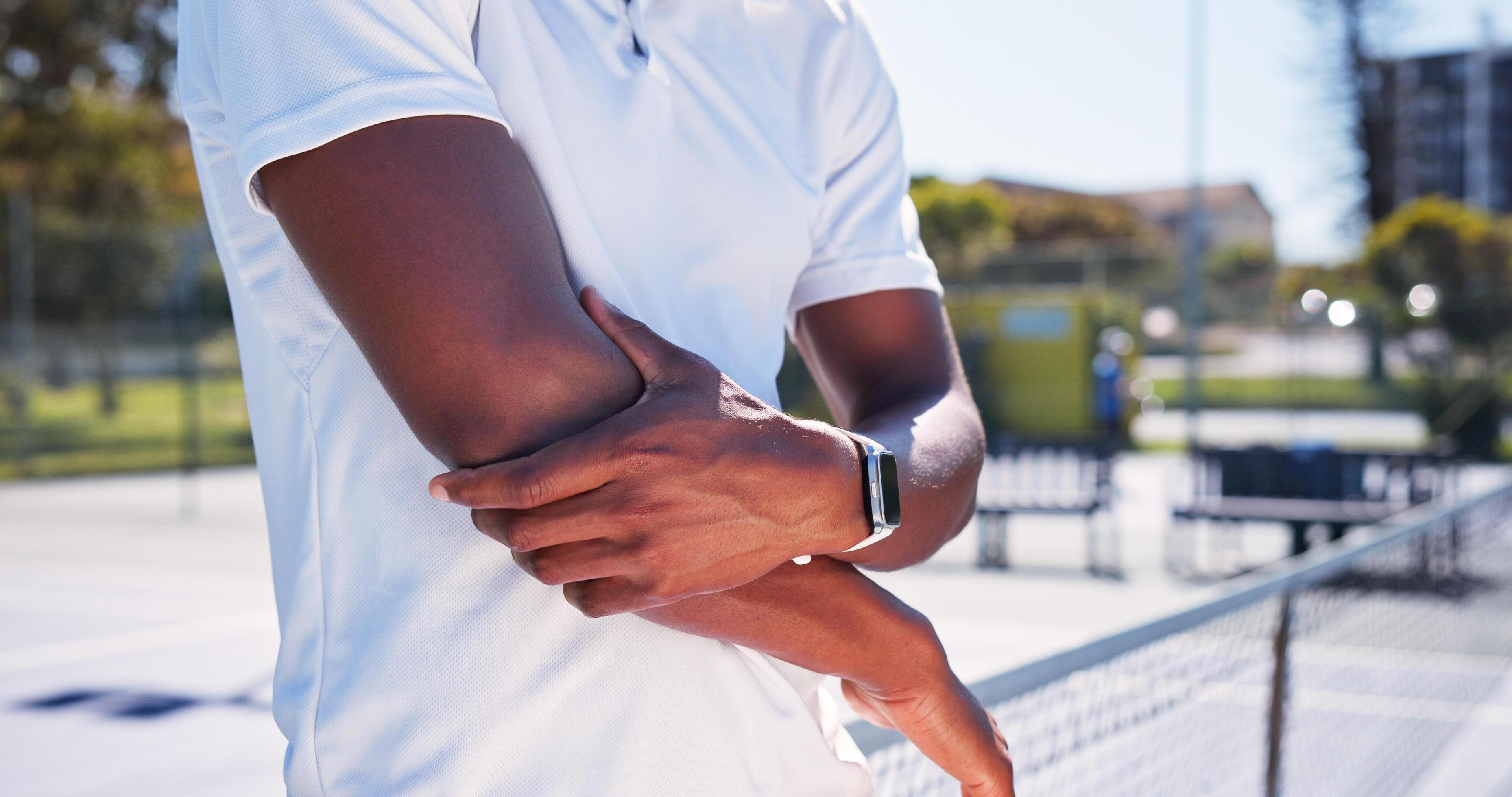
The knee feels fine on the first nine holes. By the back nine it’s aching, and by dinner you’re icing it with a bag of frozen peas. If that sounds like your week, the joint is probably getting more work than it can handle right now. That’s overuse.
Does This Sound Like Overuse?
See how many of these you nod along to:
- It’s fine when you start and sore by the end, or it waits until you’re on the couch that evening.
- Getting out of bed, the knee is stiff for the first few minutes and then loosens up.
- The grandkids visited for a week, you walked everywhere, and now it aches every day.
- Coming down the stairs is worse than going up.
- You can’t remember any fall or twist.
A knee that swells up fast, locks, or buckles under you is another matter. So is pain that started with a fall. Get those checked by a doctor first, and we can help you figure out who to call.
Why the Knee Gets Overloaded
The joint doesn’t work alone. Every step, your thigh muscles soak up a good chunk of the impact, and your hip muscles keep the knee pointed where it should go. Those muscles shrink a little over the years, especially if you’ve slowed down, and then the cartilage takes more of the pounding. Then you add three extra rounds of golf in one week, and there’s your sore knee.
Shoes play a part. So do hard surfaces, steep downhill trails, and kneeling for an afternoon to replant the garden.
What to Change Right Now
You don’t need to stop. You need to cut the dose. Here’s where most people start:
- Trim the activity by about a third for a couple of weeks. Play nine instead of eighteen.
- Don’t stack pickleball Monday, Tuesday, and Wednesday. Put a rest day in there.
- Trade one of your walks for the pool or the stationary bike at the rec center.
- Garden from a low stool or a foam kneeling pad, not the bare ground.
What PT Adds
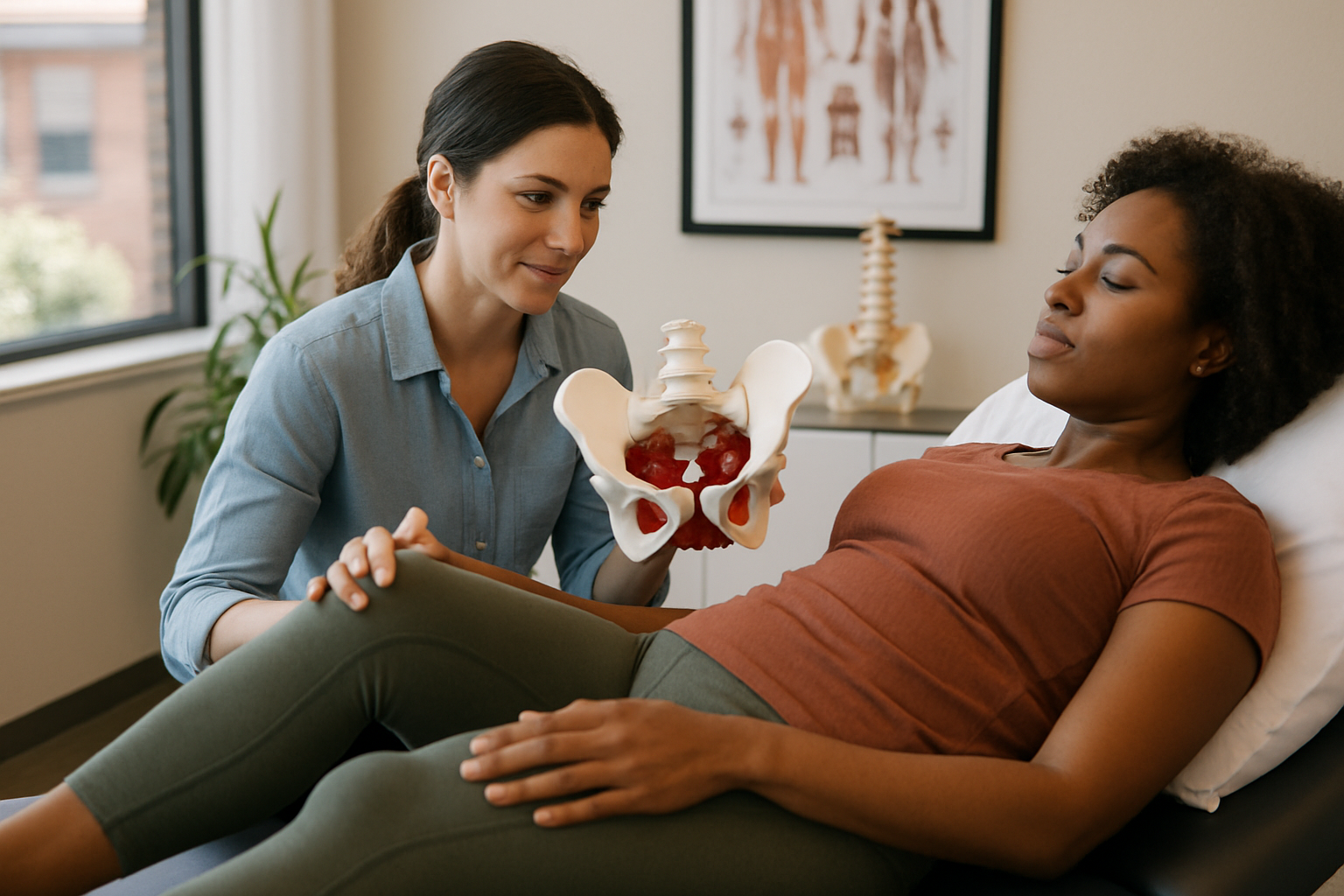
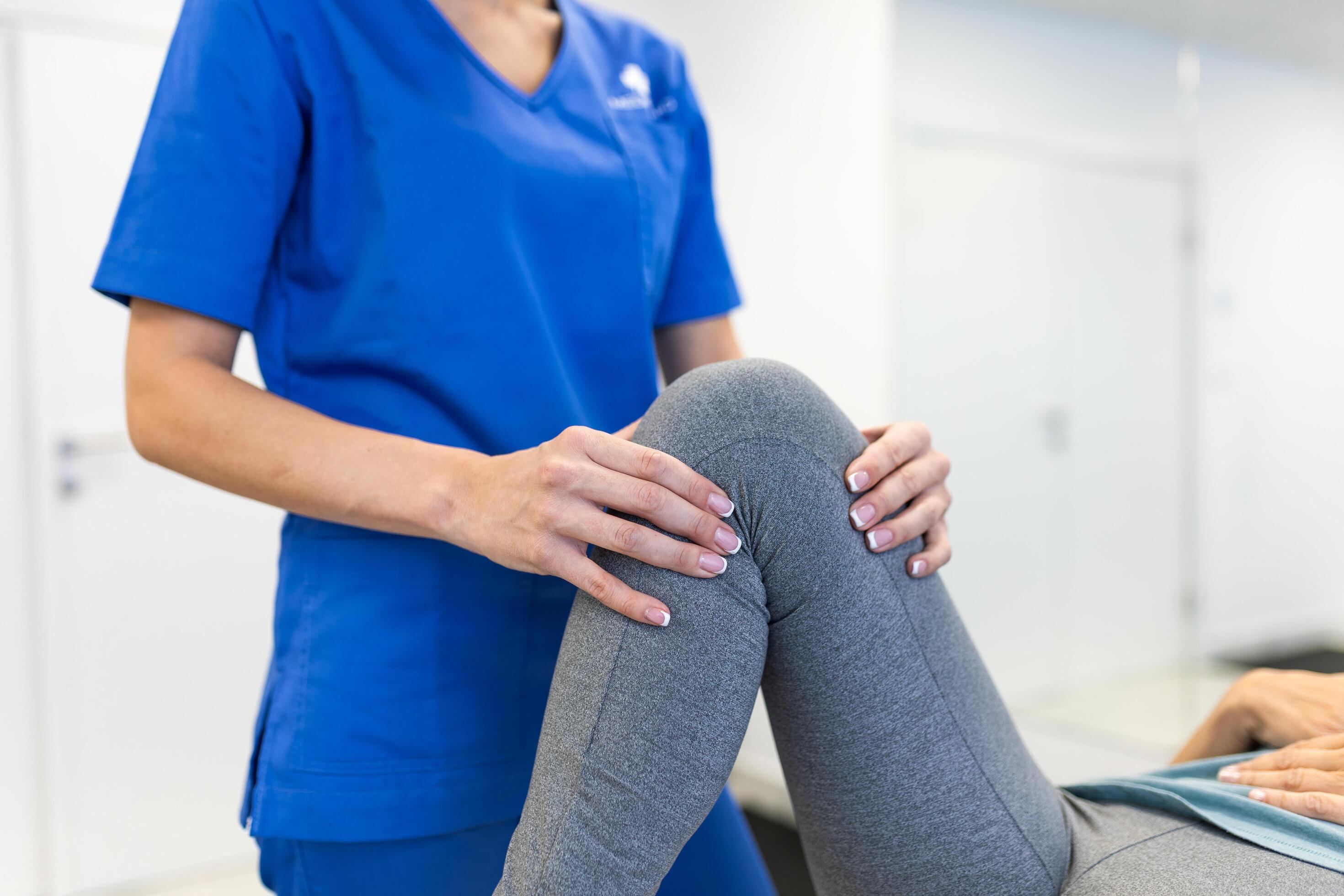
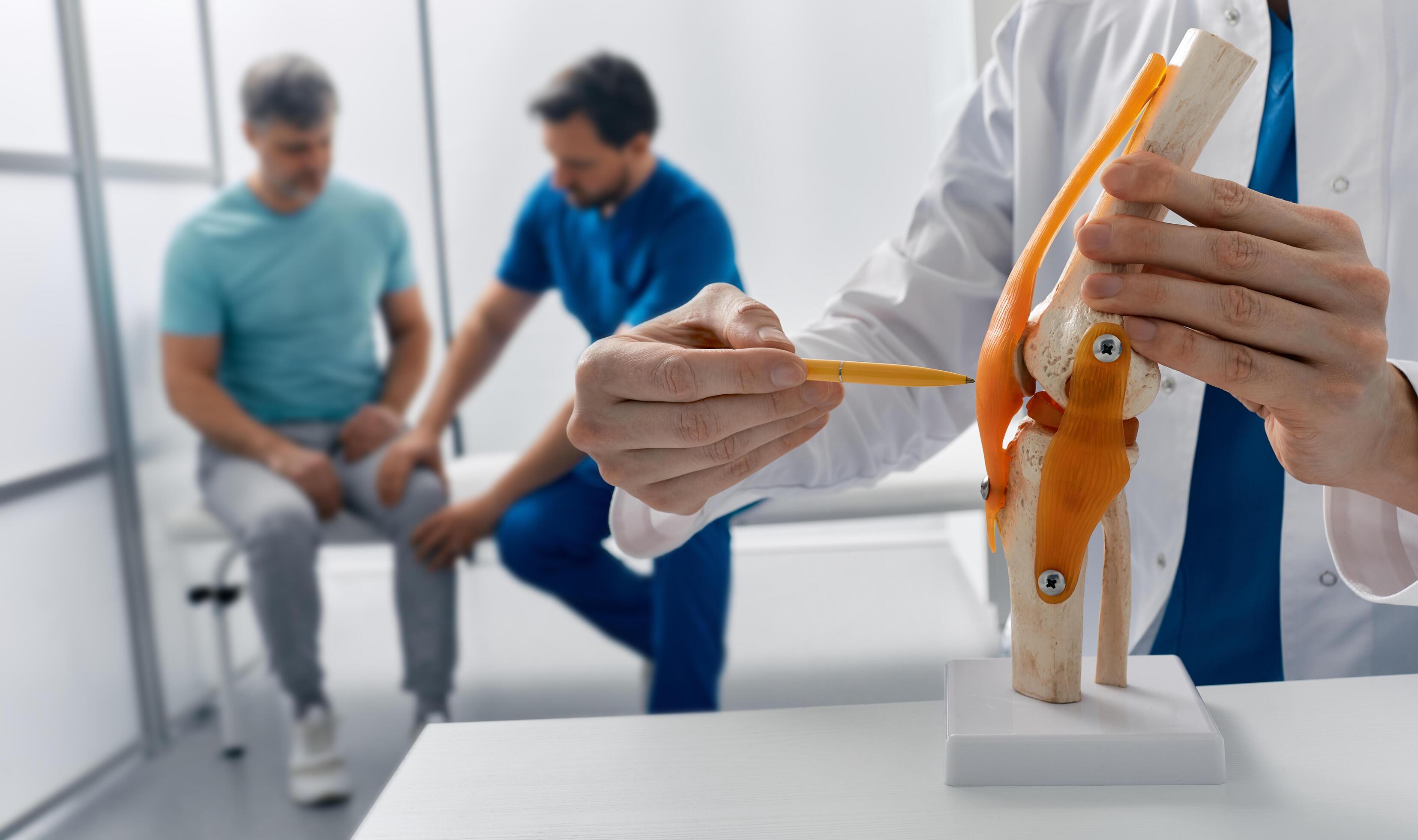
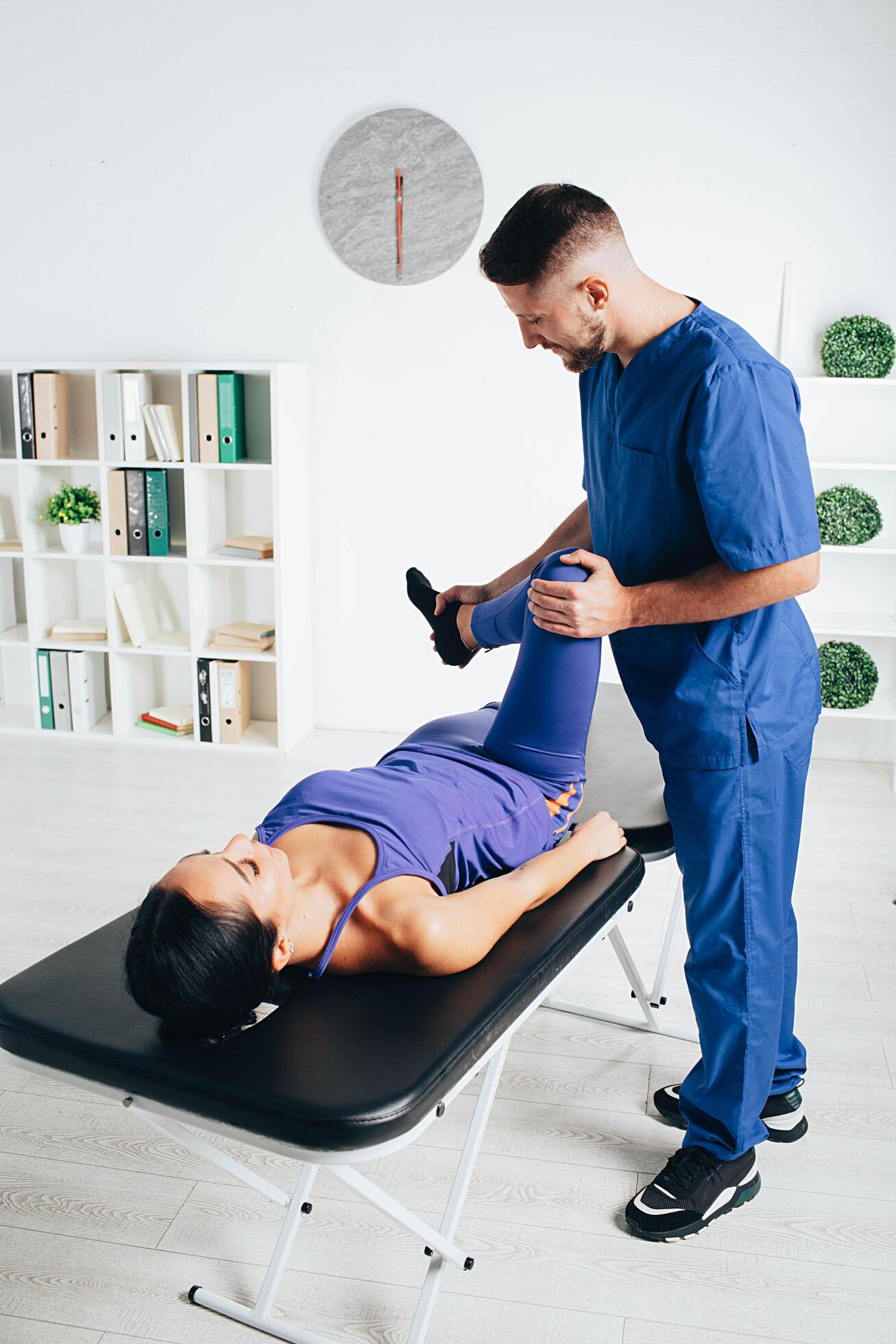
On your first visit, you’ll walk the hallway, squat down a bit, step off a low box, and stand on one foot while we watch your knee. We’ll push against your thigh and hip to see how strong they are, and check how far the knee bends and straightens.
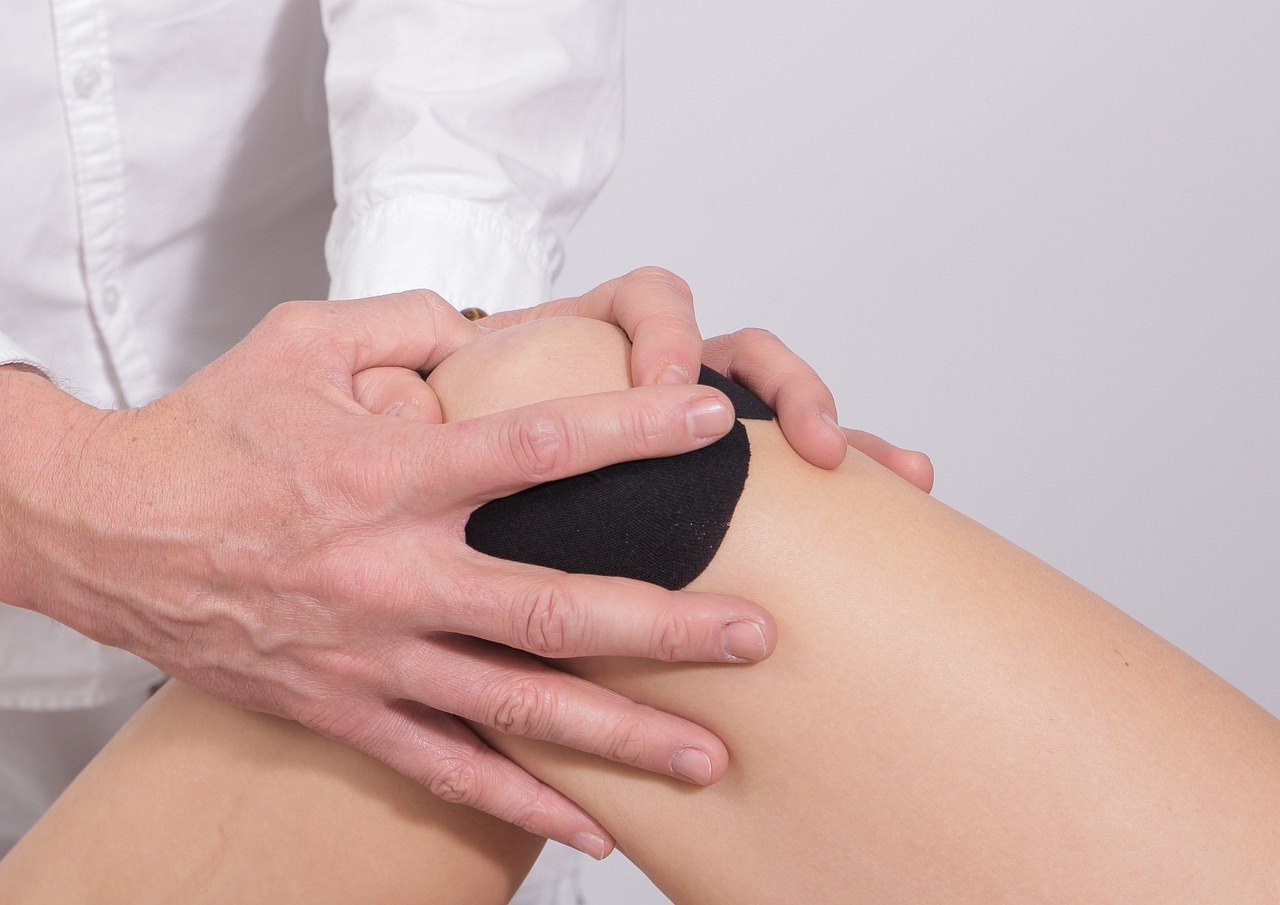
The plan is mostly strength. You’ll lower yourself slowly off a low step, stand up from a chair over and over, lift your leg lying on your side, and push your hips up off the mat. On stiff days, some hands-on work around the kneecap and thigh helps loosen things up. As your strength comes up, we’ll add your activity back in pieces and watch how the knee responds the next day. Many people feel a clear difference in six to eight weeks, and you’ll leave with a home routine of about fifteen minutes that you can keep up a few days a week to stop the ache from creeping back.
If your knee keeps aching after the things you love to do, call Modern Medicine of South East Tucson, AZ and set up a visit.