A lot of what gets blamed on age isn't age. It's disuse that happened to occur while someone was aging, which looks identical from the outside but responds very differently to treatment.
Telling those apart is one of the more useful things physical therapy does for older adults.
What Genuinely Changes With Age
Some things do shift. Muscle mass declines gradually after midlife. Tendons become somewhat less elastic. Reaction time slows a bit. Bone density decreases, particularly after menopause. Balance systems become less sharp.
Those are real and worth accounting for. But here's the thing about every one of them: the rate of decline is heavily influenced by what you do, and much of what's already lost can be regained.
What's Actually Disuse
The bigger driver for most people is a slow reduction in activity, and it compounds quietly:
- Something hurts, so you do less of it
- Doing less costs you strength and conditioning
- Weaker means more things feel hard
- More things feeling hard means doing even less
- The spiral accelerates
People land in that loop in their sixties and attribute the result to being seventy. The years get the blame for what the pattern caused.
Why Strength Work Matters More With Age
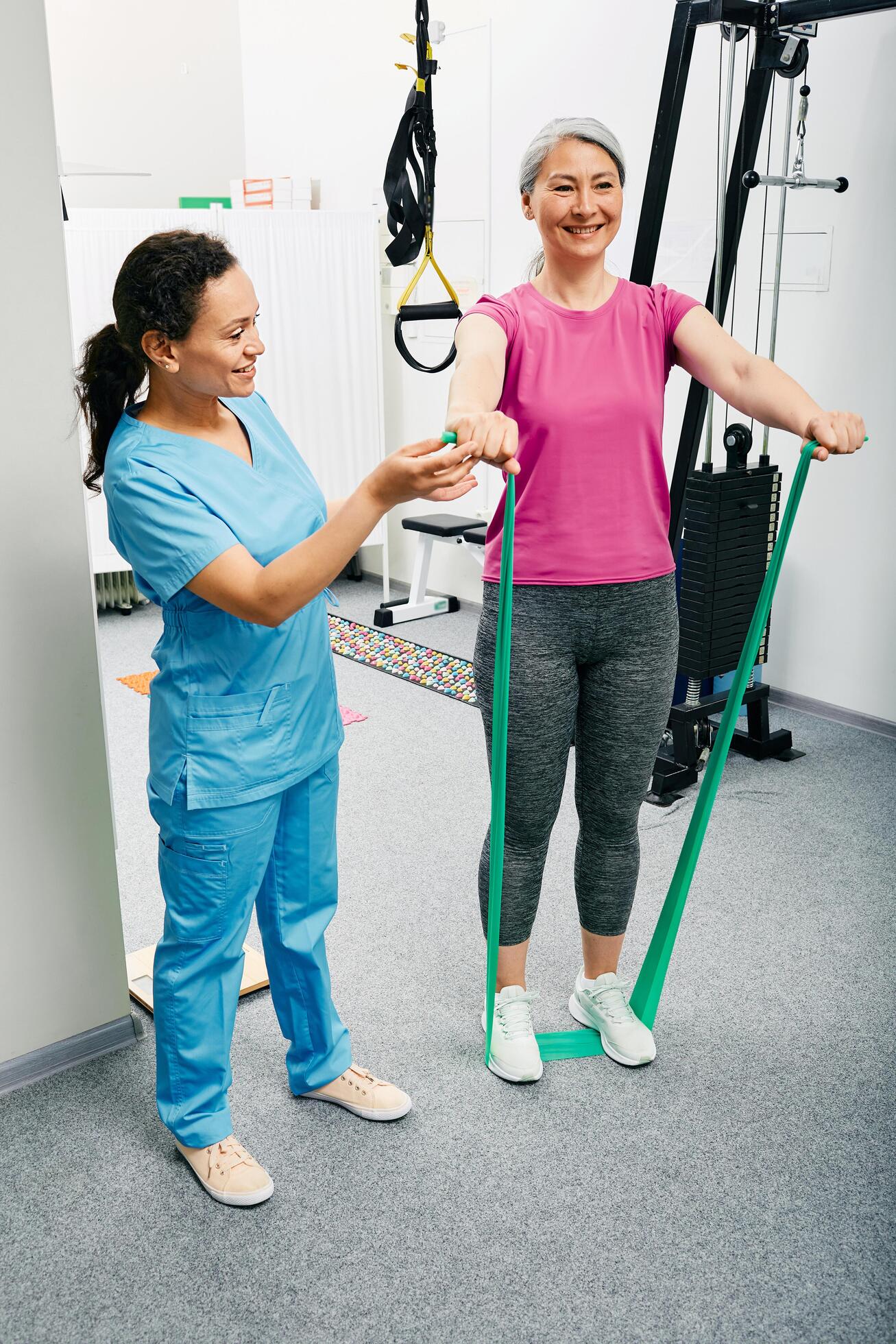
This surprises people. Muscle responds to training well into later decades. Studies on adults in their eighties and beyond show meaningful strength gains from resistance work.
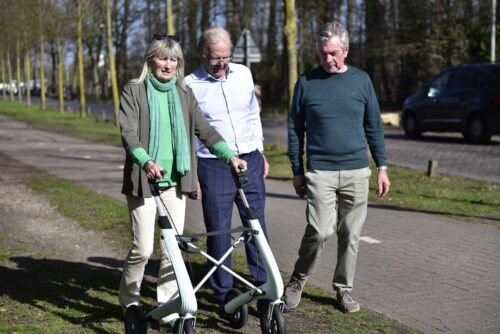
That matters because strength underlies almost everything about independence. Getting off a toilet. Climbing stairs. Carrying groceries. Recovering from a stumble instead of falling. Those are the differences between managing your own life and needing help.
Where Therapy Fits
The value is in targeted work based on what's actually limiting you. An assessment identifies the specific weak links, the stiff ankle, the weak hip, the balance deficit, rather than applying a generic program.
Then the work addresses those, plus the practical things. Balance training to reduce fall risk. Mobility work for stiff joints. Practice with the movements that have gotten difficult.
Falls Deserve Their Own Mention
For older adults, fall prevention is arguably the highest-value thing therapy offers. A single fall can end independence permanently. Strength, balance, and reaction training measurably reduce that risk, and so does addressing the hazards at home.
Starting Before Things Decline
The best time is before you need it. Building capacity while you're still moving well gives you reserve to draw on later. Waiting until you're struggling means climbing out of a hole rather than avoiding one.
Noticing things getting harder than they used to be? Modern Medicine of South East Tucson, AZ can find out what's actually behind it. Call or book through the online form.