Sciatica can make ordinary movement feel unpredictable. One day, it may feel like low-back tightness. The next day, pain may travel into the hip, buttock, thigh, calf, or foot. For Sierra Vista residents who drive, work, exercise, hike, care for family, or manage long days on their feet, sciatic pain can interfere with almost every part of the routine. The good news is that many cases of sciatica do not require surgery.
Modern Medicine of South East Tucson, AZ, helps patients understand where nerve-related pain may be coming from before building a plan. We combine physical therapy with non-surgical orthopedic care, so treatment may include movement assessment, imaging when appropriate, pain management options, hands-on therapy, strengthening, and follow-up rehab. Our goal is to match care to the cause, not simply chase symptoms.
What Sciatica Really Means
Sciatica refers to pain linked to irritation or compression of the sciatic nerve or related nerve roots in the lower back. The pain may feel sharp, burning, electric, aching, or heavy. Some patients also notice numbness, tingling, or weakness in the leg.
The source may vary. A disc problem, spinal narrowing, joint irritation, muscle tension, inflammation, posture strain, or movement pattern may contribute. Because causes differ, treatment should start with a careful evaluation. Guessing can waste time and may allow symptoms to worsen.
How Non-Surgical Orthopedic Care Helps
Non-surgical orthopedic centers often treat sciatica by looking at the spine, hips, muscles, nerves, and movement together. Instead of jumping straight to an invasive option, we evaluate what is driving the pain and determine the level of care that fits your condition.
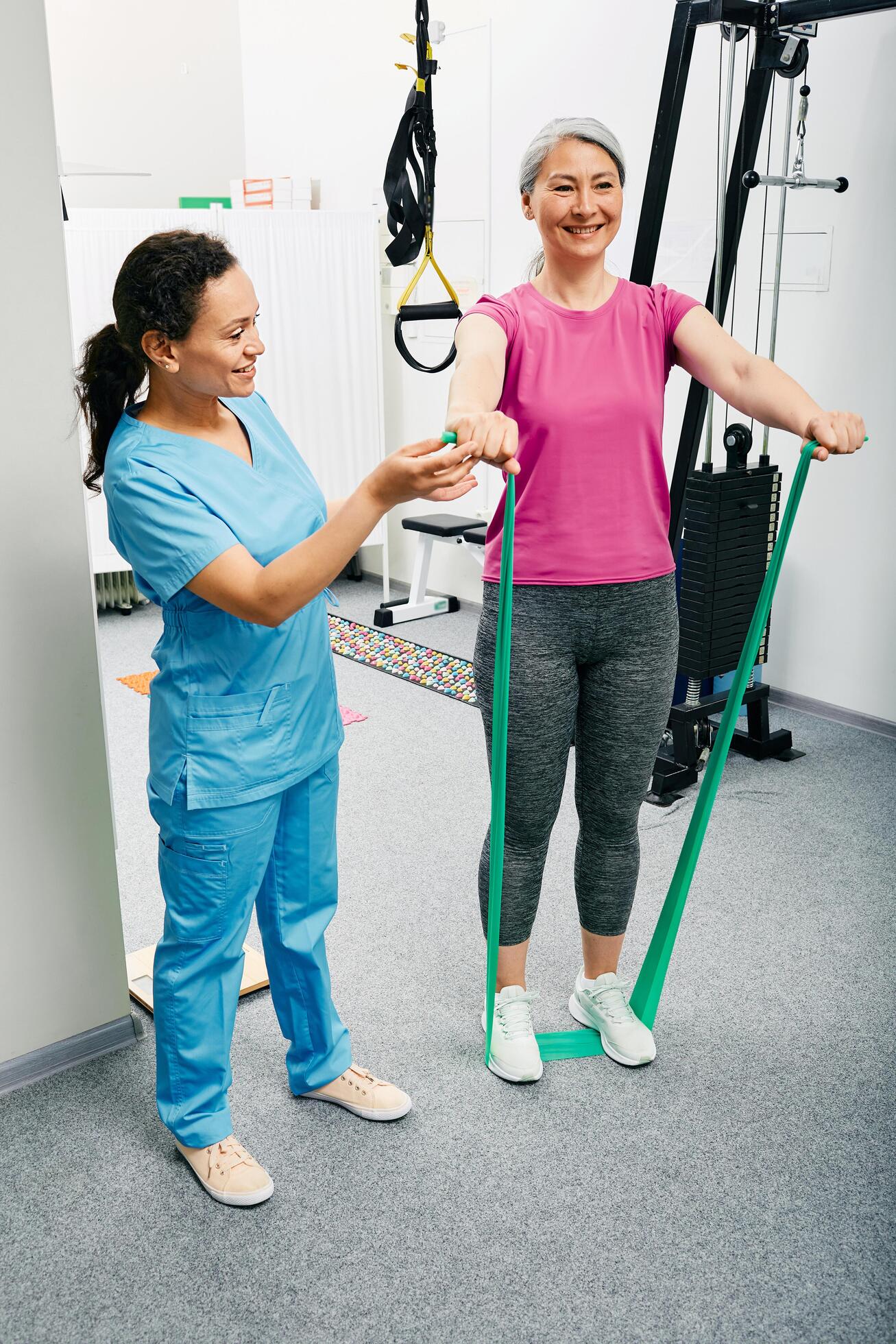
A plan may include physical therapy to improve mobility, core strength, hip control, posture, and walking mechanics. It may also include pain management strategies, activity modifications, targeted exercises, and education on positions or movements that are likely to reduce nerve irritation. If symptoms suggest a more complex issue, imaging may help guide the next step.
When Injections May Be Considered
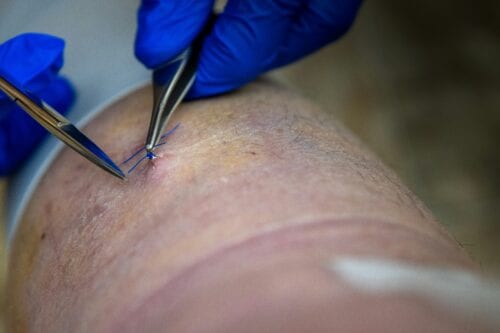
Some patients need more than exercise alone, especially when pain keeps them from moving well enough to participate in therapy. In those cases, an orthopedic provider may discuss injection options designed to reduce inflammation and calm irritated tissue near the painful area.
Injections are not a cure by themselves. They work best when paired with rehab aimed at improving strength, movement, and daily function. Relief may create a window where the body can move better, and therapy helps make use of the improvement.
Why Therapy Still Matters
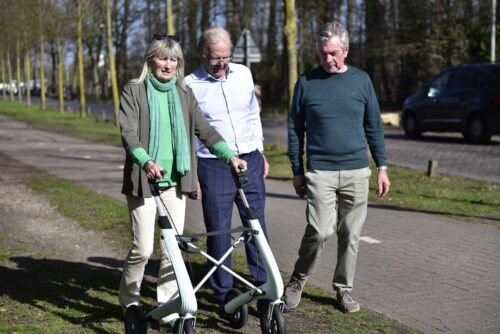
Sciatica often changes how people move. You may shorten your stride, lean away from pain, avoid bending, or stop exercising. Those protective habits can lead to stiffness, weakness, and increased strain.
Physical therapy helps rebuild safer movement. We may work on core control, hip strength, nerve mobility, walking tolerance, lifting mechanics, and home exercises. The plan should challenge the body without pushing symptoms beyond what is reasonable.
Schedule a Consultation Near Sierra Vista
If sciatic pain keeps interrupting your work, sleep, driving, or daily routine, non-surgical orthopedic care may be a practical place to start. Severe weakness, loss of bladder or bowel control, or numbness in the groin area needs urgent medical attention.
Call Modern Medicine of South East Tucson, AZ, to schedule a consultation.
Phone: (480) 306-6627
Email: scheduling@getmodernmedicine.com
Address: 6606 E Carondelet Dr, Tucson, AZ 85710