More Than a Diagnosis and a Handout
A lot of people leave a medical appointment with a label for what is wrong and not much else. A prescription, maybe. Instructions to rest. Come back if it gets worse. That is not guided recovery.
Non-surgical orthopedic care is built differently. The diagnosis opens the conversation. What follows is a process that adjusts based on how the patient actually responds rather than a fixed protocol applied the same way regardless of what is happening.
Understanding What Is Driving the Pain
Imaging shows structure. It does not show how someone gets off the couch or whether the knee swells after a shift at work.
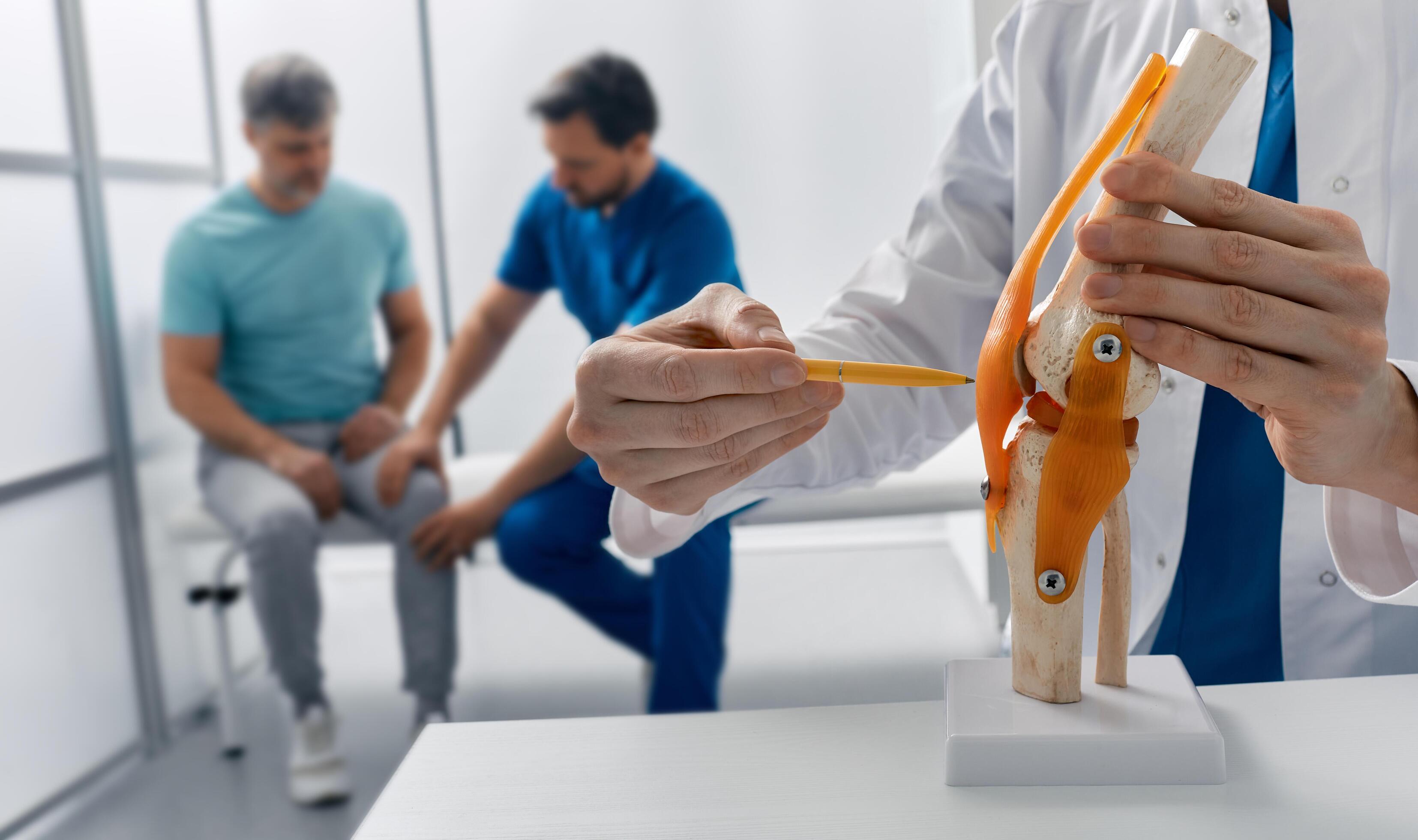
A proper evaluation looks at how the joint moves, where strength has dropped off, what compensation patterns have developed, and what daily life actually looks like. Two patients with the same diagnosis can be in completely different situations. One has early degeneration and weak surrounding muscle. The other has moderate structural change, but a movement fault is loading the joint incorrectly on every step. The recovery path looks different for each.
Building the Right Plan
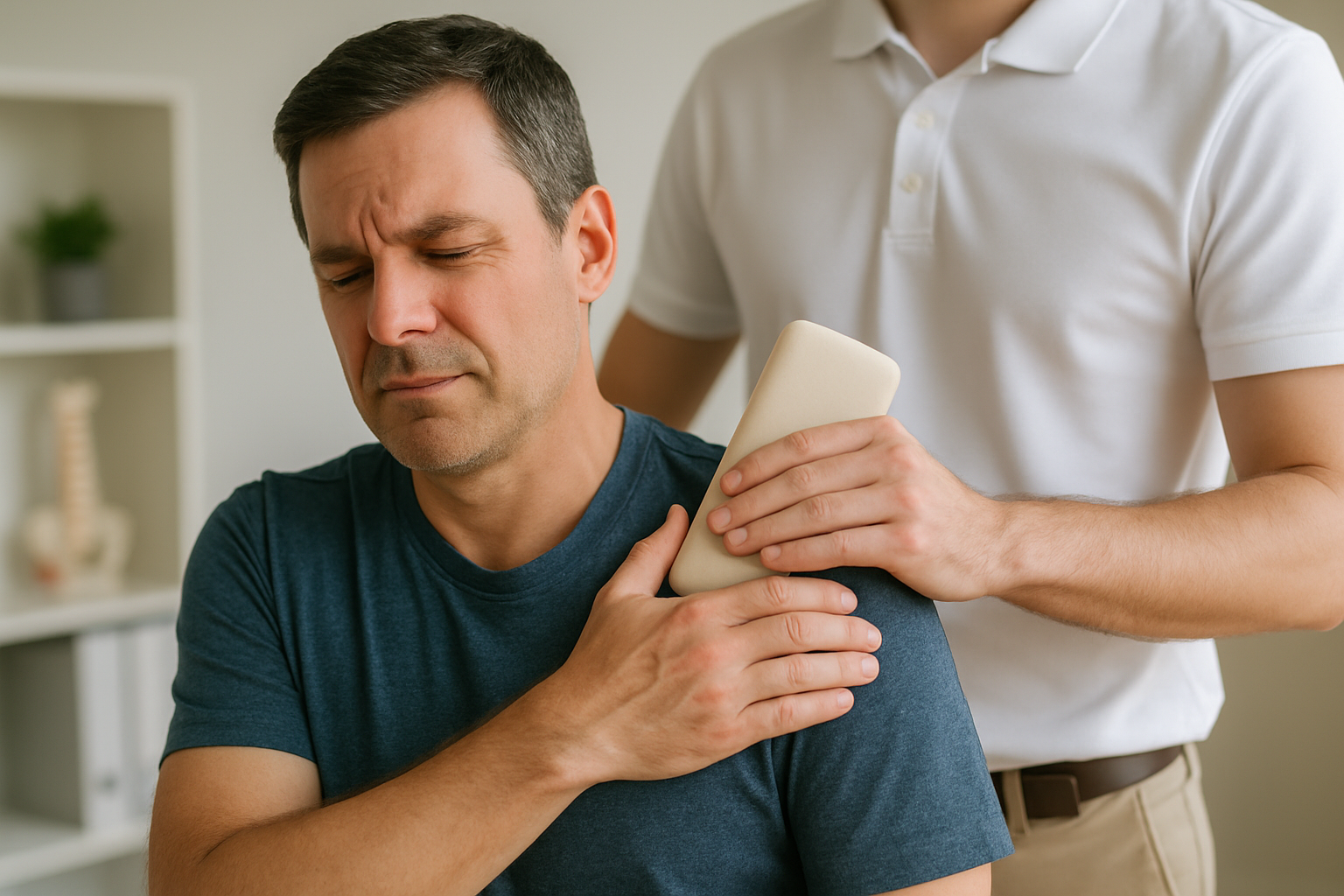
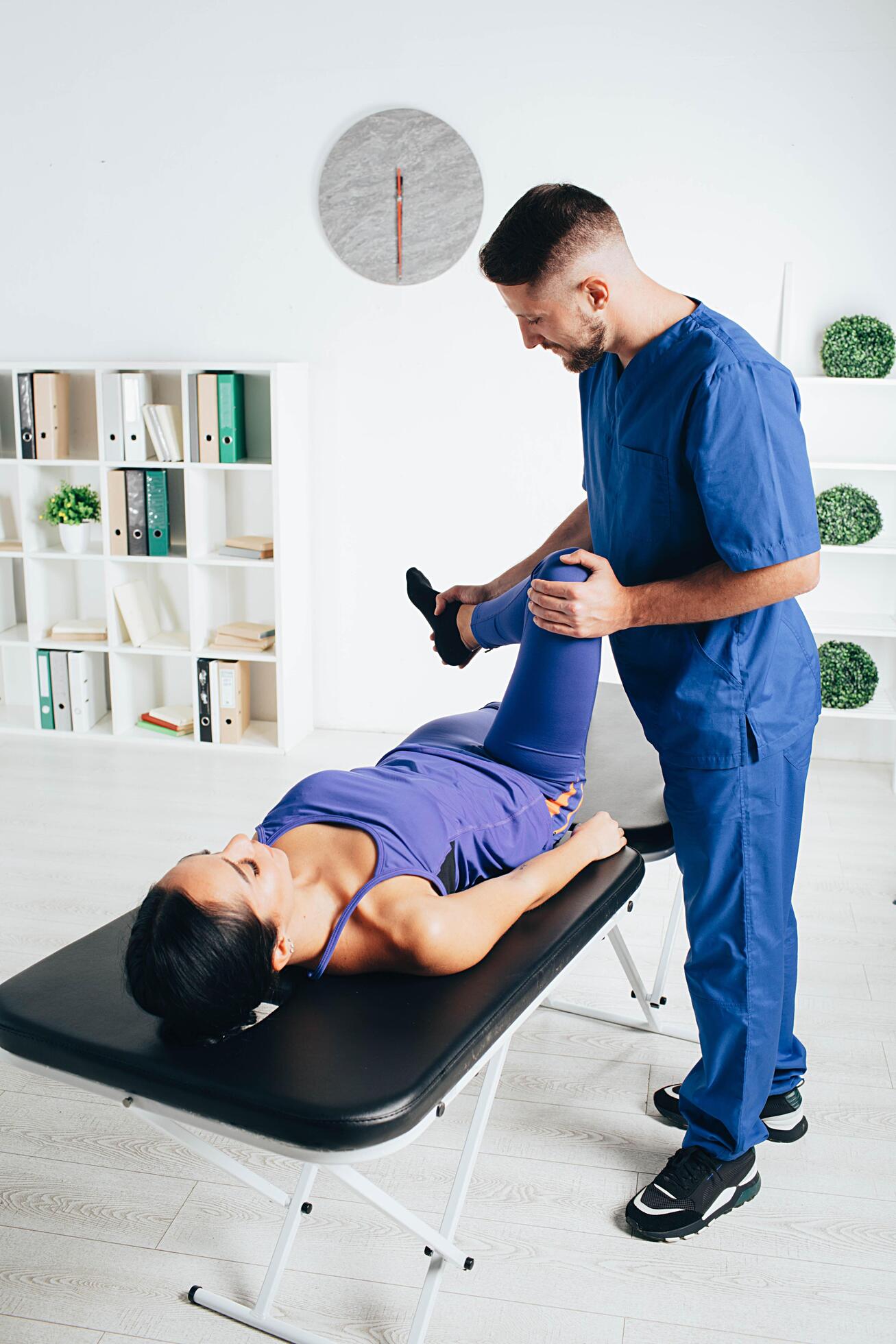
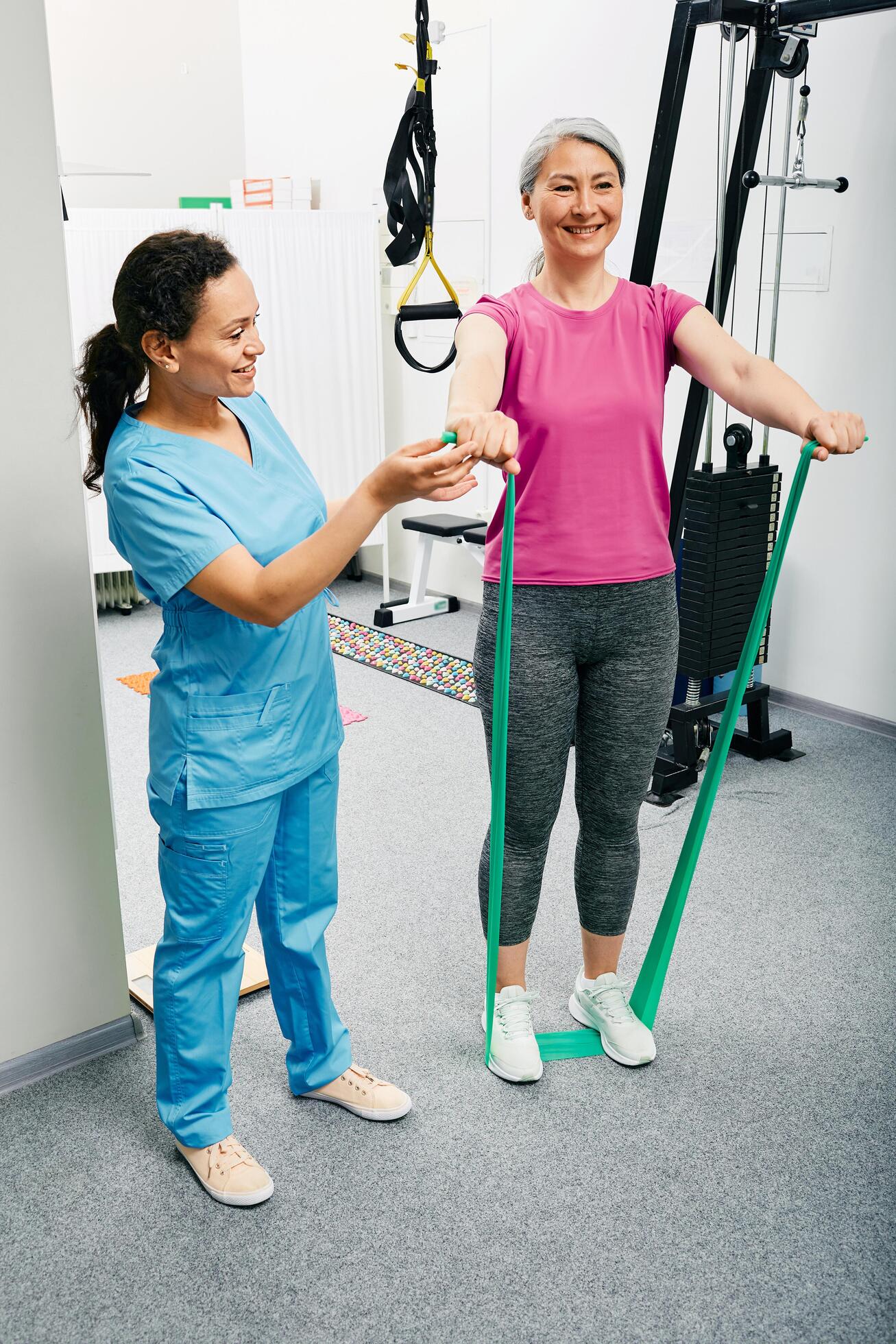
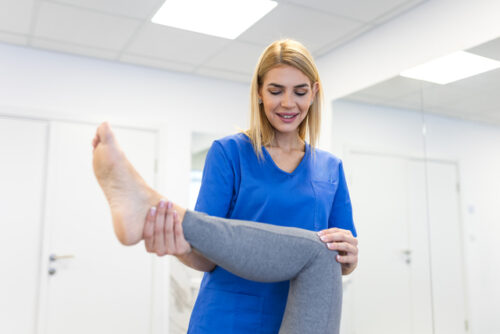
Most non-surgical orthopedic plans pull from more than one direction at once. Physical therapy addresses muscle weakness and the movement faults, feeding the pain. Manual therapy restores mobility lost to stiffness or tissue restriction. Injections reduce inflammation or improve joint lubrication when those are the barriers slowing progress. A home program keeps things moving between appointments rather than starting from scratch each visit.
The combination reflects what the evaluation found, what the patient’s daily demands are, and what stage of recovery they are in. Early care looks different from care six weeks in.
Adjusting as Things Change
A patient progressing well can handle more load sooner. One who is not progressing needs the plan reassessed, not just more repetitions of the same thing. A flare-up mid-recovery needs to be explained and accounted for rather than treated as a setback with no context.
Active guidance means somebody is paying attention to what is actually happening week to week. Progress gets built on. Problems get addressed directly. The patient understands why things are changing rather than just receiving updated instructions and wondering why.
What the Process Looks Like in Practice
Honest timelines. Direct answers about what recovery involves and what a realistic outcome looks like. A plan that reflects the actual situation rather than a generic approach.
Care that is working shows up in daily life before it shows up on a chart. Better sleep. Less planning around the joint. More confidence moving through a full day without the pain deciding what is and is not possible.
If joint pain or an injury has not responded to self-management, reach out to Modern Medicine of Southeast Tucson, AZ to get an evaluation on the calendar.