Sierra Vista, AZ — How Do Orthopedic Doctors Diagnose and Treat Tennis Elbow?
How Tennis Elbow Diagnosis Works
Diagnosing tennis elbow is mostly clinical, meaning it comes from the exam rather than a scan. A doctor takes the history first. Where exactly it hurts, what brings it on, whether it's tied to repetitive gripping or wrist activity at work or a hobby.
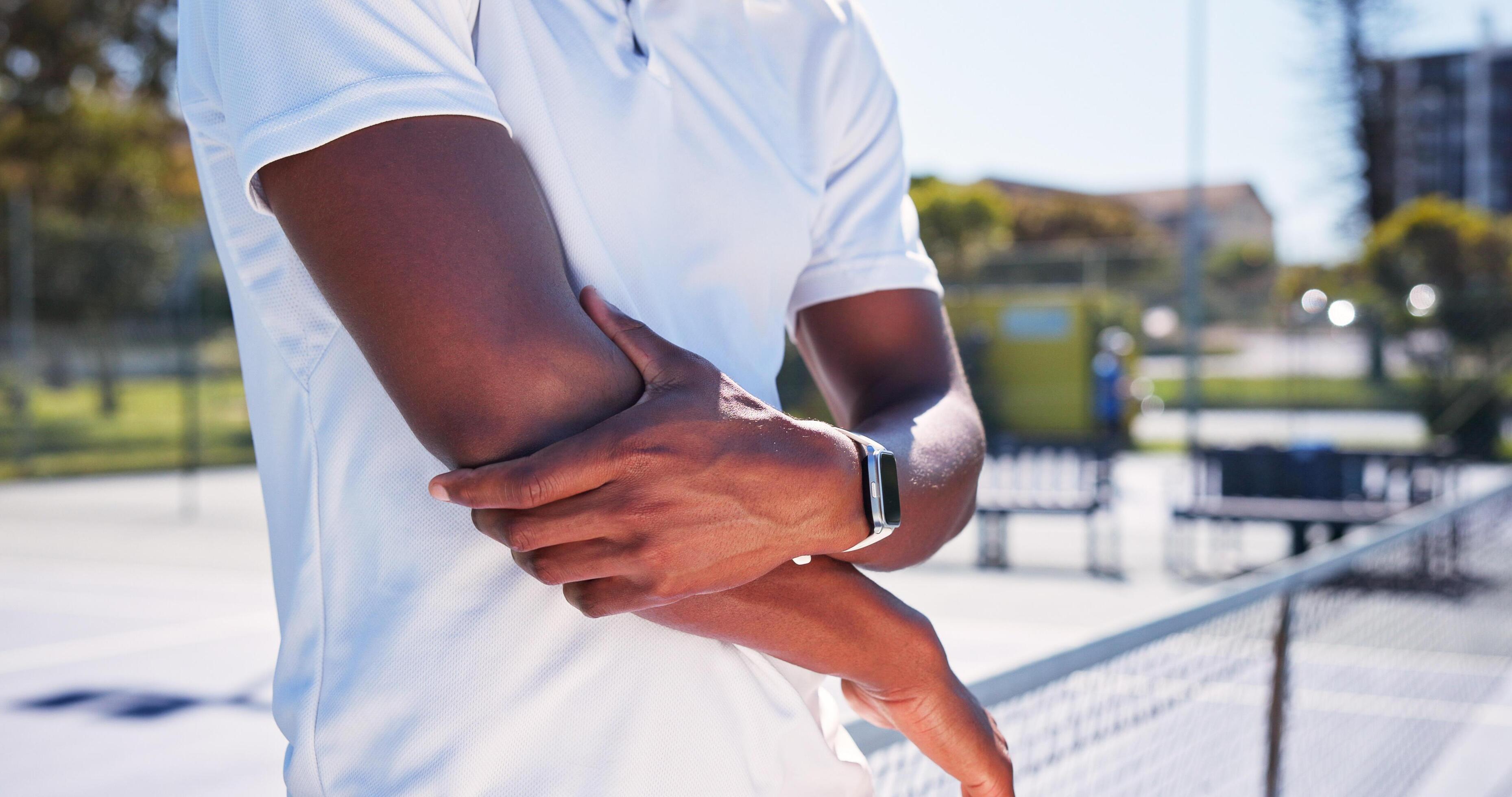
Then comes the physical exam. Tennis elbow has some telltale signs. Tenderness at a specific spot on the outer elbow where the tendon anchors. Pain reproduced when you resist extending the wrist or fingers. Pain with gripping. These tests point clearly toward the tendon being the culprit.
Imaging usually isn't needed for a straightforward case, though it can come in to rule out other things when the picture is unclear.
What Else It Could Be
Part of a good diagnosis is ruling out the impostors. Pain on the outside of the elbow can also come from a pinched nerve in the area, arthritis in the elbow joint, or referred pain from the neck. Each of those needs a different approach, so a doctor checks that the signs actually fit tennis elbow rather than assuming.
That distinction is why self-diagnosis can lead people astray. Treating a nerve problem as if it were a tendon problem gets you nowhere.
How It Gets Treated
Once tennis elbow is confirmed, treatment centers on the tendon, and the key insight is that tendons heal through loading, not rest:
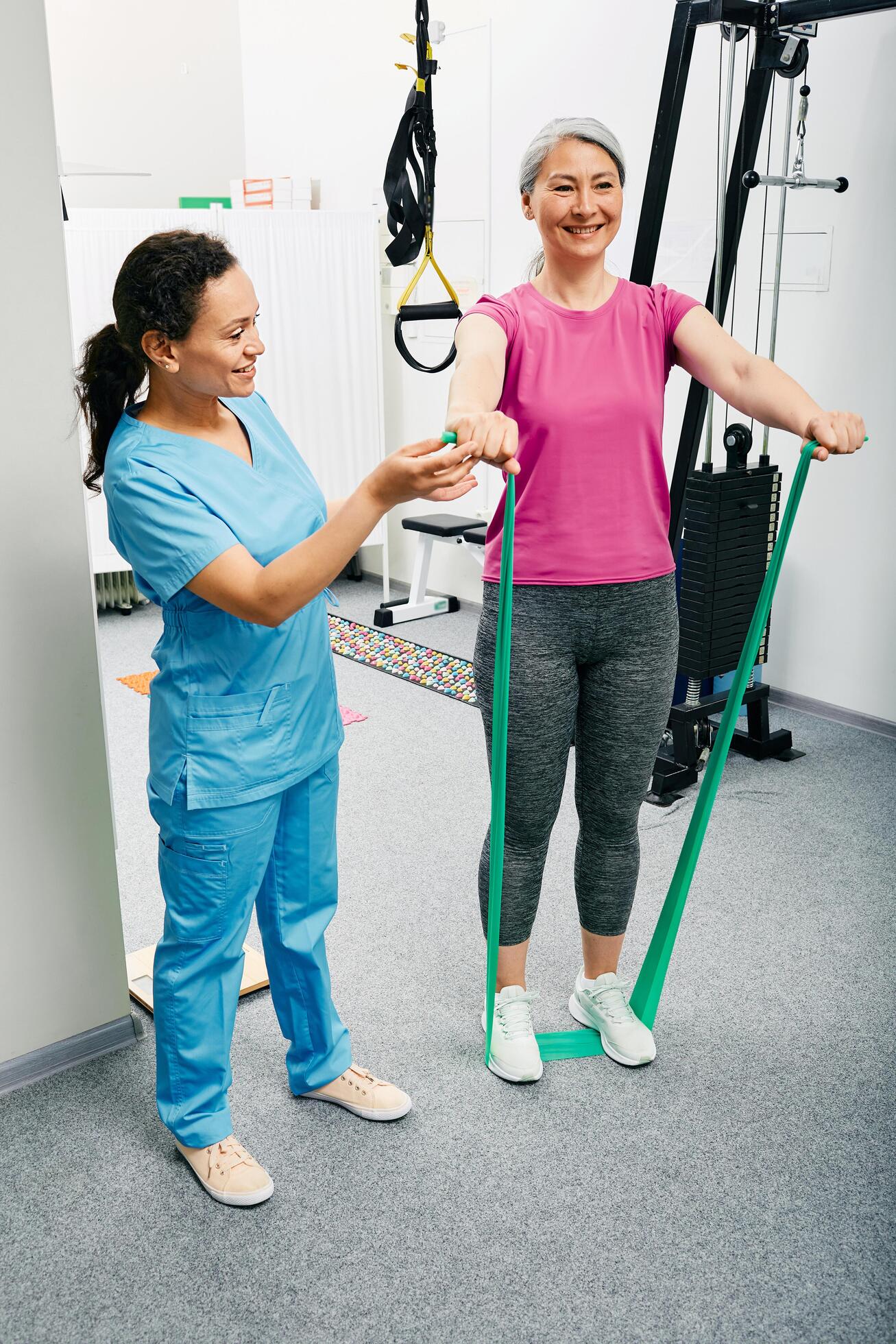
- Progressive strengthening of the forearm, especially eccentric work, which rebuilds the tendon
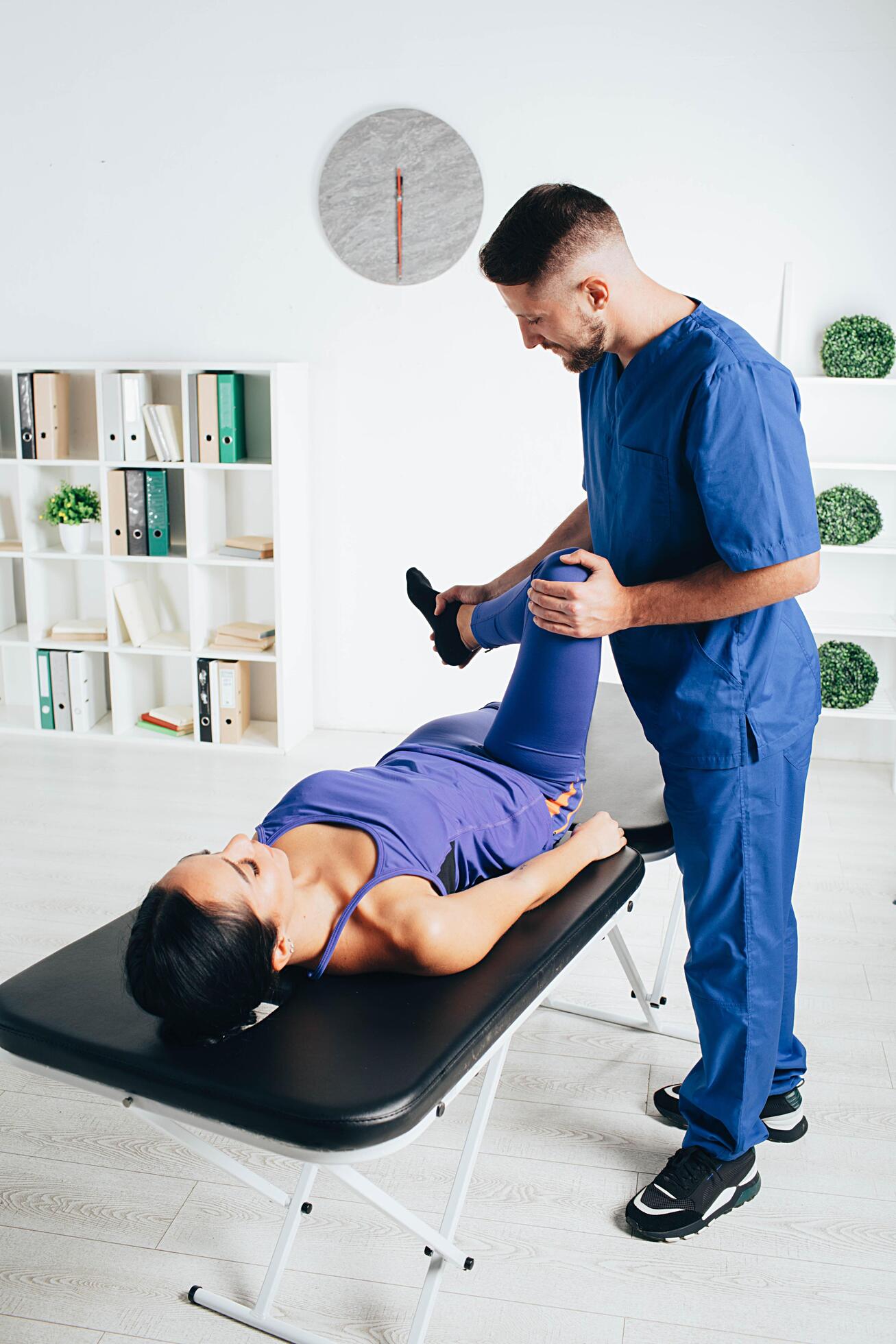
- Hands-on therapy to ease the tight forearm muscles pulling on the elbow
- Activity and technique changes to stop overloading the tendon the same way
- A brace or strap for symptom relief during daily tasks, alongside the real work
- Patience, since tendons are slow healers and need time to rebuild
The strengthening is what actually resolves it. Resting alone calms it briefly but leaves the tendon weak, so the pain returns when you go back to normal. Loading it properly is what makes the fix hold.
Why Patience Is Part of the Plan
Tennis elbow frustrates people with how long it takes. Tendons get little blood flow, so they heal slowly by nature. A stubborn case can take months of consistent work. The trick is sticking with the loading past the point where the pain fades, since stopping early is how it comes back.
When to Get It Looked At
Worth getting checked when outer elbow pain has hung on past a few weeks, when gripping or lifting sets it off, when it's there in the morning or after activity, or when rest helps briefly and then it returns.
If elbow pain is wearing on you, come get it properly sorted at Modern Medicine of South East Tucson, AZ. We'll pin down what it is and treat it right. Give us a call to get started.