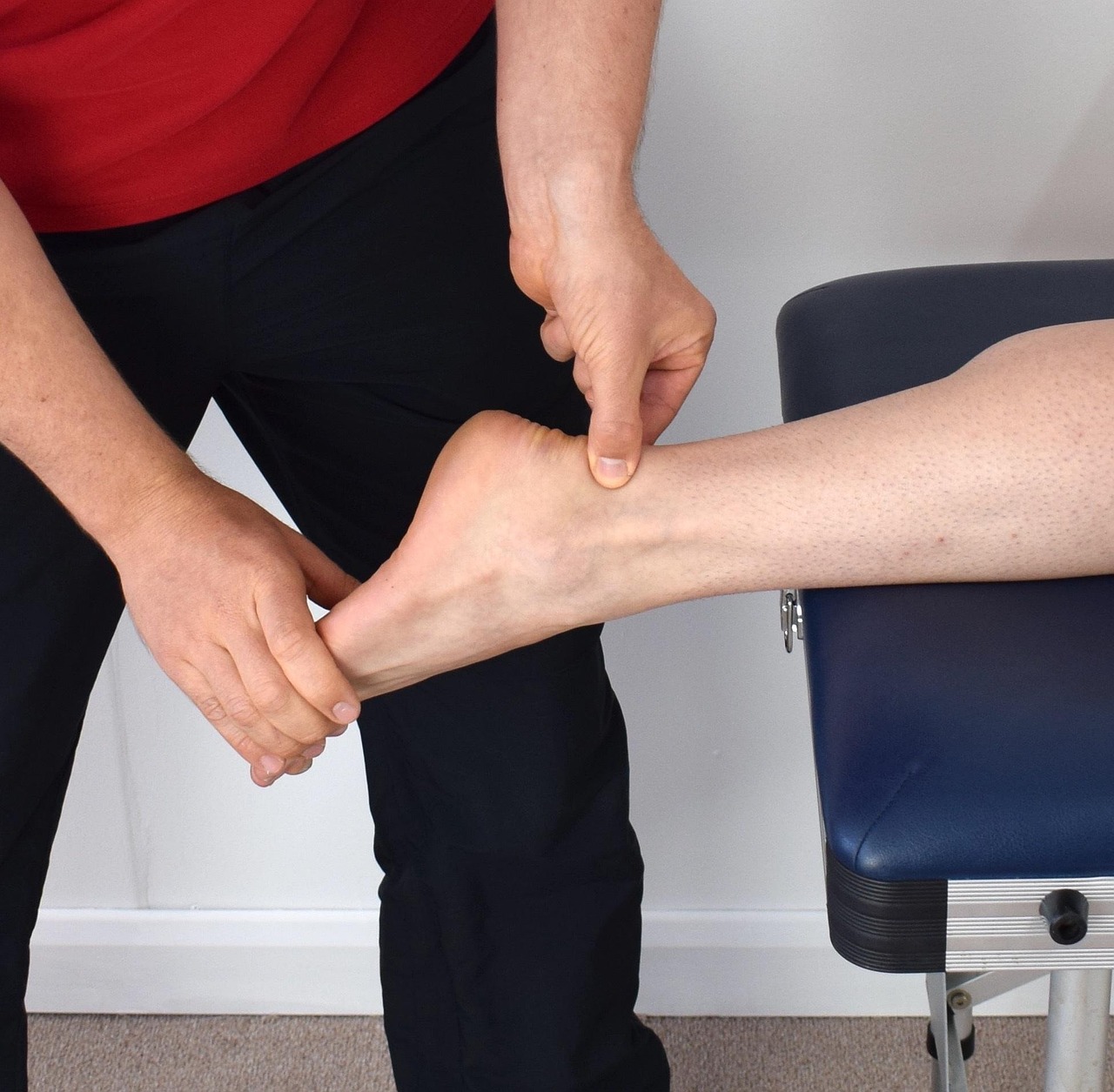
At first you can pretty much ignore it. The laundry basket moves to your good arm. Carr Canyon is off the list, so you walk the flat loop by the house. Out at Fort Huachuca, some people just suck it up on ruck marches so nobody puts them on profile. Then it’s March, and it was hurting at Thanksgiving. That same spot by the elbow or heel, or the one under the kneecap, still lights up every time you use it.
The Mistakes That Keep It Going
Nearly everyone has tried something before they get to us. Usually it was a reasonable idea. It just didn’t work, and these are the ones we hear about the most:
- Two weeks off, it feels fine, and then you go right back to your usual three-mile run on day one.
- Yanking on the sore spot with stretch after stretch, which some tendons really don’t like.
- Living on ibuprofen for a month so you can keep doing everything.
- A cortisone shot, a few good weeks, and then nothing else changes.
- Waiting it out, hoping it’ll fade on its own if you just ignore it.
None of these are crazy. They just don’t give the tendon what it needs to heal, which is the right amount of load, built up a little at a time.
Where It Shows Up
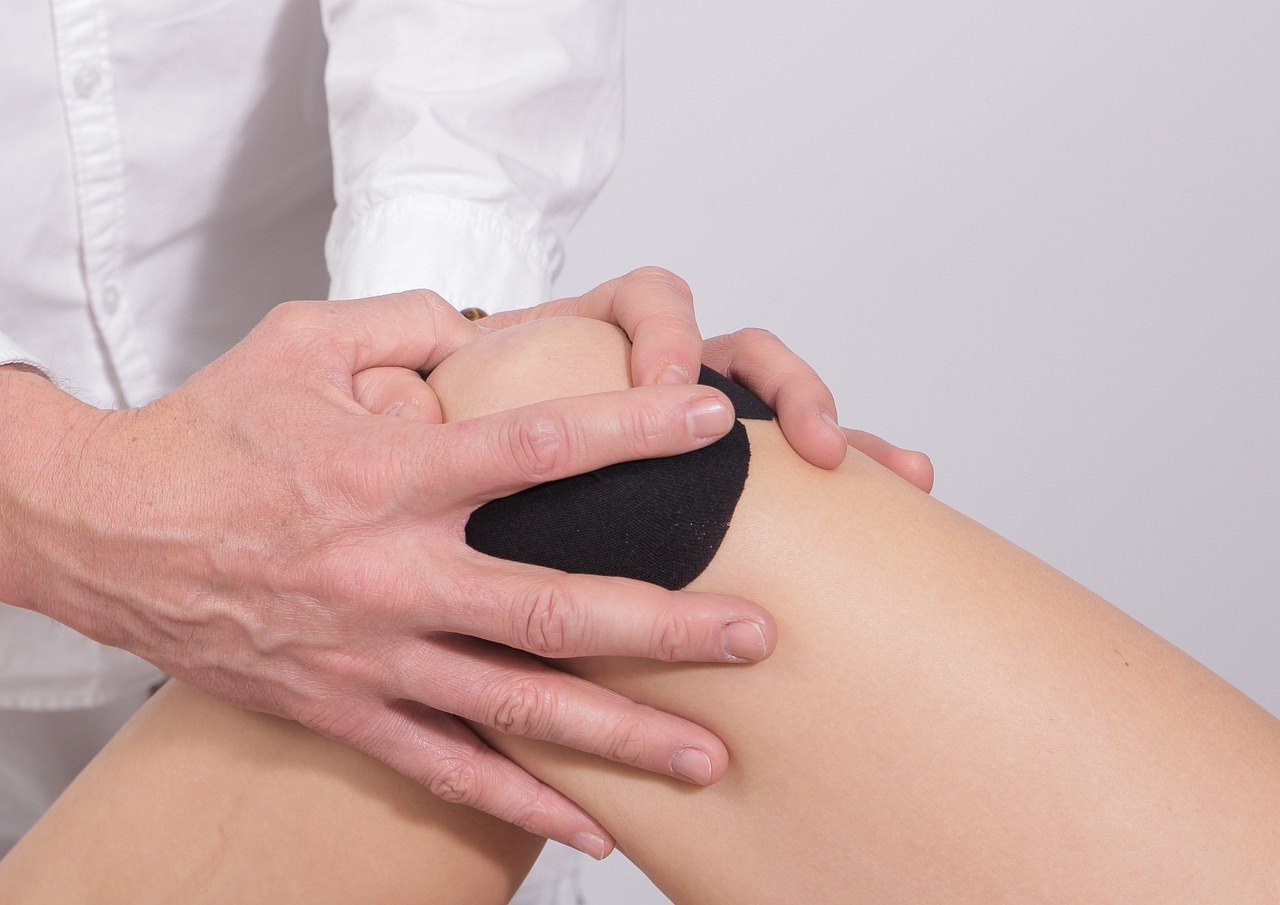
Tendons get sore wherever they get overworked. In Sierra Vista we see a lot of Achilles pain from running and rucking, and knee pain just below the kneecap from jumping, stairs, and heavy squats. Shoulders get it from overhead lifting and swimming. Elbows get it from tools, rackets, and long days at a keyboard. The outside of the hip gets it too, especially in people who walk a lot or sleep on that side.
What Treatment Looks Like
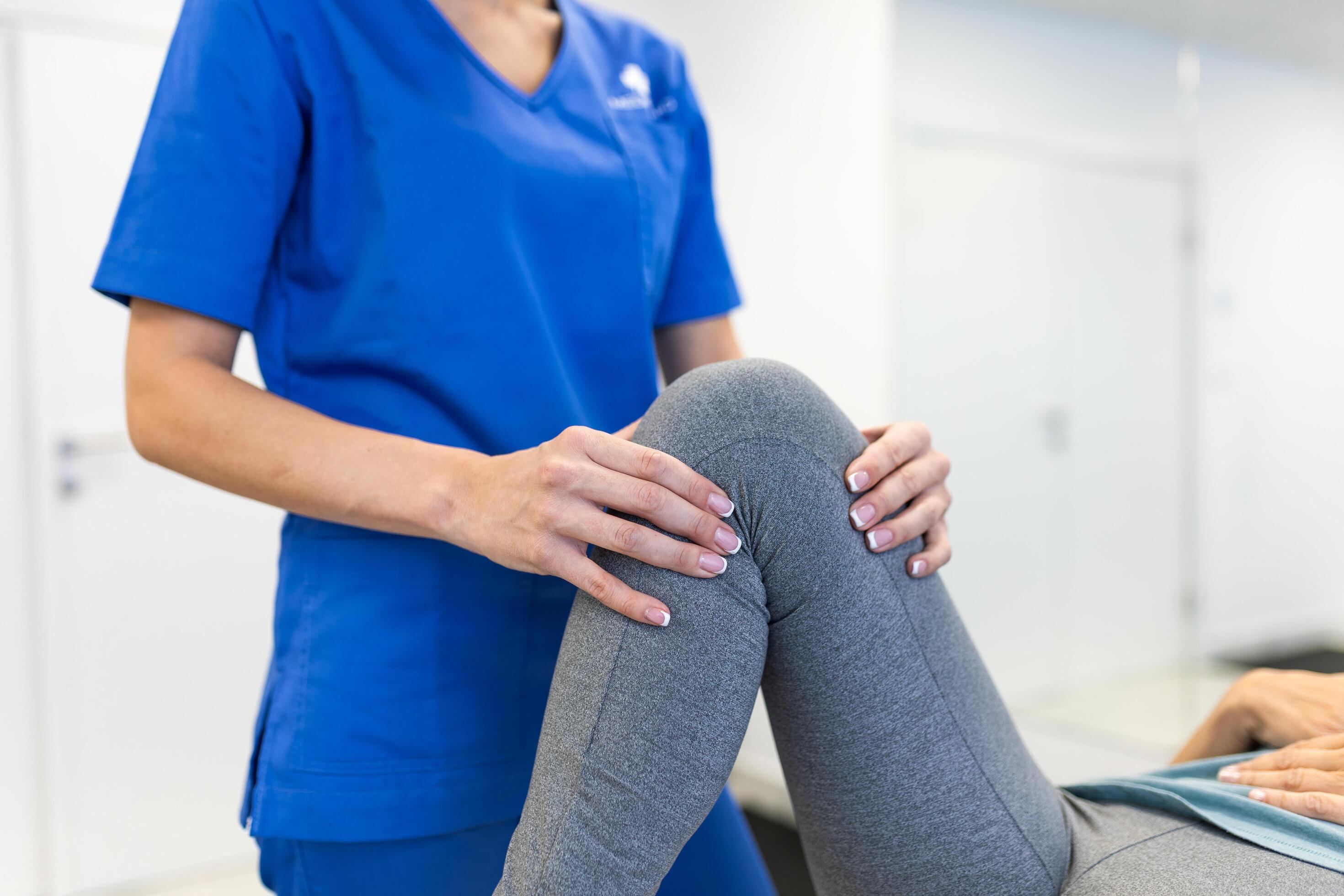
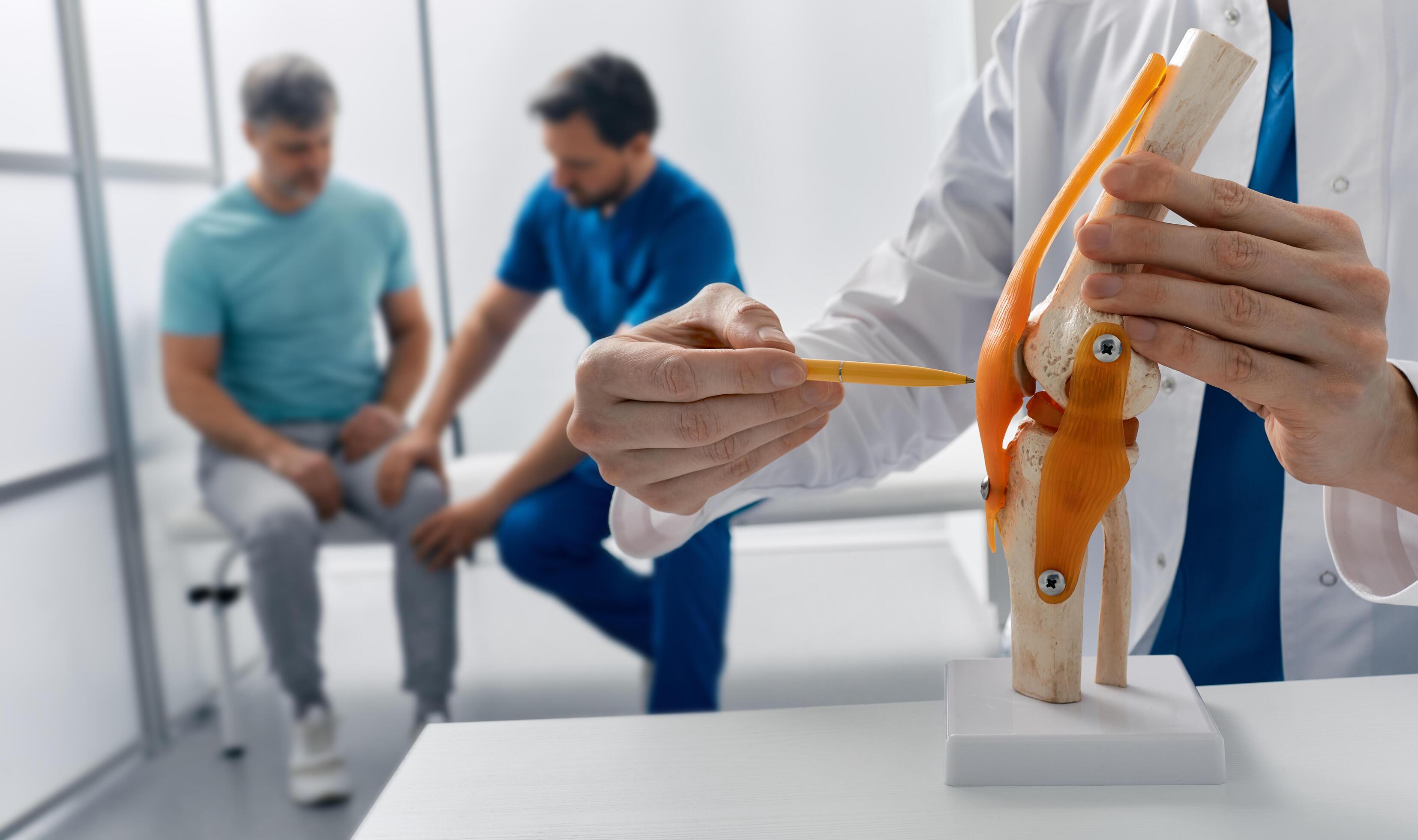
First, we find out what’s been overloading the tendon. We’ll ask about your job, your workouts, and what changed right before it started hurting, like a new training plan, new boots, or a sudden jump in miles. Then we’ll test strength and flexibility around the sore spot and watch how you move.
The main part of treatment is strengthening the tendon. You’ll do slow, controlled exercises aimed right at it, like calf raises off a step for the Achilles or slow lowering moves for the elbow. We start light enough that the pain stays mild, then build up week by week. It’s not exciting, but it’s what helps the tendon get tougher.
While you’re healing, we’ll help you figure out what you can keep doing. You may be able to bike instead of run, or lift lighter with more reps. Hands-on care, taping, or a brace can help in some cases. If a tendon stays stubborn despite all of that, we’ll talk about whether an injection makes sense.
Most people notice real improvement in six to twelve weeks of steady work. If you’ve got a sore tendon that’s been hanging on too long, call Modern Medicine of South East Tucson, AZ. We’ll help you get it healing the right way.