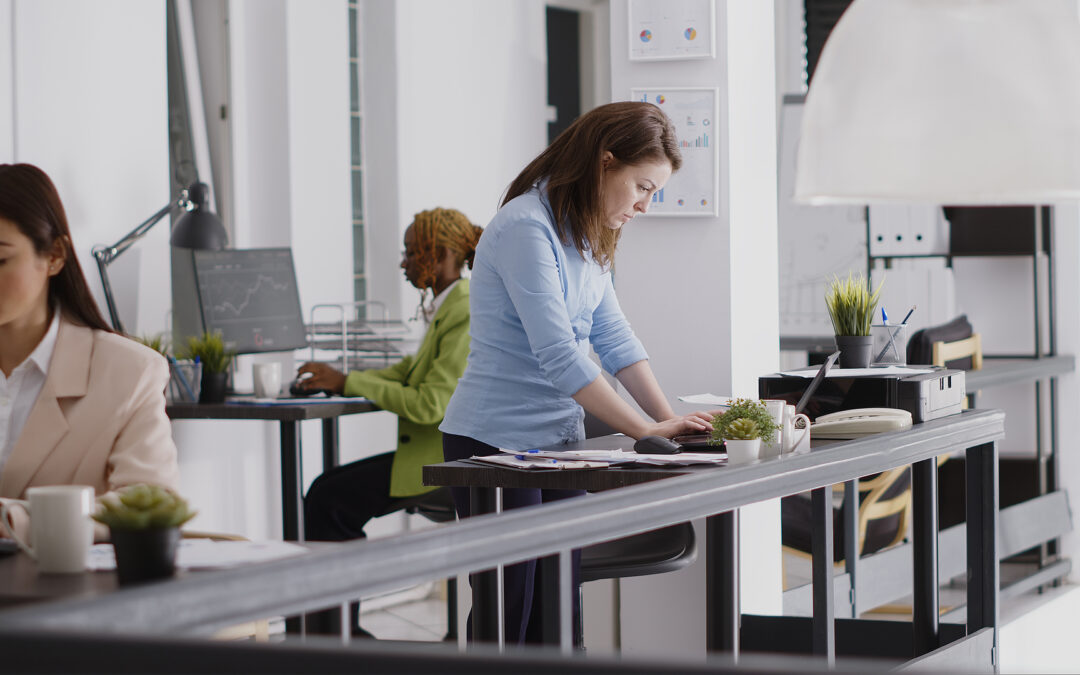
Sitting 8 to 10 hours isn’t rare here. Many people work at computers, handle paperwork, or stay in one spot for most of the day. The body isn’t built for that. Small aches start showing up. A tight neck. A sore lower back. Hips that feel locked when you stand up. None of it feels dramatic, but it adds up fast.
Why Long Sitting Strains Your Body
When you sit for hours, your hip flexors shorten. Your lower back stops moving. Your core checks out. Your shoulders roll forward. Your neck shifts toward the screen. Each of these changes loads the joints in ways they’re not designed for. That’s why you feel stiff even when you didn’t “do” anything.
People often blame their chair, but the real issue is stillness. The body needs movement to stay comfortable. Without it, the muscles around the spine tighten and the joints lose their normal rhythm.
Common Problem Areas For Desk Workers
The neck takes a hit from leaning toward the monitor. The upper back stiffens from rounded shoulders. The lower back aches when it’s stuck in the same curve all day. Hips tighten and make standing feel awkward. Knees feel stiff because they stay bent for hours. Even the ankles and feet get sore after long periods of stillness.
Orthopedic Tips That Make A Real Difference
You don’t need giant changes. Small, frequent habits help more than one big fix.
- First, change positions often. Even standing for 30 seconds helps reset your spine. Set a reminder if needed. Not a long break. Just movement.
- Second, adjust your screen height. If you always lean forward, your neck muscles work overtime. Bring the screen up so your eyes meet it without dropping your head.
- Third, check your shoulder position. If they creep toward your ears, your upper back tightens. Drop the shoulders. Let the chest open a little.
- Fourth, stand up at least once every hour. Walk around the room. Shake your legs out. Let your hips extend fully.
Why Hip and Spine Movement Matters Most
Your hips and lower back suffer the most from long sitting. When the hips tighten, standing or walking feels stiff. When the lower back stays locked, the muscles around it start guarding. Short, simple movements help keep both areas from turning into long-term pain.
Think of things like gentle hip shifts, standing marches, or a few slow back bends. These movements keep the spine and hips doing their job instead of freezing up.
Why Physical Therapy Can Help Desk Workers
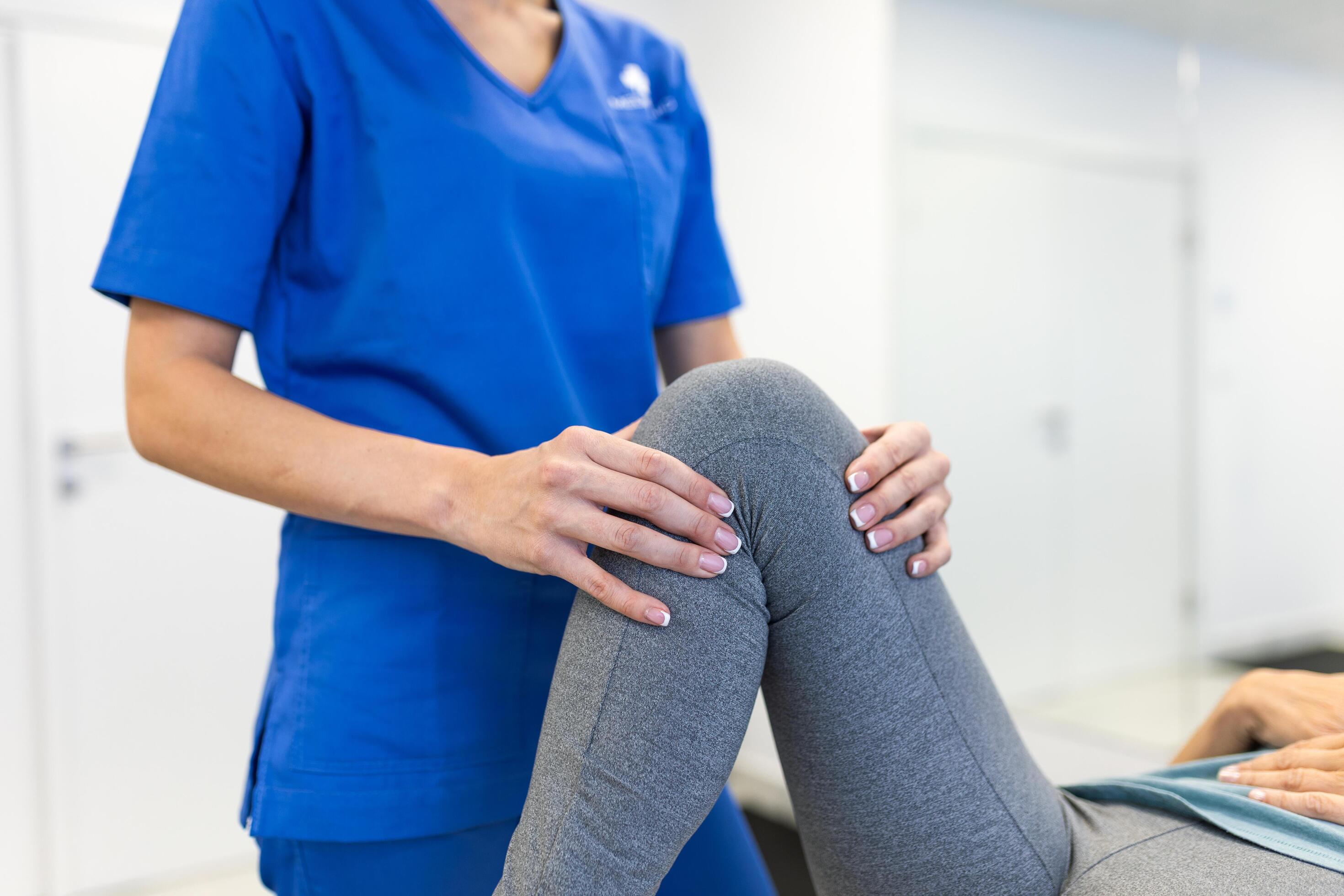
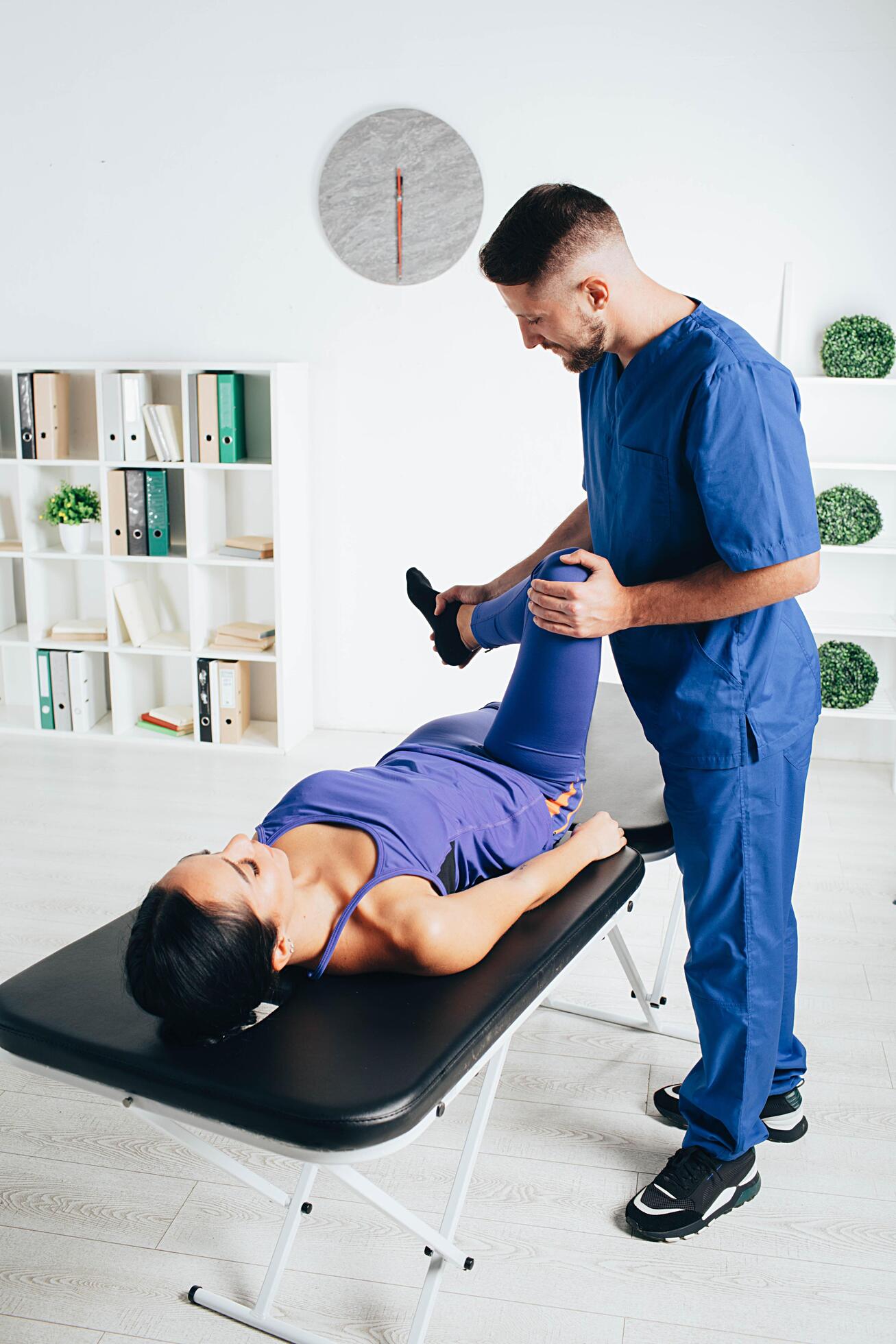
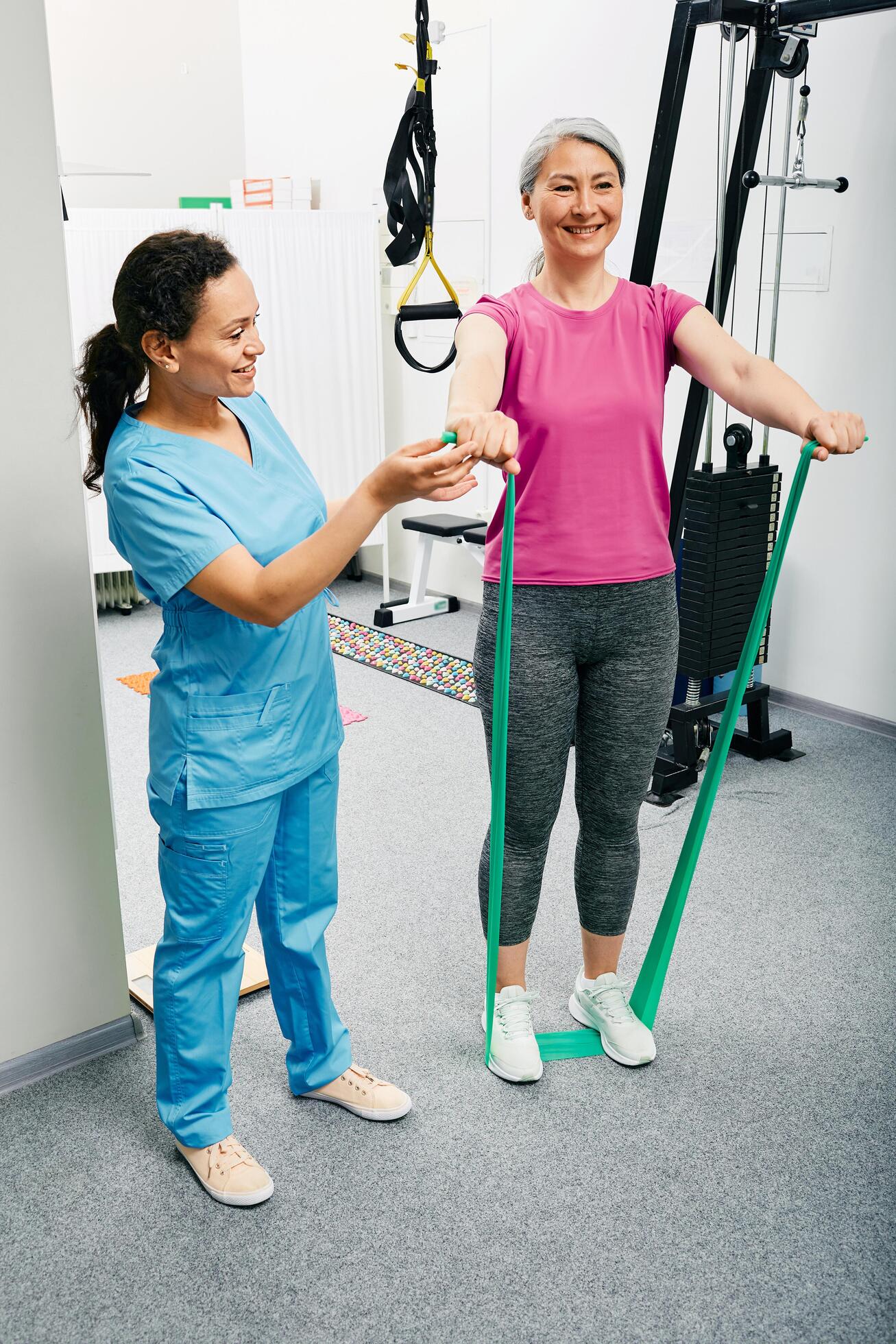
Many desk workers think PT is only for obvious injuries. It’s not. PT helps sort out the movement patterns that make long sitting feel worse. A therapist checks how your spine moves, how your hips carry weight, and how your shoulders sit during daily tasks. You get a plan that works with your routine, not against it.
People often notice they stand taller, breathe easier, and move with less stiffness once they understand what their body needs.