The pelvis and low back share the same workload. They also share nerves, muscles, and pressure systems. When one area gets irritated, the other often tightens up to help. That “help” can turn into guarding. Then you get a loop. Low back pain changes how you walk and sit. Pelvic pain changes how you breathe and brace. After a while, it’s hard to tell what started first. Most patients don’t need to solve that puzzle. They need a plan that addresses both areas at the same time.
What It Can Feel Like in Daily Life
This combination can feel messy. You might have low back stiffness in the morning, then pelvic pressure by afternoon. Sitting can flare both, especially in the car or at a desk. Some people feel pain during bowel movements or urination, then notice the low back tightens after. Others feel hip and groin tightness with a low back ache that never fully settles. Sleep can be tough if rolling over pulls on the lower back or creates a deep pelvic ache. People also start avoiding movement, and then feel even tighter.
Common Triggers We Hear About
Pelvic pain plus low back pain can follow a lot of different paths. Some people notice it after childbirth, surgery, or a fall. Others develop it after months of constipation and straining. Some link it to long stretches of sitting, especially when stress is high, and breathing gets shallow. It can also show up after a back flare that changed movement patterns. Common triggers and drivers include:
- Pelvic floor muscles that stay tight and don’t relax well
- Hip stiffness that forces the lower back to do extra work
- Core bracing patterns that increase pressure on the pelvis
- Sacroiliac joint irritation that affects the pelvis and back
- Old injuries that changed walking or lifting mechanics
How PT Approaches the Pelvic and Low Back Connection
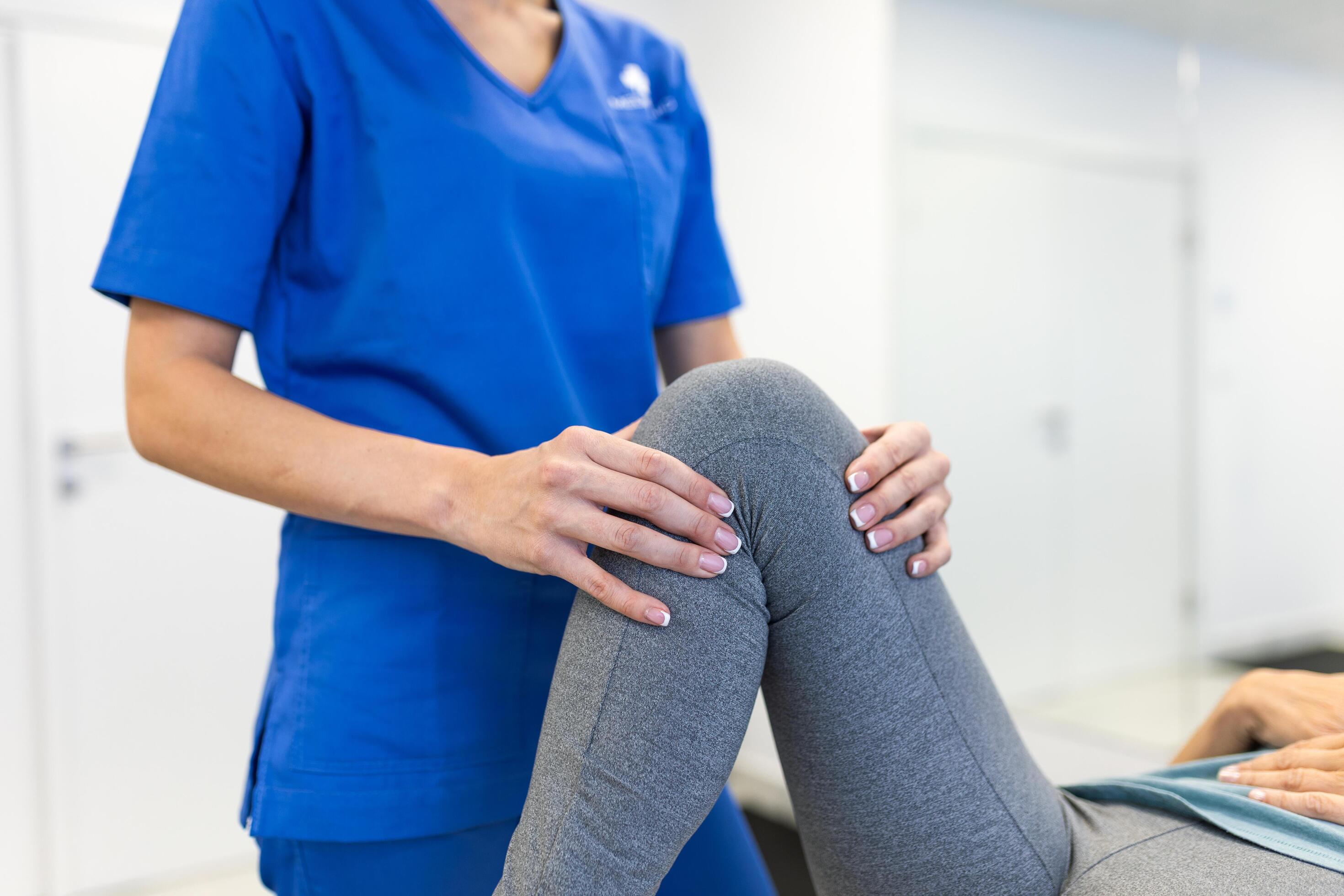
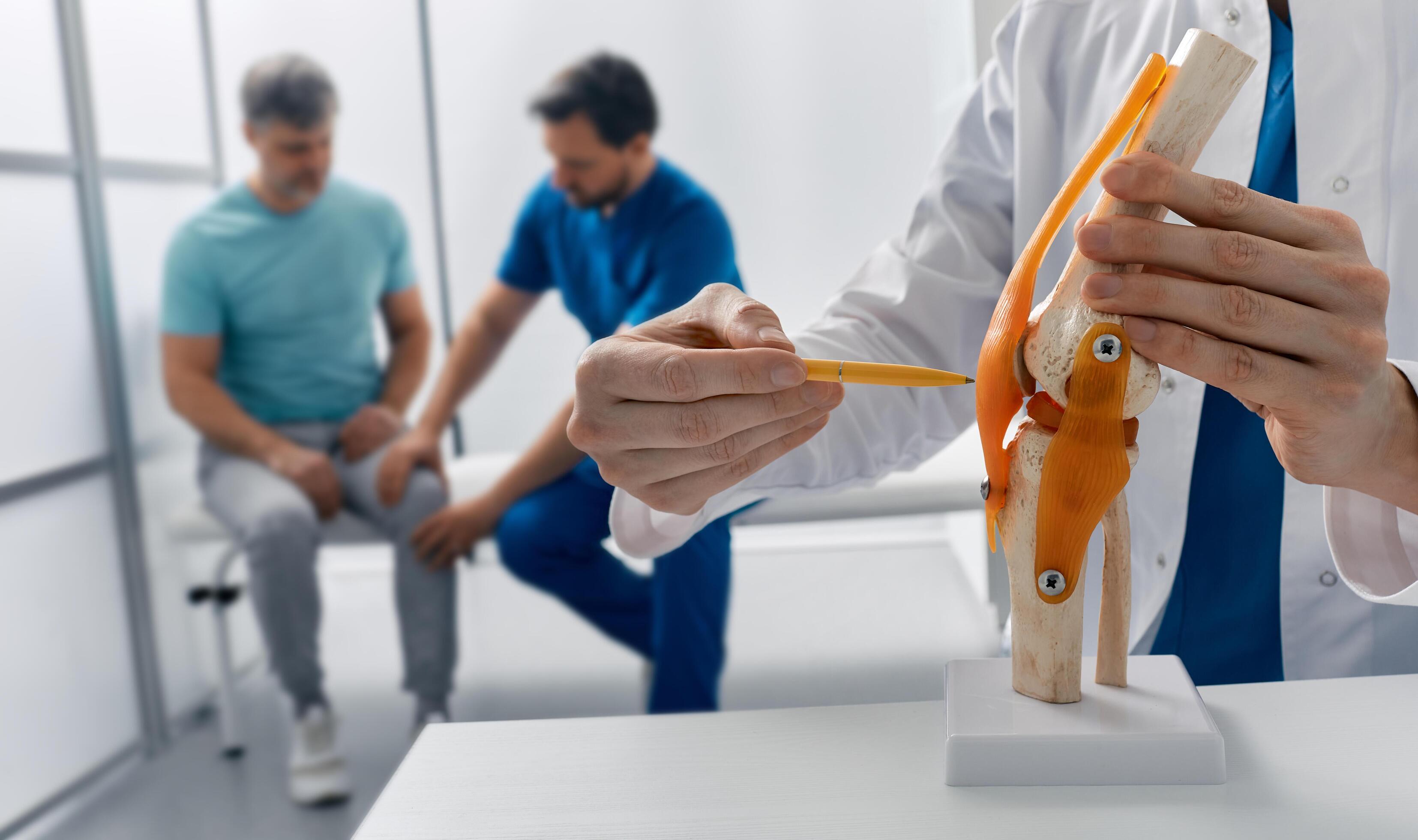
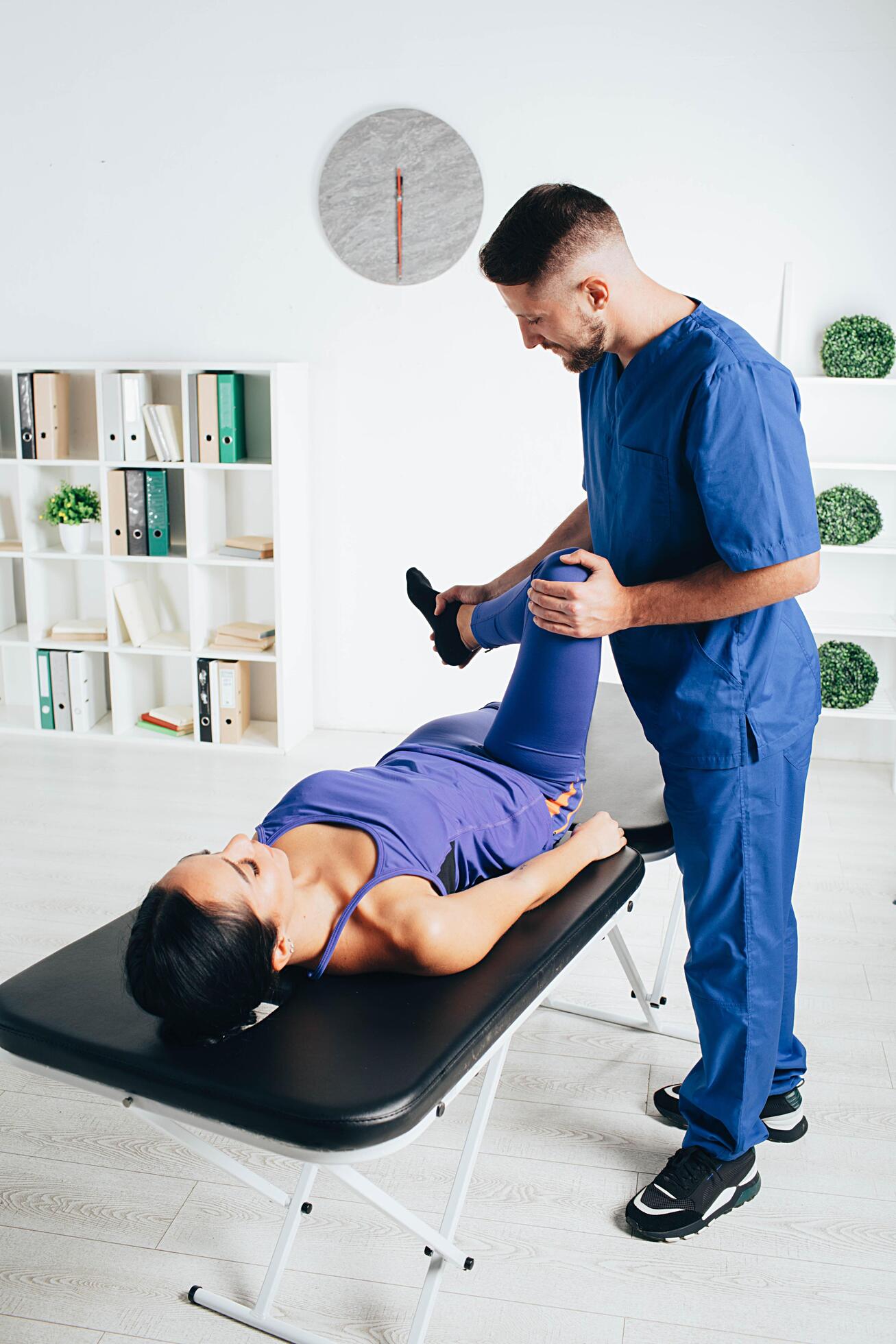
PT works best when it treats this as one system, not two separate problems. We look at how you breathe, how your trunk manages pressure, and how your hips and lower back move during everyday tasks. We also look for guarding, like holding your breath, clenching the glutes, or tightening the pelvic floor without noticing. Treatment often starts by reducing irritation and improving relaxation. Then we build control and strength so movement feels safer and less reactive. You should leave with steps that fit your day, not a long list you can’t keep up with.
Types of PT That Often Help
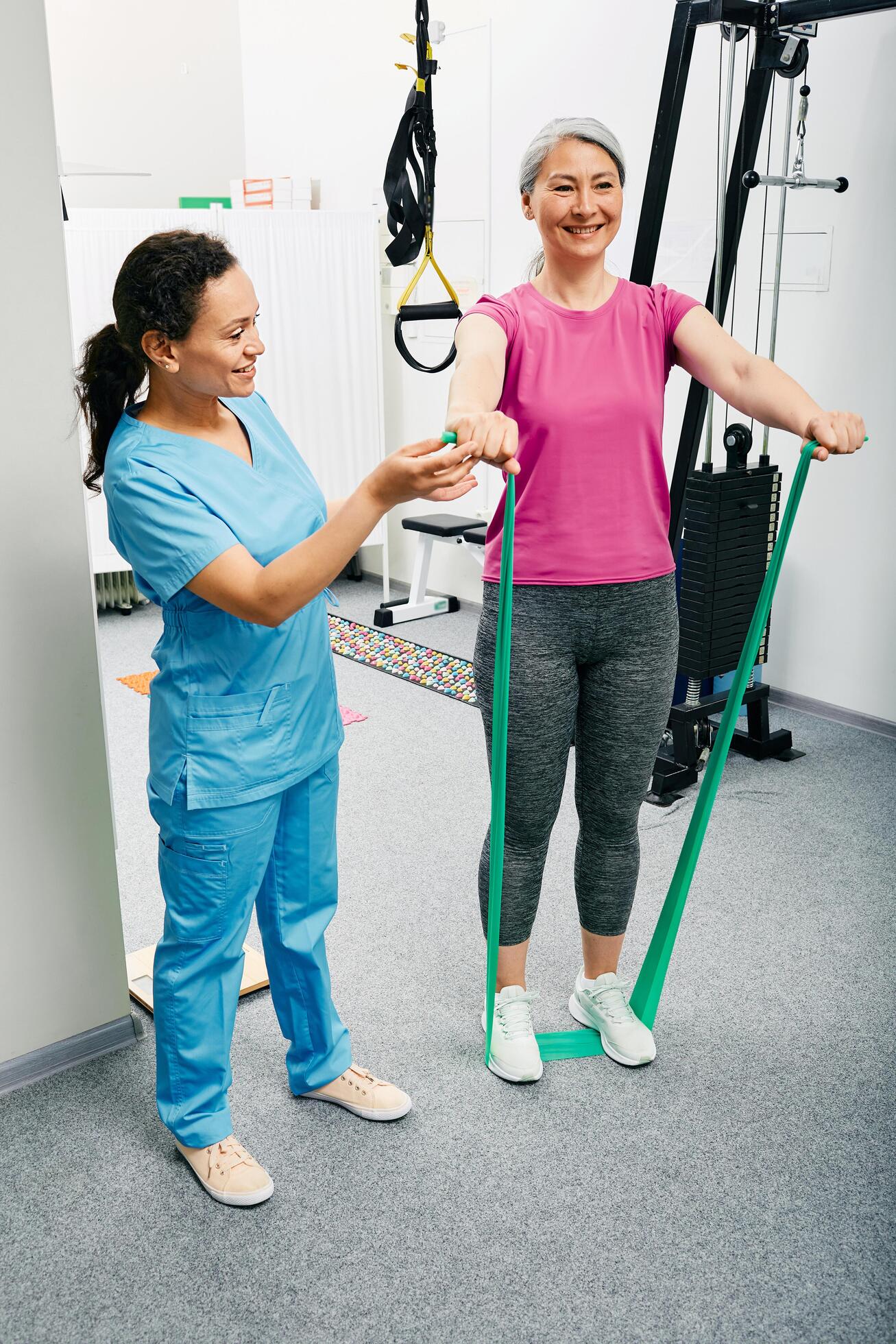
Your plan depends on your symptoms and comfort level, but treatment commonly includes:
- Gentle mobility work for the hips and the lower back
- Pelvic floor down-training when tightness is part of the picture
- Breathing and pressure control for lifting, coughing, and exercise
- Core and glute strengthening without provoking symptoms
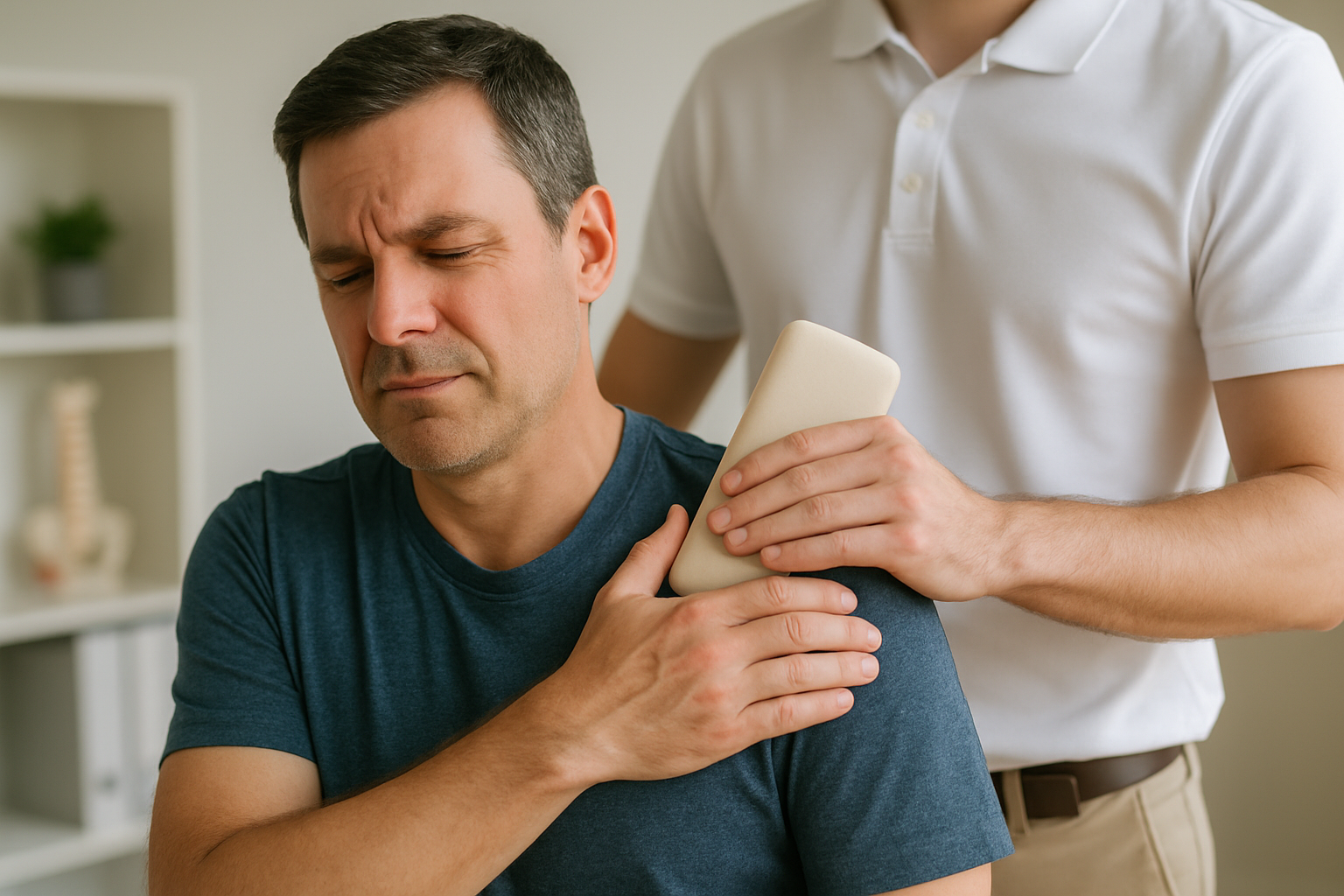
- Hands-on work for the low back, hips, and pelvic tissues when appropriate
- Strategies for flare days and pacing activity
Visit us in South East Tucson for Help with Pain
If pelvic pain and low back pain are showing up together and limiting your comfort, schedule an appointment with Modern Physical Therapy & Sports Medicine of South East Tucson, AZ.