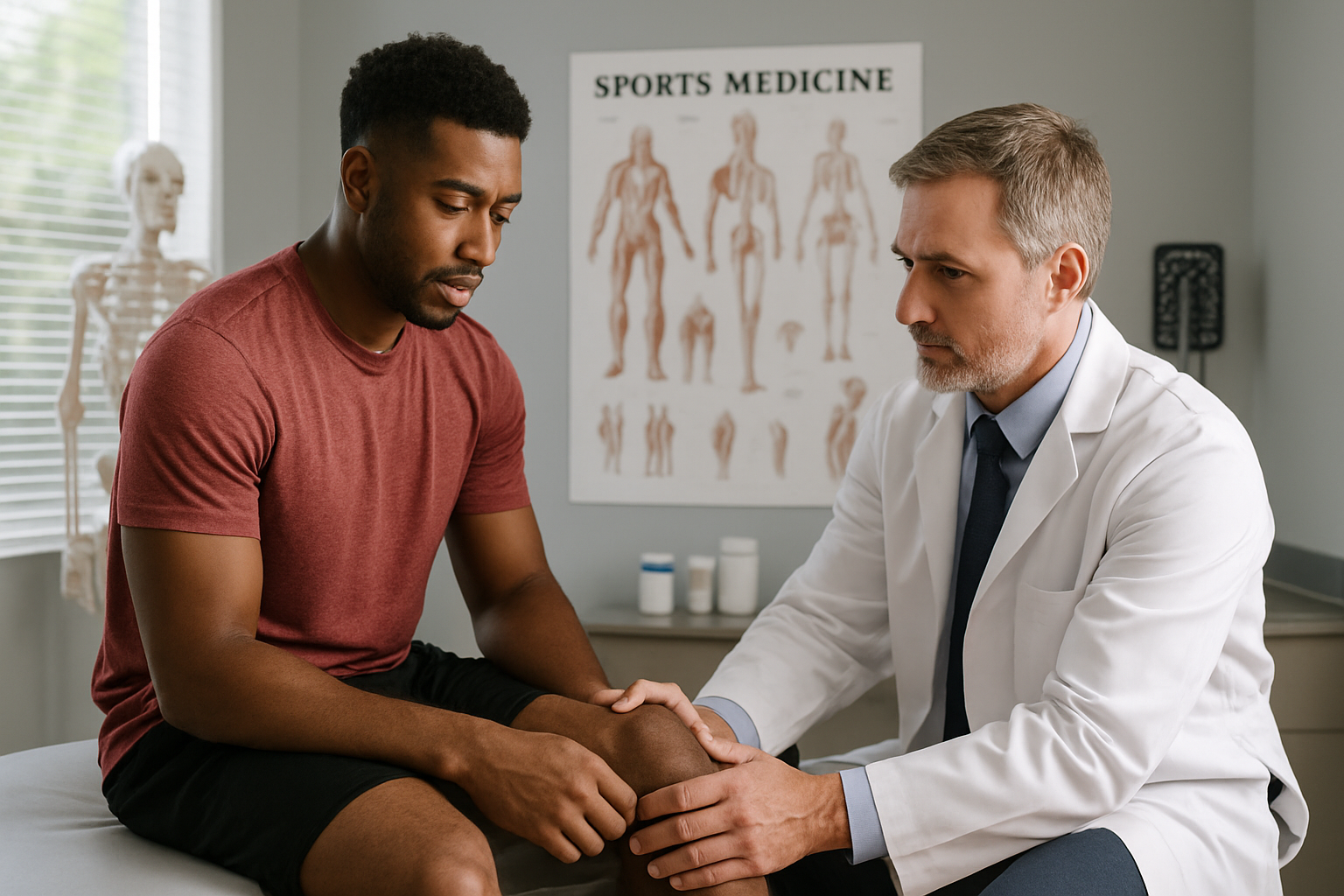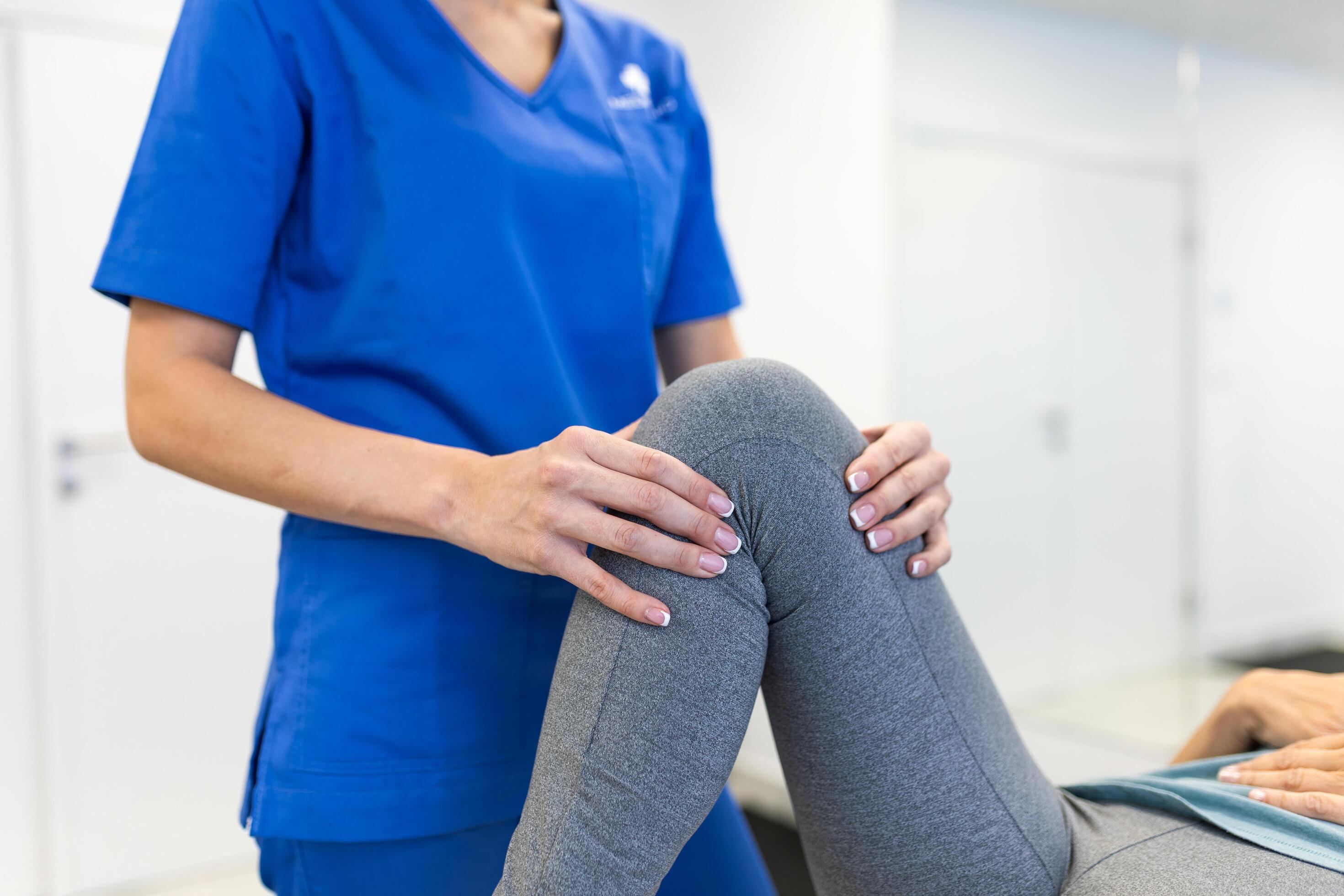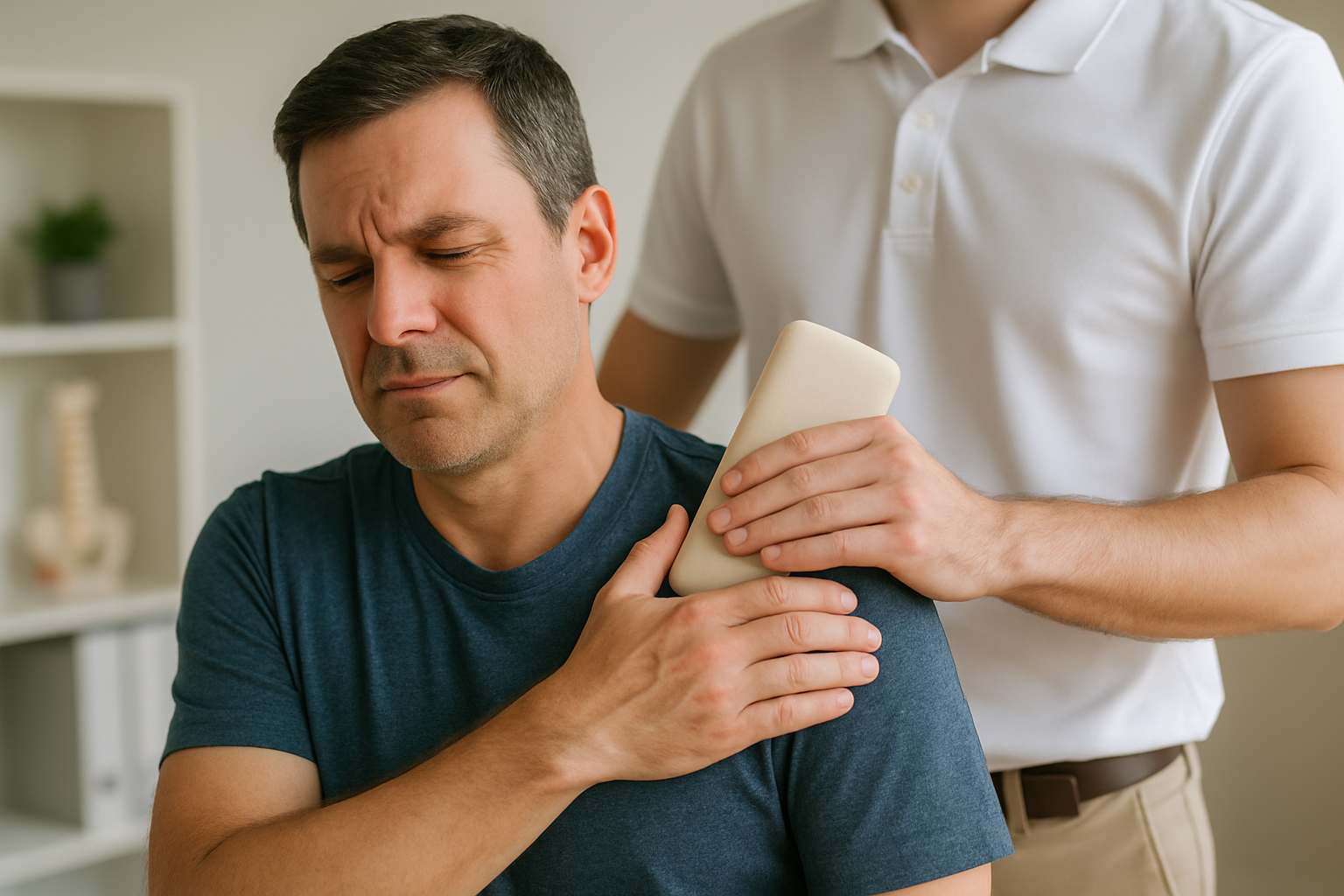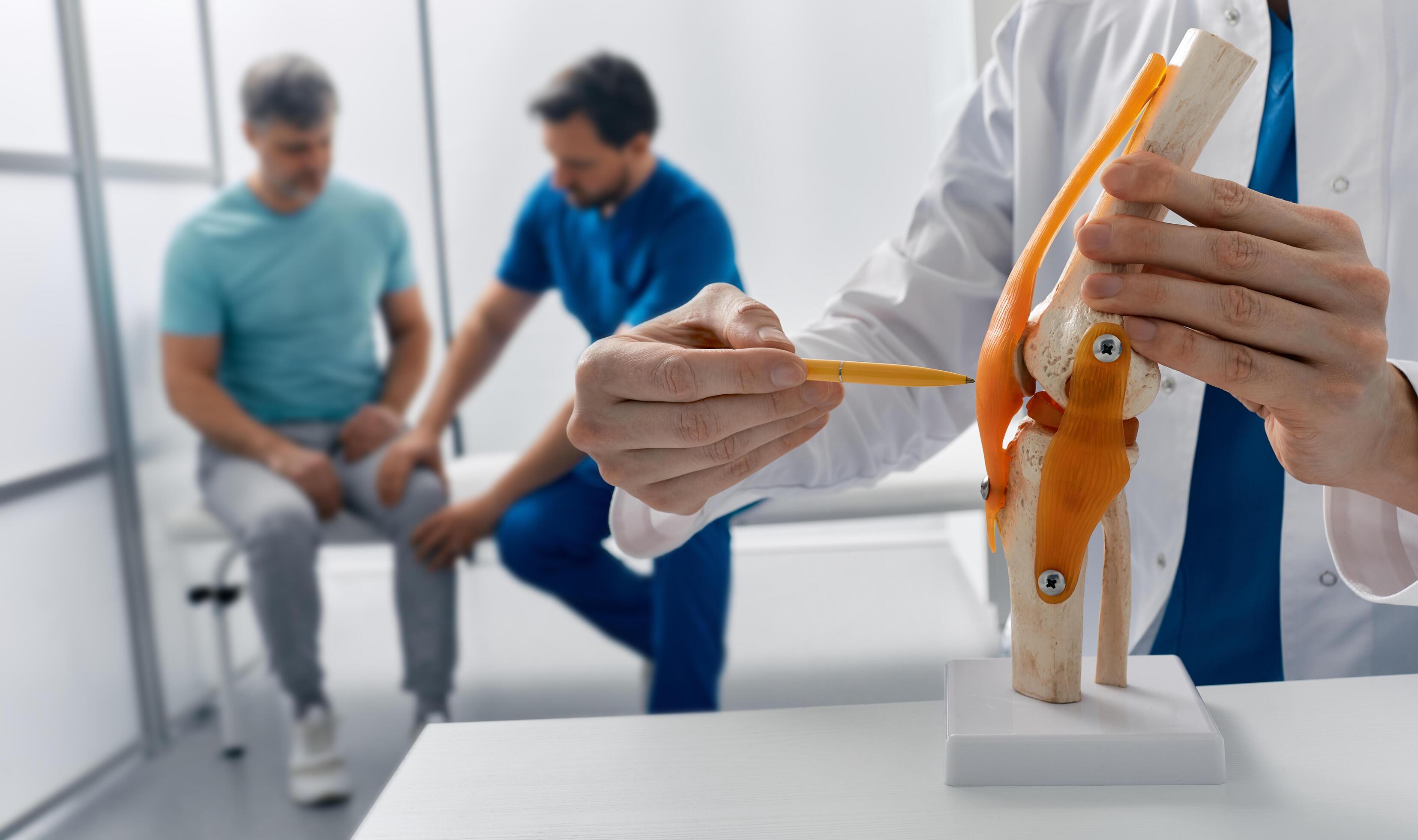
Lots of people in Sierra Vista try to rehab an injury at home first. Somebody’s nephew sends a video, or the urgent care hands over a stapled packet, and the exercises happen on the living room rug during the evening news. Sometimes that works. A lot of the time it stalls, and the knee or shoulder still isn’t right two months later. A clinic adds a few things that are hard to get on your own.
Someone Is Watching How You Move
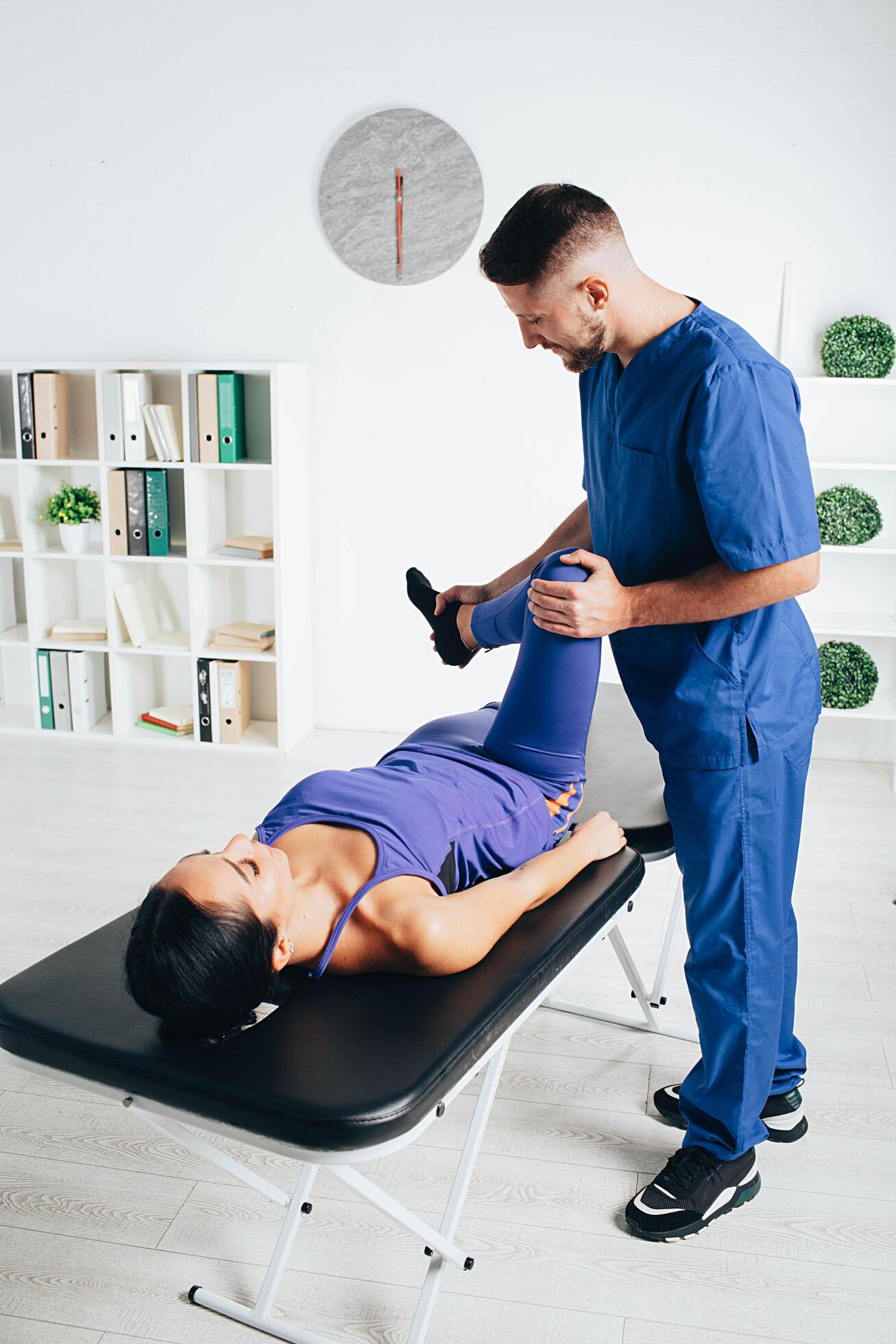
You can’t see your own hip drop when you step down off a curb, or your shoulder hike up when you lift a gallon of milk into the fridge. A therapist can. Those small compensations are often why an injury lingers, and fixing them is usually a matter of a few cues and some practice with someone telling you when you’ve got it.
The Exercises Change as You Do
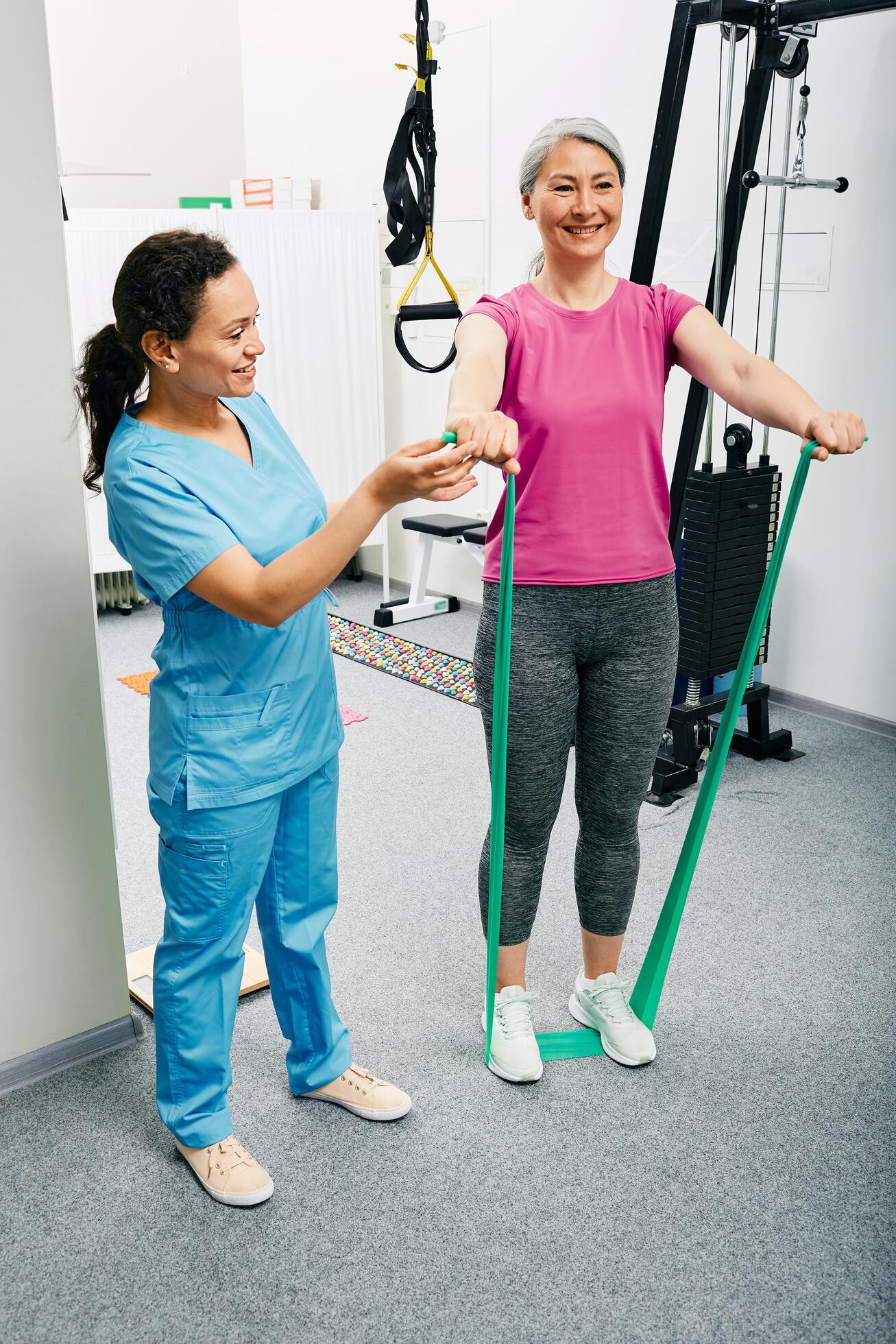
A printed sheet says the same thing in week six that it said in week one. Your body has changed a lot by then. Here, we bump things up the minute you’re ready. Maybe you add a pound. Maybe the floor becomes a step, or two legs become one. Go too easy and you plateau, but push too hard and you’re sore for three days and want nothing to do with it, so we keep adjusting it.
We Write Things Down
Here’s some of what we track:
- We measure how far the joint bends and compare it to the other side.
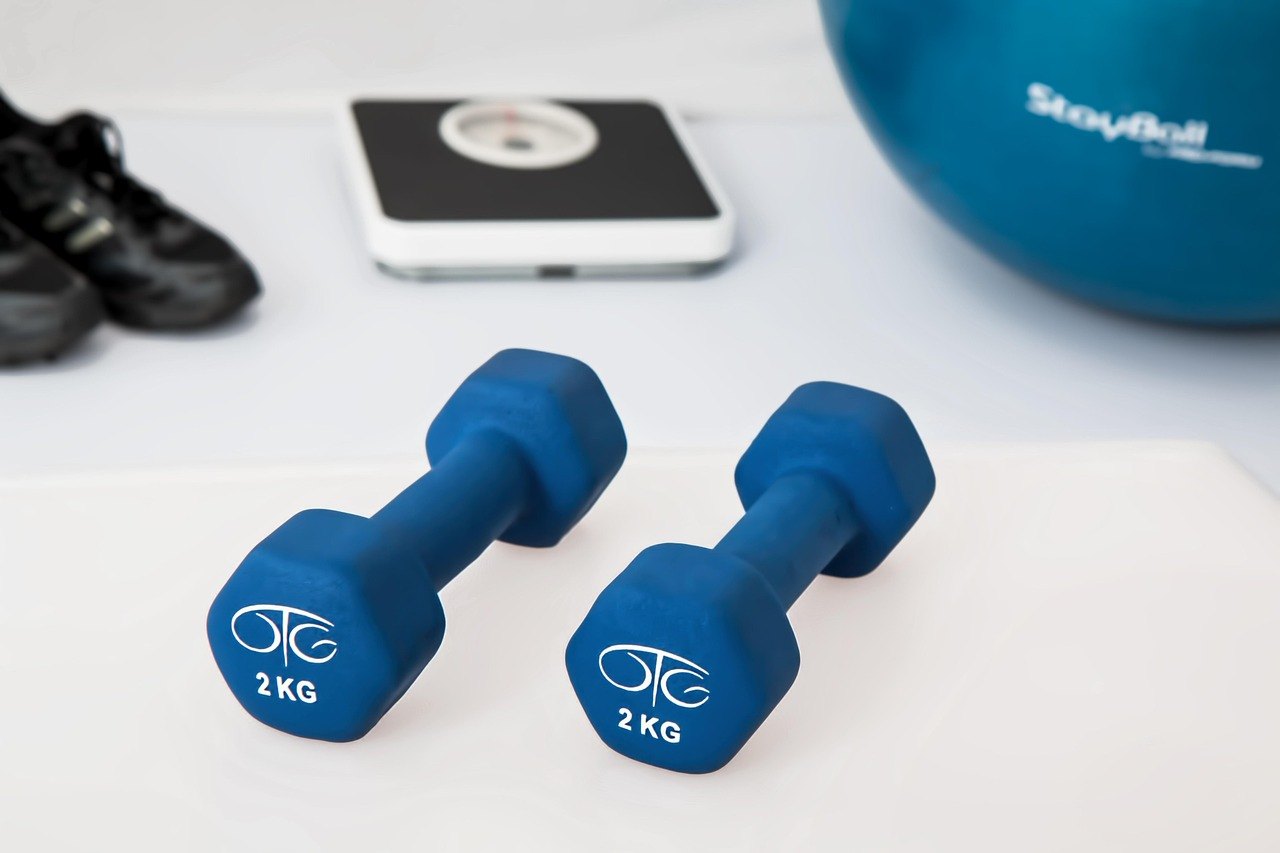
- A handheld gauge shows how strong your grip or your leg is.
- You stand on one foot while we time it.
- We count how many times you can get up from a chair in thirty seconds.
Numbers take the guessing out of it. When the numbers on your sore side catch up to the good side, we know you can head back up the trail or work a full shift. Nobody has to pick a date and cross their fingers. And on the weeks when it feels like nothing is happening, seeing a number go up from 9 to 12 makes it a lot easier to keep going.
Our Hands, Not Just Yours
Stretching on your own only gets some stiff joints so far. Joint mobilization and soft tissue work can loosen things up enough that the exercises go better that same day. It’s a small piece of the plan, but for a stiff neck, back, or shoulder, it can help a lot early on.
Equipment and Space
Most homes don’t have a set of steps, a cable machine, balance pads, and room to practice getting up off the floor safely. A clinic does, and it means we can build up exactly the movements you need for your life.
You Show Up
It sounds silly, but a 9:30 appointment on the calendar gets people out the door. Showing up week after week is what gets results. Once you’re doing well, you’ll come in less, and the home program takes over.
If an injury isn’t improving the way you hoped, call Modern Medicine of South East Tucson, AZ and set up an evaluation.