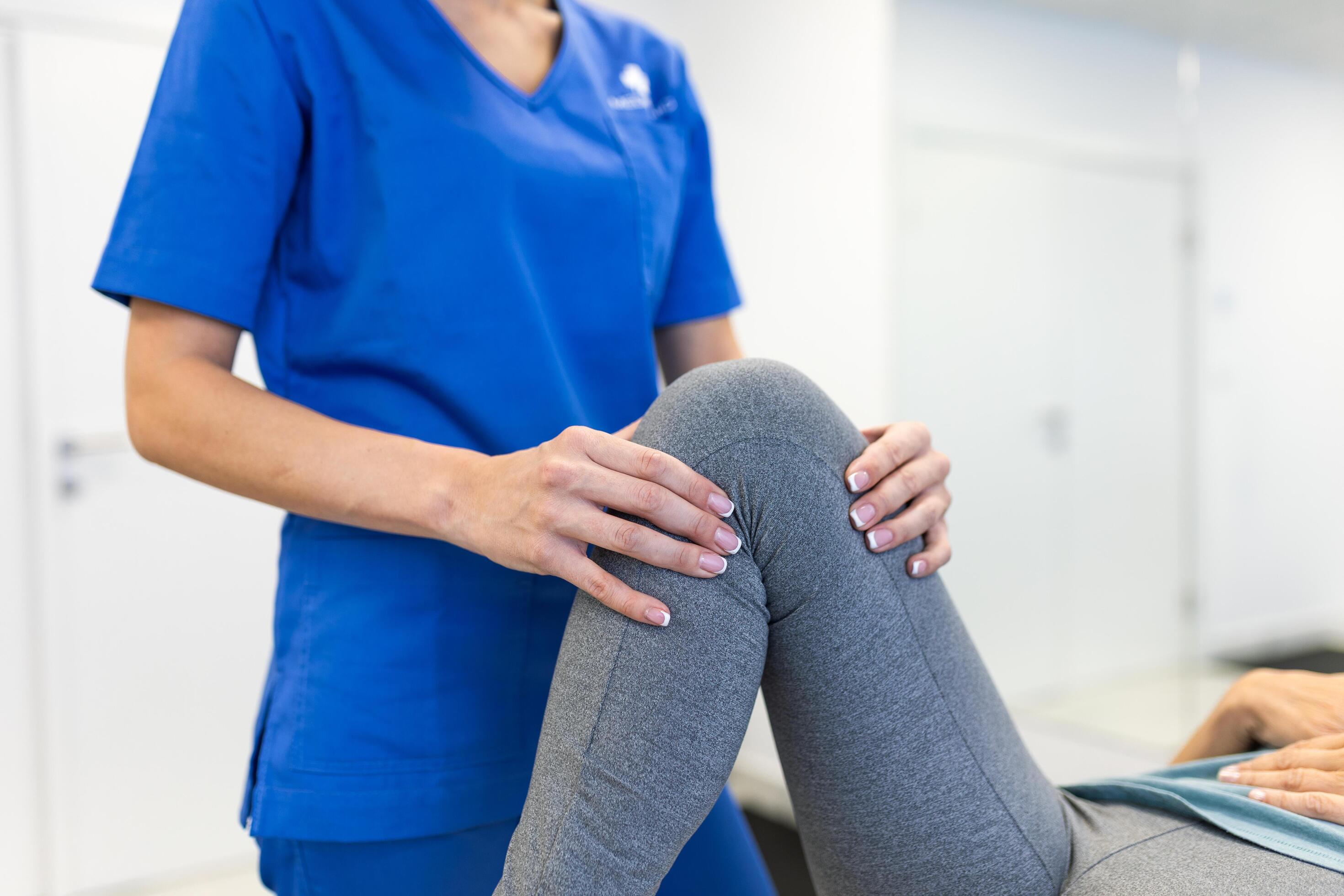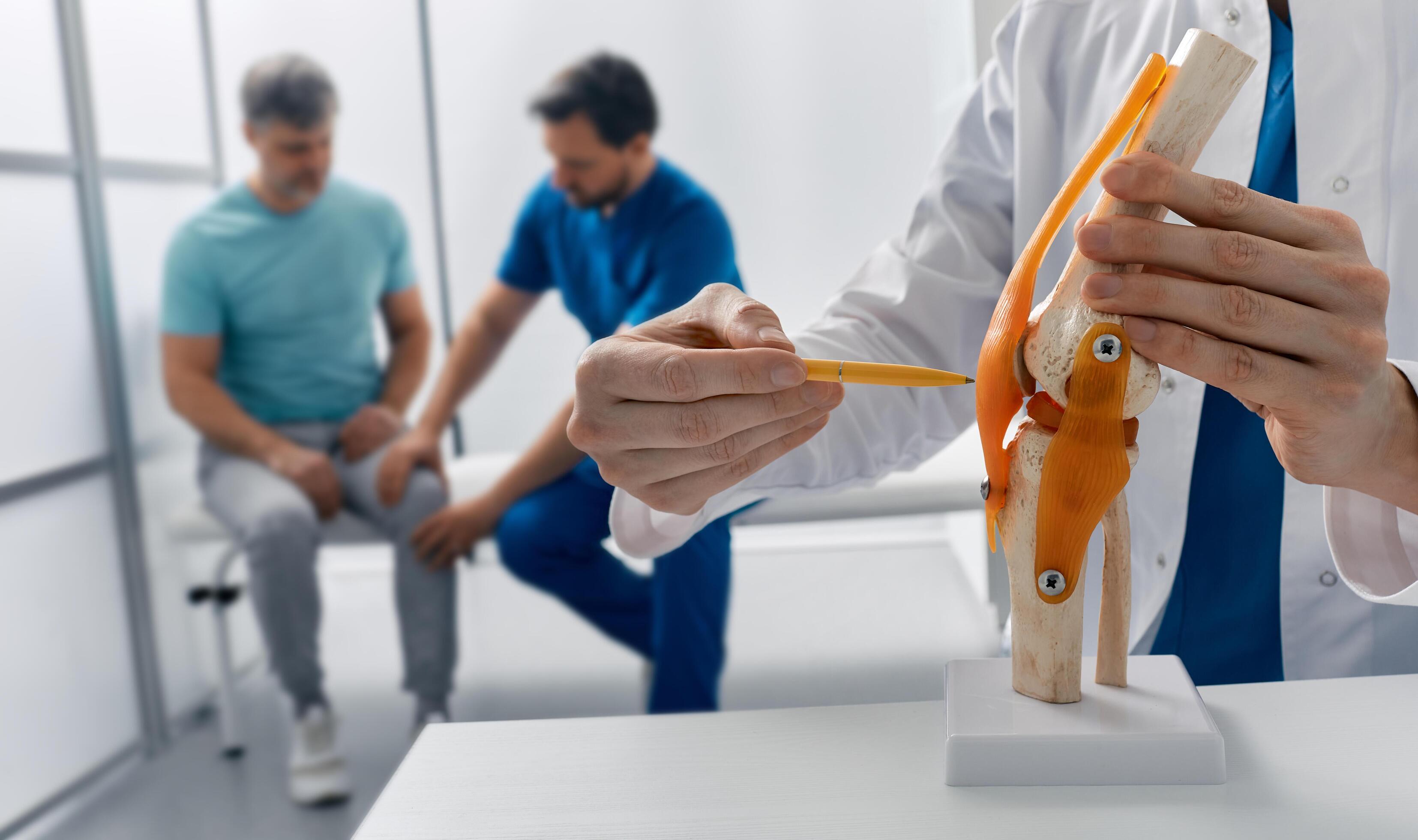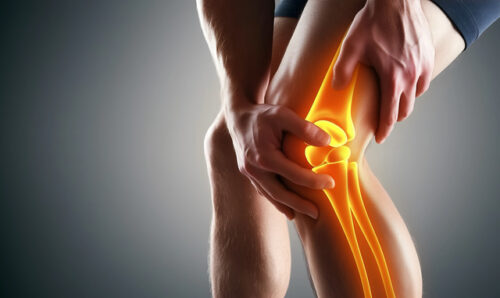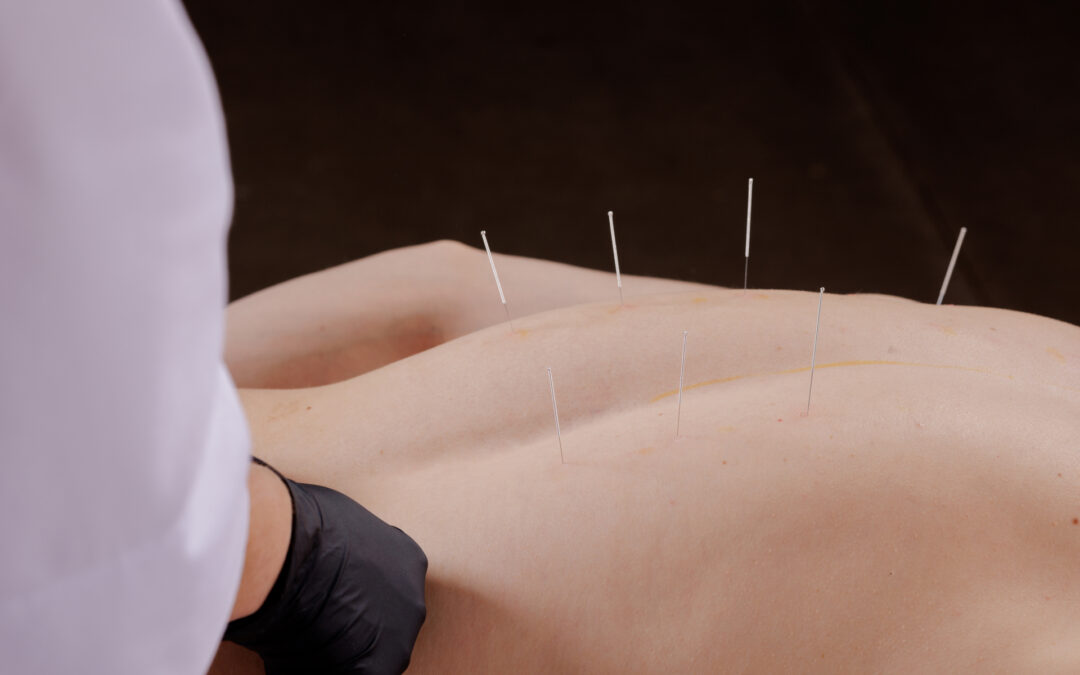
Dry needling targets tight, irritated muscle spots that refuse to relax on their own. For many people, these spots can feel knotted, sore, or sharp when you push on them. They can pull on nearby joints and make simple movements feel stiff or guarded. For some relief, people often try stretching, heat, rest, or massage first. At first, those things help a little, but the tightness usually returns. This is where dry needling helps, as it goes straight into the muscle and to the source of the pain.
What Dry Needling Does
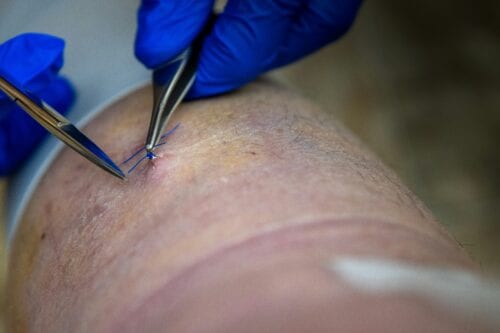
A thin, solid needle goes into the tight part of the muscle. The needle helps the muscle release from the inside. It changes how the muscle fires and reduces that constant “on” feeling. Some people feel a quick twitch when the muscle lets go. Others feel a dull ache that fades fast. It’s not like a shot. The needle is much smaller, and the sensation is usually brief.
Why These Muscle Spots Form
Daily habits create tension over time. Long sitting stiffens the hips and back. Phone use strains the neck. Lifting or workouts overload the shoulders. Even stress and shallow breathing can tighten the upper body. Once the muscle stays tight, it becomes sensitive. That sensitivity creates a loop that dry needling helps interrupt.
Who Does Dry Needling Help?
Anyone dealing with tension that keeps returning. People with neck stiffness from work. Lifters with shoulder pain. Runners with tight calves or hips. Adults with low-back pain that flares during normal tasks. For many people, it also helps headaches tied to tight muscles in the neck or upper back. The goal is the same in every case: calm the area so movement feels easier again.
Why Dry Needling Works Well With Physical Therapy
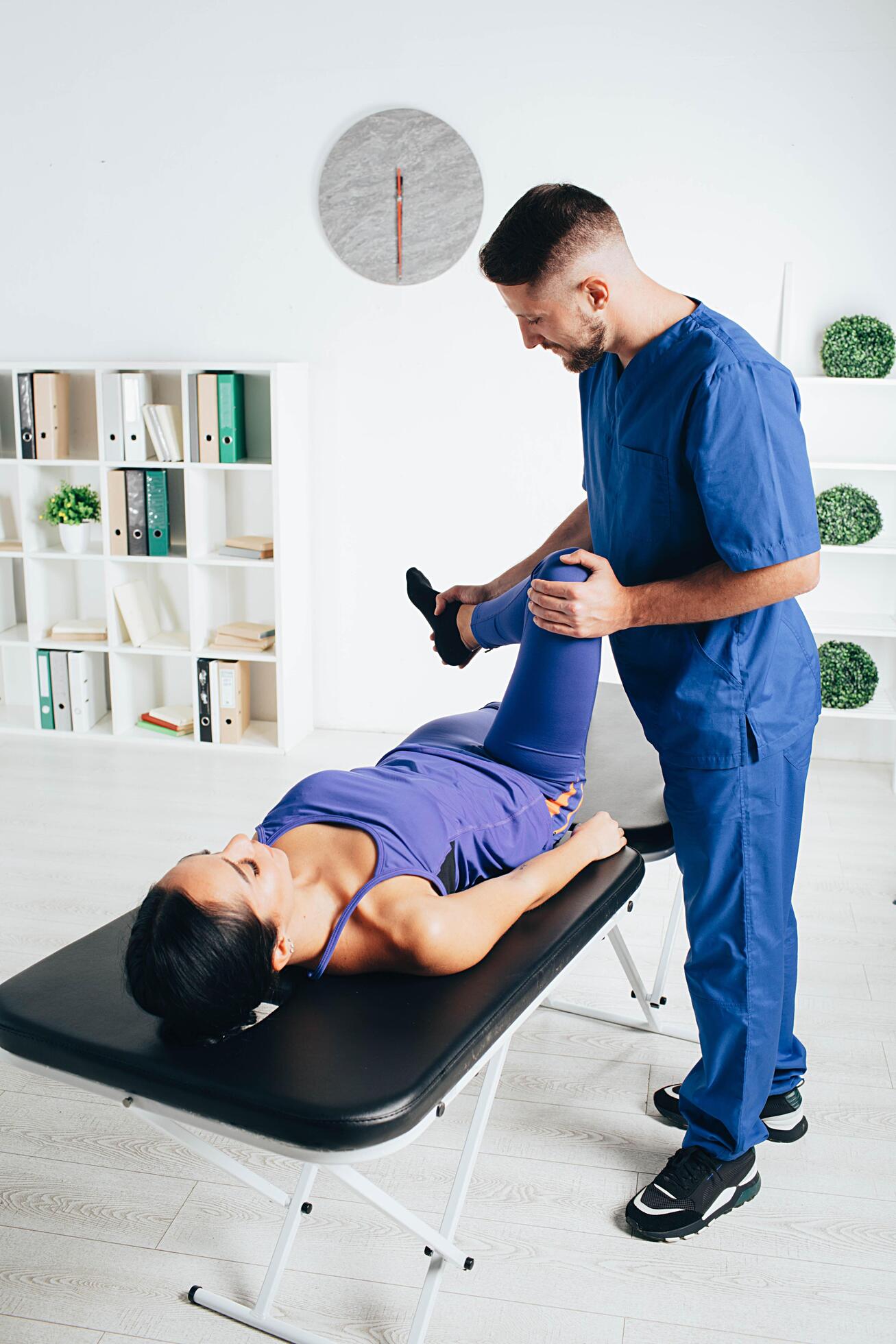
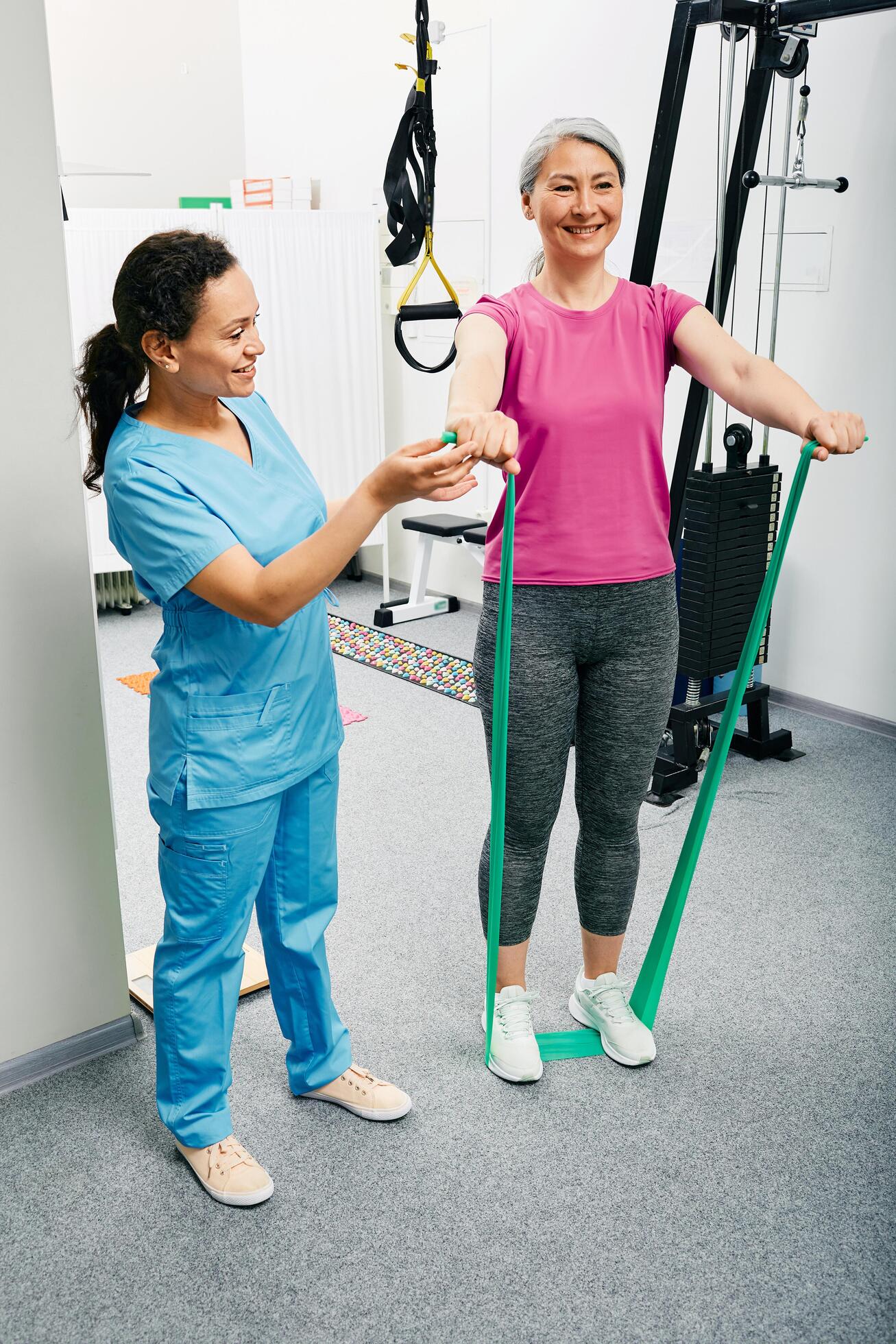
Dry needling doesn’t replace physical therapy. It prepares the muscle to move better. Once the tightness drops, strengthening and mobility work become more effective. The combination helps the body relearn normal patterns instead of slipping back into the same tension cycle.
What Happens After The Release
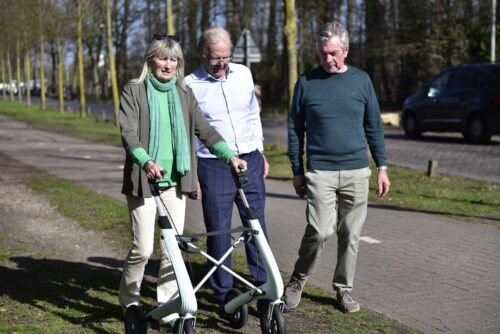
People usually notice easier turning, bending, or lifting. Grip strength may feel steadier. Steps feel smoother. The improvements build as the surrounding muscles learn to work together again. The key is being consistent with treatment. When needling is paired with proper movement training, the relief lasts longer.
If tight spots keep coming back, please reach out to Modern Physical Therapy & Sports Medicine of South East Tucson, AZ, and learn how dry needling can help your muscles relax and move the way they should.