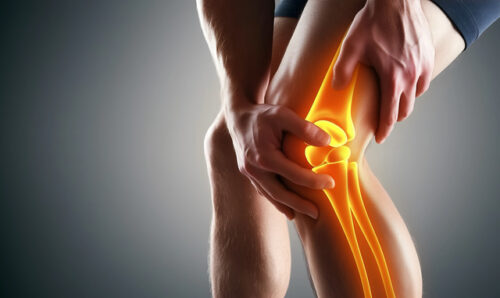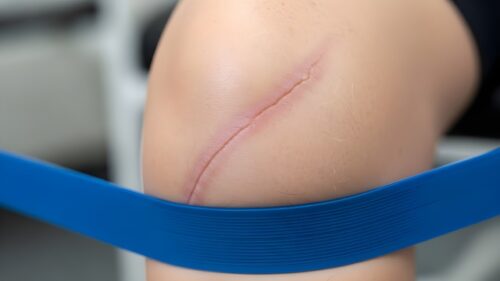
Many sports cause many ACL injuries, but daily life can trigger one too. A fast step to catch a slipping grocery bag can twist the knee. A misstep off a curb near South Sixth Avenue can do the same. Indoor court sports raise risk through quick cuts and stops. Fatigue plays a role. Poor landing control, weak hip support, and limited ankle motion add stress to the knee.
How An ACL Injury Changes Your Daily Routine
ACL problems change how you move through the day. You take stairs one step at a time and hold the rail. You avoid quick turns in tight spaces like a kitchen. You shift weight to the other leg during errands. You stop trusting your knee in parking lots and on uneven sidewalks. Sleep can be affected once swelling and deep ache flare at night. Driving can feel hard, since the knee stays bent and stiff.
What PT Does For You
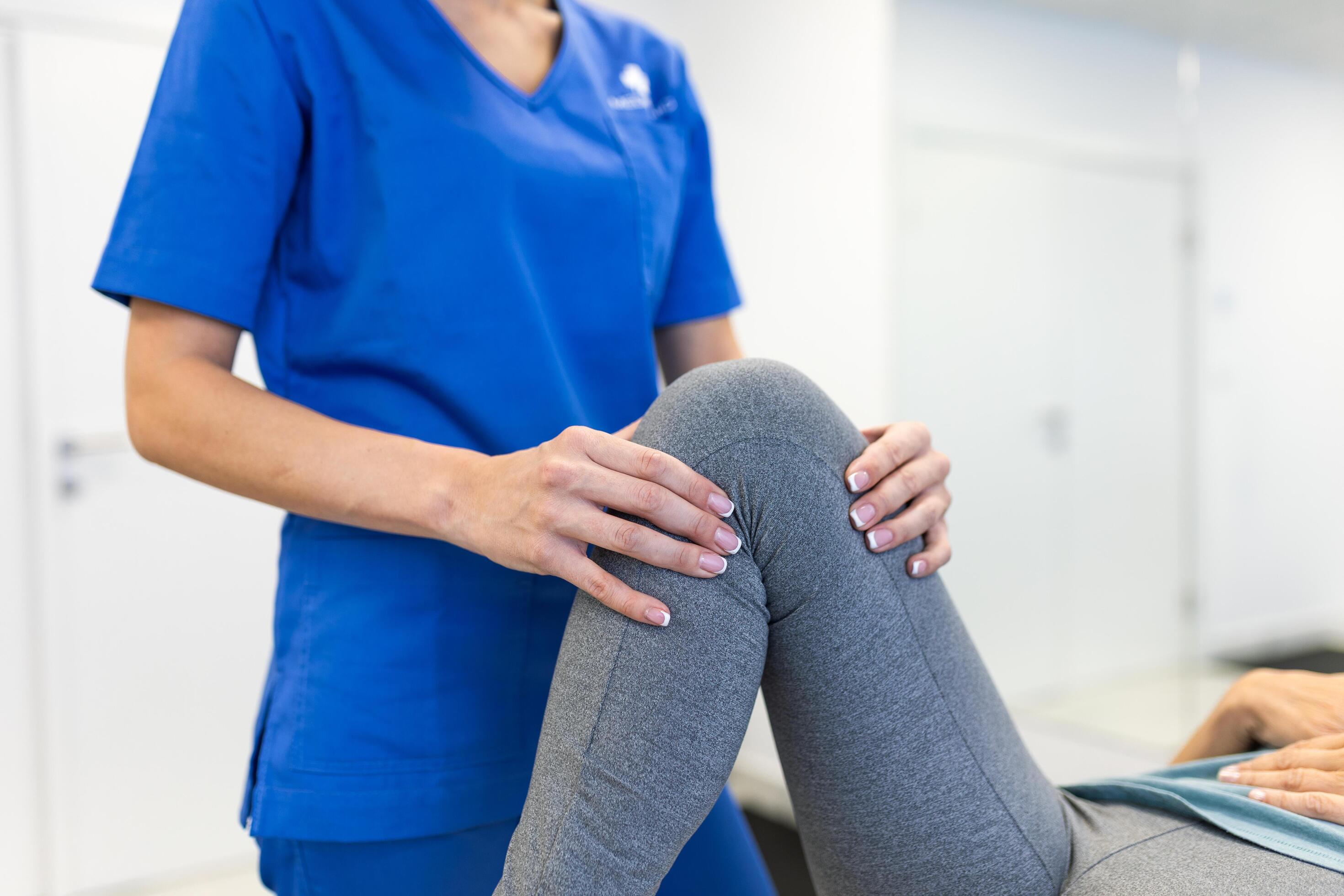
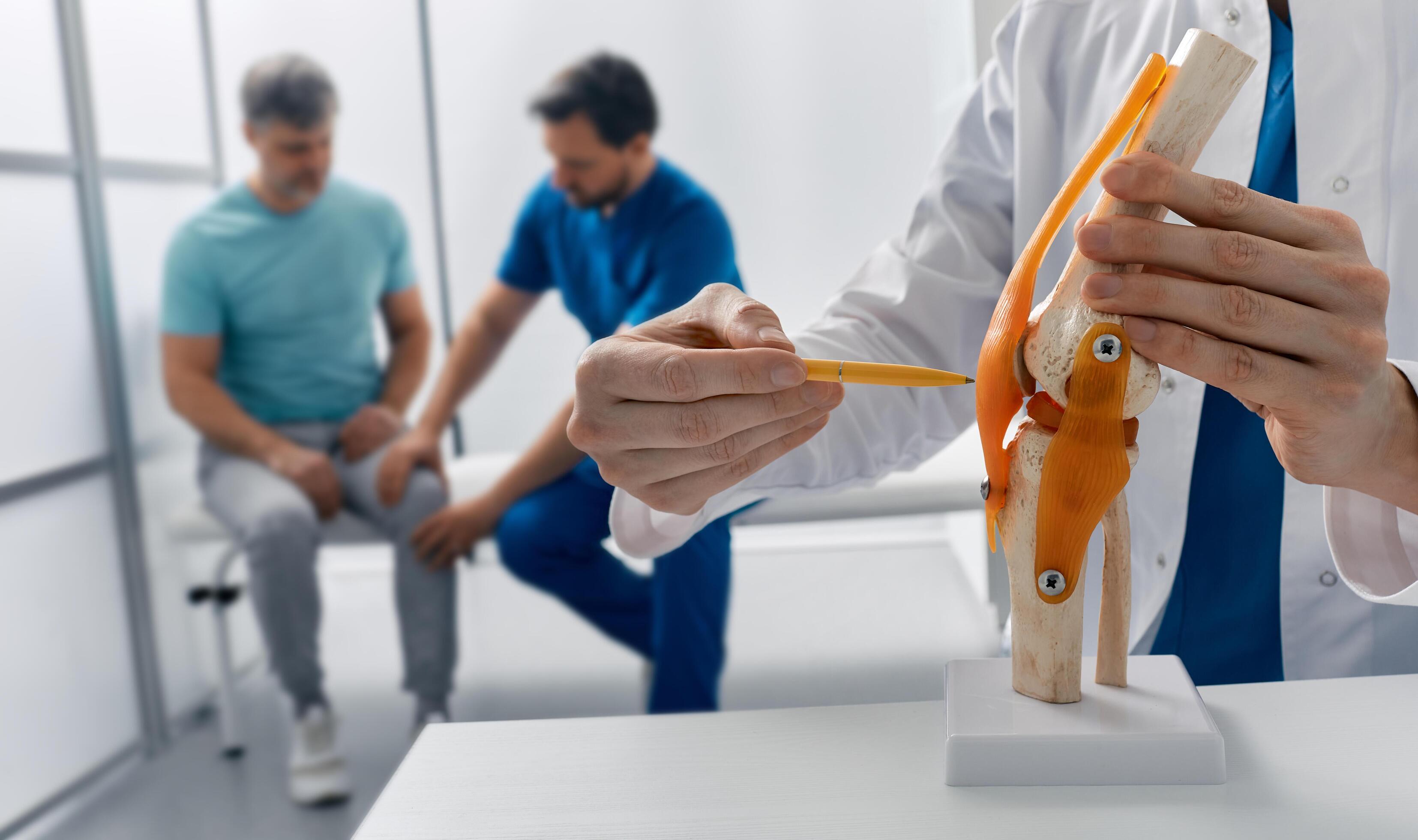
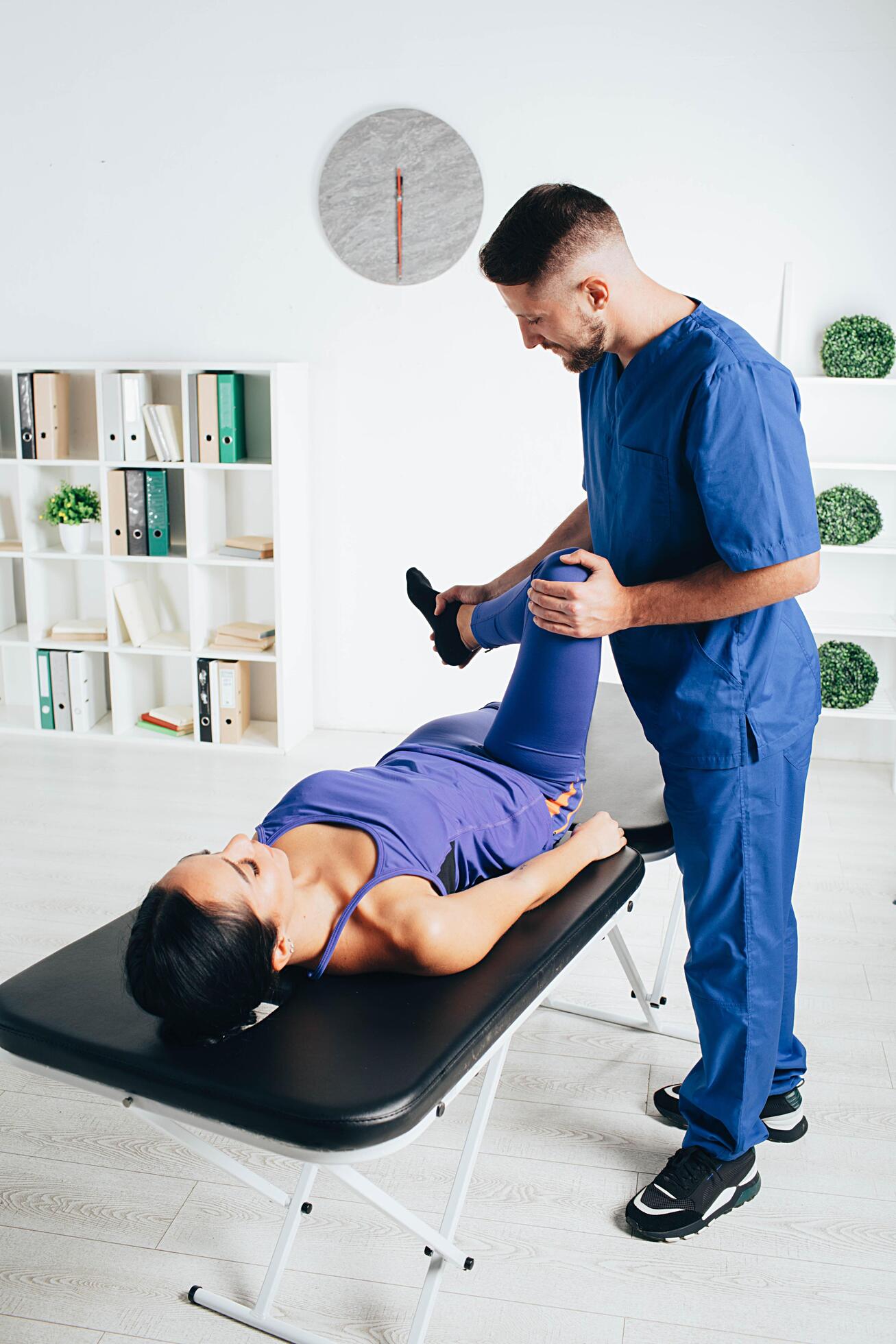
Your therapist starts with a full knee exam. They check swelling, range of motion, pain triggers, and strength. They test balance, step control, and walking form. They build a plan around your surgery status and your goals. Rehab sessions include guided exercises, hands-on care for motion, and gait training. Your therapist tracks progress with measurable tests, not guesswork. Is pain the best guide for exercise choice? No, function and control guide the plan, and pain stays a secondary signal.
Phase-Based Rehab After ACL Injury
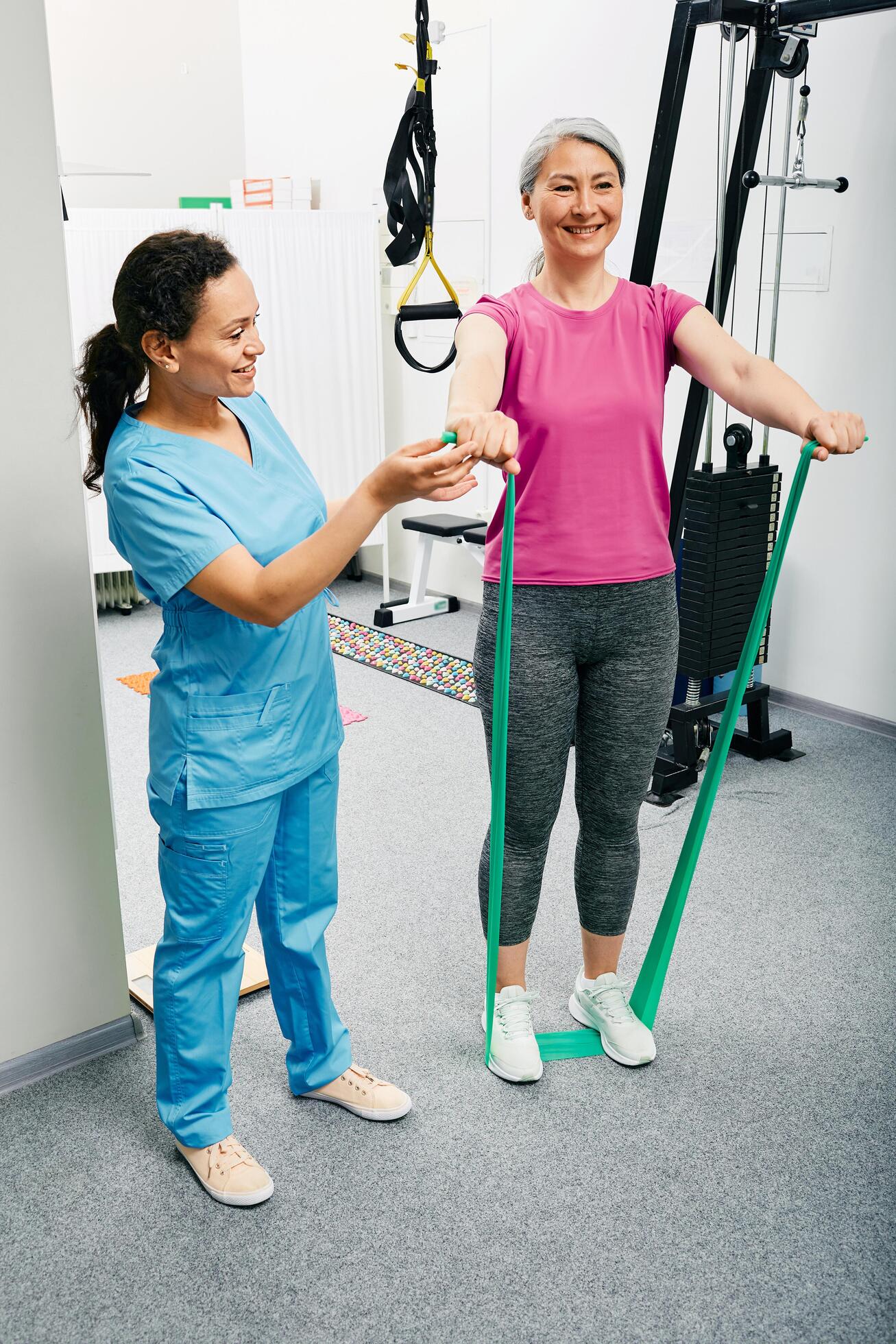
Most ACL plans follow phases with clear checkpoints. Early phases focus on swelling control and full knee extension. Mid phases build strength and single-leg control. Late phases train speed, landing, and sport-style moves. Your plan changes once you hit targets, not once a calendar date passes.
- Reduce swelling and regain full extension
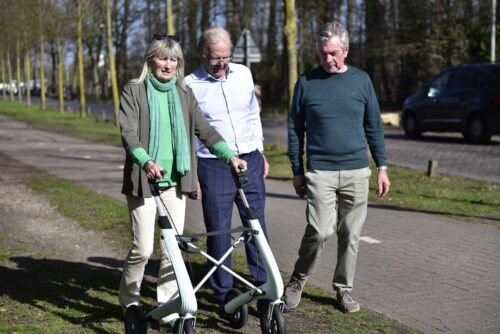
- Restore walking without a limp
- Build quad strength with safe loading
- Train balance and single-leg control
- Add jumping and landing mechanics
- Return to running, then cutting drills
When To Seek Urgent Medical Care
Some knee symptoms need prompt medical care. Seek care right away for calf pain with swelling and warmth. Chest pain or shortness of breath needs emergency care. Fever with knee redness and heat needs same-day evaluation. New numbness that spreads down the leg needs prompt assessment. A sudden locked knee with inability to straighten needs urgent evaluation.
Common Mistakes That Slow ACL Recovery
Many people push too hard on good days, then pay for it later. Others skip boring strength work and focus only on stretching. Some return to cutting drills before the knee shows stable control. Poor sleep and low protein intake can slow tissue recovery. Long work shifts on your feet can spike swelling and stiffness.
- Big jump in steps from one day to the next
- Too much jogging before strength targets
- Skipping single-leg work for both legs
- Ignoring hip strength and ankle motion
- Returning to sport before landing form improves
Schedule A Focused ACL Rehab Visit
ACL rehab works best with structure and steady follow-through. Modern Physical Therapy & Sports Medicine of South East Tucson, AZ can assess your knee, set phase-based targets, and guide you through strength, balance, and return to sport training.