Hip and groin pain can come from the joint itself, the muscles and tendons around it, or the nerves and tissues that run through the front of the hip. Many people first feel it deep in the groin when they stand up, step into a car, or turn quickly. Others feel it during running, cutting, squats, or getting up off the floor. Some pain feels sharp and pinchy. Some feel like a dull ache that never fully leaves. The tricky part is that several problems can feel similar in the same area, so guessing based on one symptom usually leads nowhere.
Common Causes We See in Sports Medicine
Chronic hip and groin pain often comes from a pattern, not one bad step.
Here are a few of the causes:
- Overuse from running, field sports, or repetitive training
- Returning to activity too quickly after time off or injury
- Lingering hip flexor strains that stay overloaded
- Adductor strains or tendon irritation with side-to-side movement
- Femoroacetabular impingement, often felt as pinching with hip flexion or rotation
- Arthritis changes that cause stiffness and deep joint ache
- Low back issues that refer pain into the hip or groin
When To Have The Issue Checked
If hip and groin pain lasts longer than a few weeks, keeps returning, or limits your training and work, it’s time for an evaluation. Get checked sooner if you have a limp that won’t settle, pain after a fall, swelling, bruising, or a catching or locking sensation in the hip. Also, get checked if pain starts affecting sleep or if you feel weakness that makes you avoid normal movement.
These are common reasons people come in:
- Pain with running, cutting, or changing direction
- Groin pain with stairs, getting out of the car, or turning in bed
- Pinching with deep squats or sitting low
- Recurring “tightness” that never fully resolves
- Pain that alters your walking or causes a limp
What Sports Medicine Treatment Can Do
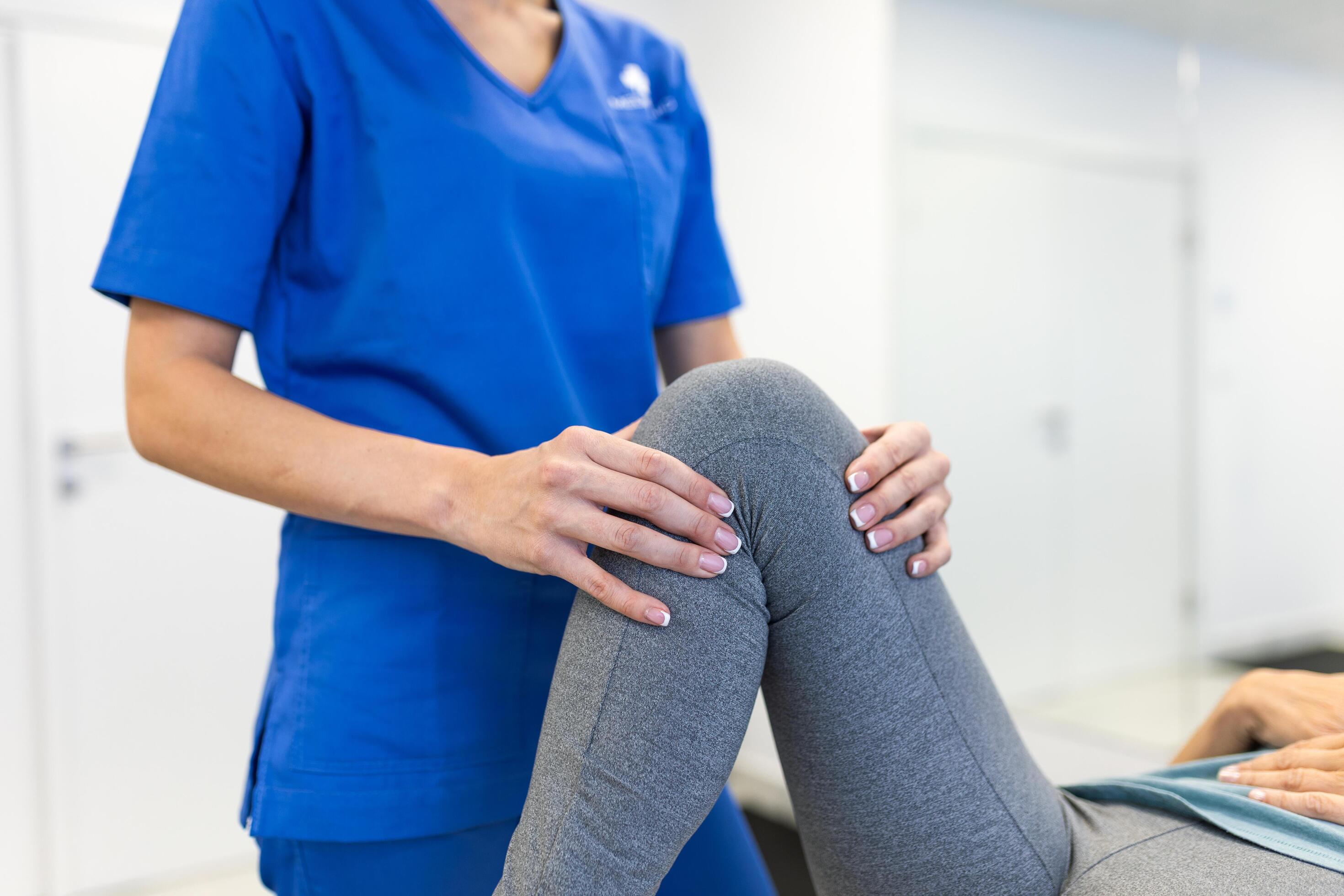
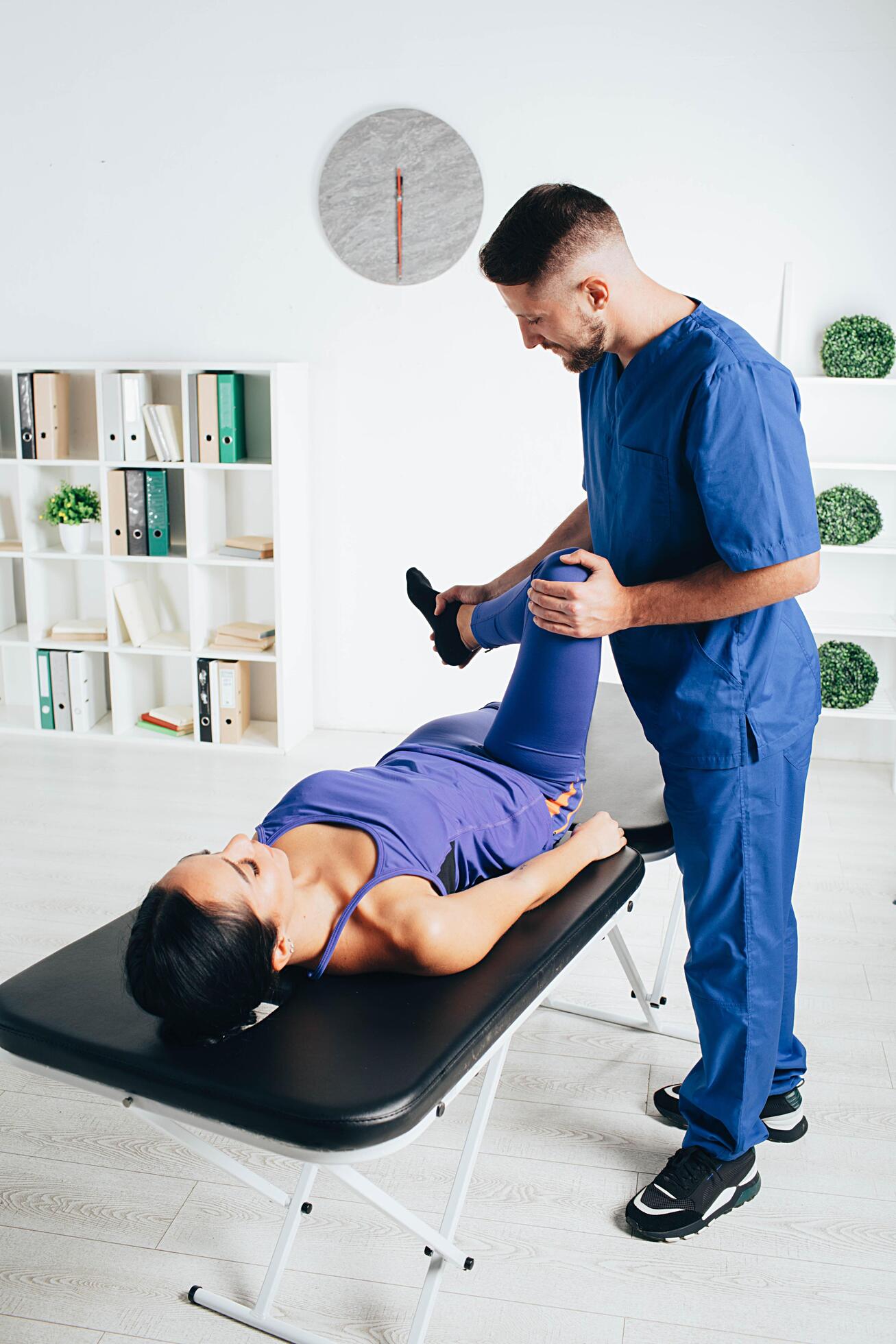
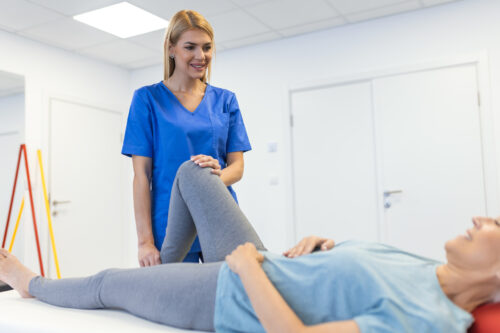
Sports medicine care starts with a clear exam. We assess hip range of motion, strength, and how the hip loads during walking, squats, and single-leg work. We also look at the pelvis and lower back, since they affect hip mechanics. From there, the plan focuses on reducing irritation and building the right strength and control so the hipstops getting overloaded. A good plan also respects where you are starting. If you’re flared up, we don’t throw you into aggressive stretching or heavy lifting on day one.
Types of Treatment That Often Help
Treatment varies based on the driver, but these steps are common in rehab for hip and groin pain:
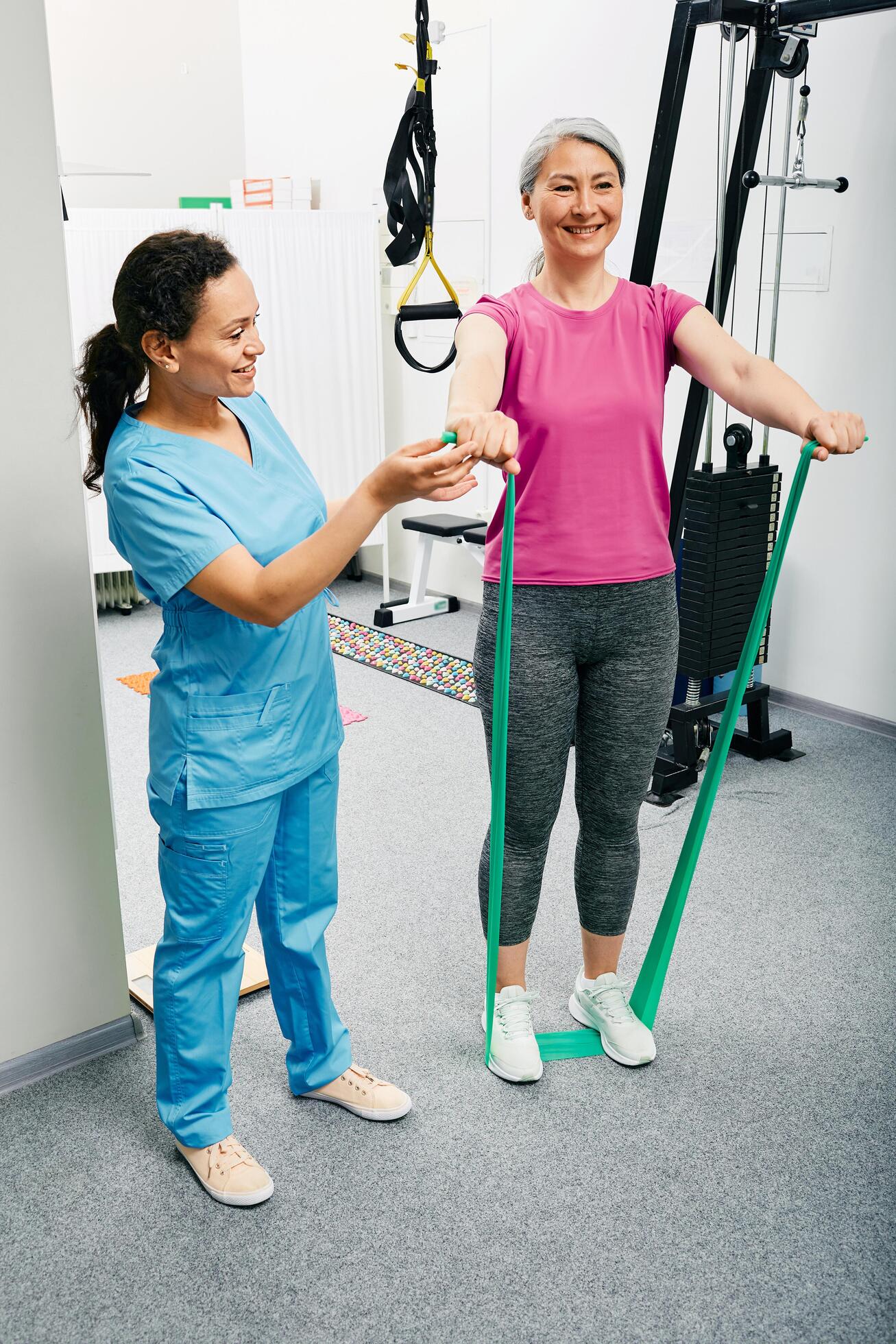
- Targeted strengthening for glutes, hip rotators, and adductors
- Mobility work to improve hip motion without pinching
- Soft tissue work when guarding and tightness are limiting movement
- Load management and pacing so symptoms calm down while you stay active
- Running or sport mechanics coaching when the movement pattern is part of the issue
- Return-to-sport progressions that rebuild tolerance over time
Let us help schedule an appointment with Modern Physical Therapy & Sports Medicine of South East Tucson, AZ.