Why Non-Surgical Care Deserves A Full Try
Many people hear “surgery” when the pain lasts a few months. Scans can push that talk, since a report sounds final on paper. Pain still changes with movement, sleep, and workload. That gives doctors room to treat the driver and improve function first. A solid non-surgical plan focuses on what hurts during real tasks, then tracks change week to week.
Manual Therapy That Restores Motion And Lowers Guarding
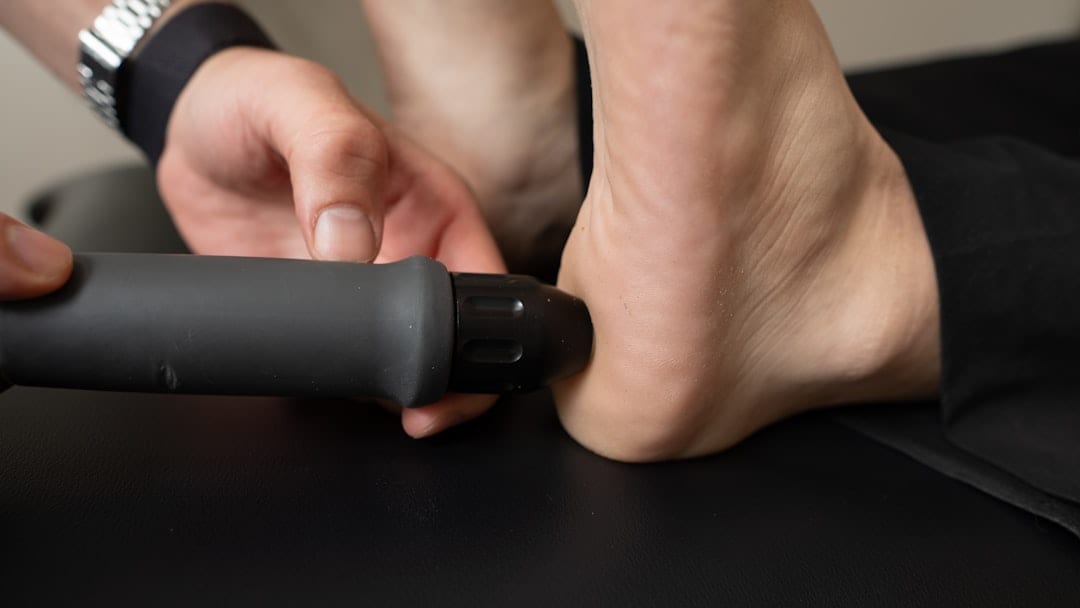
Hands-on care can reduce stiffness that keeps pain active. The provider may use joint mobilization to improve motion and comfort. Soft tissue work can calm tight bands that pull on the joint. Manual therapy works best when it leads into movement practice the same day. The goal is simple. Move better, then use that motion during strength work and daily tasks.
Strength And Conditioning Plans Built For The Pain Pattern
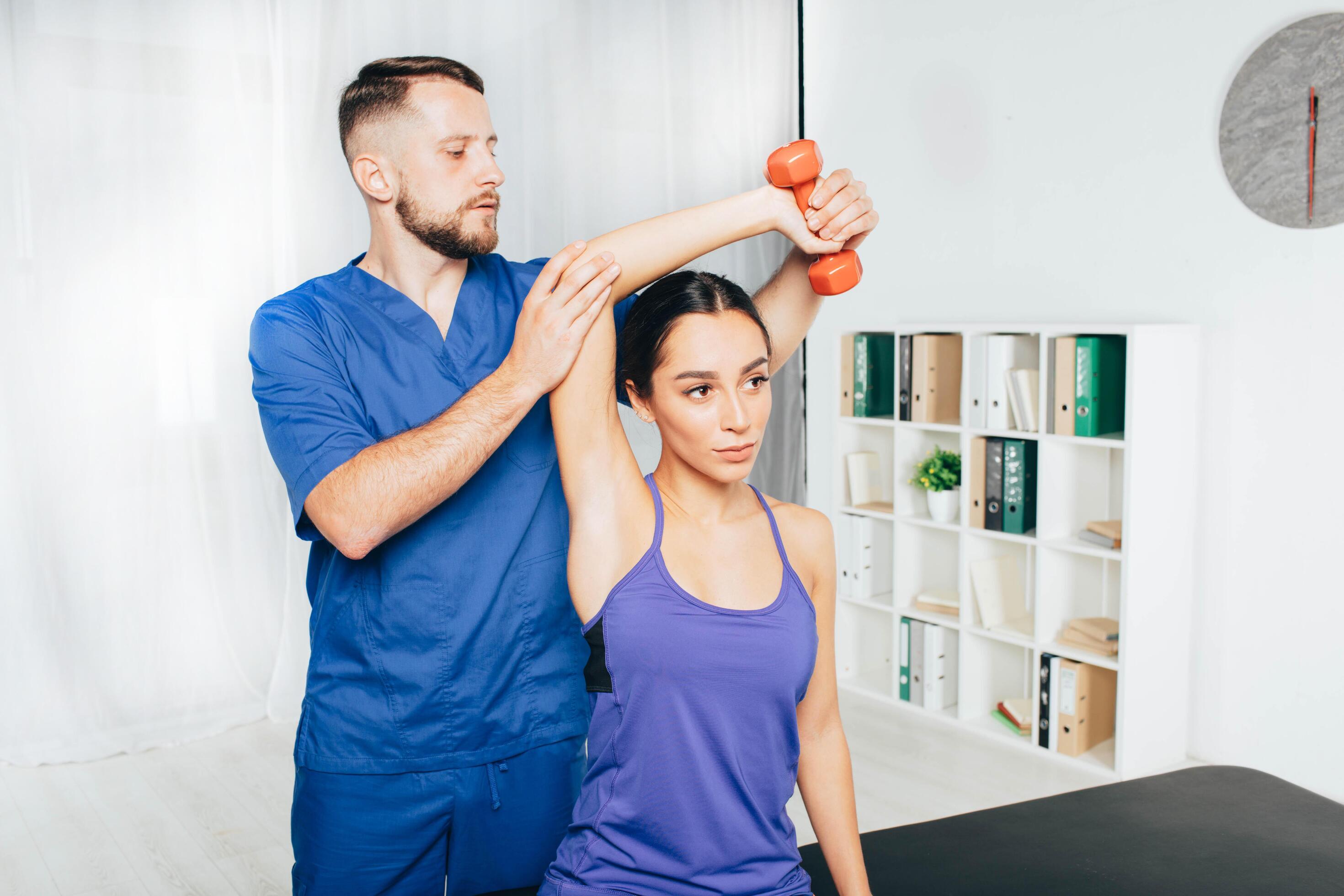
Strength training is a main tool for joint pain. A knee with arthritis often needs stronger quads and glutes. A painful shoulder often needs rotator cuff strength and better shoulder blade timing. A sore hip often needs glute strength and better control during step-downs. The provider sets a starting load you can tolerate, then builds it in small steps. What makes strength work “orthopedic” instead of random gym exercise? It matches the exercise to your exam findings, and it sets clear pain rules and progress checks.
Movement Retraining For Walking, Stairs, And Work Tasks
Pain often sticks when the same movement pattern repeats all day. Orthopedic care includes retraining for common tasks. That can mean step-down practice for knee pain, carry form for back pain, or reach mechanics for shoulder pain. You practice the task with cues, then you repeat it at home in short sets. This part often changes pain faster than people expect, since it reduces joint stress during hundreds of daily reps.
Medication And Injection Options Used As A Support Tool
Doctors may use medication or injections to lower pain and swelling. The goal is better sleep and better tolerance for rehab work. These tools can help you start moving again when pain feels stuck. Common options include:
- Anti-inflammatory medication plans: calm flare periods so walking and exercise feel doable again.
- Cortisone injections: reduce inflammation and pain so rehab sessions feel more productive.
- Hyaluronic acid injections: used in some knee arthritis cases to improve comfort during walking.
- Image-guided injections: improve placement accuracy for deeper joints like the hip.
- Aspiration for swelling: reduces pressure in a swollen joint and can support diagnosis.
Bracing, Foot Support, And Simple Load Tools
Devices can reduce stress on a painful joint during the day. They can also reduce fear of movement, which helps you stay active. These tools work best with a strength plan, not as a stand-alone fix. Options often include:
- Knee braces: support alignment and reduce pain during longer walks and stairs.
- Ankle braces: improve stability after sprains and reduce repeated rolling.
- Thumb or wrist braces: reduce gripping pain during work and home tasks.
- Shoe inserts or orthotics: reduce load through the arch, heel, or forefoot.
- Canes or walking poles: reduce joint stress during flare weeks and longer outings.
Modern Physical Therapy & Sports Medicine of Chandler, AZ can evaluate your joint, build a measured rehab plan, and coordinate care that supports pain relief without surgery.