What is Pelvic Pain?
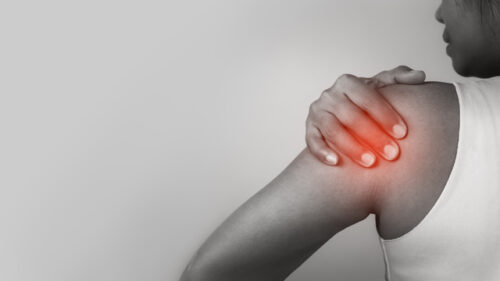
Pelvic pain is not always a single “spot.” It can sit low in the belly, around the pubic bone, deep in the hips, near the tailbone, or across the groin. Some people feel it like a burn. Some feel a heavy pressure. Others describe it as a constant tightness, like the area never fully relaxes.
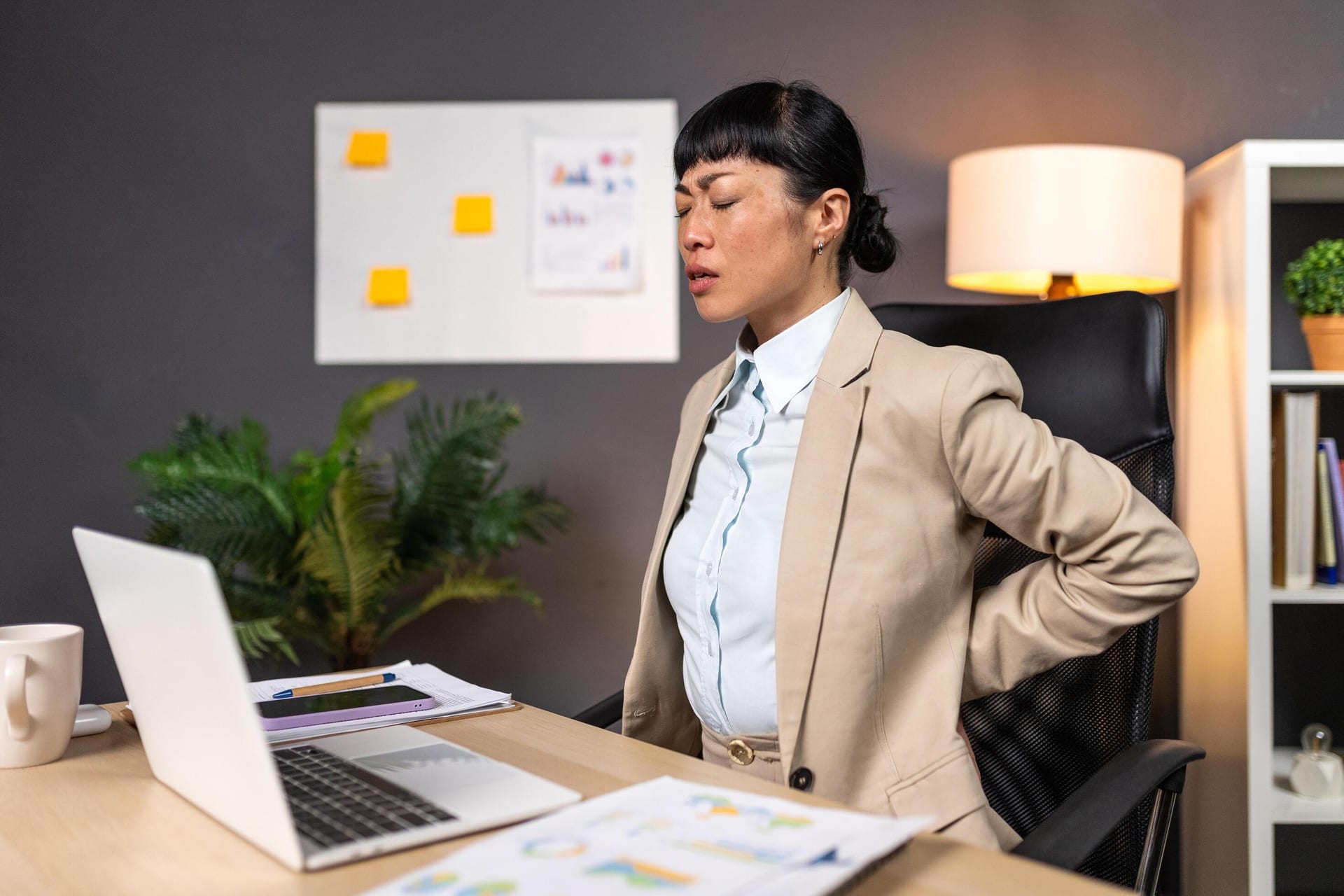
It can also be sneaky. You might only notice it when you sit through a long meeting, try to jog, use the bathroom, or attempt intimacy. Then it fades and makes you second-guess yourself. That back-and-forth is common.
How Does Pelvic Pain Usually Start?
Sometimes there’s a clear reason. A delivery, a C-section, a hysterectomy or other abdominal surgery, a fall, or an infection that left lingering sensitivity. Other times it builds in the background. Stress stays high. Sleep gets choppy. You start clenching without realizing it. Your breathing gets shallow. And sometimes you honestly don’t know how it started. You just know you don’t feel right. That happens more than people admit out loud.
How to Know When to Get Checked
If pelvic pain is changing your choices, it’s time. You shouldn’t have to plan your day around discomfort or keep guessing what will trigger it. Watch for patterns like:
- Pain that shows up most days, even if it comes and goes
- Symptoms that return after workouts, long walks, or long drives
- Discomfort with intimacy, or fear that it will hurt
- Pressure or heaviness that makes you feel unsupported
- Bathroom-related issues that pair with pelvic pain, like urgency or constipation
- Sitting is becoming the “enemy,” especially on hard chairs or in the car
What is Physical Therapy for Pelvic Pain?
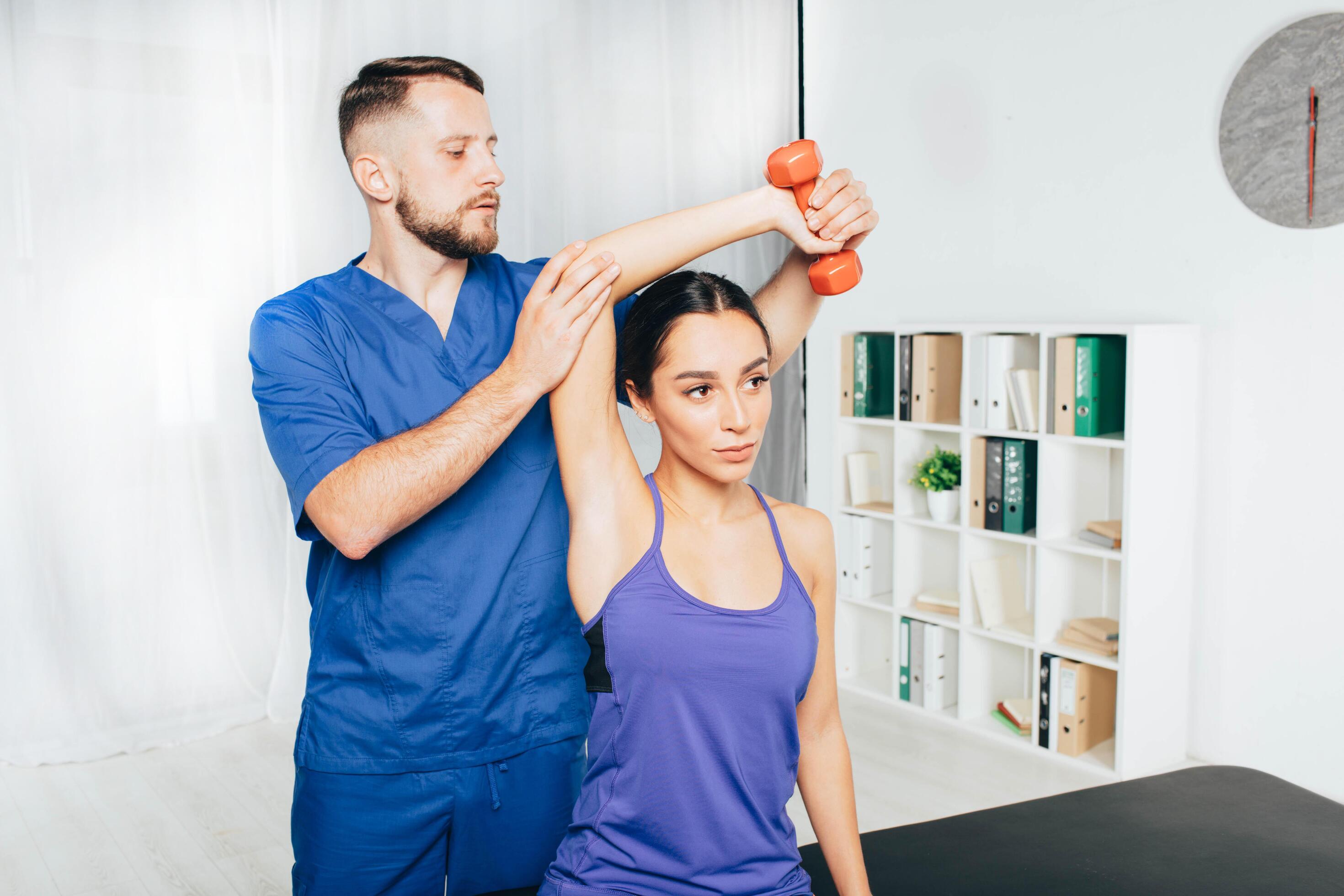
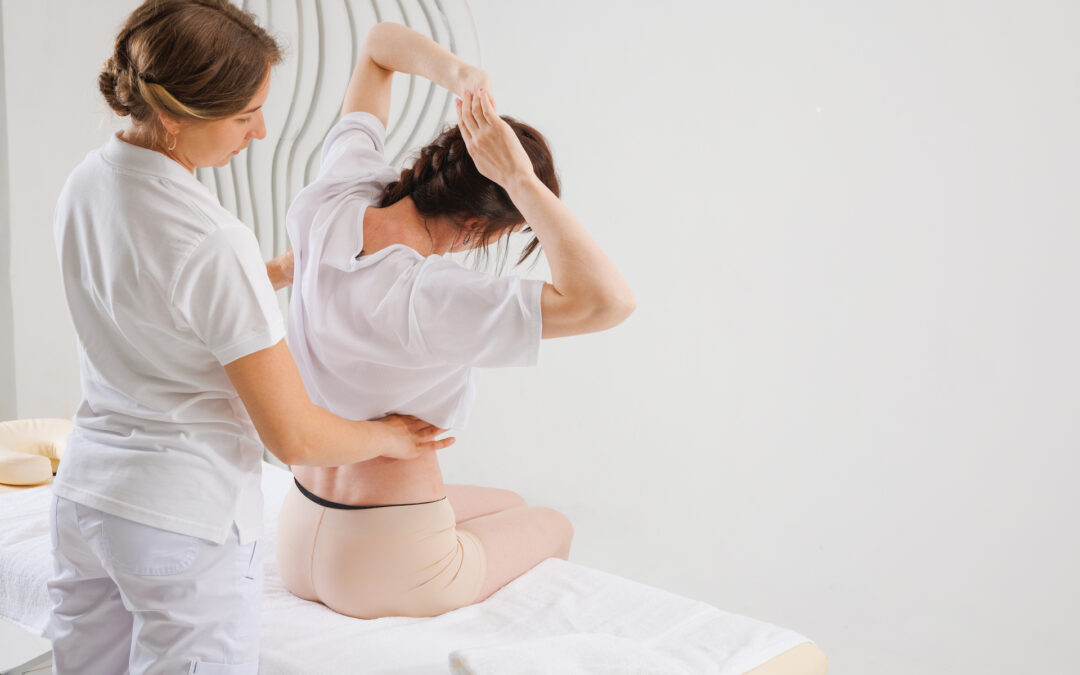
Your first visit starts with a conversation. You’ll talk about what you feel, what makes it worse, what makes it better, and what you want back. Then your therapist checks movement, breathing, hip and low back mechanics, and how your core is supporting you.
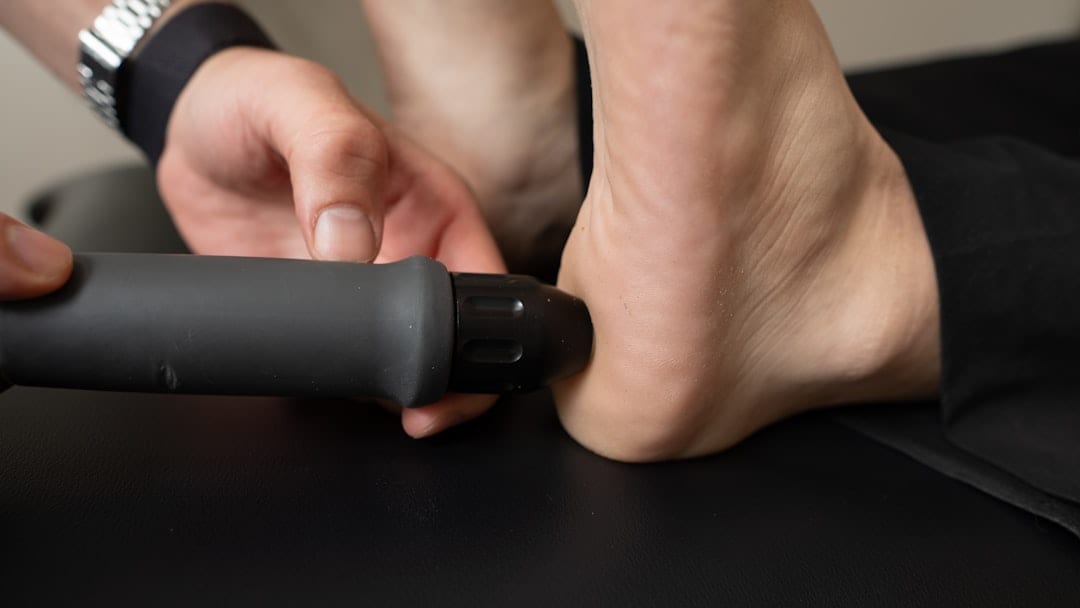
Treatment varies, but it often includes breathing and relaxation training for people who are constantly “clenched,” gentle mobility for stiff hips or low back, and strength and coordination work so your core and pelvic floor stop fighting each other. If hands-on work makes sense, it’s used thoughtfully, not as the whole plan.
Why PT Is Often the Best First Step
People tend to bounce between extremes. They rest too much, then flare as soon as they return to normal life. Or they push through, and the pain gets louder. PT gives you a middle path that’s realistic. It’s low risk. It builds skills you keep using. You also learn how to respond early, so a small flare doesn’t become a full reset.
Find Relief From Pelvic Pain with Physical Therapy
If pelvic pain is affecting your comfort, movement, or confidence, we can help. Schedule an evaluation with Modern Physical Therapy & Sports Medicine of Chandler, AZ and get a plan that fits your body and your day.