ACL surgery changes things right away. The knee feels different even before you leave the surgical center. Swelling sets in. The leg feels heavy. Simple movements take more effort than expected. Many people assume that once the ligament is repaired, strength and confidence will return on their own. That part rarely happens without help.
Physical therapy is what bridges the gap between a repaired ligament and a knee you can trust again.
At Modern Medicine Physical Therapy & Sports Medicine of Chandler, AZ, we see people at every stage of recovery. Some are frustrated early on. Others feel strong but unsure. Almost all of them ask the same question at some point. Is this normal?
What The Knee Has To Relearn After Surgery
The ACL does more than connect bone to bone. It plays a role in how the brain senses knee position and movement. After surgery, that connection is disrupted.
Early on, swelling limits motion. The quadriceps muscle often shuts down, even if you are trying to use it. Weight bearing can feel awkward or uneven. None of this means something is wrong. It means the knee is relearning how to work.
Physical therapy focuses on restoring that connection before poor habits take hold.
The First Phase Is About Control
Early rehab looks slow from the outside. That is intentional. This phase is about getting the knee straight again, calming swelling, and waking the quadriceps back up.
Exercises stay simple and controlled. Leg lifts. Gentle bending. Short bouts of walking with focus on even steps. Progress is guided by how the knee responds, not by a set number of days. Rushing this stage often creates problems later.
The Leg Starts Feeling Stronger
Once motion improves and swelling settles, rehab starts to feel more active. This is where people usually feel encouraged and impatient at the same time.
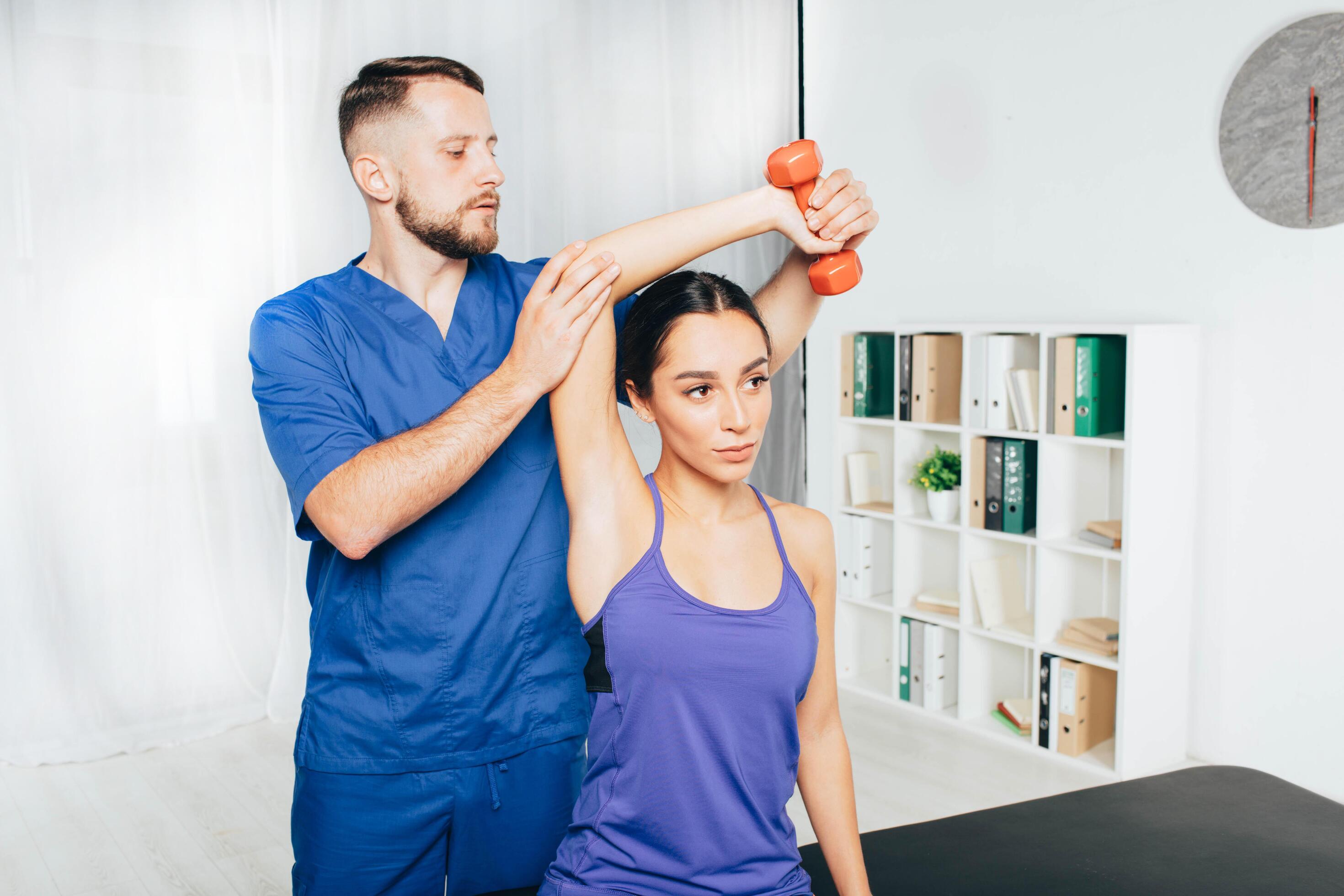
Strength work expands. Controlled squats. Step-ups. Balance work on one leg. The focus shifts from just moving the knee to controlling it during everyday tasks. Hips and core start to matter more because they help take pressure off the knee.
This phase builds the foundation for everything that comes next.
Preparing The Knee For Real Movement Again
Later in rehab, exercises start to resemble real life more closely. The knee needs to tolerate quicker movements, uneven surfaces, and changing directions.
This stage may include light jumping preparation, progressed single-leg strength, and movement patterns tied to work or sport. Confidence often lags behind strength here. Physical therapy helps close that gap so the knee feels responsive instead of fragile.
Why Recovery Timelines Look Different For Everyone
People often want a clear return date. The reality is that recovery depends on several factors. Swelling response. Strength balance between legs. Movement confidence. Activity goals. All of these influence progression. Physical therapy adjusts based on what the knee is showing, not what the calendar says.
Rebuild Trust In Your Knee
If you are recovering from ACL surgery and want guidance through each stage, physical therapy can help. Schedule an evaluation with Modern Medicine Physical Therapy & Sports Medicine of Chandler, AZ, and get a recovery plan built around your knee, your goals, and your life.