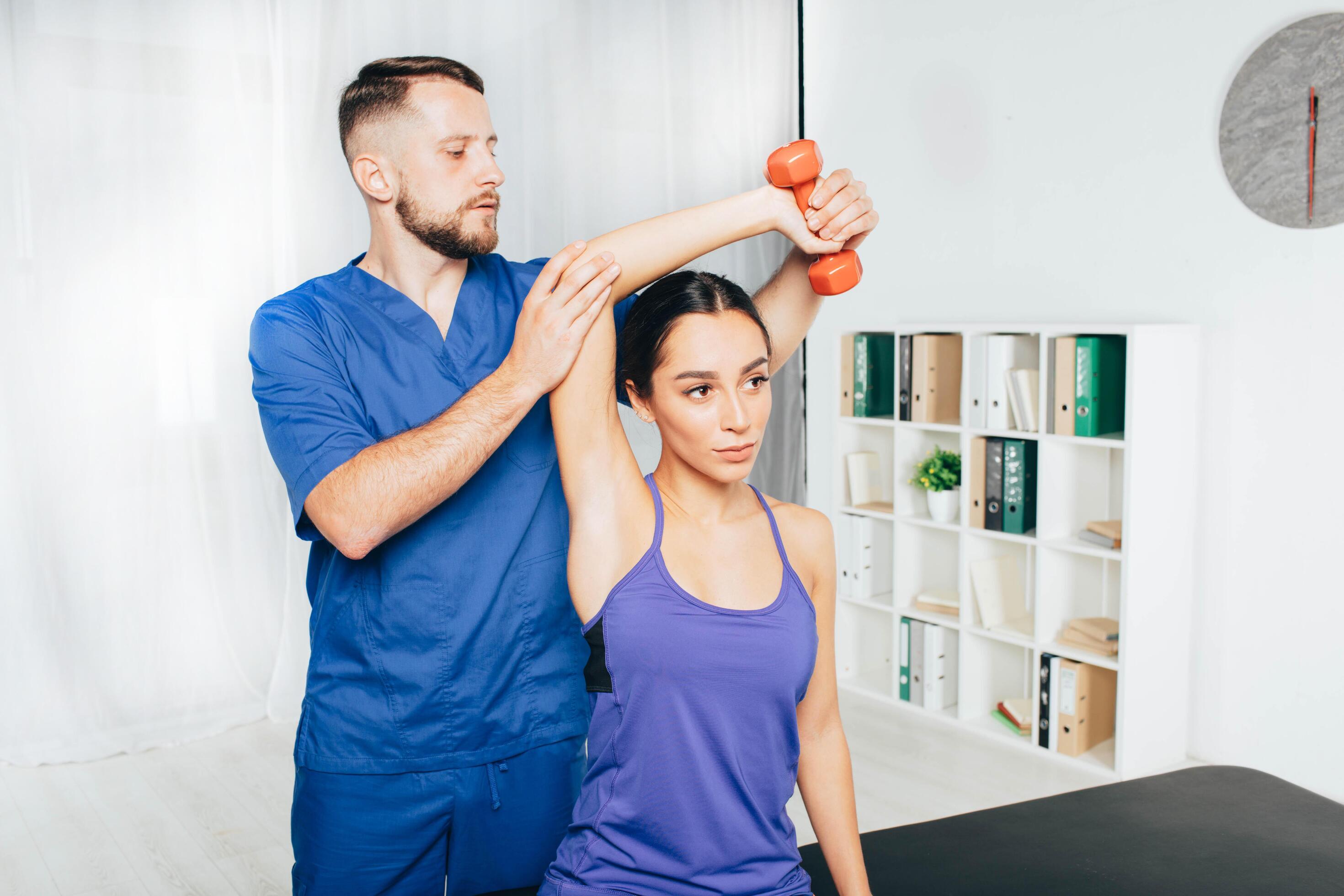
Ahwatukee, AZ — Sports Medicine for Rotator Cuff Recovery Across the Valley
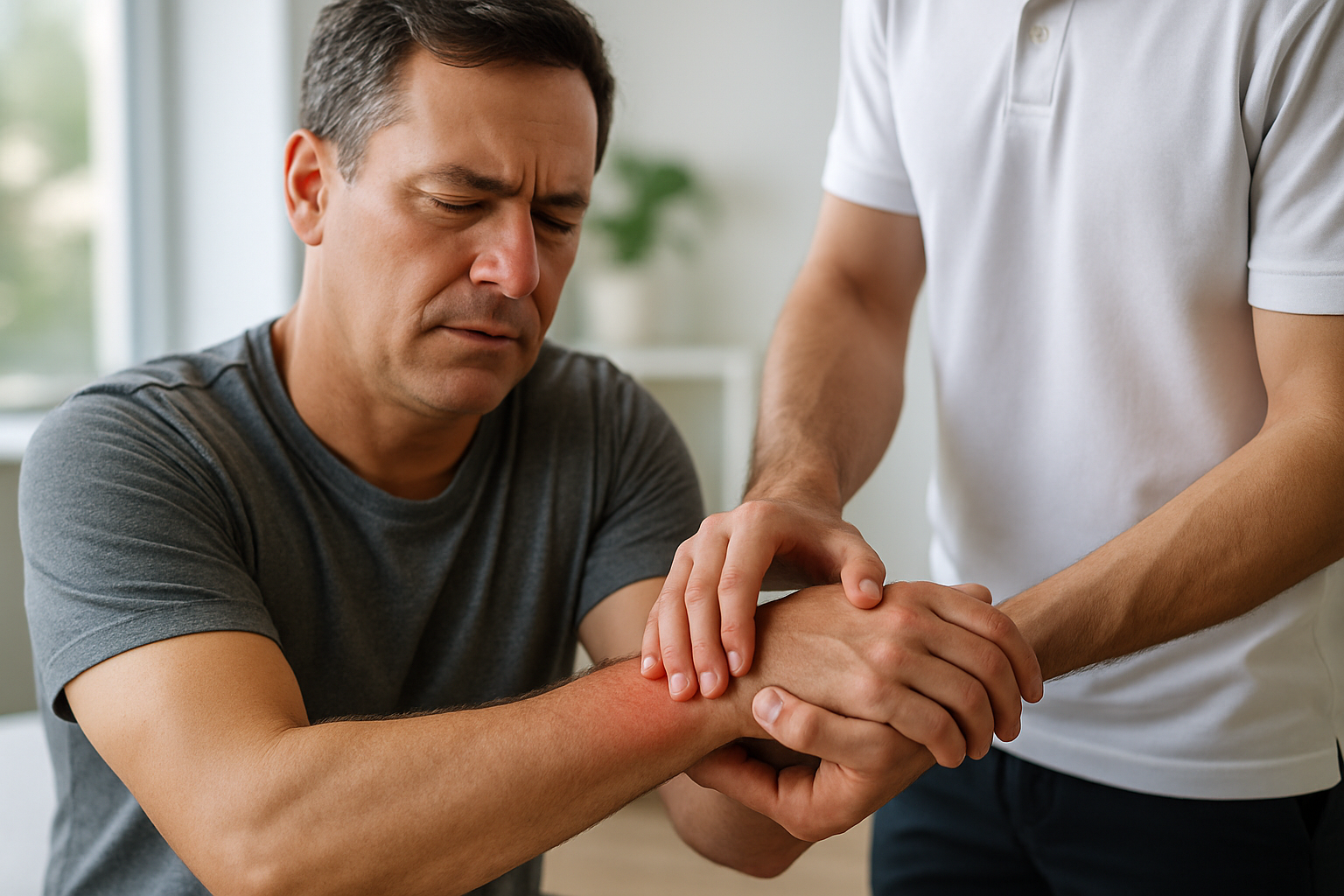
A rotator cuff injury hits active people where it hurts, because so much of what they do runs through the shoulder. Throwing, swimming, serving, lifting, swinging. The cuff is what makes the shoulder both mobile and stable, and when it goes, the whole overhead game goes with it. Getting it back for someone who wants to return to real activity takes more than just calming the pain. Here's what sports medicine actually does with a cuff injury when the goal is getting back to your sport.
What the Rotator Cuff Does
The rotator cuff is four muscles and their tendons sitting deep in the shoulder, quietly holding the joint steady through every move. They're what let you reach overhead, rotate the arm, and control it with precision. The bigger muscles do the powerful stuff. The cuff does the fine, stabilizing work underneath. When it gets irritated, strained, or torn, the shoulder loses that stability.
Why the Overhead Athlete Needs More
Here's the thing general shoulder care misses. A shoulder can feel fine at rest and completely fall apart the moment you ask it to throw, serve, or swim. Everyday function and athletic function are worlds apart, especially overhead.
So clearing a cuff based on pain alone leaves an athlete short. The shoulder might handle daily life while nowhere near ready for the speed, range, and force that overhead sports demand. Sports medicine is built around that higher bar, rebuilding the cuff to handle the actual load of the sport, not just the load of getting dressed.
How Recovery Actually Works
Cuff recovery moves through stages, each with its own job:
- Calming the irritated shoulder and protecting the cuff early, without letting it stiffen
- Rebuilding the cuff and the muscles around the shoulder blade, since they steady the joint together
- Fixing posture and upper back stiffness that jam the cuff into a tighter space
- Loading the shoulder progressively toward the demands of the sport
- Retraining the overhead motion itself, so the mechanics that may have caused it get fixed
That last piece matters for athletes especially. A flawed throwing or serving motion often sets up the injury, and returning to it unchanged just sets up the next one.
The Return Has to Be Earned
The comeback is where cuff recoveries are won or lost. Not a switch from hurt to cleared, but a graded build. Full pain-free motion, then strength matching the other side, then power restored, then a careful return to the overhead demands of the sport, each step earned before the next. Rush it and the cuff flares right back up. Pace it and you come back for good.
When to Visit Modern Medicine of Chandler, AZ
Worth getting looked at when shoulder pain has hung on past a couple of weeks, when overhead activity catches or weakens, when it's wrecking your sleep, or when your throw, serve, or swing has lost its strength. Earlier means less stiffness to undo.
If a cuff injury's kept you out of your sport, we'd be glad to help you get back. Give the team at Modern Medicine of Chandler, AZ a call, and we'll take a look and build your return around the shoulder you actually need.