What An ACL Tear Changes InThe Knee
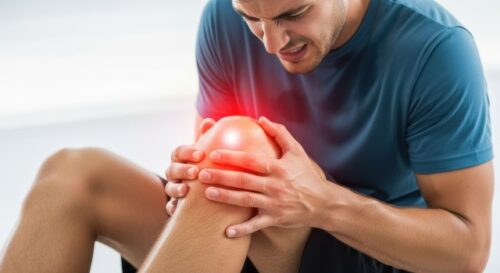
The ACL helps control forward movement and rotation at the knee. Once it tears, the joint can feel loose, shaky, or hard to trust. Some people feel a pop at the time of injury. Some notice swelling within hours.
It can affect sports, workouts, stairs, and even simple things like stepping off a curb too fast. A few patients mainly notice weakness. Others notice buckling. The exact feeling changes from person to person, but the common theme is loss of control.
ACL tears often happen during cutting, landing, sudden deceleration, or awkward twisting. Basketball, soccer, football, skiing, and court sports are common settings. The tear can happen with contact or without it. In some cases, meniscal damage, bone bruising, or ligament strain are present, too.
What Happens During AnACL Exam?
The exam finds out how unstable the knee feels, what other tissue may be involved, and how the leg is functioning right now.
That often includes:
- Swelling and joint irritation
- Range of motion
- Ligament testing
- Meniscal signs
- Quad activation
- Walking pattern
- Single leg control, when appropriate
- Pain with weight bearing and direction change
Sports Medicine ForThe ACL Tear
Early treatment often focuses on reducing swelling, restoring motion, and getting the quad firing again. Walking quality matters here, too. A limp that sticks around can make the rest of the recovery harder. Patients often need help with knee extension, flexion, weight shifting, and basic control before more demanding exercise starts.
This phase is important for both surgical and non-surgical paths. A knee that stays stiff, weak, and irritated is harder to rehab later.
Rehab Builds Stability Step By Step
Knee stability does not come back from rest alone. It has to be trained. Rehab usually moves in stages so the knee can handle more force without losing control.
Strength work often targets:
- Quadriceps
- Hamstrings
- Glutes
- Calves
- Trunk control
Balance and neuromuscular work matter too. The knee has to respond during stepping, landing, cutting, and single leg loading. That means treatment often includes balance drills, split stance work, step downs, controlled deceleration, and movement retraining. A patient may feel strong on two legs and still lack control on one.
This is where sports medicine treatment becomes very specific. A patient who wants to return to soccer needs a different progression from a patient whose main goal is safe walking and daily function. The knee still needs stability in both cases, but the demands are different.
Non-Surgical Care And Post-Op Rehab Both Matter
Not every ACL tear follows the same path. Some patients move forward with structured rehab and activity changes. Some need reconstruction, then a full rehab plan after surgery. In both cases, treatment still centers on strength, control, and knee stability.
Non-surgical care often fits patients with lower pivot demands, better control after rehab starts, or goals centered more on daily life than cutting sports. Post-op rehab often follows ACL reconstruction and may include staged work for motion, quad strength, gait, landing mechanics, and return to sport testing.
The important point is this: the knee needs a plan either way. Surgery does not replace rehab. Rehab is the part that helps the leg function again.
Schedule a visit with Modern Medicine of Chandler, AZ if an ACL tear or unstable knee has started limiting the way you move.