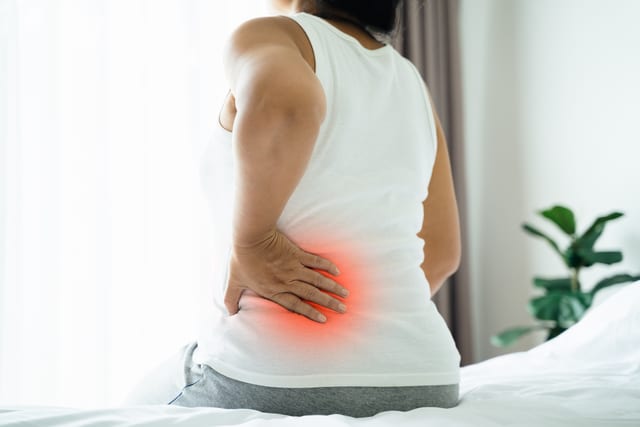
Back pain often follows a routine. It flares after long desk hours, then bites during the drive home. It spikes once you stand to cook dinner. It shows up again when you bend to load a washer. Some people feel a tight band across the lower back. Others feel pain that spreads into the hip or buttock. Many people start avoiding bends and lifts, then the back gets stiffer and more sensitive.
An Evaluation Finds The Real Trigger
PT starts with a full exam. Your therapist asks what positions and tasks set pain off. They test range of motion, strength, and control during simple movements. They watch how you hinge, squat, and stand from a chair. They screen hips and ankles since limits there can overload the back. This service helps by finding the pattern behind pain, so the plan is specific instead of generic.
Manual Therapy For Stiffness And Guarding
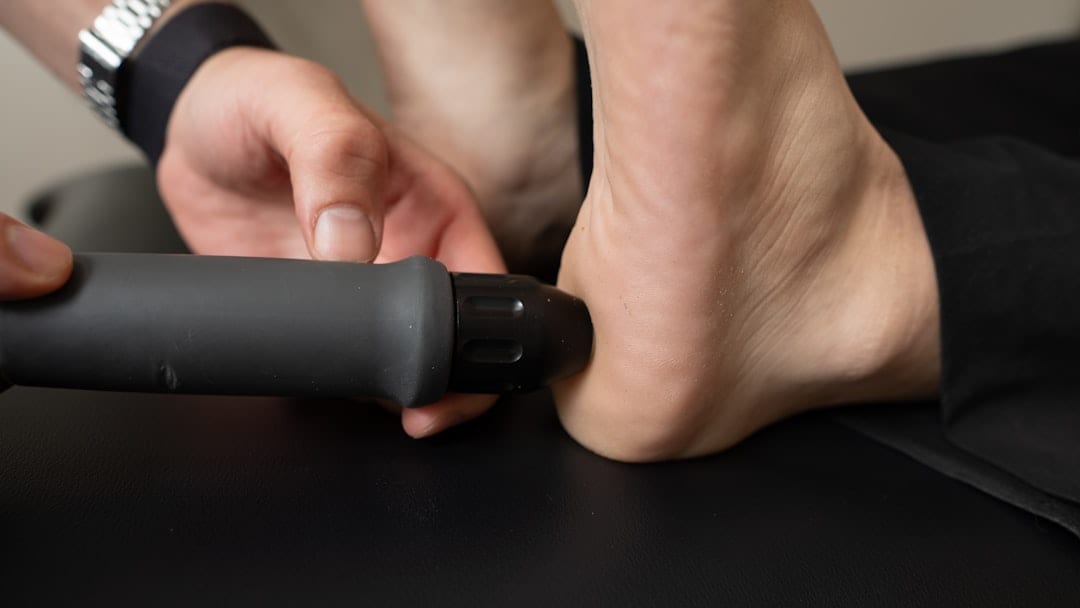
Stiffness can keep pain active, even when strength is decent. PT may use hands-on techniques to reduce guarding in the low back and hips. Some visits include joint mobilization for segments that feel stuck. Others focus on soft tissue work for tight muscles that pull on posture. Manual therapy works best when you follow it with movement drills in the same session.
Movement Retraining For Bending And Lifting
Many back flares come from repeated daily bends with poor control. PT teaches a cleaner hip hinge and safer lift setup. You practice lifting from counter height first, then lower surfaces. You learn how to brace without holding your breath. You also practice carries and turns, since twisting with a load is a common trigger. This service helps by reducing stress during the hundreds of small lifts you do each week.
Strength Services That Support The Spine
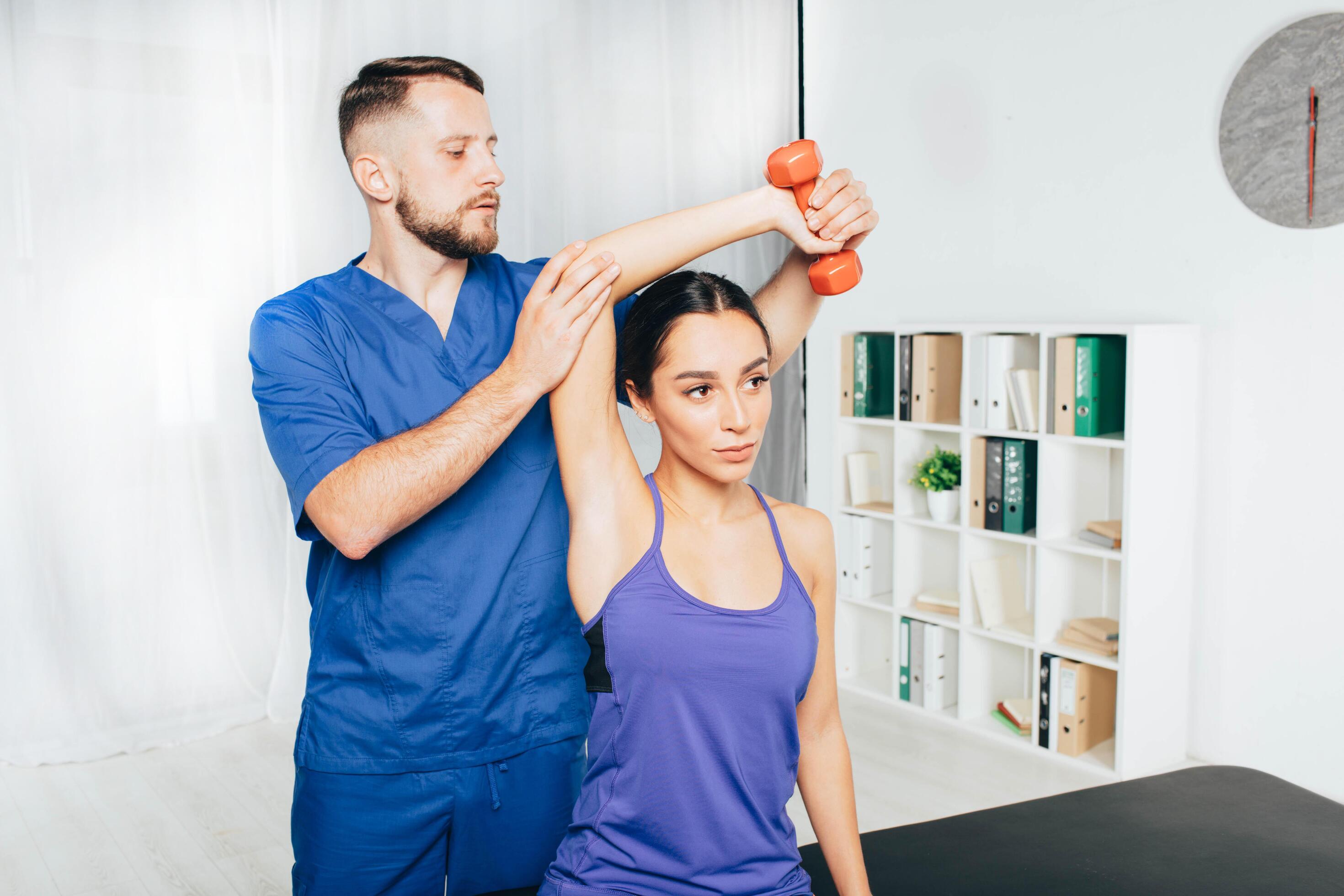
Lasting relief often requires stronger support muscles. PT builds strength in the trunk, hips, and legs, since they share the load with the spine. The plan often includes controlled squats, hinges, step-ups, and carries. Your therapist adjusts depth and load so you train without sharp pain. Stronger hips often reduce back load during stairs, standing, and longer walks.
Nerve-Related Care For Pain That Travels
Some back pain travels into the buttocks, thigh, or calf. PT checks nerve tension and screens for motion patterns that flare symptoms. Treatment uses graded movement that calms sensitivity without freezing the body. You may practice specific positions, short walks, and gentle nerve glide drills. The goal is steadier symptoms and better tolerance for sitting and driving.
Get Help With Back Pain Today
Back pain that keeps returning needs a plan that fits real life and builds strength over time. Modern Physical Therapy & Sports Medicine of Chandler, AZ can assess your pain triggers, retrain bending and lifting, and guide a program aimed at lasting relief.