Most back pain advice you’ve heard is probably wrong, or at least half right in a way that keeps people stuck. Rest it. Avoid bending. Wait for it to pass. That advice is why so many people spend months shuffling around stiff and sore, wondering why the thing won’t quit.
So here’s what people tend to get wrong about it, starting with the big one.
“Rest Will Fix It”
For a day or two, fine. After that, rest works against you. Muscles weaken quickly when they sit idle, and the ones bracing your spine weaken right along with them. The longer the back gets babied, the less support it has, and the more the spine handles on its own. A lot of back pain that drags on for months is really just this loop running unchecked.
“The Pain Is Where the Problem Is”
Feels obvious. It’s usually off, though. The spot that hurts and the thing causing it are often in different places. Hours of sitting tighten the hips. Hamstrings shorten. A core that hasn’t worked in years stops bracing. The spine quietly picks up everyone’s slack until one ordinary movement, reaching for something, twisting to grab a bag, becomes the moment it finally complains. Treat only the sore spot, and you’ll likely be back in a few months.
“Core Work Means Crunches”
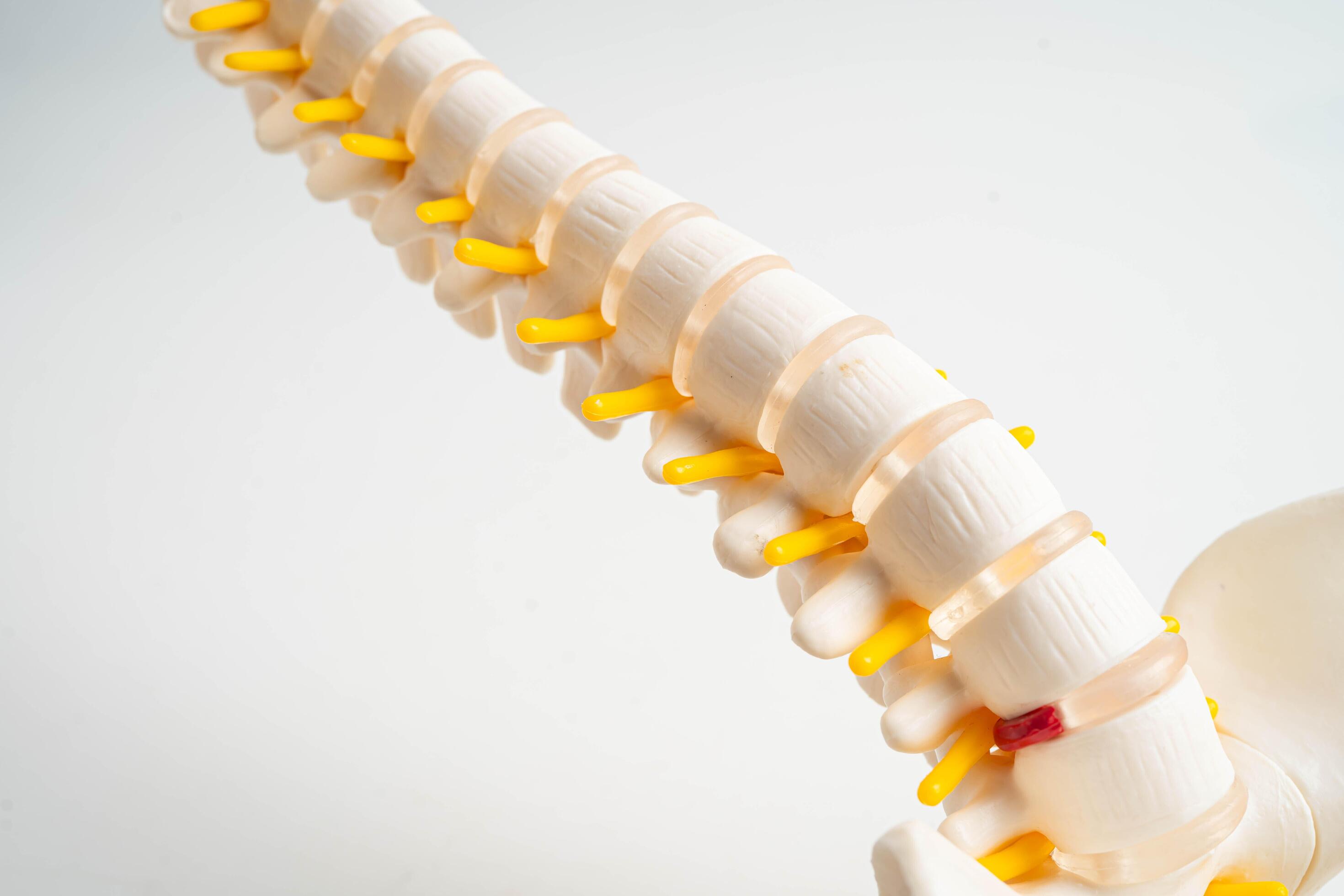
This one keeps people from the thing that actually helps. Your core runs all the way around your midsection, front, sides, and back, and its real job is holding your spine steady. When it’s strong, the load gets shared. When it’s weak, your spine carries the weight by itself, and that’s when the aching sets in.
Orthopedic care leans on that idea:
- Waking up the deep muscles that brace the spine through movement
- Training them to fire on their own when you bend, lift, or twist
- Loosening tight hips and hamstrings that drag on the lower back
- Reworking how you sit and stand so the back stops absorbing everything
Crunches barely come into it. The point is getting the middle of your body to carry its share.
“I’ll Know When It’s Serious”
People wait far too long because they assume real trouble announces itself. Sometimes it whispers. Get it looked at when the pain has hung on past a couple of weeks, when it travels into a hip or down a leg, when mornings are a stiff slog, or when you’ve started changing how you lift and bend without quite noticing. Pain that’s costing you sleep belongs on that list, too.
None of those automatically points to something scary. They mostly mean the back needs a real plan rather than another week on the couch.
If your back pain is cutting into your day, the team at Modern Medicine of Chandler, AZ, can take a look and figure out what’s really going on. Reach out today and schedule a visit.