What Knee Arthritis Does to the Joint
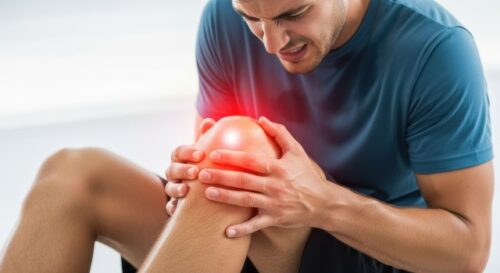
Cartilage between the femur and tibia wears down over time. The cushioning thins. Bone absorbs the load it was not designed to handle directly. The joint swells. Quad muscles weaken as pain makes the knee feel unreliable and activity drops off.
Weaker quads mean more direct stress on the joint surface. More stress means more breakdown. More breakdown means more pain and more muscle inhibition. That cycle does not reverse on its own.
How It Changes the Way You Walk
The body protects a painful joint automatically and without conscious input. The stride shortens on the affected side. Weight shifts away from the most irritated part of the joint. The hip rotates differently. The opposite knee absorbs more than its share. The low back adjusts to all of it.
None of these compensations feels like a decision. They just happen. And they stick around long after treatment starts if nobody addresses them directly. A lot of patients come in for the knee and realize the hip tightness and back ache they thought were separate issues are connected.
What Orthopedic Treatment Addresses
Corticosteroid injections reduce inflammation when the joint is too irritated to respond to exercise. Hyaluronic acid helps when lubrication is the bigger issue and movement has become rough and grinding. Both create conditions where physical therapy can actually work.
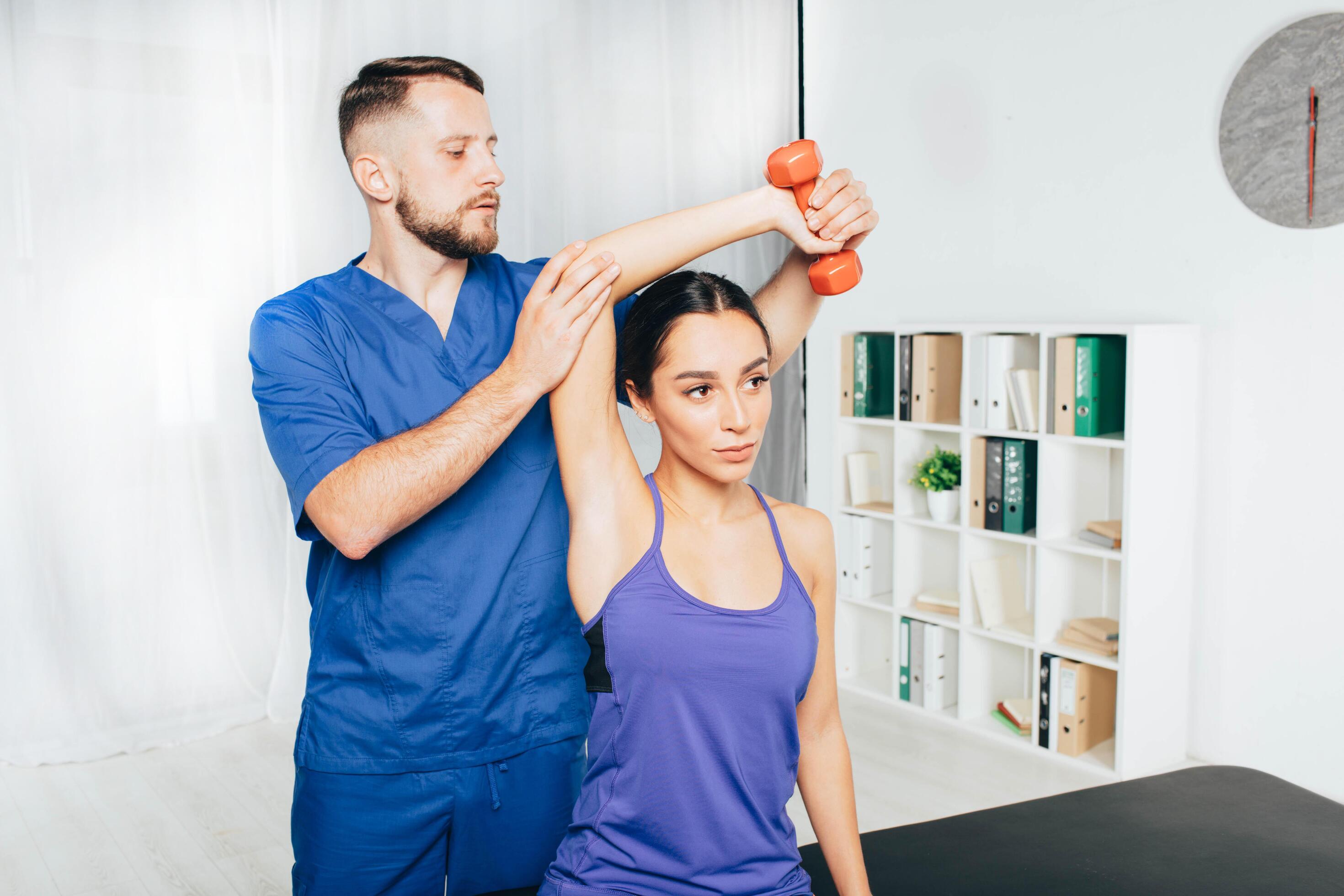
Physical therapy rebuilds quad and hip strength that takes the load off damaged surfaces. Gait retraining addresses compensations that have spread beyond the knee. Manual therapy restores mobility in a joint that has stiffened due to arthritis.
The injection alone does not rebuild strength. Exercise alone does not fix a joint too inflamed to move properly. Together they produce results neither achieves on its own.
Daily Habits That Make a Difference
Worn-out footwear with no shock absorption turns every step into accumulated joint stress. Replacing shoes more often than feels necessary is one of the simpler changes that helps.
Sitting for long stretches stiffens the joint. Getting up briefly every forty minutes keeps things from locking up. Tempe residents with desk jobs often notice the knee is worse after long meetings or drives, not after activity.
Weight reduction lowers joint load significantly. Every extra pound adds roughly four pounds of force through the knee during walking.
Avoiding low chairs and deep couches reduces the demand during sit-to-stand, one of the more loaded movements for an arthritic knee.
Get The Help You Need Today
If knee pain has been affecting walking or daily activity in the Tempe area, contact Modern Medicine of Chandler, AZ to schedule an orthopedic evaluation.