When Pain Feels Sharp, Burning, or Electric
Nerve pain rarely feels simple. Patients describe burning. Tingling. Pins and needles. Sharp pain that shoots without warning. Some feel numbness instead. Pain may travel down an arm or leg. It may ease for a few hours, then return. Sleep becomes lighter. Long car rides hurt. Standing in one spot feels just as bad. Many people feel confused by how unpredictable nerve pain can be.
Where Nerve Pain Often Begins
Nerves react when something irritates or compresses them. This often happens near the spine, but not always. Swelling, disc changes, posture strain, and repeated movement can all play a role. Old injuries matter too, especially ones that never fully settled. Over time, the nerve becomes reactive. Normal movement starts to feel threatening, even when damage is limited.
Patterns We See With Nerve Pain
Nerve pain shows up differently depending on location and daily habits.
Patients often notice:
- Leg pain tied to the lower back
- Arm symptoms linked to neck tension
- Hand tingling during gripping or typing
- Hip or shoulder pain that travels
- Nerve symptoms that linger long after injury
The pattern tells more than the label.
How Orthopedic Providers Evaluate Nerve Pain
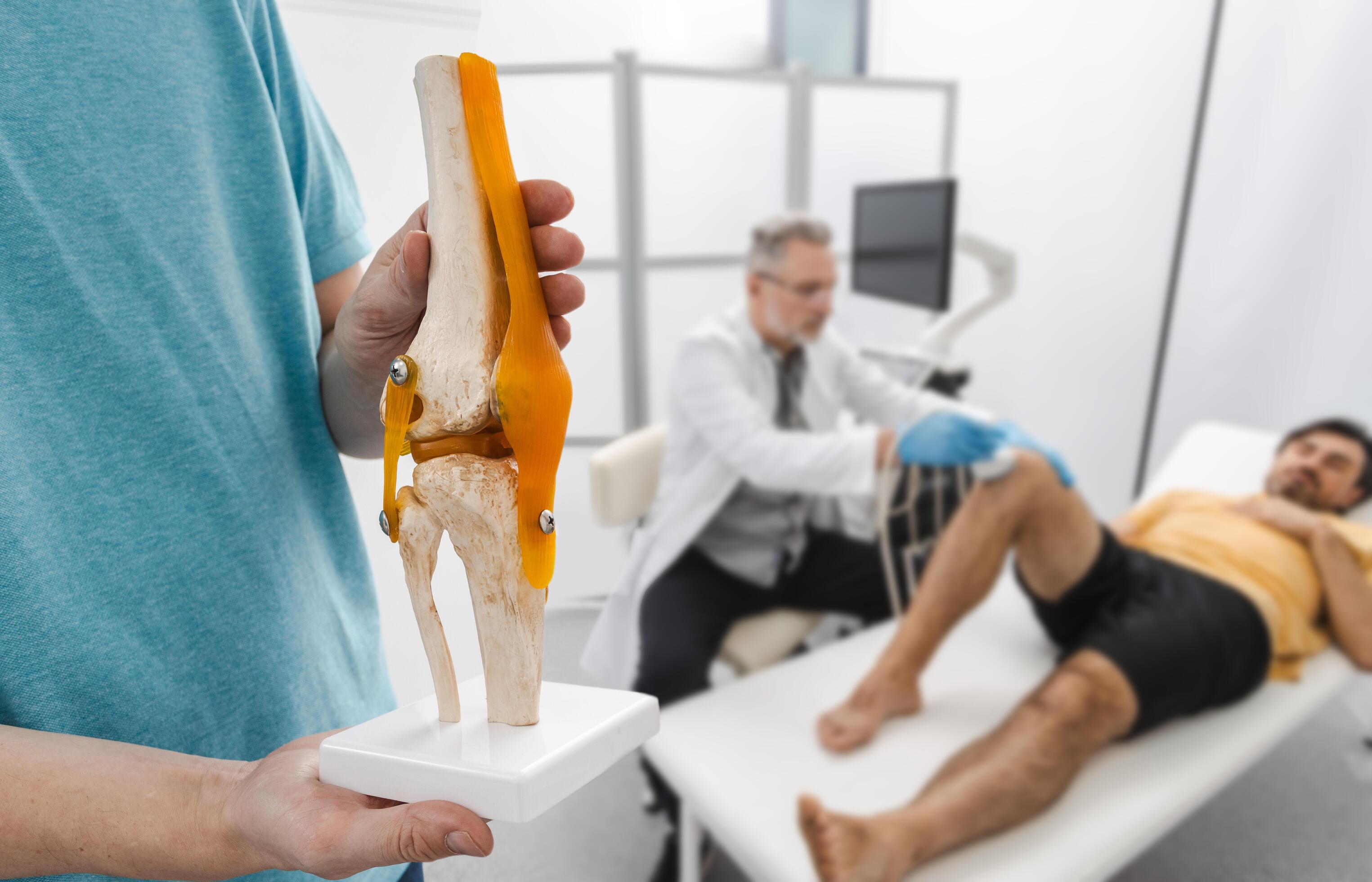
Evaluation focuses on movement, not guesswork. Providers watch how symptoms change with posture and motion. They test strength, control, and nerve response. Small changes matter. Imaging may rule out serious issues, but it rarely explains everything. How the body reacts during movement often gives clearer answers.
How Physical Therapy Helps Nerves Settle
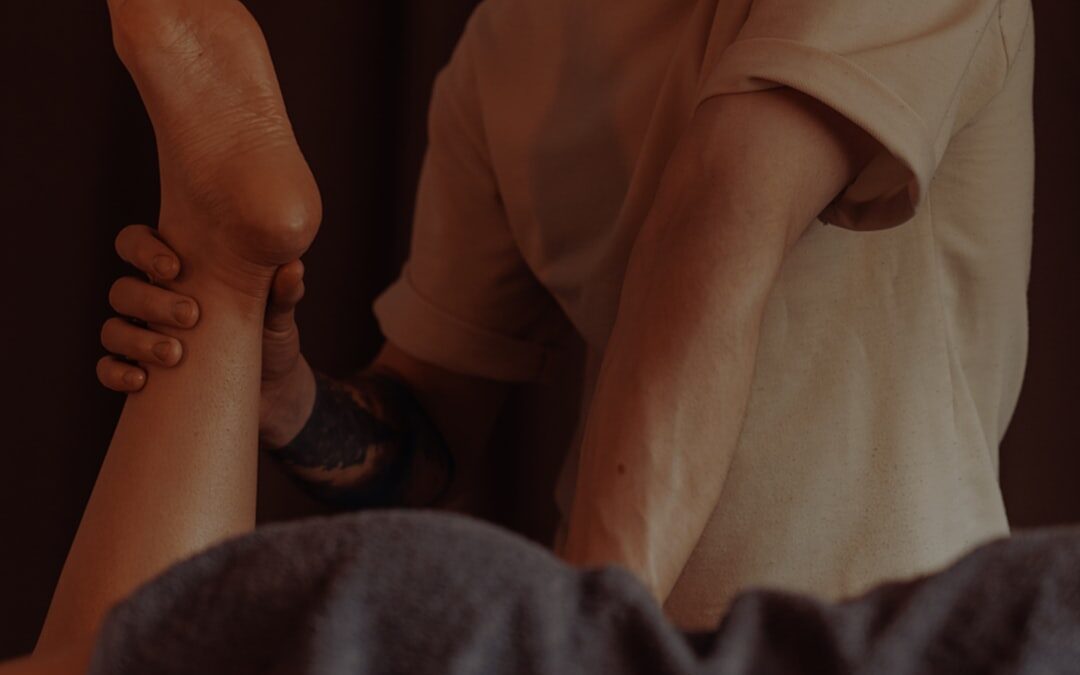
Physical therapy helps calm nerve irritation by reducing stress around it. Care starts gently. Small movements. Controlled positions. Space improves around the nerve. Strength returns where support is missing. Manual work reduces tension in nearby tissue. Progress stays slow enough to avoid flare-ups.
When Medical Care Supports Progress
Sometimes, nerve pain stays active because inflammation will not settle. Non-surgical medical care may help calm things enough for movement to feel safe again. These treatments support rehab. They do not replace it. Care decisions depend on how symptoms respond over time.
Daily Habits That Keep Nerves Irritated
Nerve pain often links back to routine habits. Sitting too long. Sleeping in one position. Reaching the same way all day. Education helps patients connect symptoms to behavior. Small changes reduce irritation more than people expect.
Getting Comfortable Moving Again
Pain creates hesitation. People stop trusting their bodies. Care includes a gradual return to movement that feels controlled. As nerve symptoms ease, confidence builds. Patients often notice fewer flare-ups once strength and movement return together.
Begin Nerve Pain Care in East Mesa
If nerve pain keeps interrupting your day, help is available. The team at Modern Physical Therapy & Sports Medicine of East Mesa, AZ, focuses on calming nerve irritation and restoring movement without surgery. Schedule an appointment to talk through your options and start feeling steadier again.