How Rotator Cuff Problems Usually Start
A lot of shoulder problems do not begin with one sudden moment. Sometimes they do. A fall, a hard pull, or one bad lift can set things off fast. But in plenty of cases, rotator cuff pain builds over time.
We see this in active adults, athletes, and people with jobs that keep their arms moving all day. Reaching overhead again and again, lifting weights, throwing, swimming, painting, stocking shelves, and even repeated yard work can all wear the shoulder down. The rotator cuff is a group of muscles and tendons that help keep the shoulder steady while you move your arm. When that area gets irritated or strained, the shoulder can start to feel sore, weak, or unreliable.
At first, the pain may come and go. You might notice it after a workout or at the end of a long day. Then it starts showing up during simple things, too. Reaching into a cabinet, putting on a shirt, drying your hair, or lifting something from the back seat suddenly feels different.
How We Evaluate The Shoulder
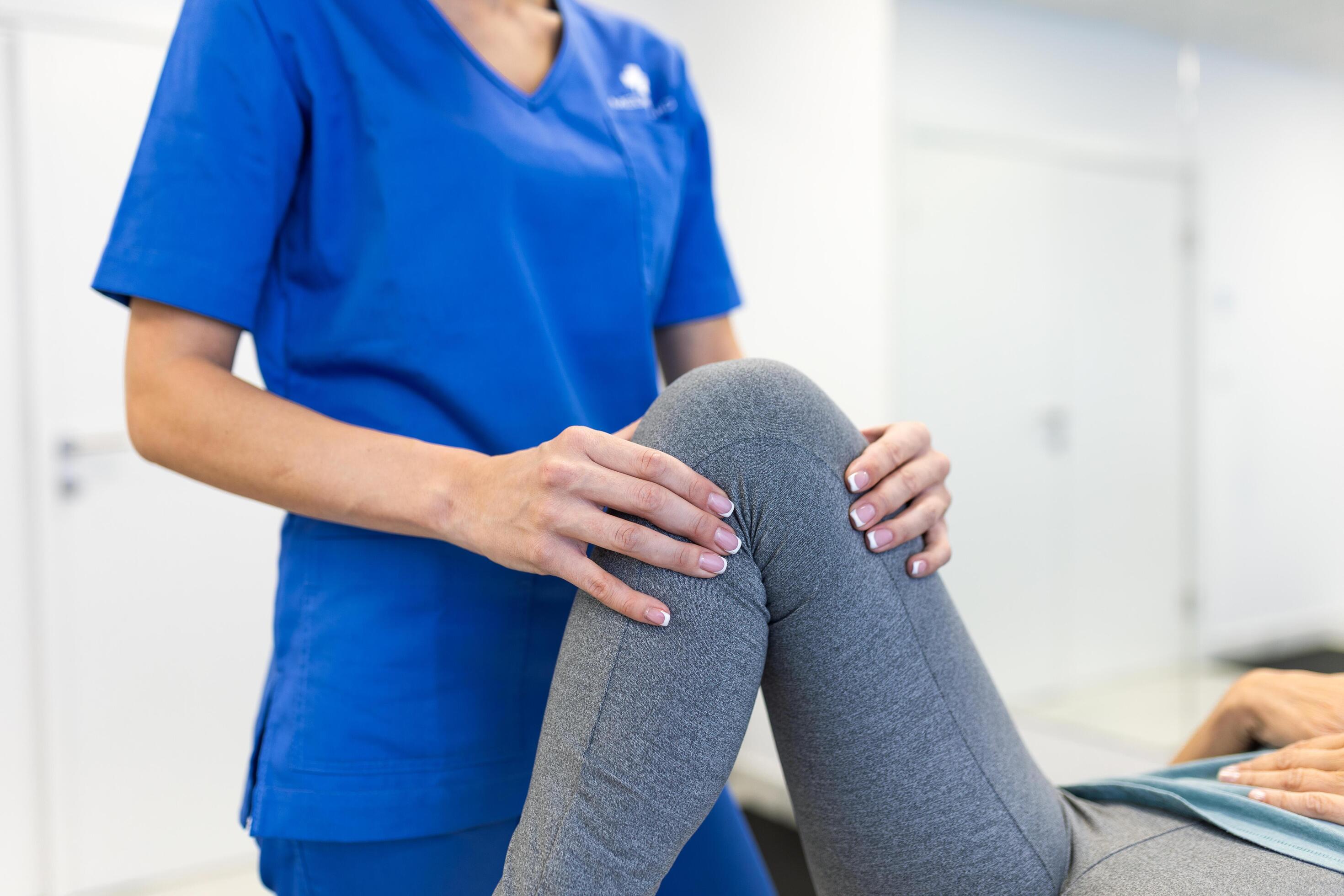
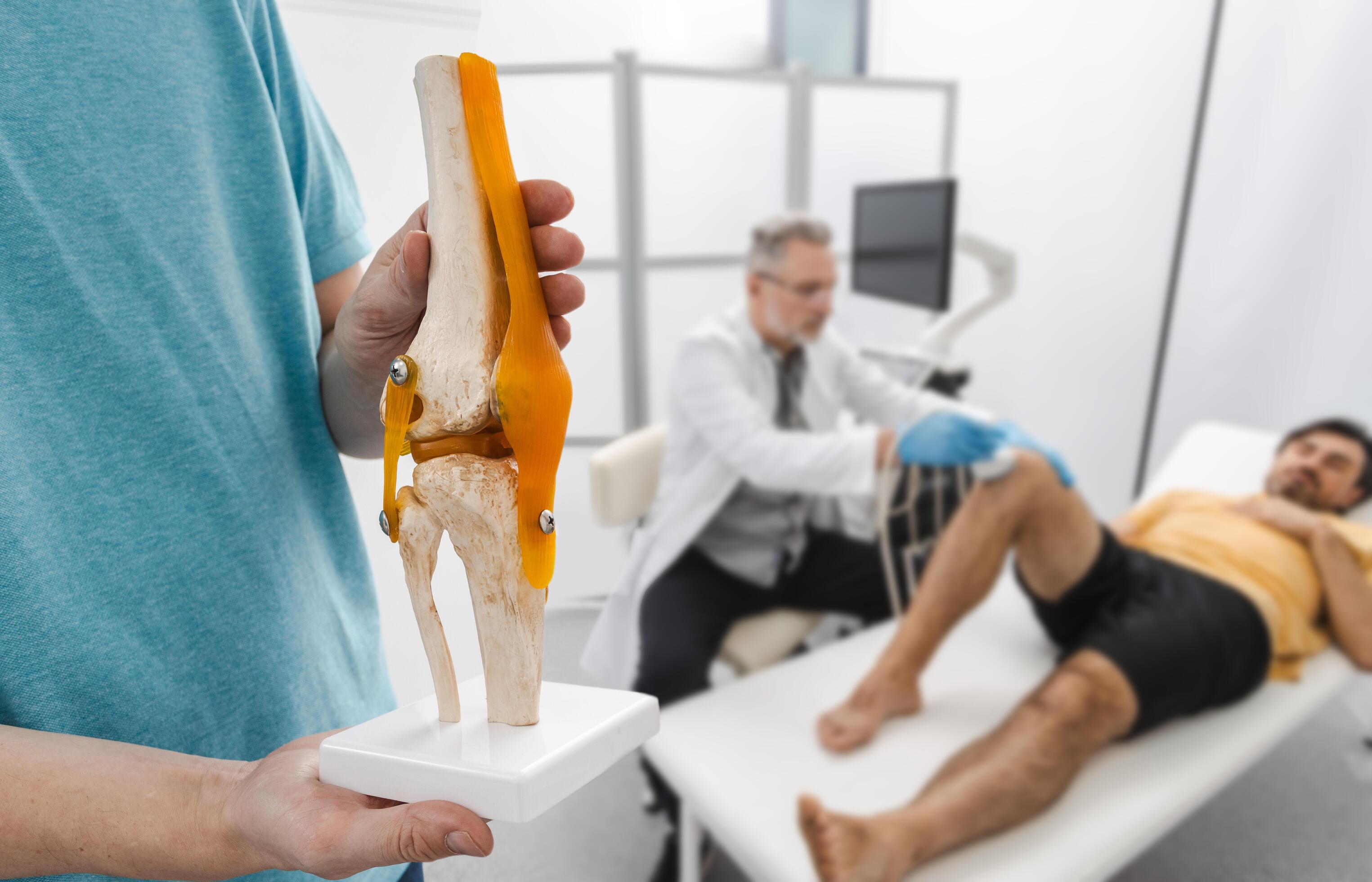
When you come to our sports medicine clinic, we do more than ask where it hurts. We look at how the shoulder is moving and how well it is holding up under load.
Your visit may include:
- A discussion about when the pain started and what movements trigger it
- Strength testing to see where the shoulder is losing control
- Range of motion checks to find stiffness or painful limits
- Hands-on testing to narrow down which structures may be involved
We also look at the bigger picture. Shoulder pain is not always just a shoulder issue. Posture, upper back motion, neck tension, and poor shoulder blade control can all play a part. If the shoulder is doing too much work without enough support around it, the rotator cuff can get overloaded fast.
What Treatment May Include
Sports medicine treatment includes:
- Activity changes to reduce strain on the shoulder
- Rehab exercises to restore strength and control
- Mobility work to improve shoulder and upper back movement
- Hands-on care to reduce pain and stiffness
- Guidance for returning to lifting, sports, or work tasks
A big part of care is knowing what not to push through. People often keep testing their shoulder because they do not want to lose progress. That can keep the irritation going. We help patients back off where needed, then build the shoulder back up in a way that makes sense.
What Recovery Is Like
Mild irritation may calm down with the right treatment plan and a few changes in activity. A more involved strain or tear may take longer and need a more structured rehab process.
The goal is not just pain relief. We want the shoulder to feel steady again. That means better strength, better control, and more confidence when using the arm in daily life. Whether you want to get back to the gym, return to a sport, or just reach overhead without thinking twice, that is what treatment should move you toward.
At Modern Medicine of East Mesa, we help people work through rotator cuff injuries with sports medicine care built around the way they actually live and move. Call our clinic to schedule a visit and let’s take a closer look at what your shoulder needs.