Runner’s knee is one of the top reasons people stop running. Pain sits around the front of the knee. Sometimes right under the kneecap. Sometimes, it’s more like it wraps under it. Quiet on mile one. Loud by mile three. Worse going down stairs than up. Sometimes it flares after a long sit at a desk, which throws runners off.
The annoying part is that the knee usually feels fine on flat ground. The flare comes with hills, distance, or anything that adds load to the front of the joint. People dial back, feel better, run again, and it shows back up. The cycle keeps going until something in the plan actually changes.
What Runner’s Knee Is
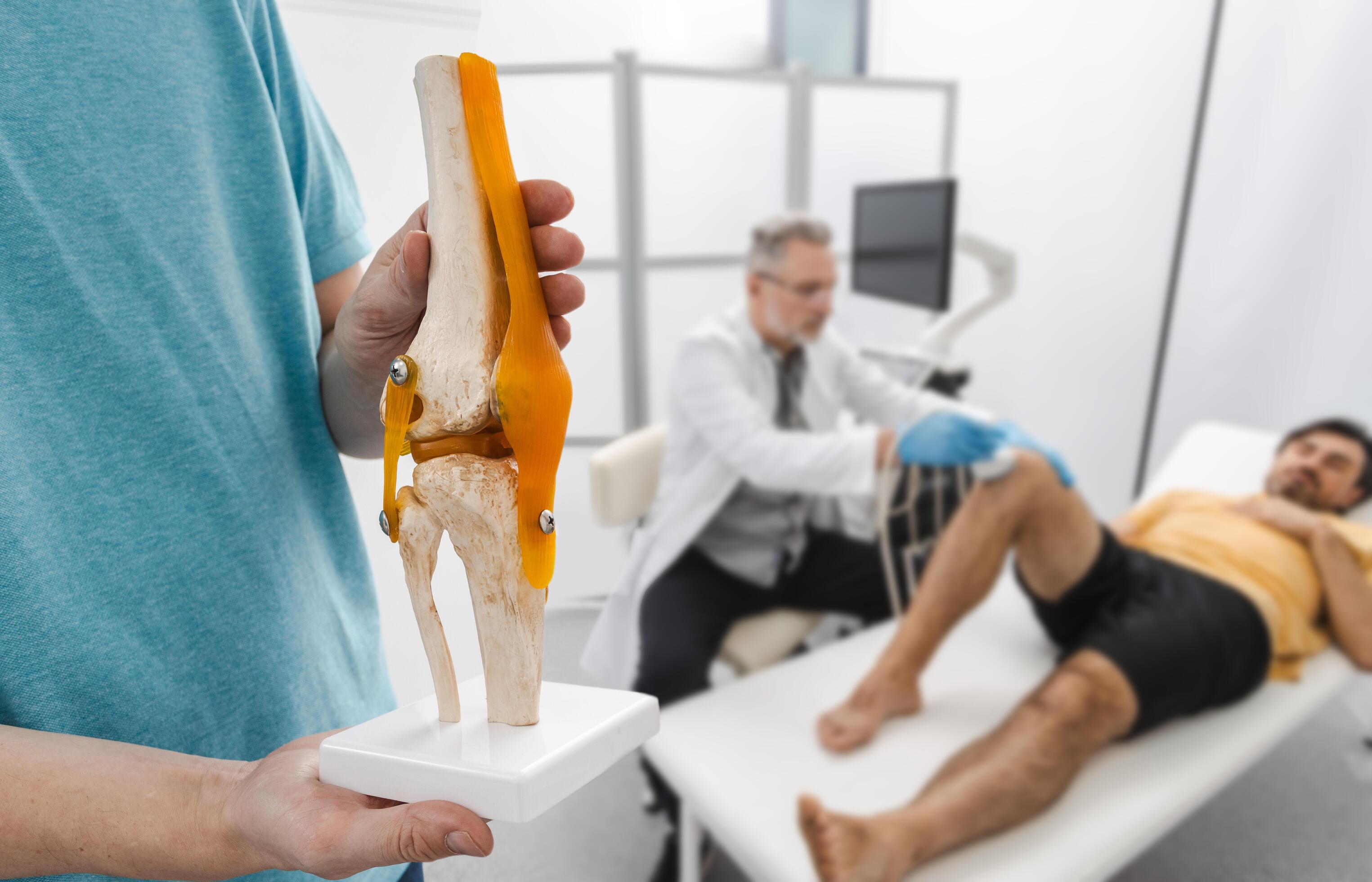
Runner’s knee is not one specific injury. It is a catch-all for pain around the kneecap that shows up under load. The kneecap rides in a groove on the thigh bone. When it tracks poorly or gets squeezed too hard, the cartilage and the stuff around it get irritated. That irritation is what you feel.
The cause is rarely the knee. The usual suspects:
- Tight hips and weak glutes
- Foot mechanics that send the load the wrong way
- Mileage that jumped up too fast
- Shoes that are past their miles
- Hill work added before the body was ready
The knee shows the symptoms. The real problem usually lives above or below it.
What Sports Medicine Care Does Differently
Most runners try the obvious stuff first. Rest. Ice. New shoes. A knee sleeve. Some stretches. Works for a week or two, then the pain returns the moment they push the distance. The fix is rarely about the knee alone.
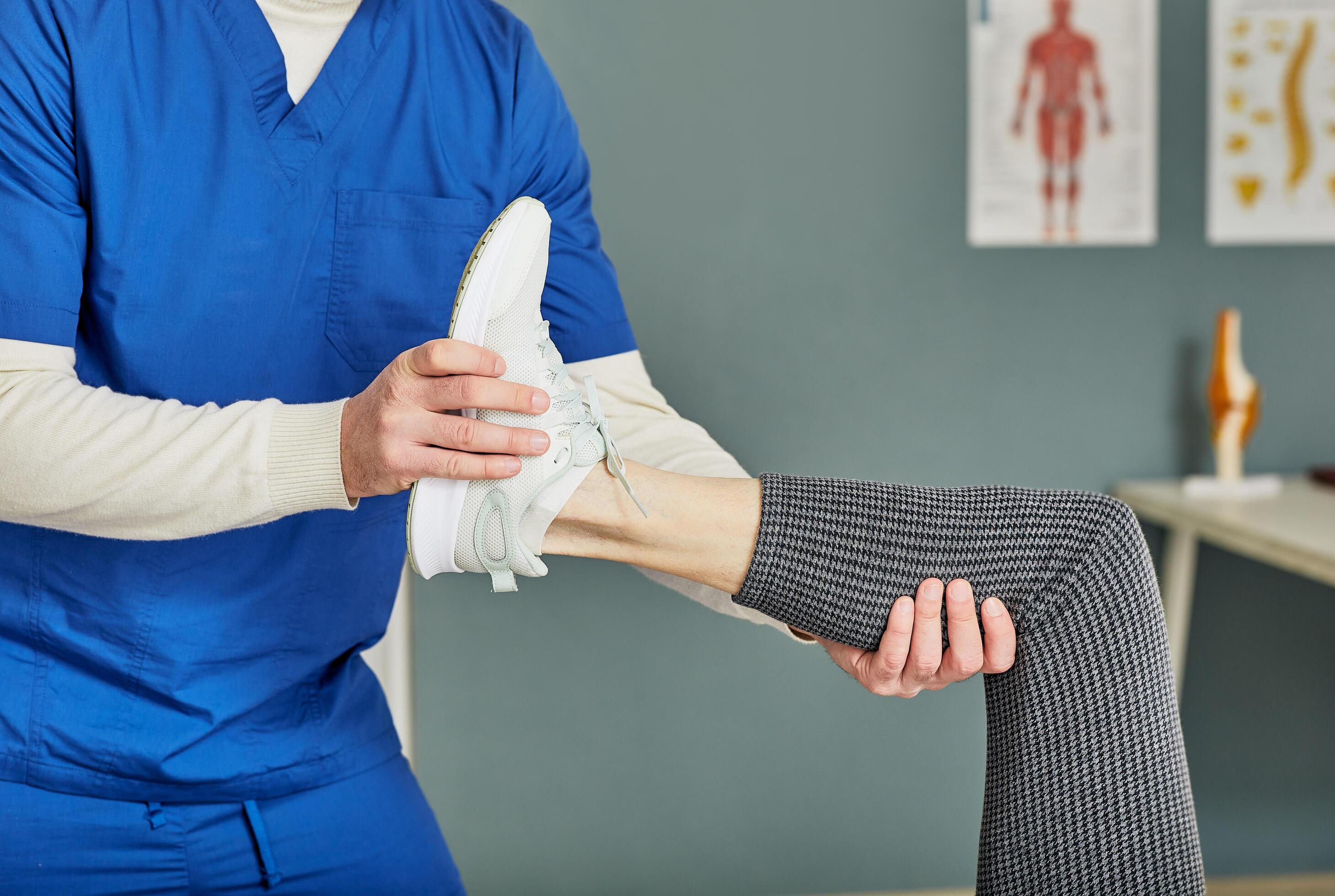
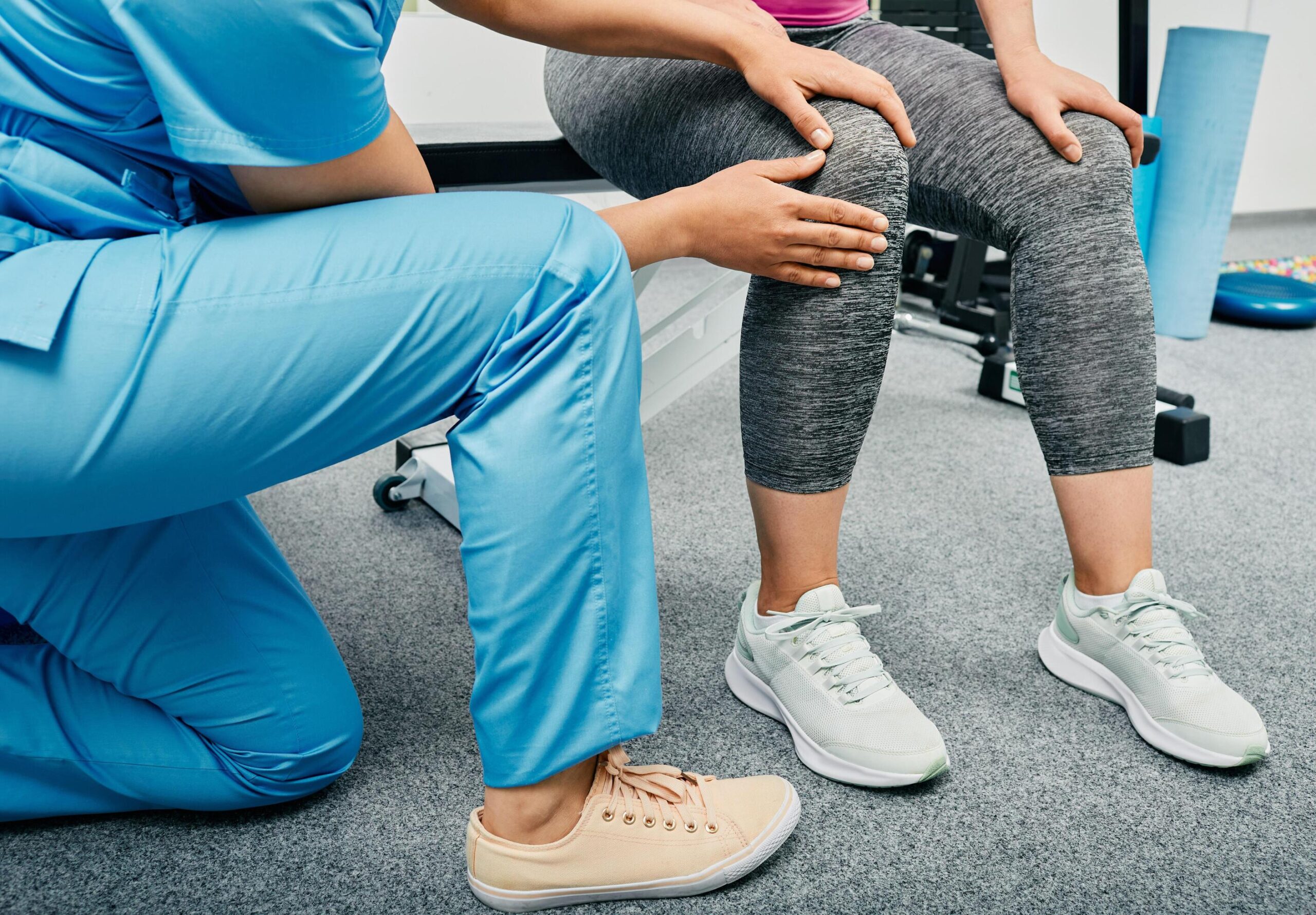
A real evaluation looks at the whole chain. How the foot lands. How the hip controls the leg through each step. Whether the glutes are doing their job, or the knee is caving inward on every stride. Whether the core is holding the body steady, or the hips drop with each landing. The knee gets the blame for problems that started higher up.
Once the cause is clear, treatment usually pulls from a few directions:
- Strength work for the glutes, hips, and quads
- Mobility work for the hips and ankles to take pressure off the knee
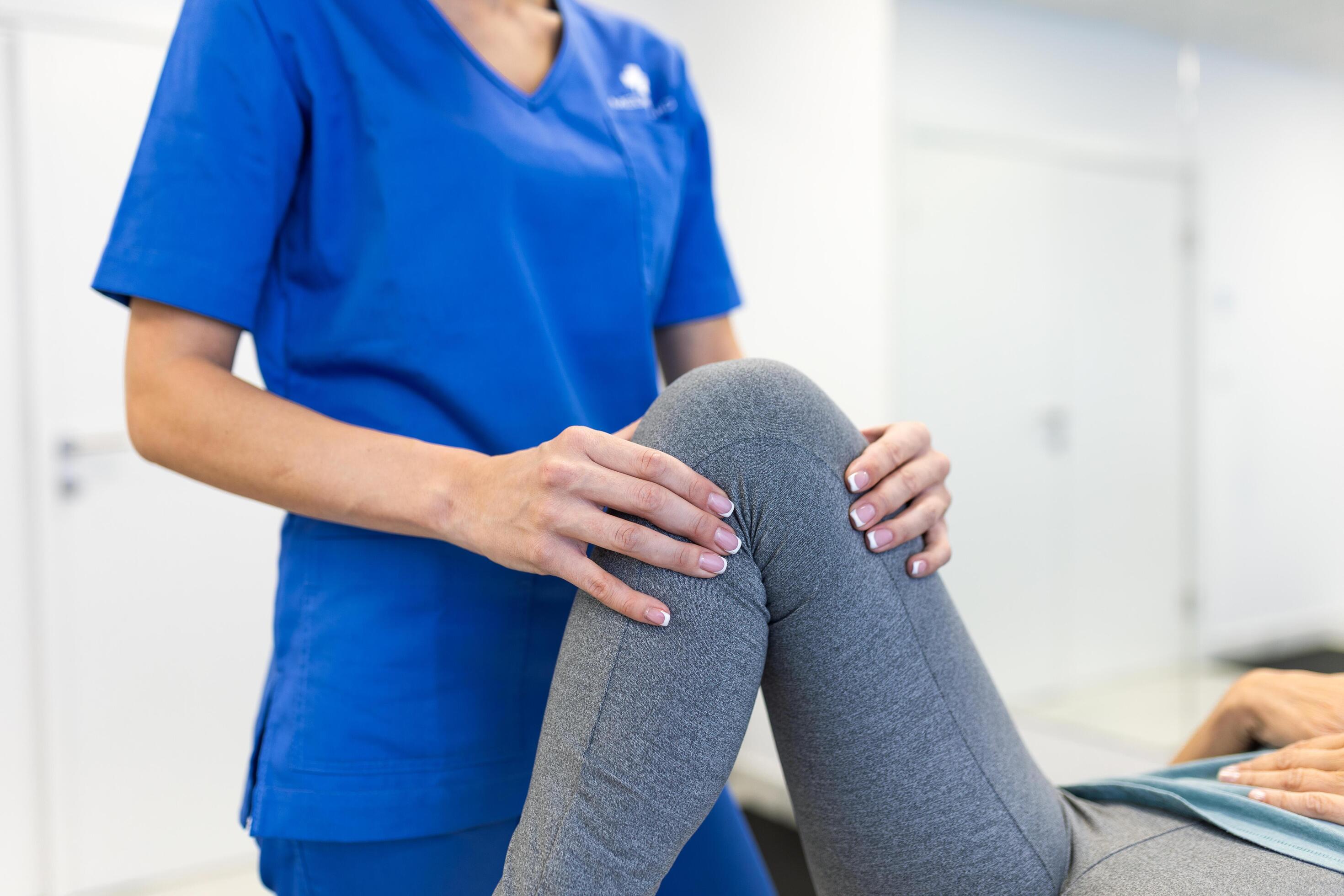
- Hands-on work for stuck tissue around the kneecap and down the side of the leg
- Running form adjustments, sometimes just small ones, that change how the load goes through the knee
- Smart mileage and footwear advice so the build does not get ahead of what the body can handle
For knees that stay flared up, dry needling can quiet the muscles around the joint. Taping helps some runners while the deeper work catches up. Injections are usually a last step, not a starting point.
Getting Back to Real Running
The goal is not a few weeks on a treadmill and a pat on the back. It is getting back to your actual running. Neighborhood loops. The trail runs up north. Race training. Each one puts different stress on the knee, and the plan should match what you want to do.
Coming back too fast is the most common reason runner’s knee returns. The knee feels okay at three miles, so you jump to six the next week. Two days later, the pain is back. A real return plan paces things so the tissue keeps up with the load.
If knee pain has been a regular part of your runs for more than a few weeks, or it is cutting into how often you get out, reach out to Modern Medicine of East Mesa to get the knee evaluated and figure out what is really driving it.