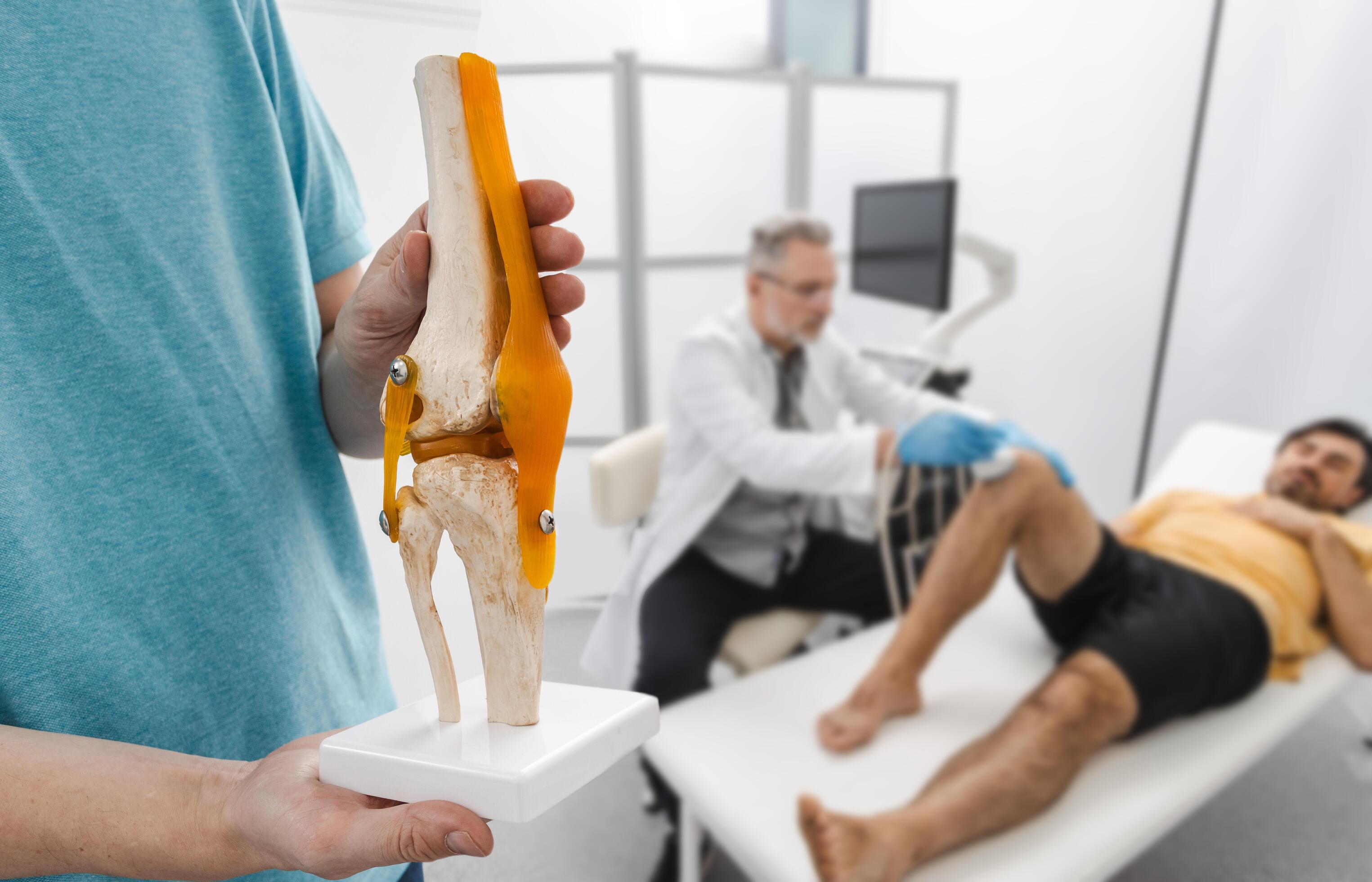
Most people don’t walk into a clinic saying they have “activity stress.” They say their shoulder gets angry halfway through a shift. Their back tightens by the end of the day. Their knee feels fine until they try to jog again. This kind of stress builds when your body handles the same load over and over, then stops tolerating it. It can come from desk work, lifting, repetitive reaching, standing long hours, or training that ramps up too fast.
Why Rest Alone Usually Doesn’t Fix It
Rest can calm symptoms, but work and life rarely pause for long. People go back to the same tasks, with the same mechanics, and the pain returns. We also see the “all rest” approach create new problems. You lose strength and motion, then the body gets more sensitive. That’s why a plan matters. You need a way to keep moving while reducing the stress that keeps flaring in the same area.
How Sports Medicine Clinics Identify The Main Stressor
Sports medicine starts with details. What tasks trigger symptoms, how long it takes, and what positions make it worse. We look at movement patterns, strength, mobility, and how you recover between workdays or workouts. Sometimes the painful area is not the main driver. A stiff upper back can lead to shoulder strain. Weak hips can overload knees. Poor core control can make the lower back work overtime. The goal is to find the link and change it.
Work Stress: Repetition, Load, And Awkward Positions
Work-related stress often comes from the same three issues. Repetition without breaks, loads that exceed what your body is ready for, and positions that force compensation. Think long sitting with a rounded back, lifting with poor hip support, or reaching overhead with weak shoulder control. Sports medicine treatment focuses on building the support you’re missing, then adjusting how you do the task so it stops irritating the same tissue day after day.
Activity Stress: Volume Spikes And Poor Recovery
Training stress often comes from doing too much too soon. People go from low activity to long walks, heavy lifting, or running volume quickly. The body reacts with tendon pain, joint flare-ups, or muscle strain that keeps returning. Sports medicine helps by building a return plan that increases volume gradually. We also look at recovery habits like sleep, rest days, and how you warm up, because those factors affect how well tissues adapt.
How PT Helps You Handle More Without Flaring Up
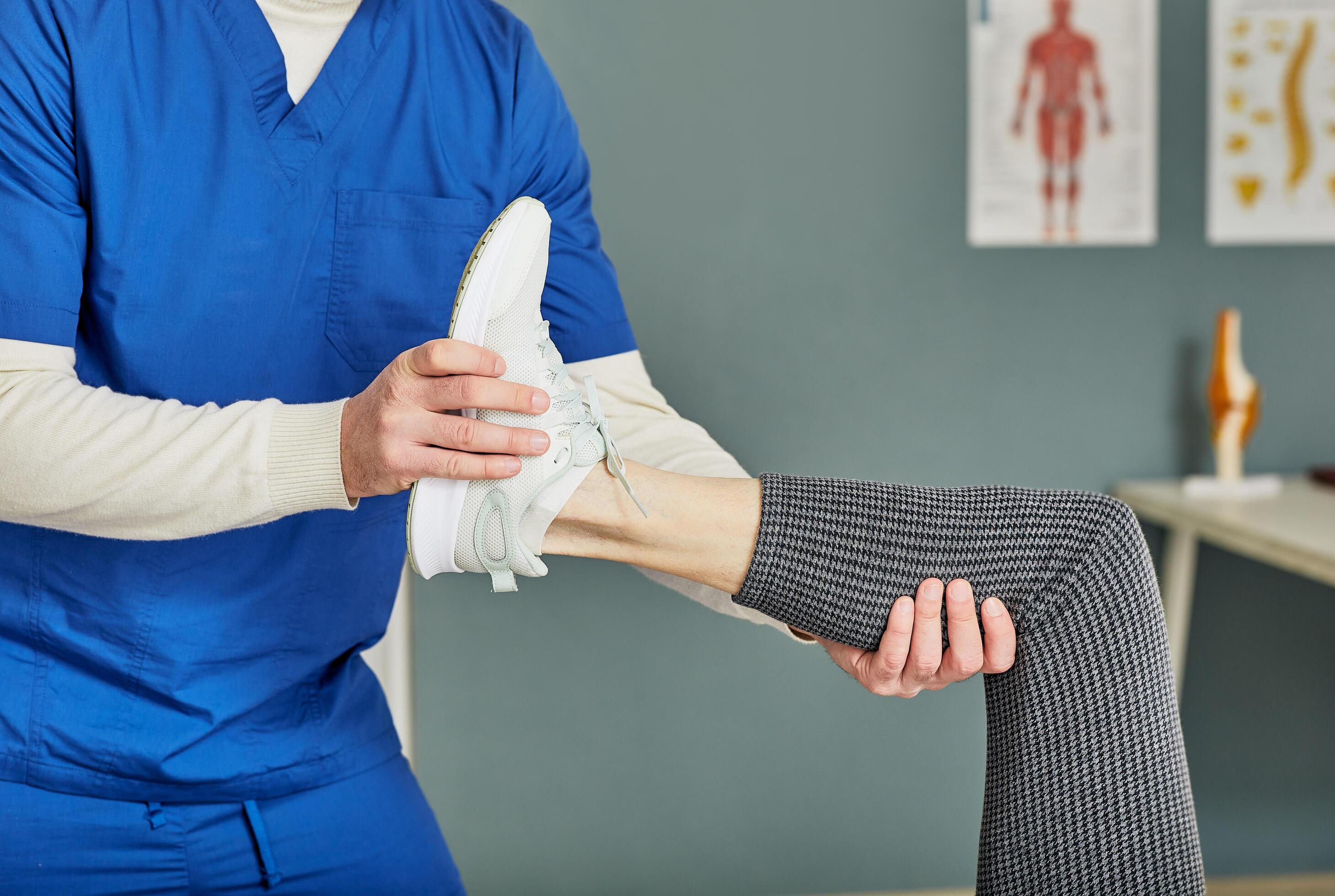
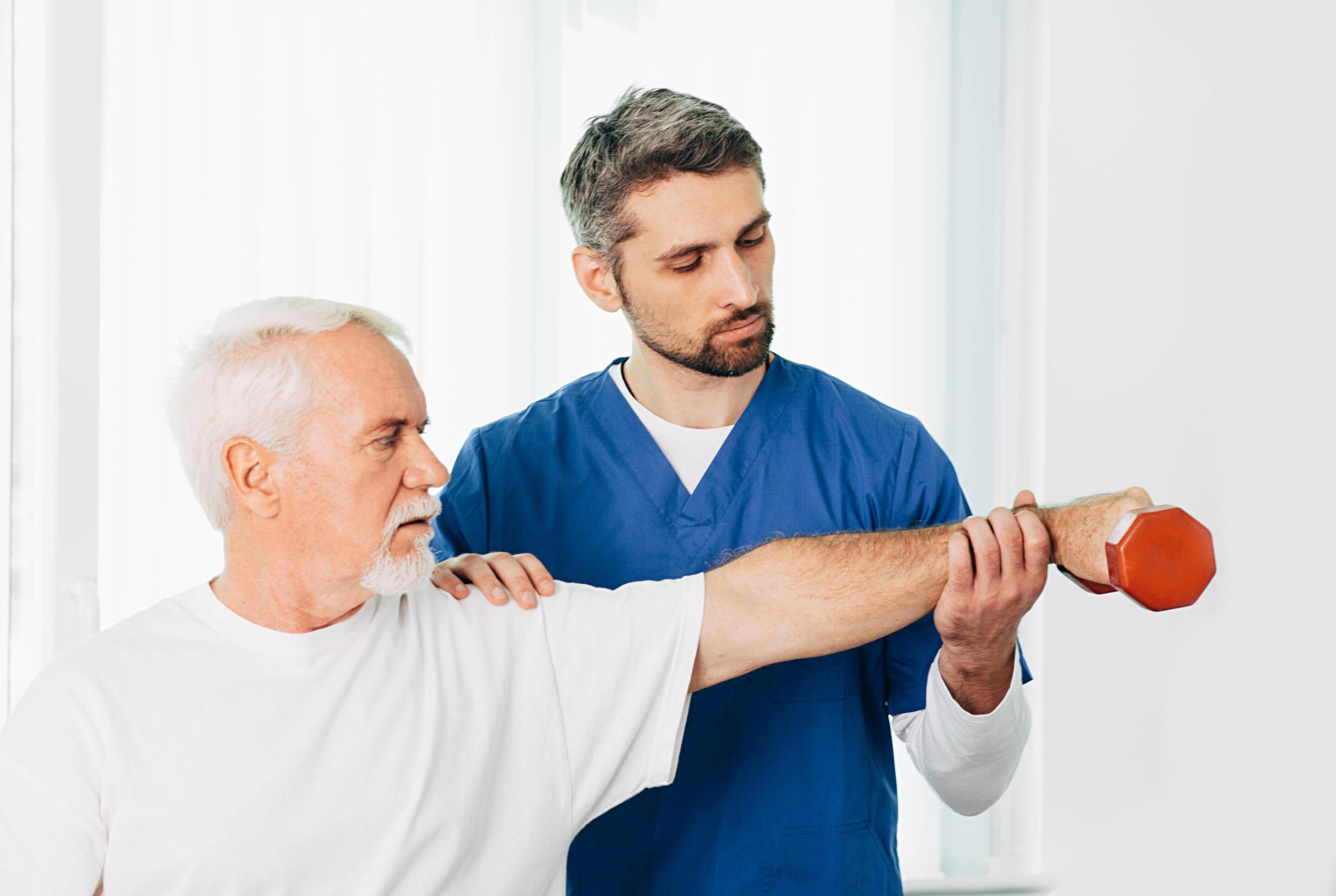
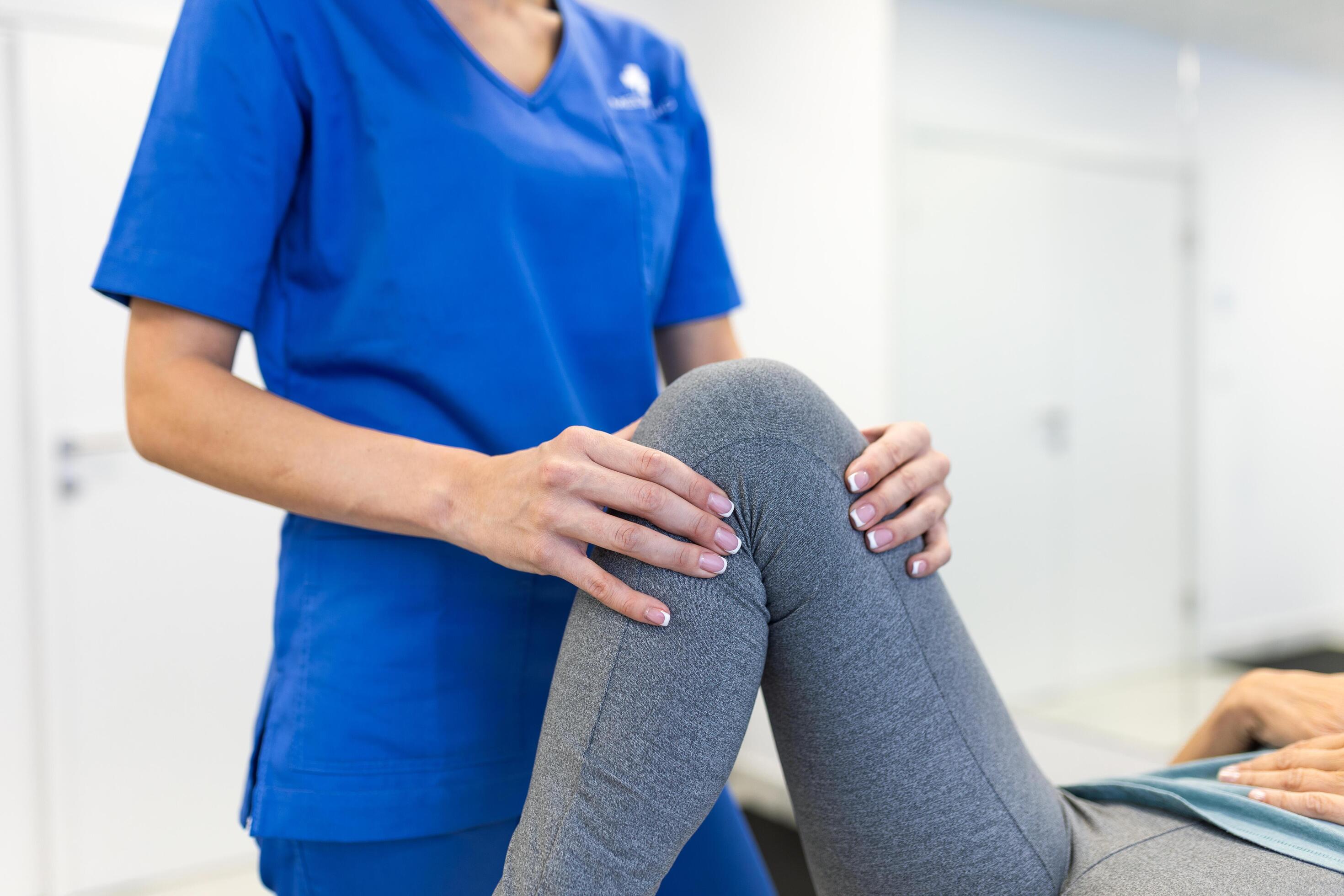
Physical therapy is often the main tool for managing work and activity stress. Treatment focuses on strength, mobility, and control, then applies it to your real triggers. We build tolerance so your body can handle the same tasks with less strain. That means progressive strengthening, mobility work when needed, technique coaching, and pacing. The goal is not to remove activity. It’s to make the activity more sustainable.
If work or activity keeps triggering pain, you don’t have to keep cycling through flare-ups. Schedule asession with Modern Physical Therapy & Sports Medicine of East Mesa, AZ to build a plan that supports your workload and your goals.