What Is a Repetitive Stress Injury?
A repetitive stress injury develops when the same tissues absorb strain again and again without enough recovery. Damage builds slowly. Pain appears after tissue tolerance drops. Early symptoms often feel minor, such as soreness or stiffness that fades overnight. As strain continues, tissues lose the ability to recover. Pain lasts longer. Strength declines. Movements feel guarded. Many people adjust how they move without realizing it, which shifts stress into nearby joints and worsens the cycle.
Common areas affected include:
- Wrists and hands
- Elbows and forearms
- Shoulders and neck
- Hips, knees, and ankles
How Repetitive Stress Injuries Develop
These injuries come from routine movement, not accidents. Daily tasks repeat the same motion patterns. Stress increases when posture is poor or when strength support is lacking.
Common causes include:
- Repetitive job tasks
- Long periods of typing or gripping
- Frequent lifting or reaching
- Sports with repeated motion
- Sudden increases in workload
Symptoms often improve with rest, then return once activity resumes.
Signs That Stress Is Overloading Tissue
Repetitive stress injuries send early signals. These signs matter.
Patients often report:
- Aching that worsens throughout the day
- Stiffness after rest or sleep
- Swelling around joints or tendons
- Weakness during repeated tasks
- Sharp pain with specific movements
Orthopedic Evaluation for Repetitive Stress Injuries
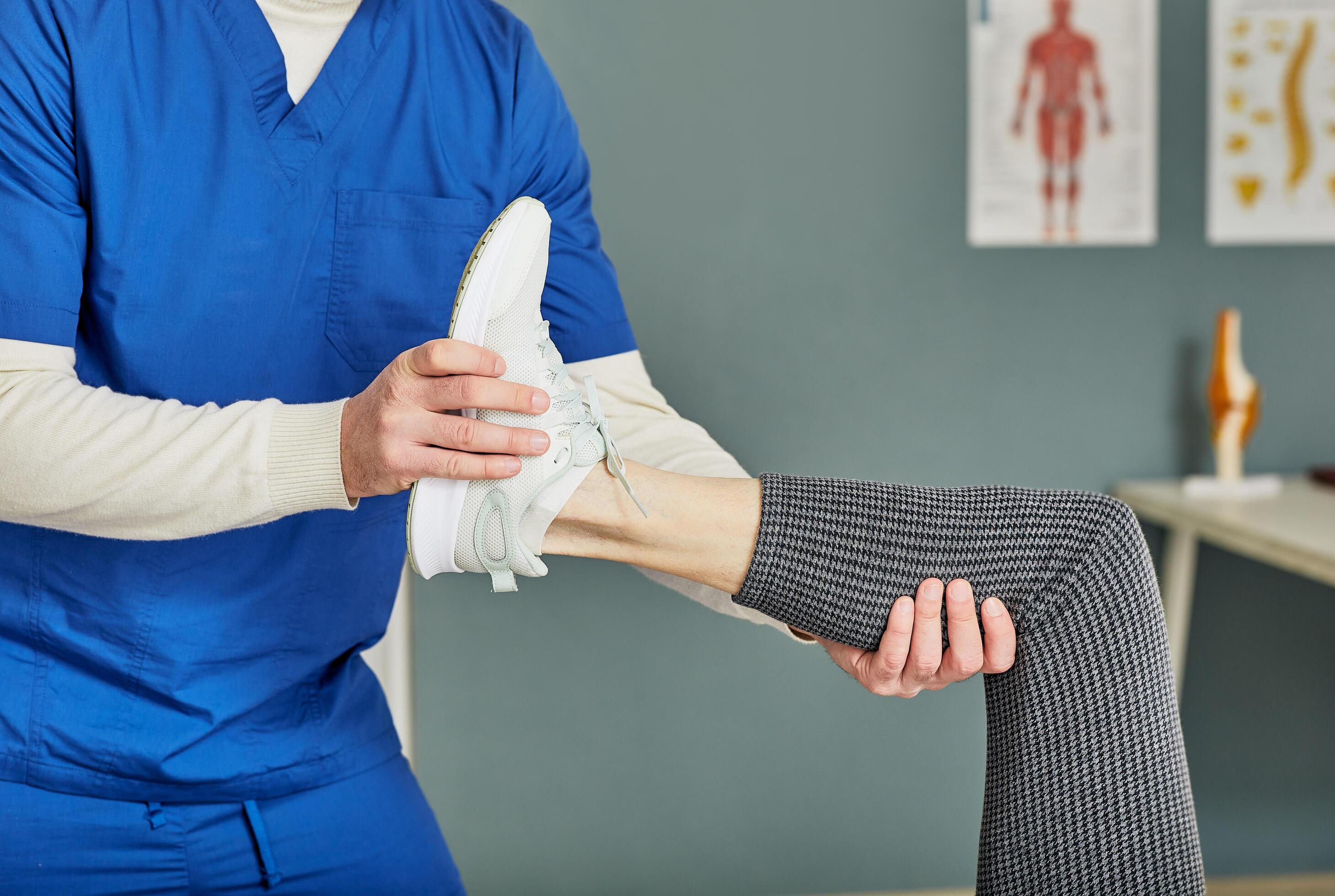
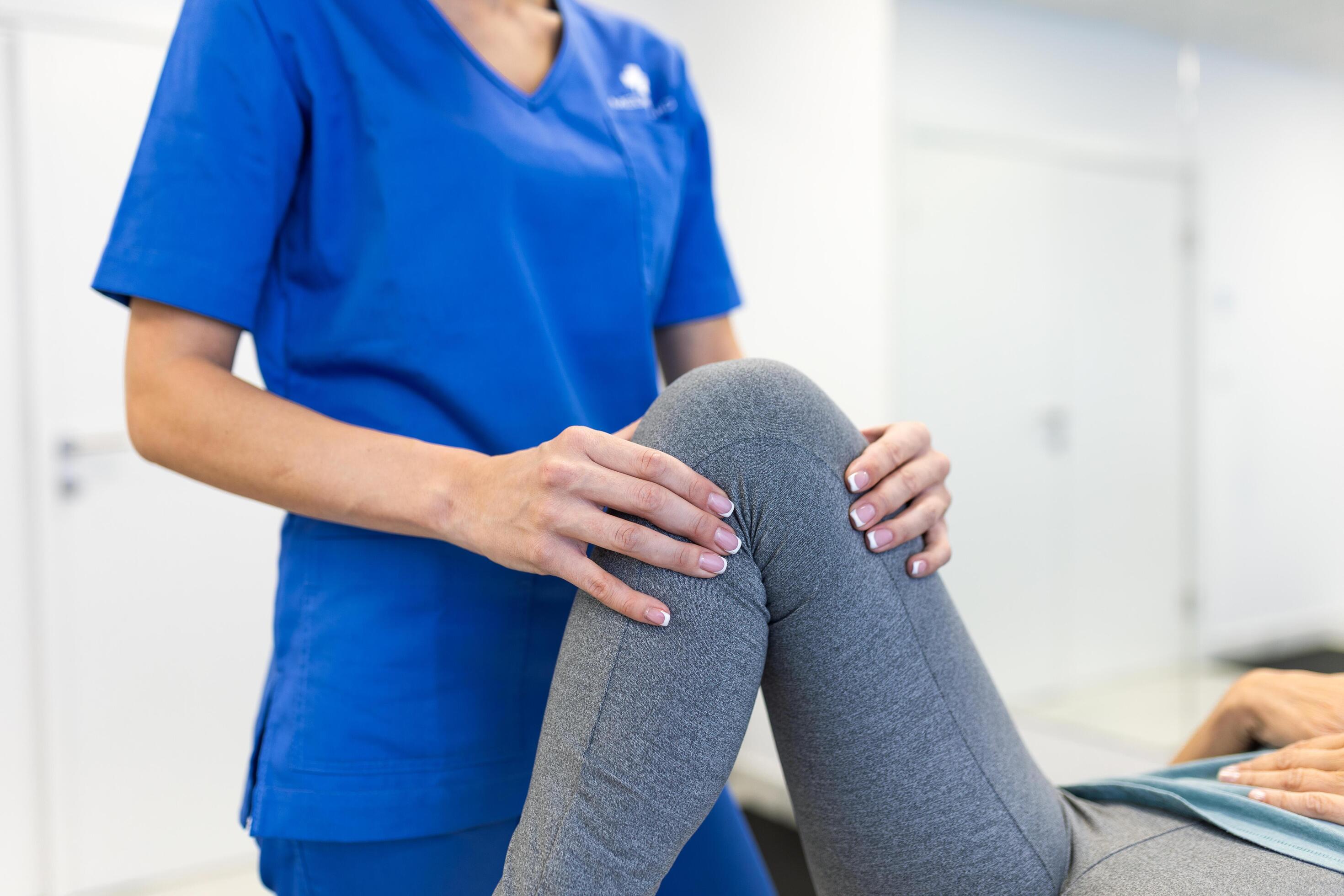
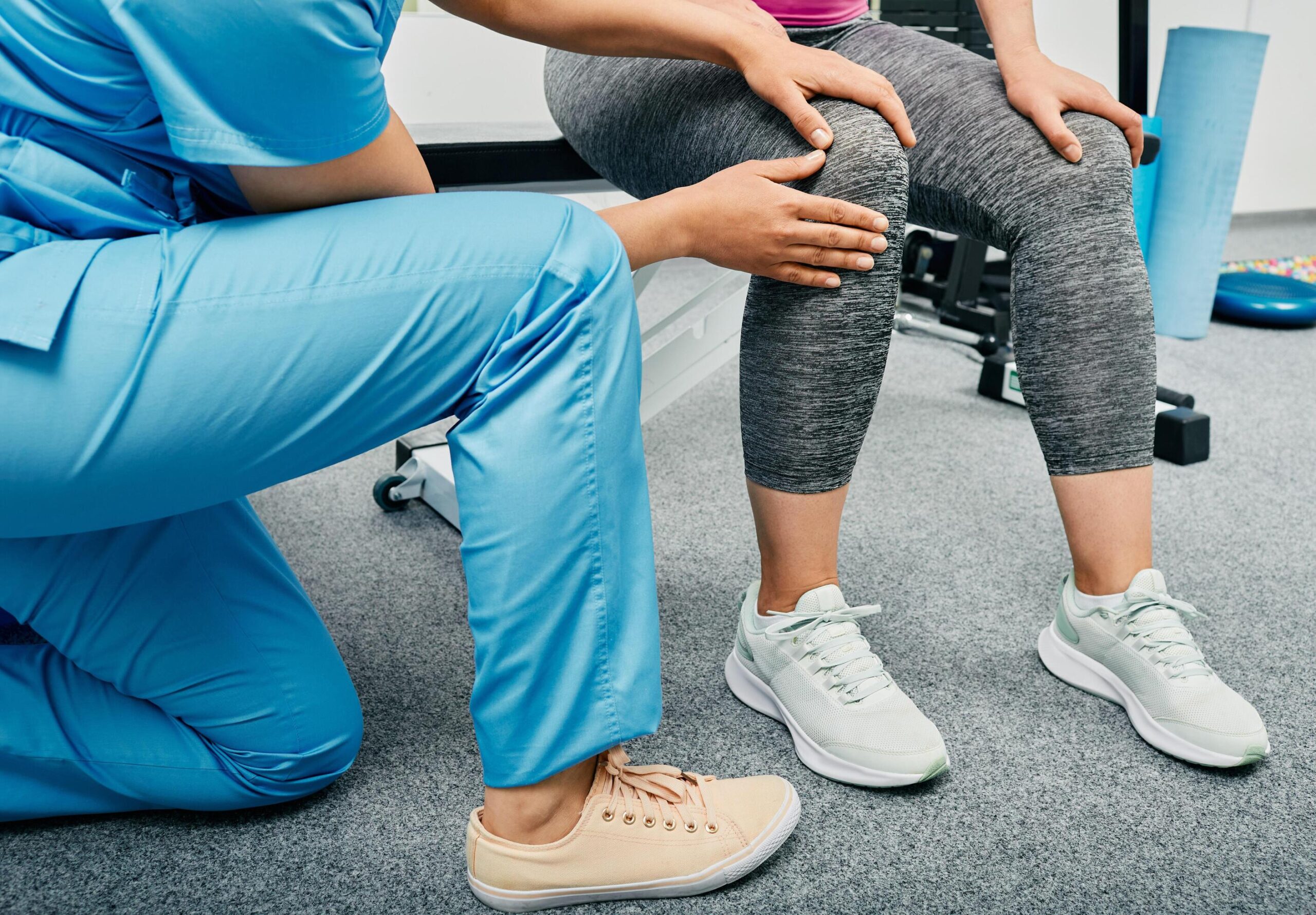
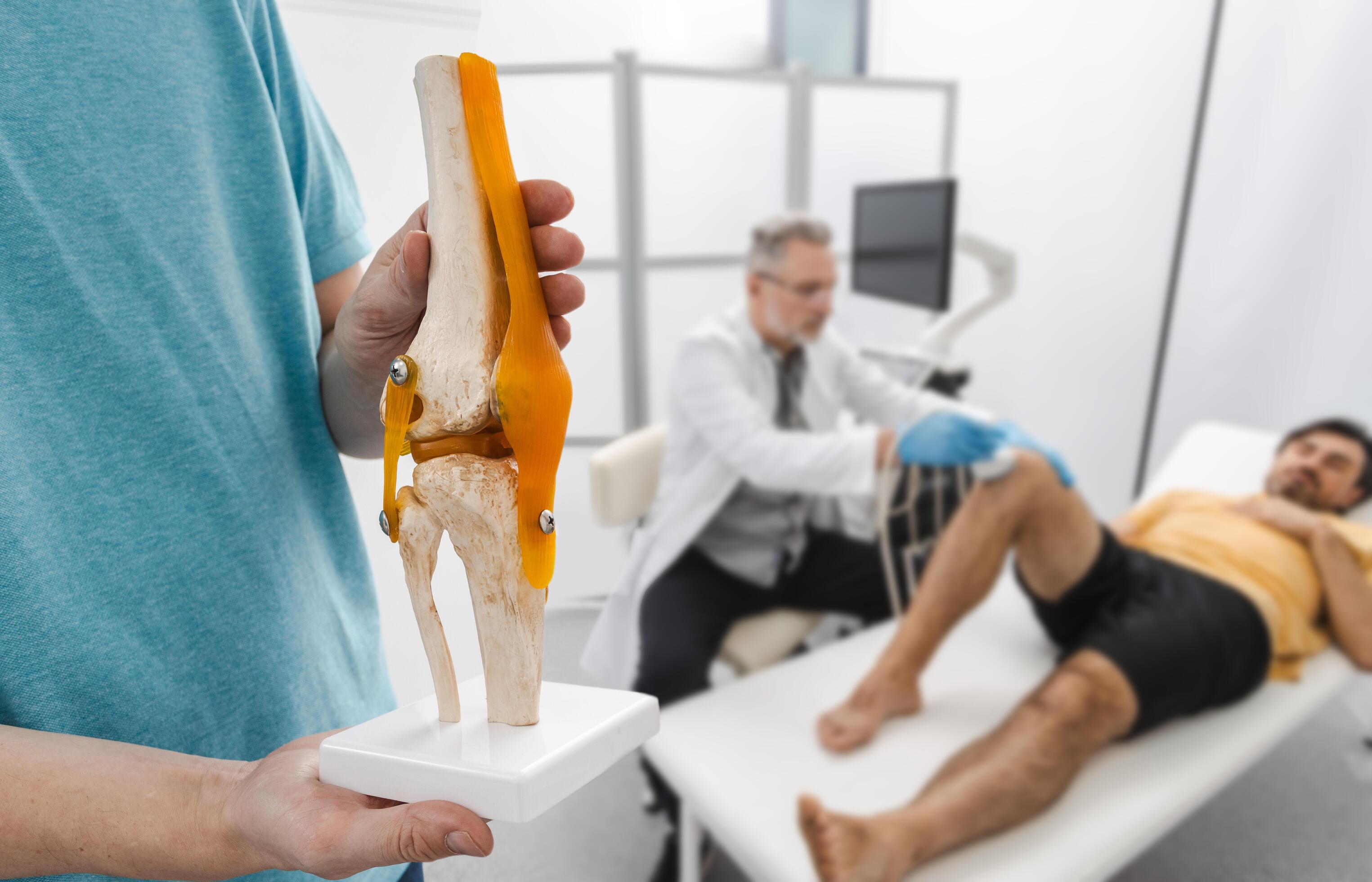
Treatment begins with movement analysis. Orthopedic providers assess joint motion, strength, balance, and task-specific mechanics. Work and activity demands guide the evaluation. Imaging may rule out severe damage, but movement patterns explain why stress keeps returning.
Activity Modification
Full rest rarely solves repetitive stress injuries. Care focuses on reducing strain while keeping the body active.
Treatment may involve:
- Controlled strengthening
- Mobility work for stiff joints
- Manual therapy to reduce irritation
- Retraining movement patterns
Progress depends on symptom response, not a preset timeline.
Medical Support When Needed
Some cases benefit from non-surgical medical treatment to calm inflammation or pain. These options support rehab by reducing irritation so movement can continue. They work best alongside therapy, not alone.
Preventing Symptoms From Returning
Lasting relief depends on changing how stress loads the body. Education plays a key role.
Patients learn how to:
- Pace activity through the day
- Adjust posture during work tasks
- Spot early warning signs
- Recover properly between activities
These changes help prevent repeat flare-ups.
Begin Repetitive Stress Injury Care
If repetitive pain is affecting work or daily movement, orthopedic care can help. Our team supports Tempe patients with structured treatment plans focused on long-term relief. Contact us at the Modern Physical Therapy & Sports Medicine of East Mesa, AZ, location to set up an appointment and learn more about the options you have to help avoid long-term pain.