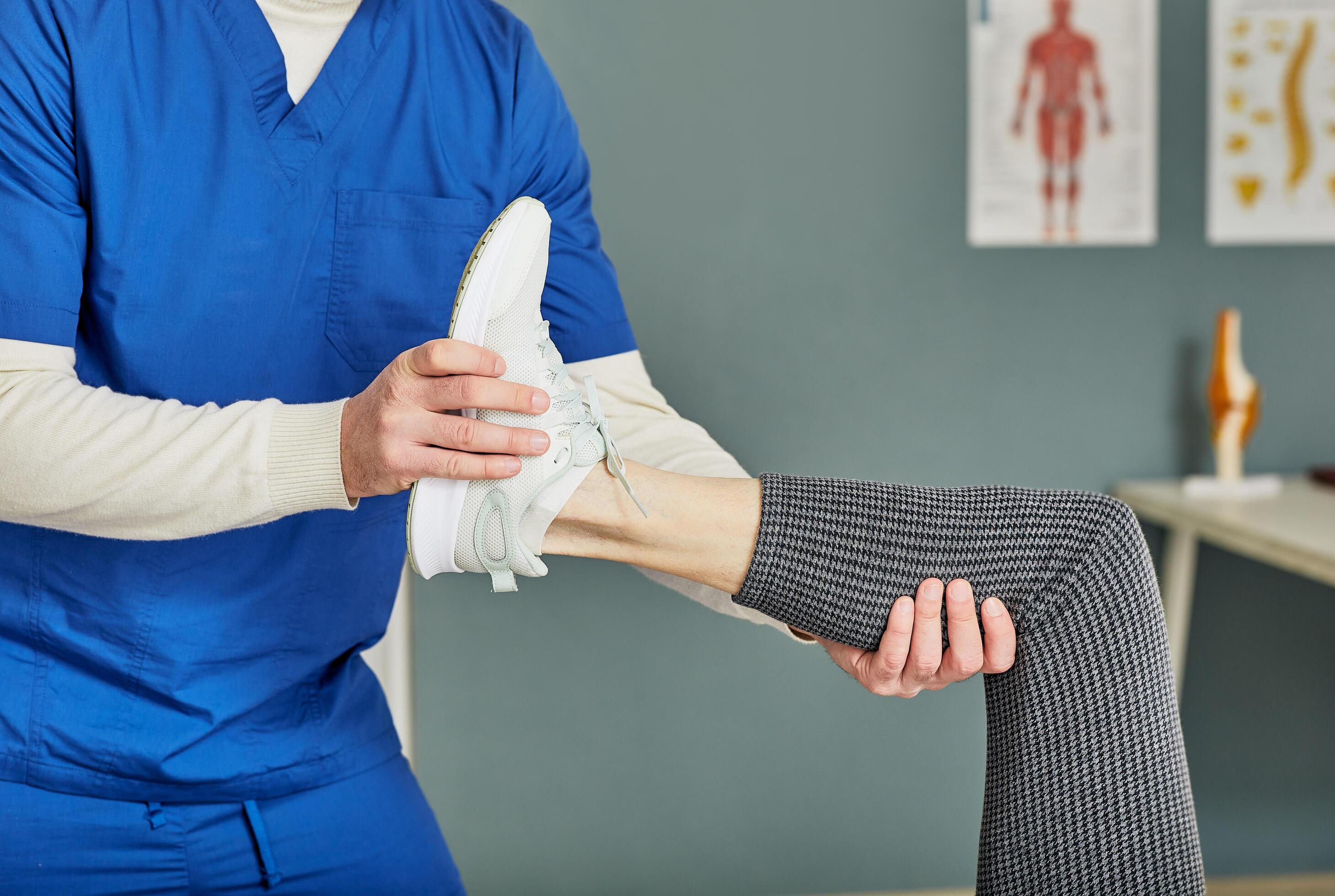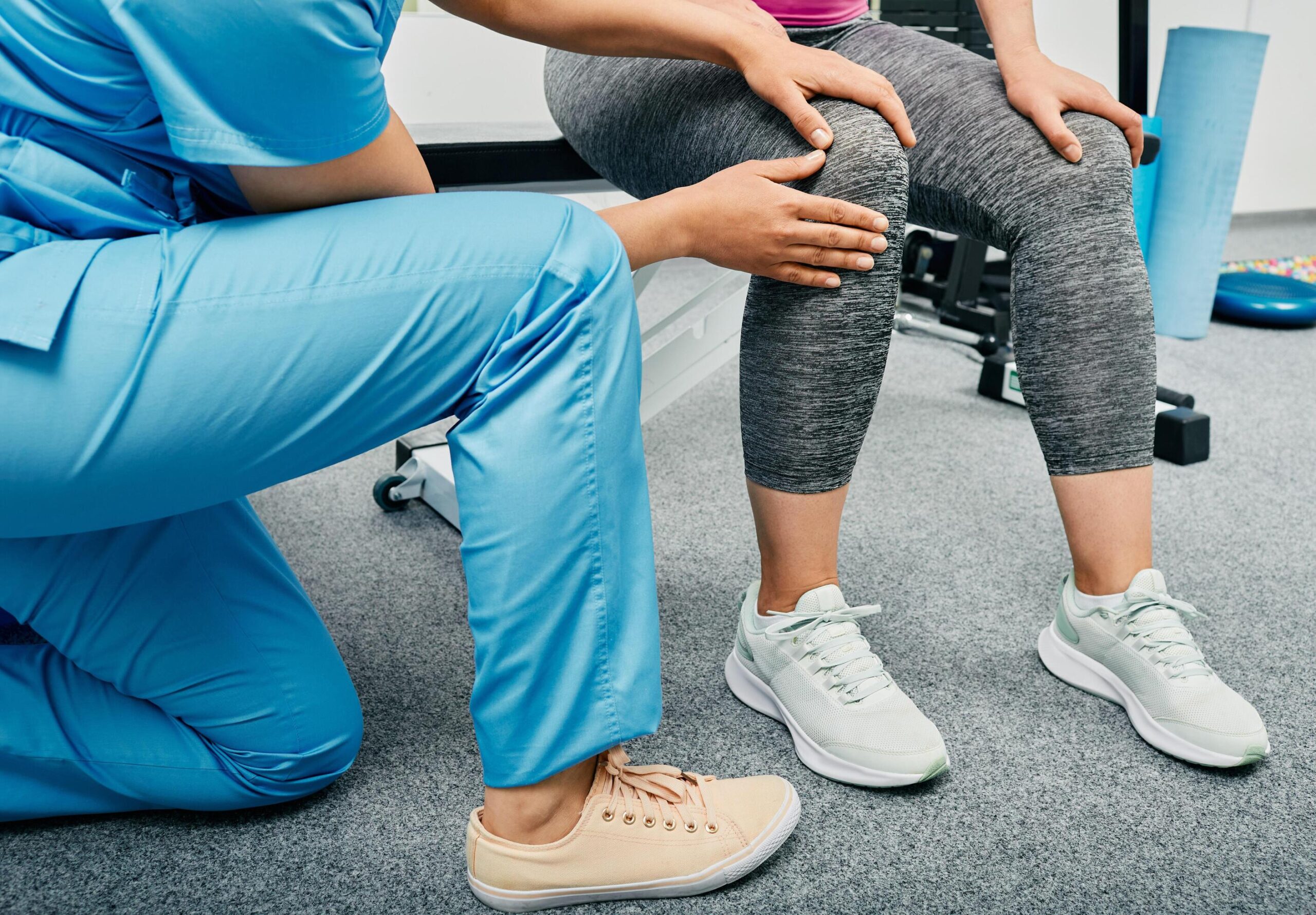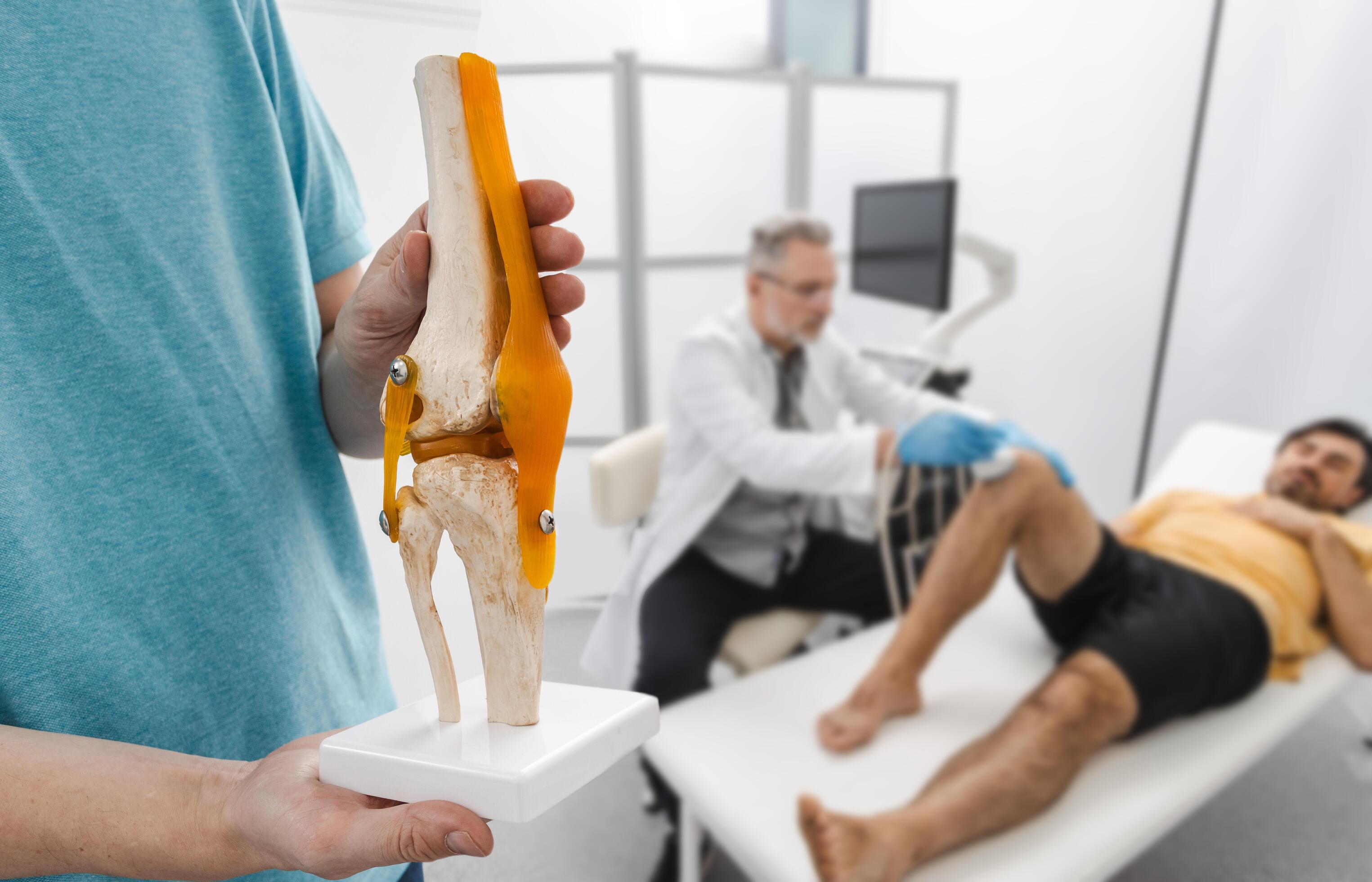
An ACL tear is one of those injuries you remember. The pop. The buckle. The moment you knew something gave. People in Tempe come in with all kinds of stories. A pickup soccer game. A bad cut on the basketball court. A fall while skiing. A knee that twisted coming off a curb. The injury is loud. The recovery is the part that decides what the next year looks like.
What an ACL Tear Does to the Knee
The ACL is one of the main ligaments holding the knee steady. When it tears, the joint loses what keeps the lower leg from sliding forward. The knee can still bend and straighten. What it cannot do well is handle quick changes in direction, sudden stops, or motions that need the knee to stabilize under load.
Swelling shows up fast. Most people cannot put real weight on it for a day or two. The knee feels loose, like it might give out on turns or stairs. Some folks walk on it within a week and figure it healed. The ligament does not work that way. Pain calms down. The instability stays under it and waits for the next sport, slip, or bad step.
Surgery or No Surgery
The big question. The honest answer is, it depends.
Younger, active people who want to get back to cutting sports, jumping, or anything with fast direction changes usually need reconstruction. The knee will not hold up to that without the ligament rebuilt. Surgery is also the call when the knee keeps giving out during normal life, or when other parts of the knee are damaged along with the ACL.
Some people do fine without surgery. Lower demand activity. Older patients. Certain partial tears. A knee that stays stable with the right strengthening and bracing. That route still takes serious work, but it can fit the right person.
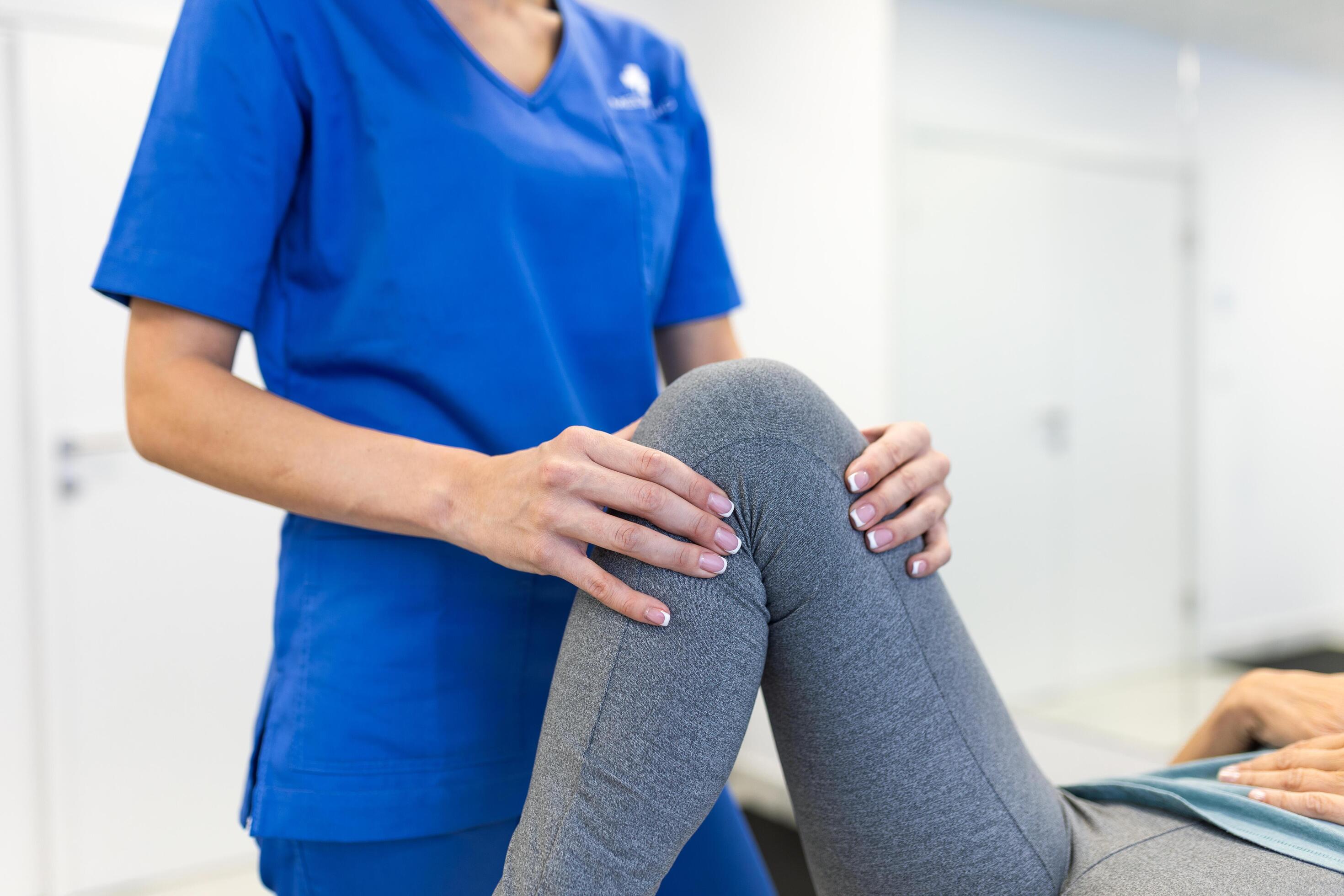
A real evaluation looks at the tear, the rest of the knee, the activities you want back, and your goals. Decisions get made together.
What Treatment Actually Looks Like
The first phase is calming the knee down. Swelling has to drop. Motion has to come back. The quad has to wake up because that muscle shuts off fast after an ACL injury and stays off without focused work.
If surgery is the path, the work before the operation matters as much as after. A knee that goes in strong, with full motion and a quiet quad, recovers cleaner than one that goes in stiff and weak. That pre-surgery phase is sometimes called prehab. It is one of the most overlooked parts of ACL care.
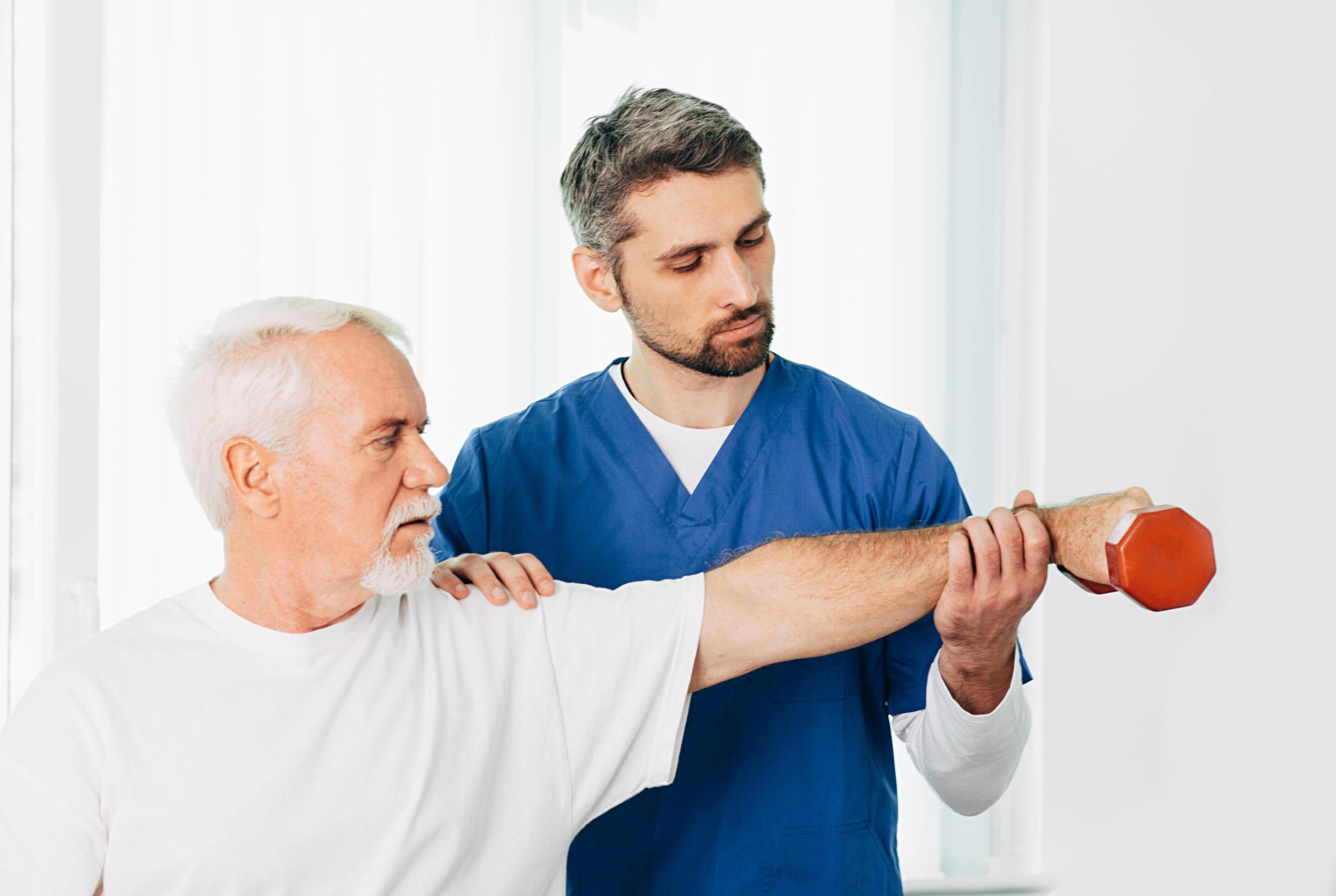
After surgery, rehab runs in stages. Early on, protect the graft, get motion back, get the quad firing. Middle stages build strength, balance, and basic running mechanics. Later stages move into cutting, jumping, and sport-specific drills that decide if the knee is ready for real competition or just daily life.
Non-surgical paths use the same building blocks, just without a graft timeline. Strength, control, and trust in the knee come from months of consistent work.
What Decides the Long-Term Result
The ACL is one piece. The hips, glutes, core, the way you land, the way you cut and stop, all of it decides whether the knee holds up long term. ACL reinjury rates are not low, and most reinjuries happen because the rest of the body never got addressed. The graft gets rebuilt. The movement that caused the first tear stays the same. The knee goes again.
If a knee just went, get it looked at soon. The early days set the tone for everything after. Reach out to Modern Medicine of East Mesa to set up an evaluation and figure out the path that fits your knee.