Hip injuries change everything. Fast. Getting in the car becomes a project. Stairs turn into a thing you plan for. Sleep gets weird because no side feels right. Most folks in Gilbert never think about their hips until they quit cooperating.
Hips do respond to the right care. They also get worse when people push through. Most people push through.
What a Hip Injury Actually Feels Like
Hip pain plays tricks on you. It does not always sit where the hip is. Sometimes you feel it in the groin. Sometimes the lower back. Sometimes the front of the thigh, and people swear up and down it is their knee.
Stuff to watch for:
- Pain getting up from a chair
- A pinch or catch when you lift your leg
- Morning stiffness
- That side hurts to sleep on
- A limp after walking for a while
- Weakness on stairs or stepping into the tub
We see hip stuff from all over. Long walks at Riparian Preserve. Nobody planned to play pickleball for two hours. A bad lift during a move. A slip on the kitchen tile. Sometimes there is no story. Just slow wear that finally said something.
Why Physical Therapy Works
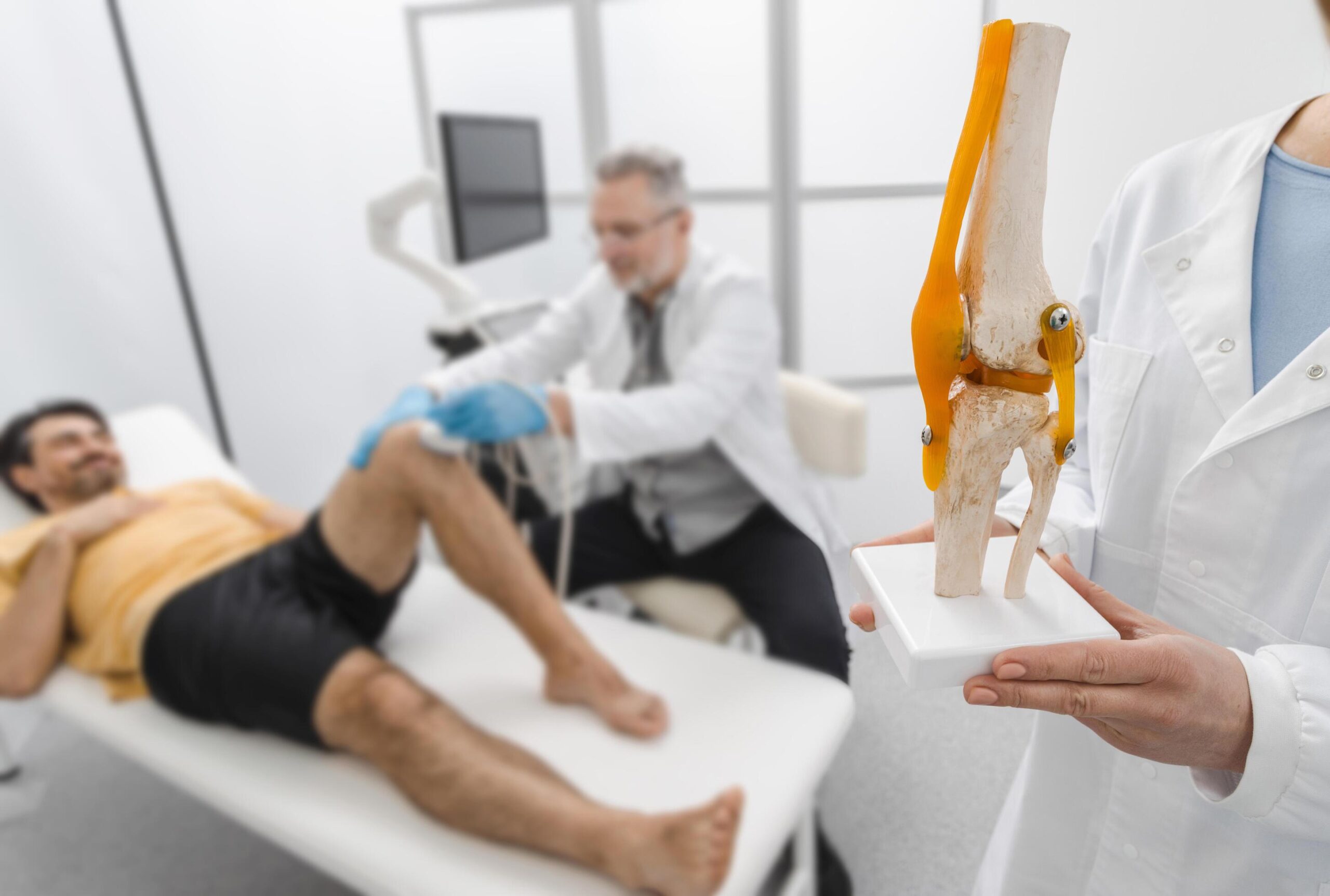
The hip sits deep. A lot of muscle wraps around it. When something hurts, those muscles tighten up to guard the joint. That changes how you walk. Then your knee starts barking. Then your back. Then the other hip.
Therapy stops that loop. It works the joint, the muscles, and how you move, together.
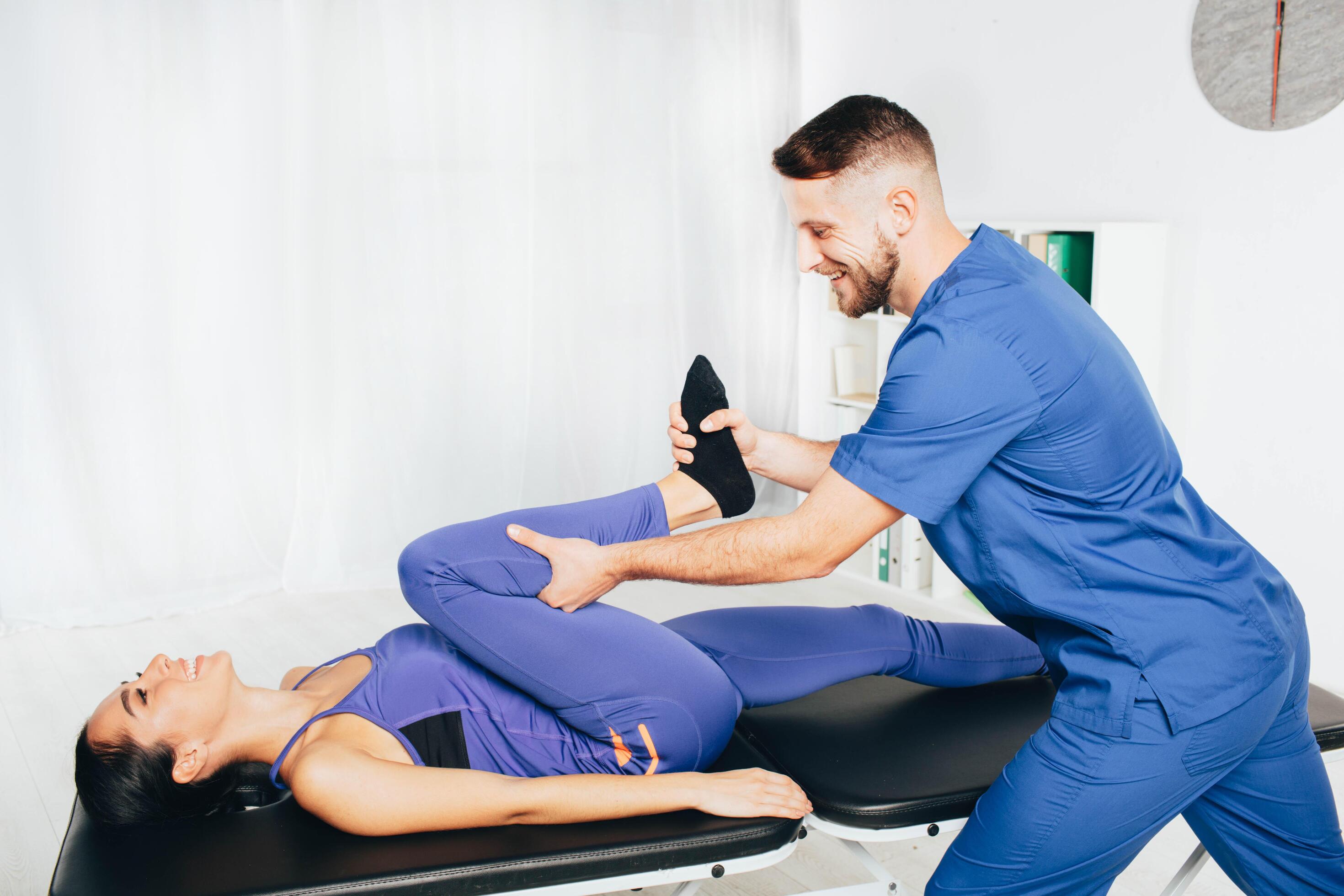
What real hip therapy looks like:
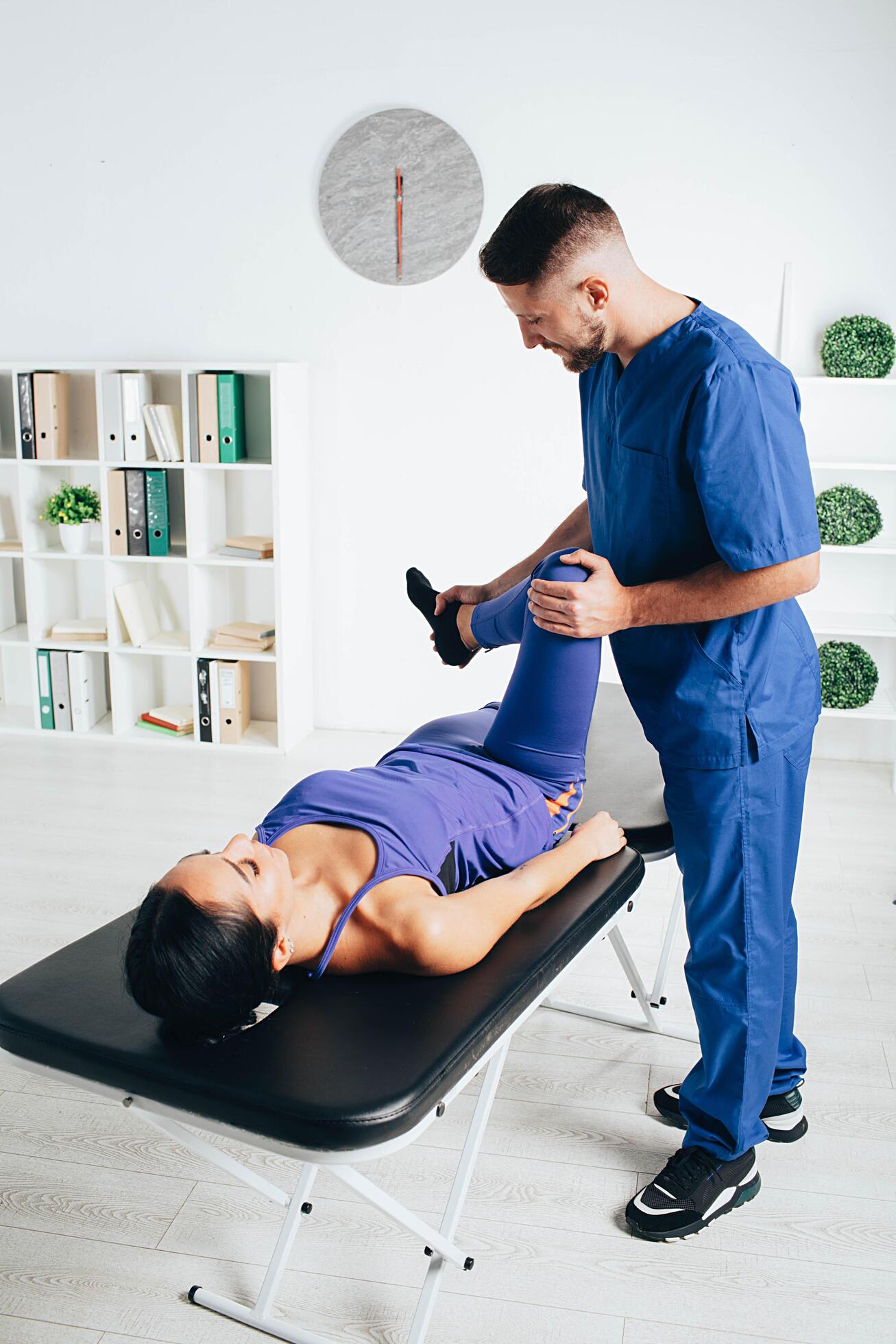
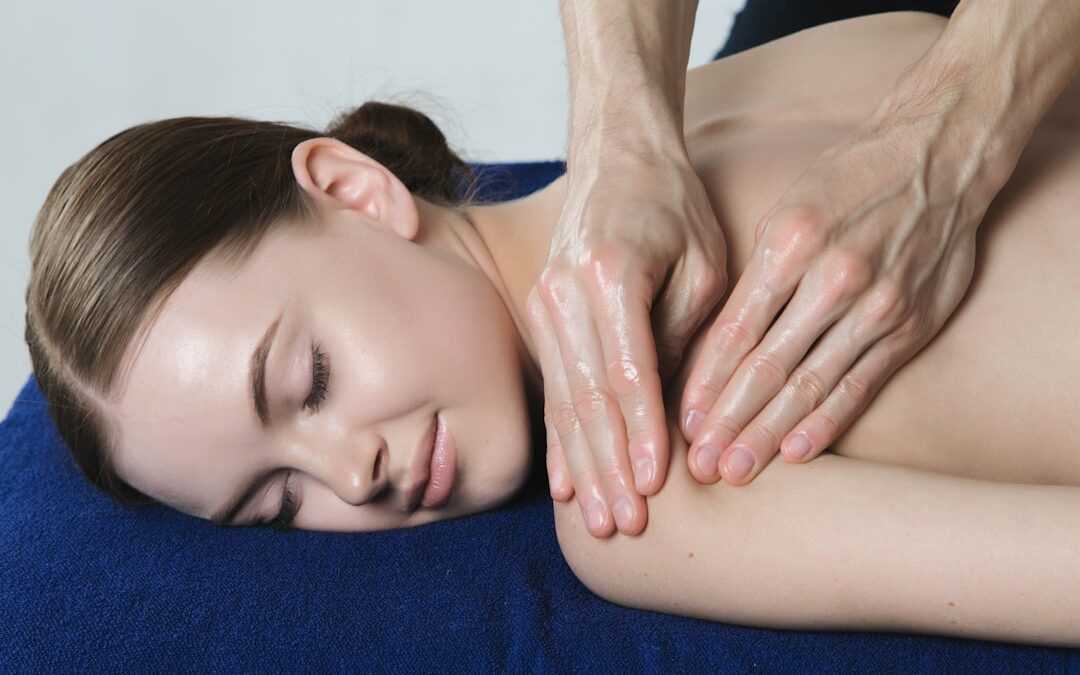
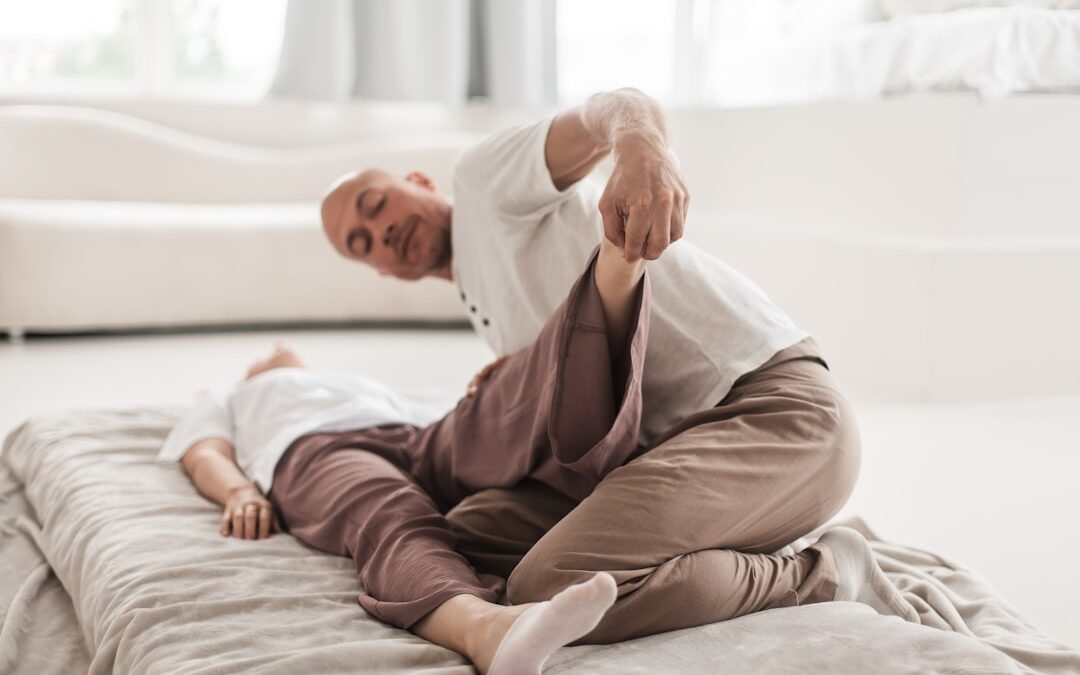
- Hands-on work on the joint and tight tissue
- Strength work for the glutes, deep hip muscles, and core
- Stretches that fit your tightness, not generic ones
- Retraining your walk so you stop favoring it
- Balance work to keep the hip steady
- A real return-to-activity plan, paced to you
Less pain is one piece. A hip that handles your week without flaring is the bigger goal.
Injuries That Do Well With Therapy
Most hips do not need surgery. Therapy tends to handle:
- Hip flexor strains
- Labral irritation
- Bursitis on the outside of the hip
- Glute weakness that fakes hip pain
- Early arthritis stiffness
- Post-surgery recovery, if it came to that
Even bigger stuff usually leans on therapy to get back to normal.
What Slows Recovery
A few habits keep people stuck:
- Sitting too long. Hip flexors lock up. The joint complains.
- Dropping the strength work once pain eases
- Going back to running or hiking too early
- Ignoring the lower back and the other hip, which usually share the load
Pain easing is good. It is not the finish line.
When to Come In
If hip pain has lingered more than a couple of weeks, or it is changing how you walk, sleep, or get around, do not wait it out. Early care shortens recovery. Almost every time.
Reach out to Modern Medicine of Gilbert to schedule an evaluation and start getting your hip back to normal.