The First Week Often Feels Like Two Jobs
Right after surgery, you heal and you learn. You heal from the procedure itself. You also learn how to move safely again. Simple tasks can take longer, like getting in and out of bed or taking a shower. Many people feel tired fast. That is normal. Physical therapy helps you handle the basics without guessing, so you do not lose ground during the early days.
What Your First PT Visit Usually Covers
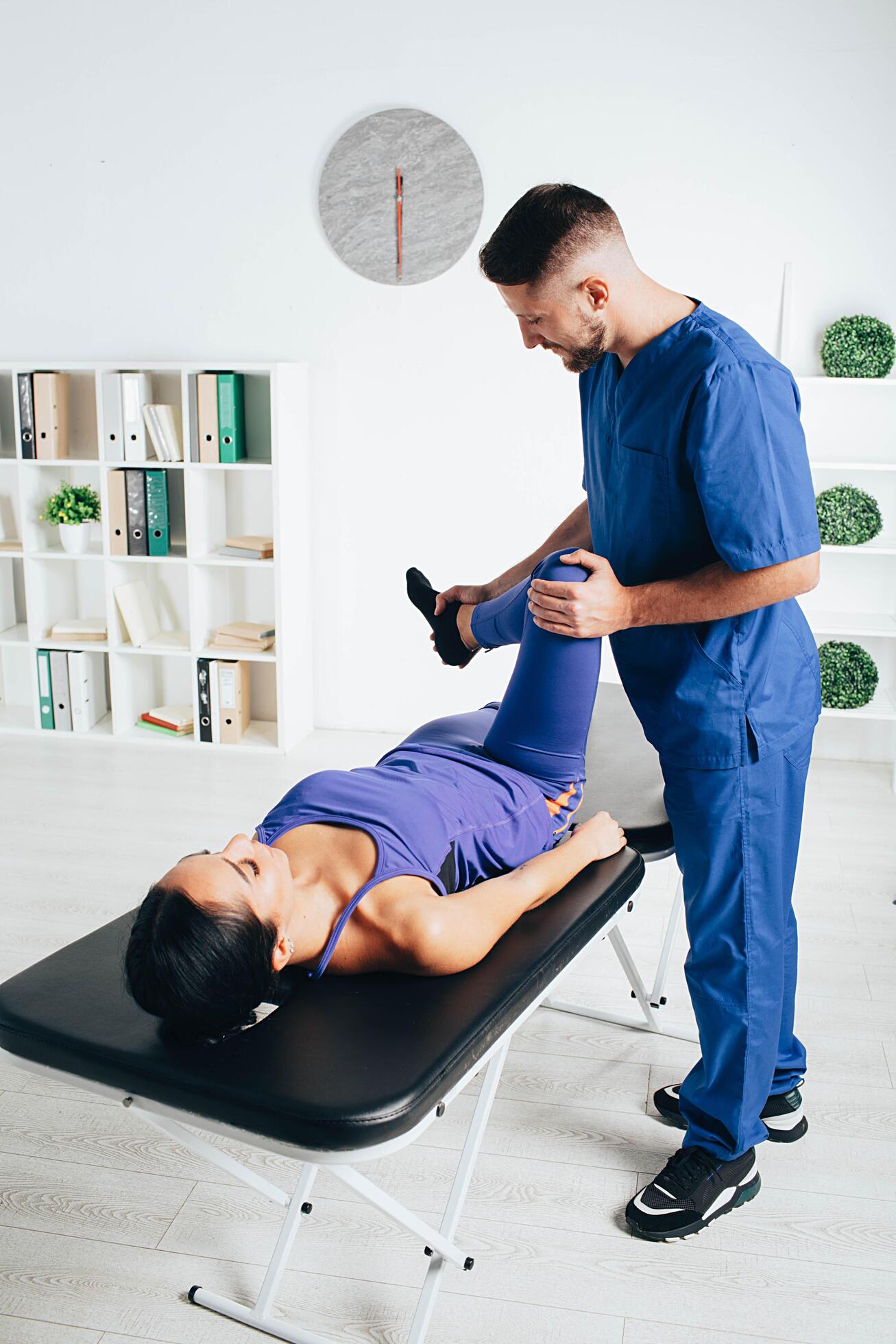
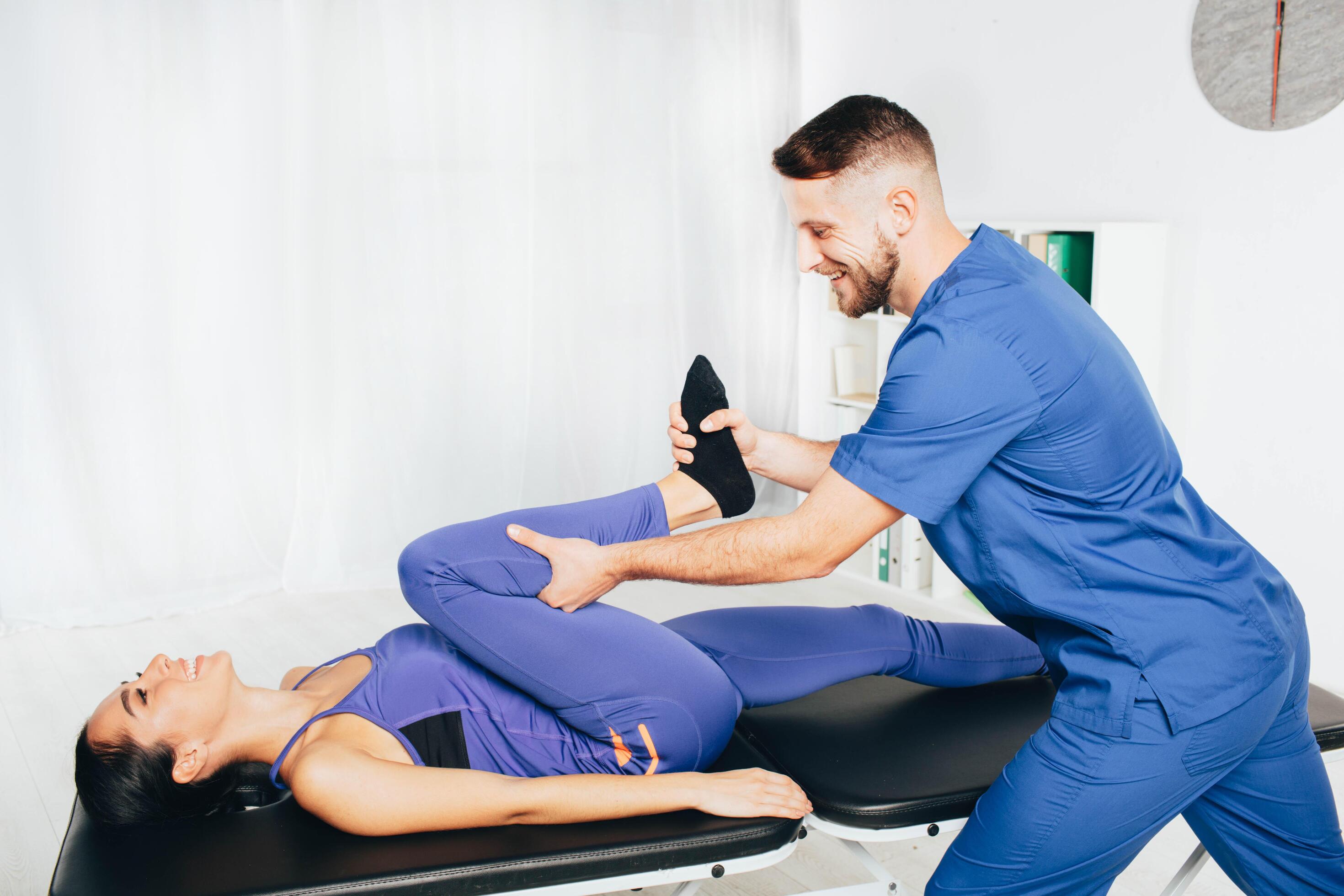
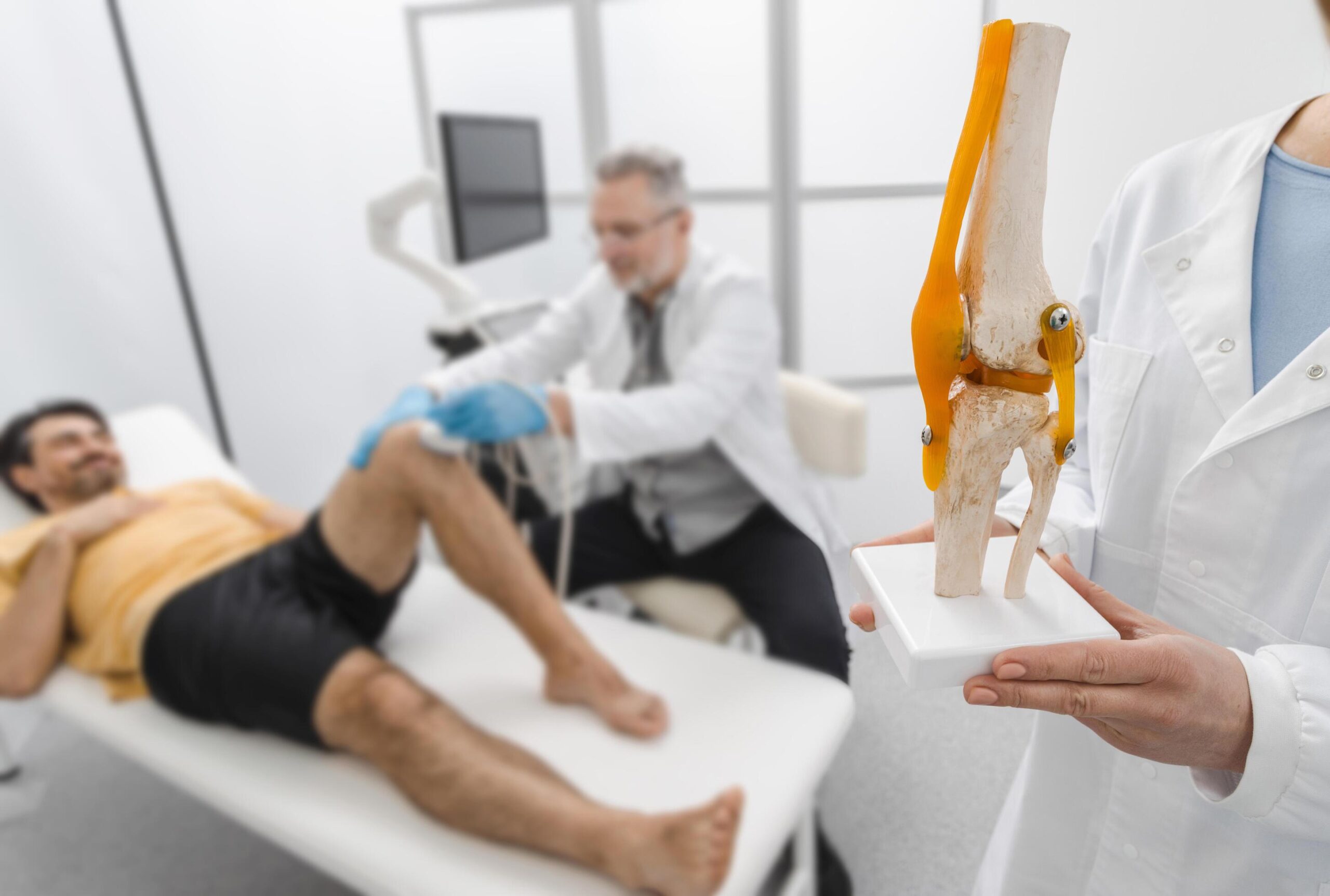
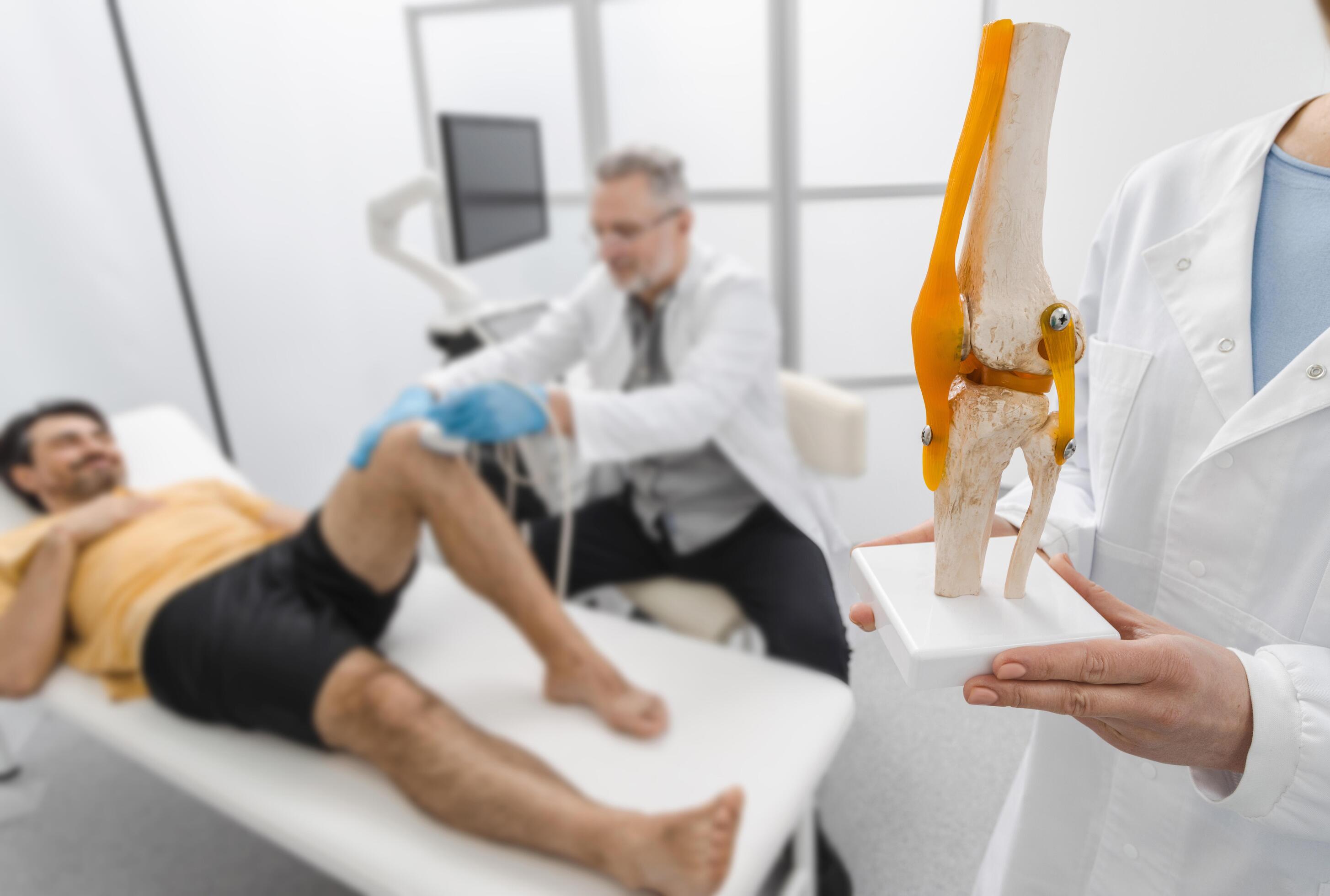
Your first visit focuses on safety and a baseline. Your therapist checks swelling, incision care rules from your surgeon, and how you walk with an assistive device if you need one. They also check motion and muscle activation near the surgical area. You will practice a few home exercises that protect the repair and support circulation. You will also review red flags, like unusual swelling, fever, or sharp calf pain.
Pain And Swelling Control Comes First
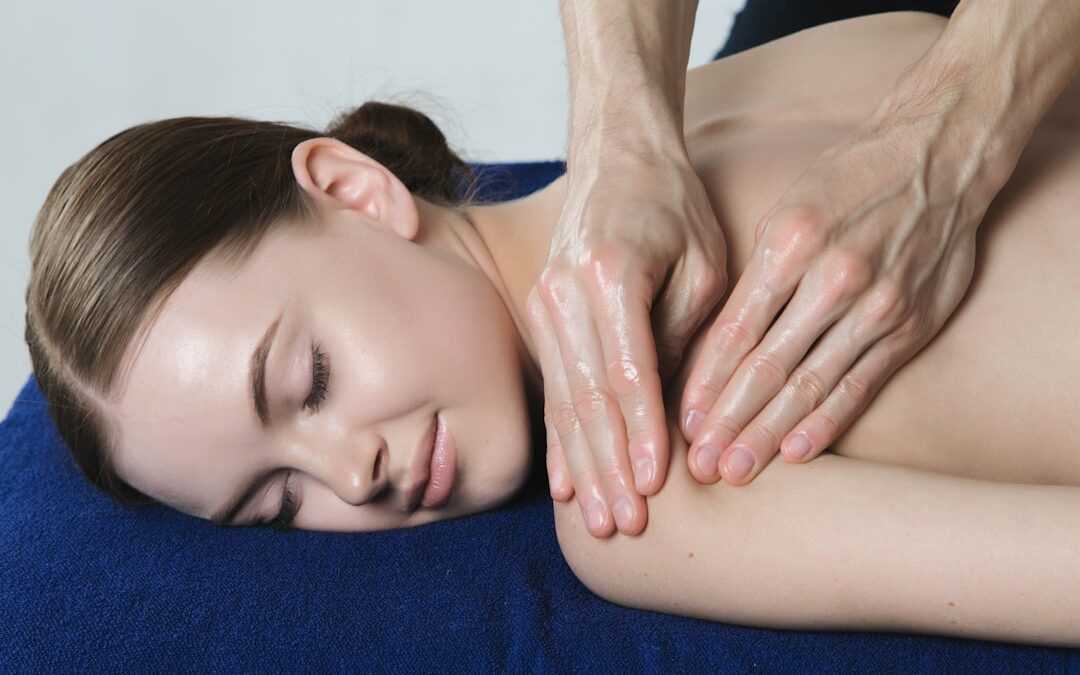
Most rehab plans start by calming the tissue. If swelling stays high, motion and strength lag behind. Your therapist may use gentle hands-on work, compression guidance, and positioning to help swelling move out. They also coach pacing, since doing too much on a “good” day can lead to a rough next day. The early goal is steady improvement, not pushing through pain.
Restoring Motion Without Breaking Rules
Every surgery has guardrails. Some repairs limit certain angles or loads early on. Your therapist follows your surgeon’s protocol and adapts it to your body. You will work on a safe range of motion, then add control in that range. Many people feel stuck at first, then they notice a week where motion starts to come back faster. That is a good sign.
Strength Work Starts Earlier Than Most People Think
Strength work does not always mean heavy weights. Early strength can be simple muscle activation and controlled movement. For a knee, that might mean quad sets and straight leg raises. For a shoulder, it may start with gentle isometrics and scapular control. As healing continues, you add resistance and more functional patterns like step downs, carries, or reaching tasks.
Milestones Patients Often Notice Along The Way
Progress after surgery is rarely a straight line. You usually see small wins that add up. Your therapist helps you track them so you know you are moving forward.
- Walking farther with less limp or less support
- Less swelling after daily activity
- Better sleep as pain settles
- Easier stairs and smoother sit-to-stand
- More confidence getting in and out of a car
- Stronger control during simple balance tasks
What Your Home Program Should Feel Like
A good home plan fits your life. It should not take an hour twice a day. It should also feel clear. You should know how many reps to do and how often. You should know what level of soreness is expected. Your therapist should also tell you what “stop” means, like sharp pain, sudden swelling spikes, or a new loss of motion.
Rehab With Modern Physical Therapy & Sports MedicineofGilbert
Weguide post-surgery rehab with clear milestones, simple home steps, and progress you can measure. If you want help getting back to walking, lifting, and daily movement with less fear, schedule an evaluation with the clinic and get a plan you can follow.