How Shoulder And Rotator Cuff Injuries Happen
Rotator cuff tendons work hard during lifting, reaching, and overhead tasks. Over time, small stresses add up.
Common causes include:
- Repeated overhead work or sports
- Poor posture during desk or phone use
- Sudden lifting with poor form
- Falls onto an outstretched arm
- Sleeping on one shoulder every night
These patterns strain the tendons. At first, soreness shows up after activity. Later, pain appears during simple tasks like reaching into a cabinet or putting on a shirt.
Why These Issues Do Not Heal On Their Own
Rotator cuff tendons do not rest much during daily life. Even small tasks like reaching for a cup load the shoulder. Irritated tissue stays irritated without guided change.
Pain leads to avoidance. Avoidance leads to weakness. Weakness leads to worse movement. The shoulder stops gliding smoothly and starts to pinch during motion. Night pain and stiffness then follow. Without targeted strength and mobility work, this cycle continues.
Why Surgery Should Be A Last Resort
Surgery has a place, especially for full tears, major trauma, or shoulders that fail after solid conservative care. Still, surgery brings risks, restrictions, and a long rehab timeline.
After a rotator cuff procedure, movement stays limited for weeks. Sleep positions feel awkward. Daily tasks require help. Therapy remains necessary even after the operation.
Many partial tears, tendon irritations, and impingement problems improve through physical therapy alone. When the shoulder gains strength and better mechanics, pain often drops to a manageable level or resolves entirely.
Because of this, Modern Medicine Physical Therapy & Sports Medicine of Gilbert, AZ, encourages a strong trial of non-surgical care before anyone heads toward the operating room unless there is clear structural failure.
Step-By-Step: The Physical Therapy Process
- Initial Evaluation
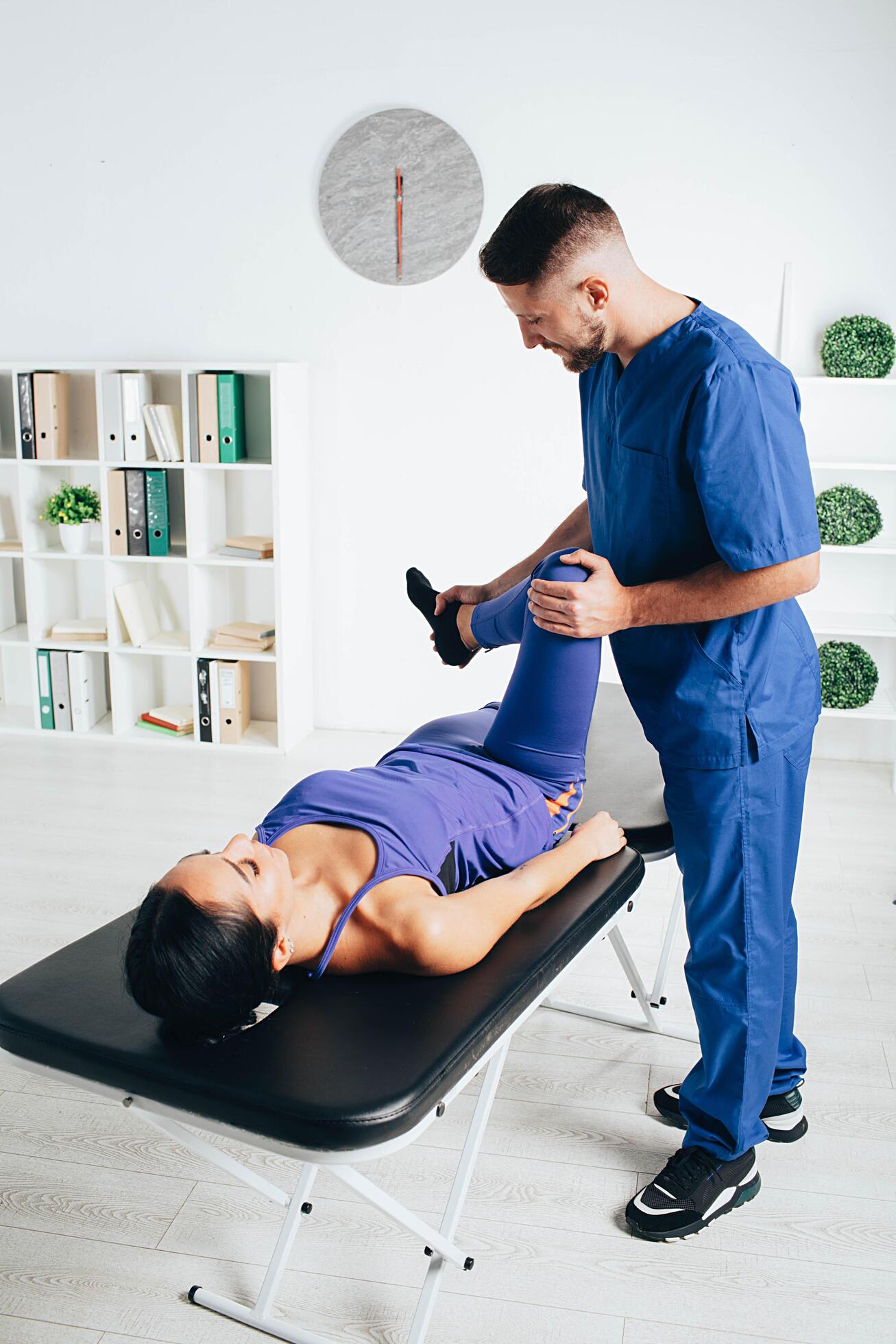
The first visit focuses on understanding the problem. We ask when the pain started, what movements bother you, and how work or sports load your shoulder. From this, we explain the likely source of symptoms and outline a clear plan.
- Calm the Irritation
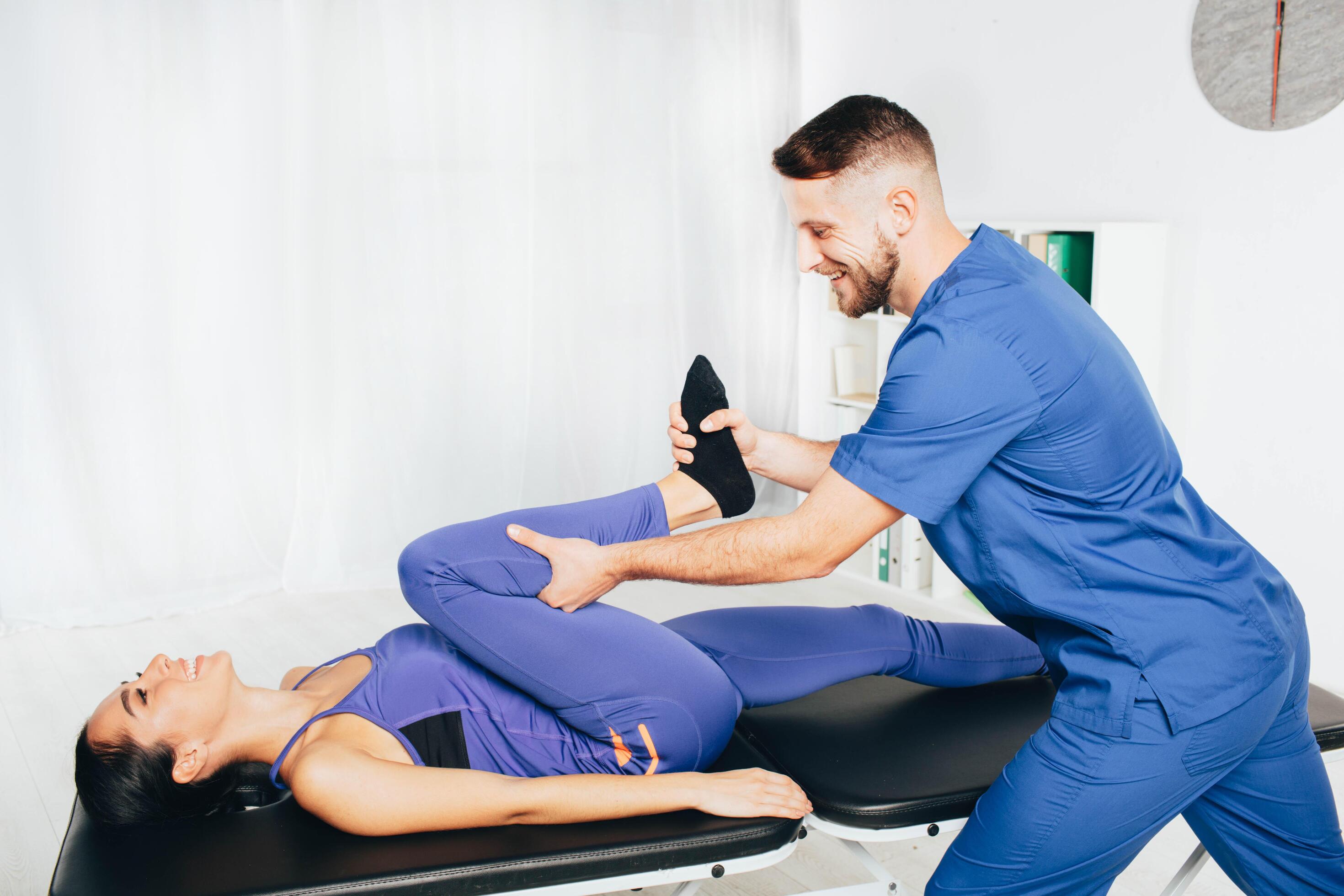
Early sessions aim to reduce pain and protect irritated tissue. We use gentle mobility work for the shoulder and upper back. Light hands-on techniques help decrease tension in overworked muscles. Taping or simple support strategies may assist during daily tasks.
You receive a short home routine that fits into your day.
- Restore Motion
As pain eases, attention shifts to motion. We guide controlled stretches to improve overhead reach, behind-the-back reach, and across-the-body motion.The shoulder blade often sits in a poor position after weeks or months of pain. We retrain that position so the ball of the shoulder moves smoothly in the socket without pinching.
- Build Strength
Next, we load the shoulder safely. Strength work targets:
- Rotator cuff muscles for joint stability
- Shoulder blade muscles for control
- Upper back and core for support
Exercises progress from light bands to more functional movements.
- Train Real-Life Movement
Once strength improves, therapy shifts toward tasks that matter to you. For office workers, that means posture and reaching during computer work. For parents, that means lifting children, bags, or laundry. For athletes, that means controlled overhead work, throwing patterns, or gym activity.