Movement and Strength Assessment
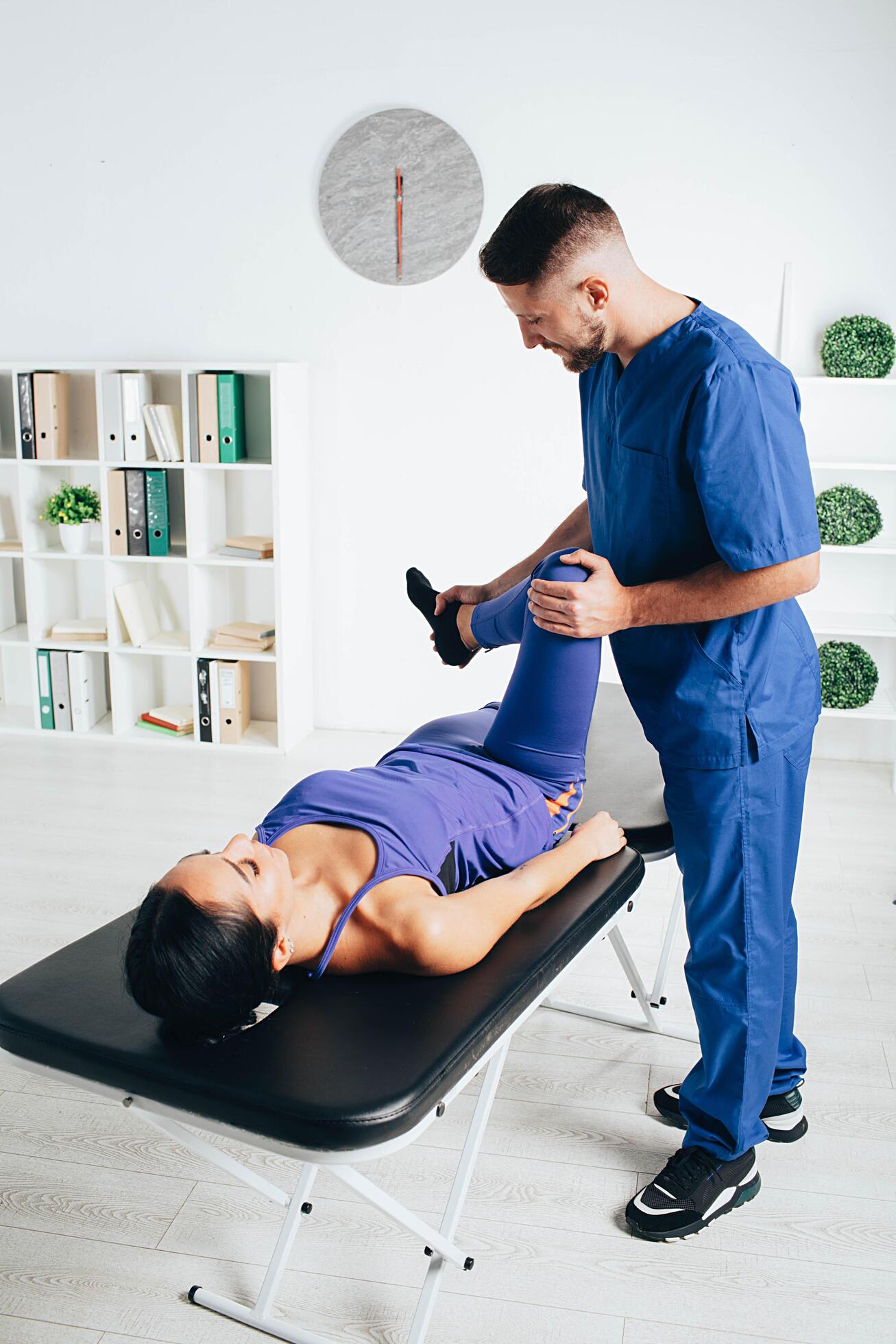
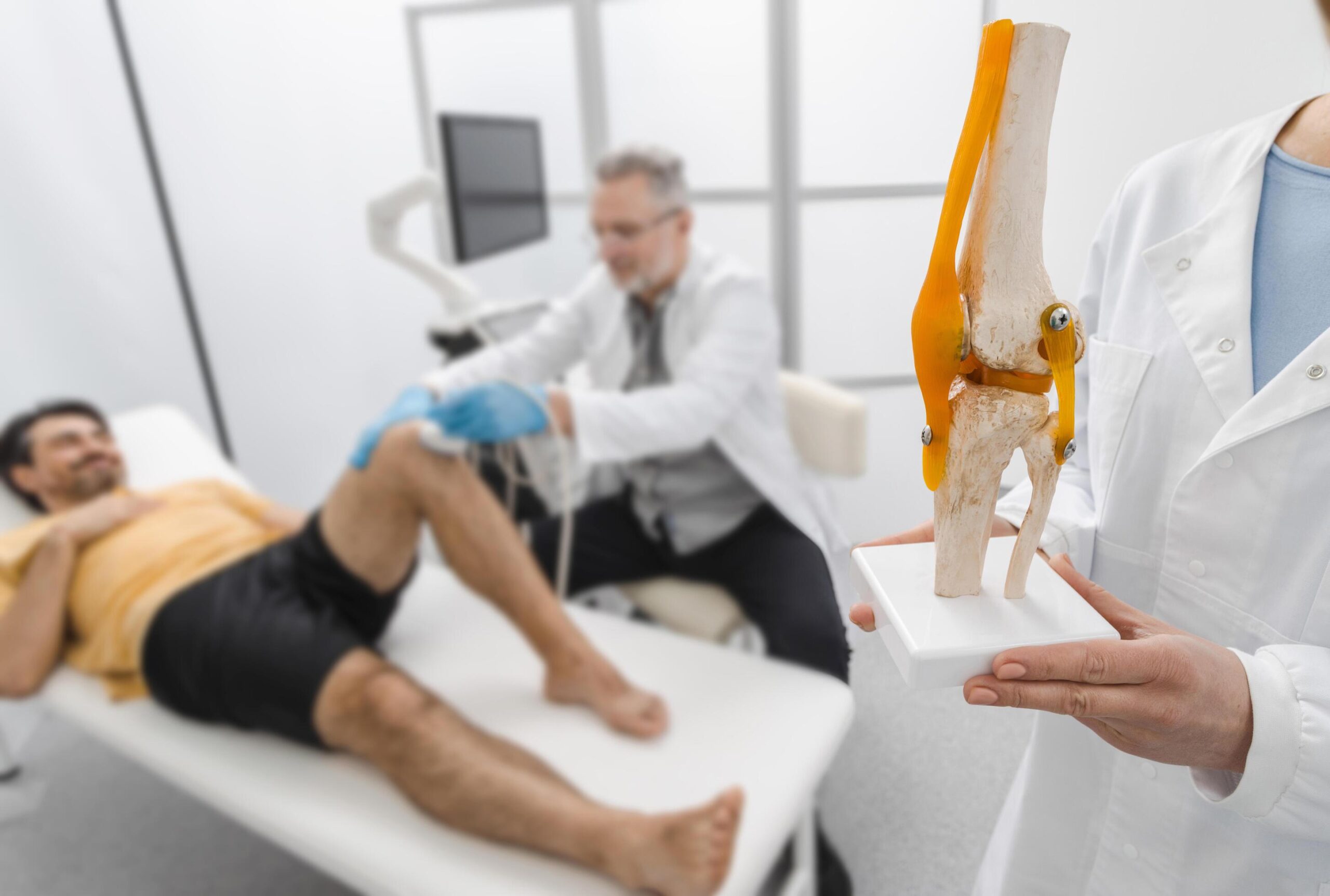
A muscle imbalance plan starts with figuring out what is actually happening, not guessing. We assess how you move during tasks like walking, squatting, stepping down, and single-leg balance. We also test strength and endurance on both sides. Many people look “strong” for one rep, then lose control as they fatigue. This service matters because it identifies the pattern driving the injury, like one hip doing less work, one shoulder blade moving poorly, or one calf taking extra load from a stiff ankle.
Targeted Strengthening Program
Strengthening is not just “get stronger.” It’s choosing the right muscles and the right positions. We build a program that strengthens the underworking muscle group, like glutes, hamstrings, deep hip stabilizers, or the muscles that control the shoulder blade. This helps because the overworking area can finally stop taking over. When the load gets shared again, pain and tightness often ease, and performance improves without forcing the same sore spot to work harder.
Mobility and Range of Motion Training
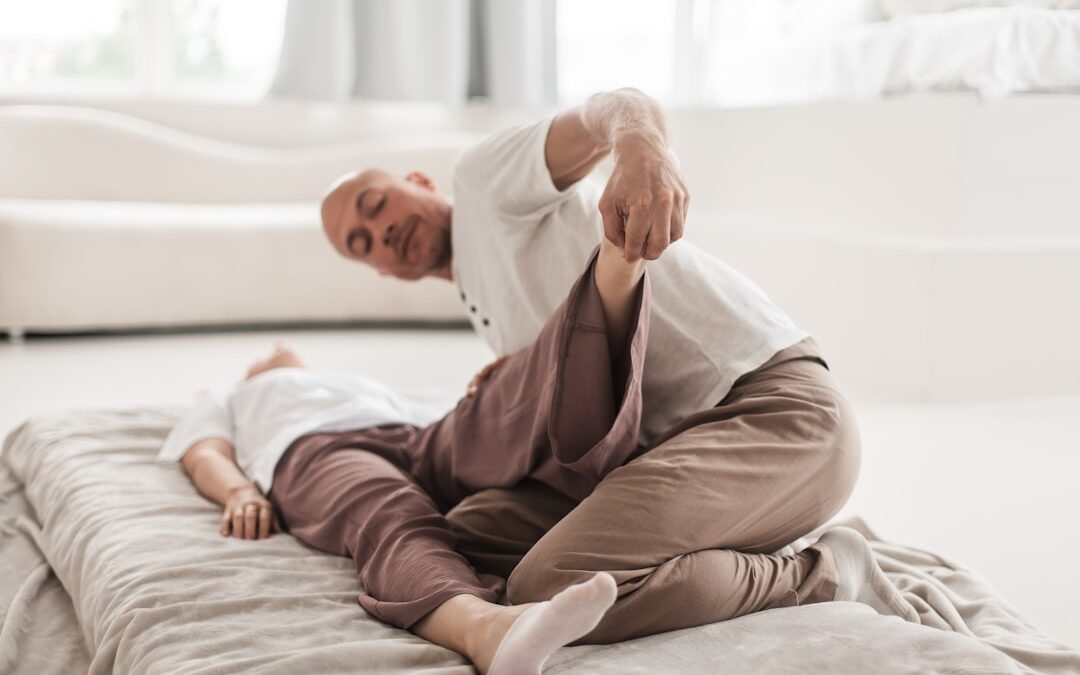
Many imbalances start because one joint doesn’t move well. Tight hips can push rotation into the lower back. Stiff ankles can overload the calf and knee. A rigid upper back can force the neck and shoulders to compensate. Mobility training targets the missing motion so the body stops borrowing movement from the wrong place. This helps because better joint motion allows stronger mechanics, cleaner form, and less strain during repeated tasks.
Neuromuscular Re-Training
Some injuries persist because timing is off, not because strength is low. Neuromuscular re-training focuses on how quickly and accurately muscles turn on, especially during balance, landing, cutting, and reaching. This helps because it improves control during the moments when injuries happen, like when you step off a curb, change direction, or catch yourself from a slip. Better timing means less panic movement and fewer “tweaks” that seem to come out of nowhere.
Gait and Running Mechanics Coaching
If you walk or run with a consistent compensation, the imbalance gets reinforced with every step. We look at stride, foot strike, hip control, cadence, and how you load one side versus the other. Then we coach changes that match your body and symptoms. This helps because a small shift in mechanics can reduce thousands of repeated stress cycles over a week of training or work.
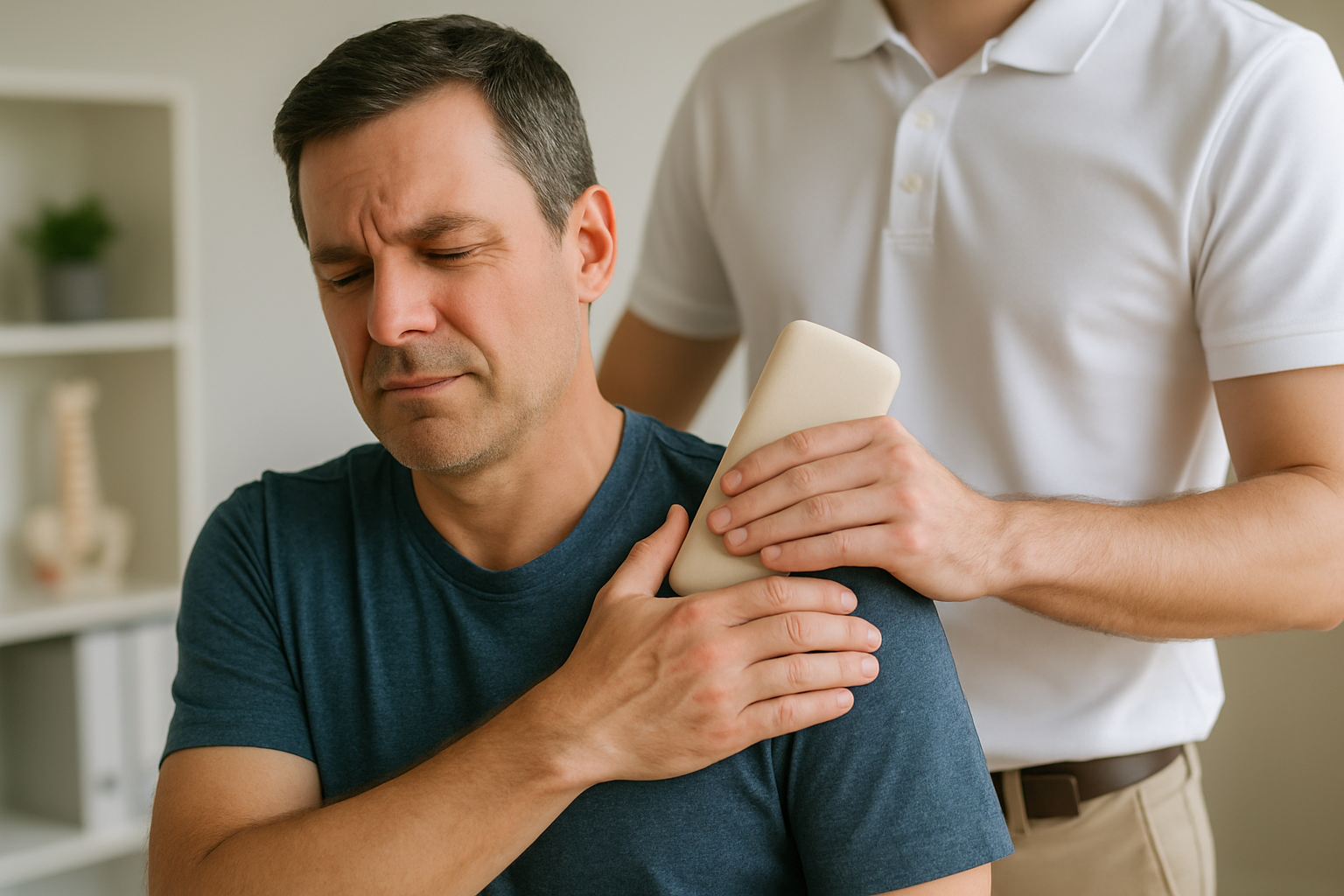
Hands-On Manual Therapy
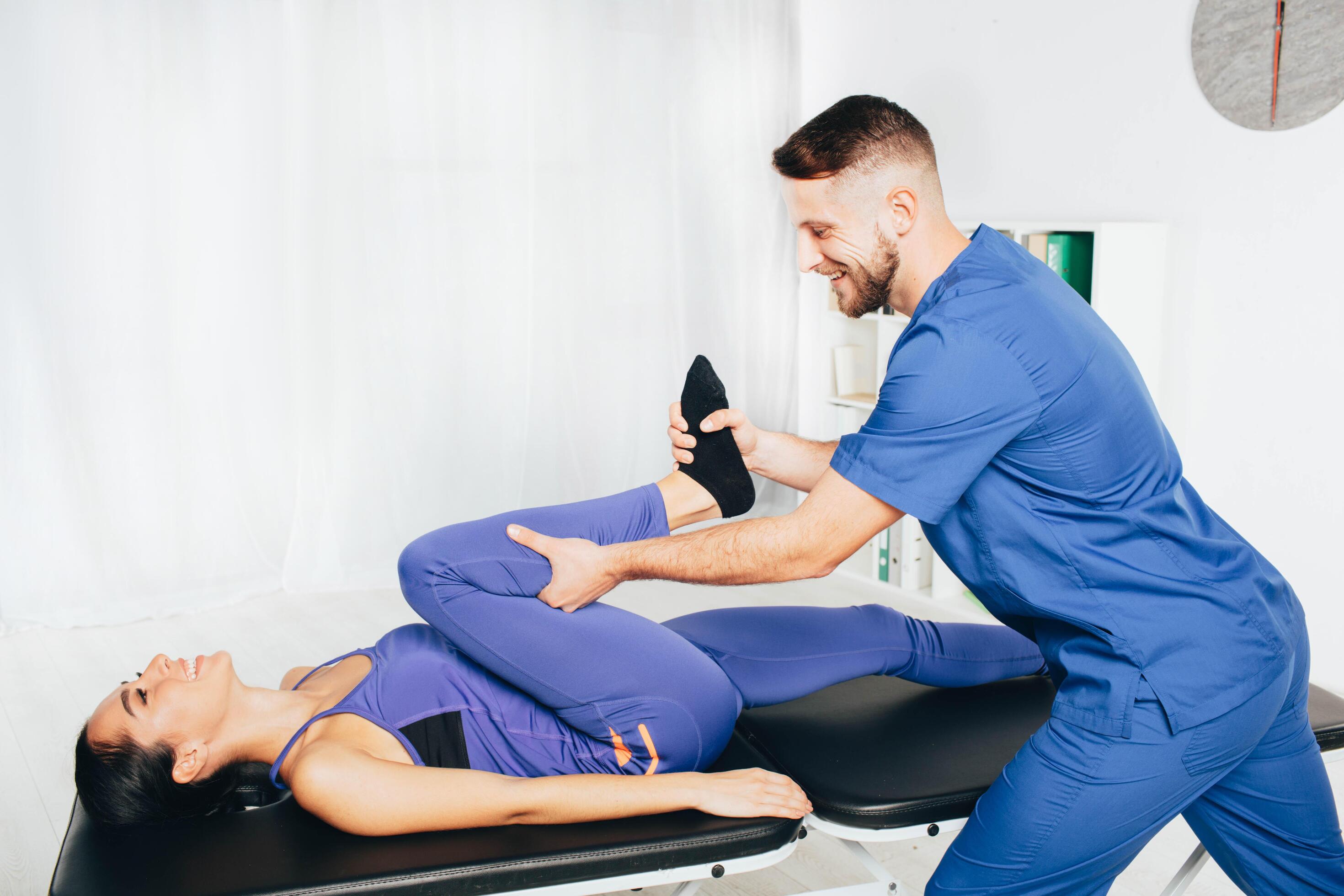
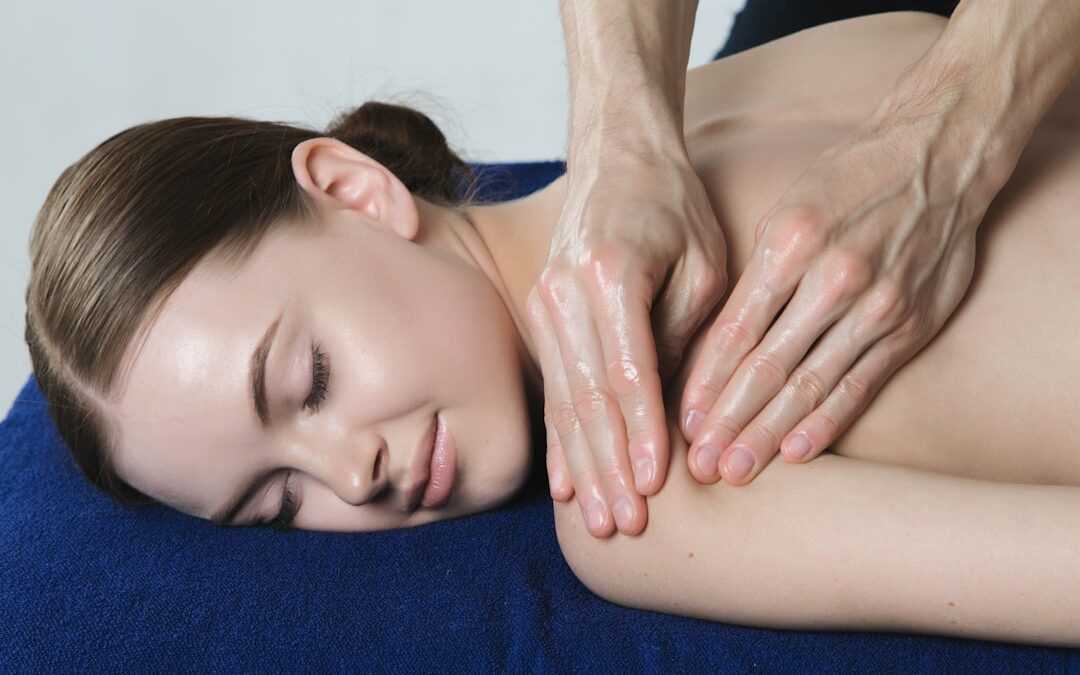
Manual therapy can reduce guarding and improve how tissues move. This may include soft tissue work for overworked muscles and joint techniques for stiffness that is limiting motion. This helps because it often lowers pain and improves movement quickly enough that you can train the correct pattern sooner. Manual therapy is not a stand-alone fix, but it can make the exercise plan more tolerable and more effective.
Sport-Specific Return to Activity Progressions
A lot of people feel better, then jump back to full speed and flare again. Return-to-activity progressions build load in a controlled way based on your sport or job. We use steps that match real demands, like cutting drills, jumping, lifting capacity, or work tasks done under fatigue. This helps because it rebuilds tolerance and confidence and reduces the risk of re-injury when intensity returns.