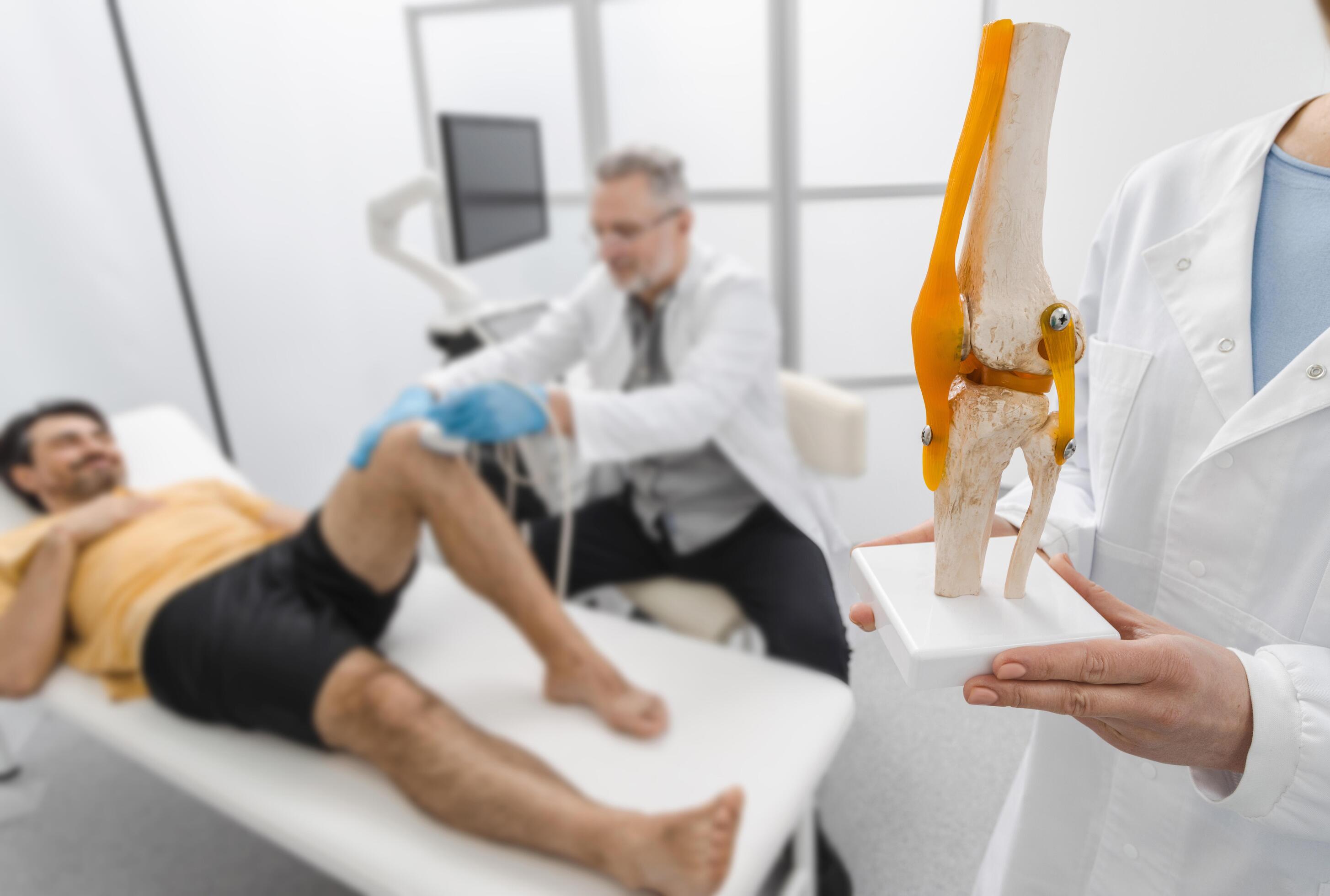
A tendon is the cord that ties a muscle to a bone, and it handles a lot of load every time you move. It can take that fine, up to a point. Push past what it can recover from, and the trouble starts:
- Ramping up an activity faster than the tendon can adapt
- Doing the same motion over and over, at work, in a sport, around the house
- Skimping on rest, so the tendon never fully recovers between sessions
- Weakness further up the chain that dumps extra load onto the tendon
- Age, since tendons get a little less forgiving and slower to bounce back over time
The frustrating part is the timeline. Tendons have limited blood flow, which is exactly what they’d need to heal quickly. So they’re slow to get irritated and just as slow to settle, which is why this stuff drags out longer than people expect.
What Sports Medicine Brings to It
The pull is to just rest it and wait. However, complete rest tends to leave the tendon weak and underprepared, so the pain comes right back when you return to normal activity. A sports medicine approach handles it more deliberately than that.
The work usually runs across a few fronts:
- Pinning down the real cause, since the irritated tendon is often paying for weakness elsewhere
- Loading the tendon in a controlled way, since the right kind of stress actually drives healing
- Eccentric strengthening, especially, which has a strong track record for cranky tendons
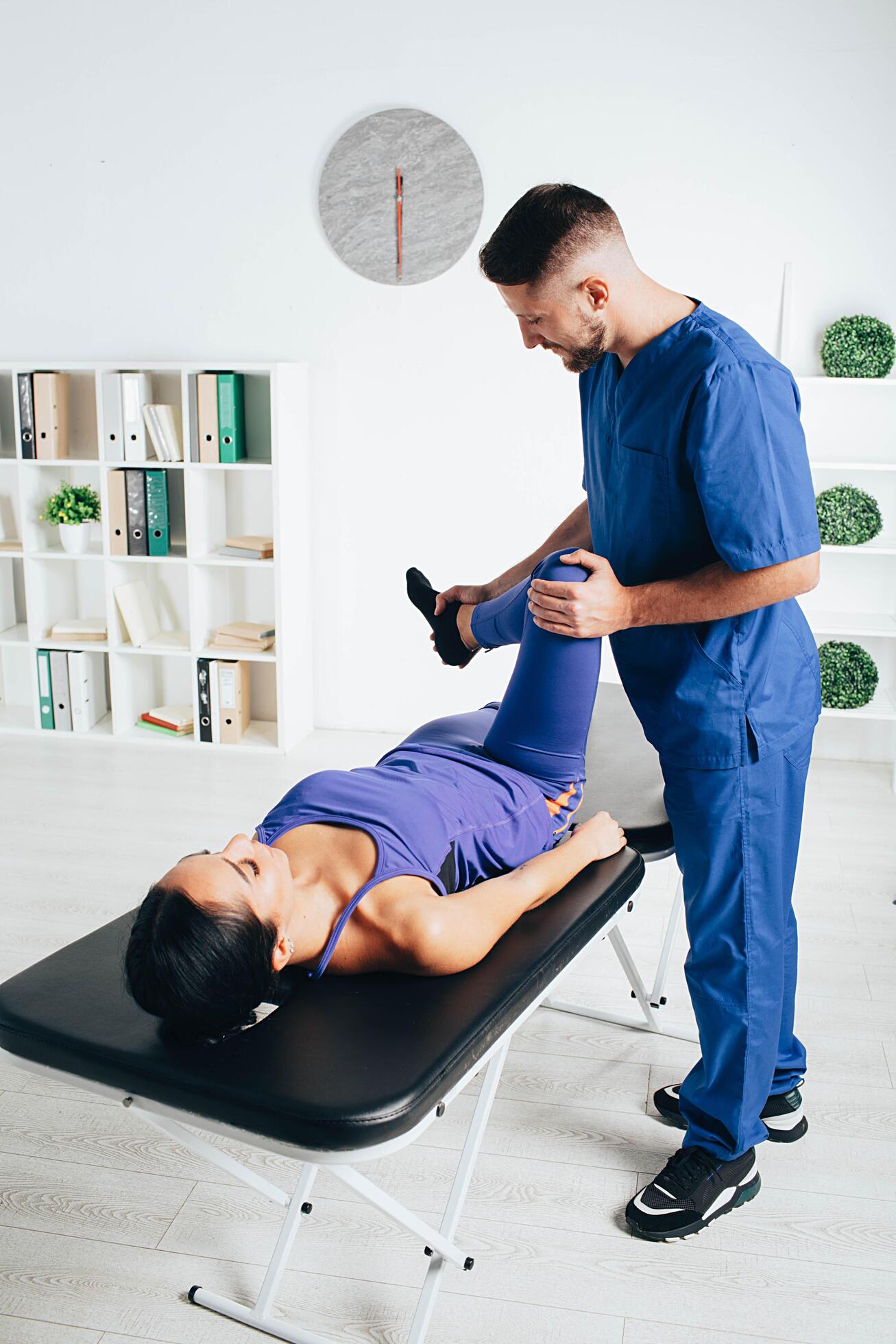
- Hands-on work to ease the surrounding tightness that’s adding to the load
- A look at technique and training, so the thing that caused it doesn’t just cause it again
That second point catches people off guard. The instinct is to protect a sore tendon completely, but tendons heal through loading, not avoidance. The trick is the right amount at the right time, which is hard to dial in alone.
The Patience Part
This is where tendonitis tests people. It does not heal on the timeline you want. A muscle strain might settle in a couple of weeks, but a cranky tendon can take months of steady work to fully quiet down. That gap trips up a lot of people.
What usually goes wrong is the early win. The pain eases after a few weeks, you feel close to normal, you jump back to full activity, and it flares right back up. The tendon felt better, well before it was actually ready. A real plan keeps building strength past the point where the pain fades, which is what makes the relief stick instead of cycling.
When to Get It Looked At
A tendon that’s cranky for a day or two might settle on its own. One that keeps nagging deserves a look. Worth getting checked when the pain has hung on past a couple of weeks, when it’s there in the morning or after rest, when it’s changing how you move to dodge it, or when it keeps coming back every time you return to your activity. Pain that’s slowly creeping worse counts too.
Getting it assessed early means a plan shaped around your tendon and a return that doesn’t restart the whole cycle.
Visit the team at Modern Medicine of Gilbert, AZ. We’ll take a look at what’s going on and put together a plan to settle the tendon down for good.